Why You'll Love It
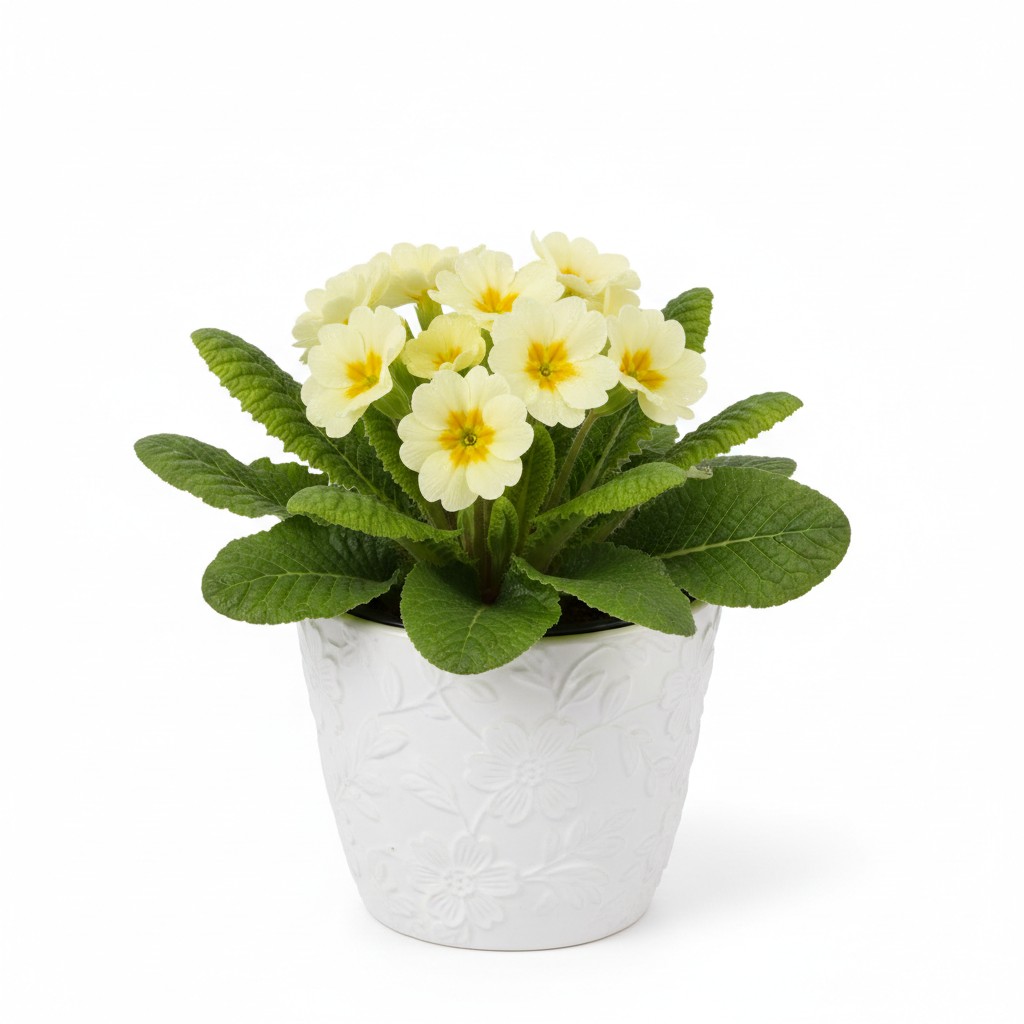
The English Primrose, with its charming clusters of vibrant, early spring blooms, is a delightful addition to any home or garden. Its cheerful colors, ranging from soft pastels to bold, saturated hues, bring a welcome burst of life after the long winter months. Plant lovers adore the English Primrose for its relatively easy care and its ability to thrive in cool, shady locations where other flowering plants might struggle. The delicate fragrance of the blooms adds another layer of appeal, creating a sensory experience that is both uplifting and calming. This plant is perfect for adding a touch of cottage-garden charm to window boxes, containers, or garden beds, and its compact size makes it ideal for smaller spaces. Its ability to attract pollinators like bees and butterflies further enhances its value as a garden asset.
The Story
The English Primrose (Primula vulgaris) is native to western and southern Europe, including the British Isles. Its natural habitat consists of woodlands, hedgerows, and meadows, where it thrives in moist, shaded conditions. The plant's name, derived from the Latin "prima rosa," meaning "first rose," reflects its early blooming habit, often appearing as one of the first flowers of spring. Historically, the English Primrose has been associated with folklore and tradition, often symbolizing youth, love, and protection. In some cultures, it was believed to ward off evil spirits and bring good luck. The plant has been cultivated for centuries, with numerous cultivars developed to showcase a wide range of colors and flower forms. Its enduring popularity stems from its beauty, resilience, and cultural significance.
Complete Care Guide
English Primroses thrive in cool, shaded environments with moist, well-draining soil. Water regularly, keeping the soil consistently moist but not waterlogged. Avoid overhead watering to prevent fungal diseases. Fertilize every 2-3 weeks during the blooming season with a balanced liquid fertilizer diluted to half strength. Remove spent flowers to encourage further blooming. Provide protection from harsh sunlight and extreme temperatures. In warmer climates, consider growing them as annuals or providing extra shade during the hottest part of the day. Good air circulation is essential to prevent disease. Repotting is generally not necessary unless the plant becomes root-bound. Monitor for pests such as aphids and spider mites and treat promptly.
Light Requirements
English Primroses prefer partial to full shade, especially during the hottest part of the day. Bright, indirect light is ideal. Avoid exposing them to direct sunlight, which can scorch their leaves and fade their blooms. An east-facing window or a location under a shade tree is often a good choice. If growing indoors, rotate the plant regularly to ensure even light exposure. Leggy growth and pale leaves can indicate insufficient light, while brown, crispy leaves suggest too much direct sunlight. Consider using sheer curtains to diffuse light if necessary.
Seasonal Care
Spring
In spring, remove any winter mulch and fertilize to encourage blooming. Water regularly as the weather warms. Monitor for pests and diseases. Divide established plants if desired.
Summer
Provide shade during the hottest part of the day. Water regularly to keep the soil moist. Remove spent blooms to encourage further flowering. Monitor for pests and diseases.
Fall
Reduce watering frequency as temperatures cool. Remove dead or damaged foliage. Apply a layer of mulch for winter protection in colder climates.
Winter
In colder climates, protect plants from frost by covering them with mulch or moving them indoors. Reduce watering significantly. Avoid fertilizing during the dormant period.
The Life of Your English Primrose
Seedling / Juvenile
For seedlings, provide consistent moisture and gentle light. Avoid direct sunlight. Use a well-draining potting mix. Fertilize lightly with a diluted balanced fertilizer once the seedling has developed several true leaves. Monitor for pests and diseases.
Adolescent
As the plant develops, continue providing partial shade and regular watering. Increase fertilization frequency slightly. Monitor for signs of bud formation. Remove any dead or damaged leaves. Ensure good air circulation to prevent fungal diseases.
Mature
During the blooming period, maintain consistent moisture and fertilize regularly to support flower production. Remove spent blooms to encourage further flowering. Protect from extreme temperatures. Monitor for pests and diseases, addressing them promptly.
Established
After blooming, reduce watering frequency slightly. Continue fertilizing every 4-6 weeks. Consider dividing the plant to propagate new plants. Provide winter protection in colder climates. Prune back any dead or damaged foliage.
Propagation Guide
English Primroses can be propagated by division or from seed. Division is best done in spring or fall. Carefully lift the plant and gently separate the roots into smaller clumps, ensuring each clump has healthy roots and foliage. Replant the divisions in well-draining soil. To propagate from seed, sow seeds indoors in late winter or early spring. Keep the soil moist and provide bright, indirect light. Seedlings can be transplanted outdoors after the last frost. Stem cuttings and keiki propagation are not typically used for English Primrose.
Expert Knowledge
English Primroses benefit from regular deadheading to prolong the blooming period. Consider using a slow-release fertilizer in the spring to provide continuous nutrients. Soil pH should be slightly acidic to neutral (around 6.0-7.0). Avoid planting in heavy clay soil, which can lead to root rot. Companion planting with other shade-loving plants such as hostas and ferns can create a visually appealing and ecologically balanced garden.
Troubleshooting
Yellow leaves
Overwatering or poor drainage can cause yellow leaves. Allow the soil to dry slightly between waterings. Ensure the pot has drainage holes. Check for root rot.
Brown leaf edges
Dry air or direct sunlight can cause brown leaf edges. Increase humidity by misting the plant or placing it on a pebble tray. Move the plant to a shadier location.
Drooping leaves
Underwatering or overwatering can cause drooping. Check the soil moisture and adjust watering accordingly. Ensure the plant is not root-bound.
Root rot
Root rot is caused by overwatering and poor drainage. Repot the plant in fresh, well-draining soil. Remove any affected roots. Use a fungicide if necessary.
Pests
Aphids, spider mites, and slugs can infest English Primroses. Treat with insecticidal soap or neem oil. Remove slugs manually.
Frequently Asked Questions
What are the ideal light conditions?
English Primroses prefer partial to full shade. Avoid direct sunlight, which can scorch their leaves.
How often should I water?
Water regularly, keeping the soil consistently moist but not waterlogged. Allow the top inch of soil to dry slightly between waterings.
When should I repot?
Repotting is generally not necessary unless the plant becomes root-bound. Repot in spring or fall using a well-draining potting mix.
Is it toxic to pets?
English Primroses are considered to be mildly toxic to pets and children if ingested, causing mild gastrointestinal upset.
How big will it grow?
English Primroses typically grow to be 6-12 inches tall and 6-12 inches wide indoors.
Can I propagate at home?
Yes, you can propagate English Primroses at home by division or from seed. Division is the easier and more reliable method.