Why You'll Love It
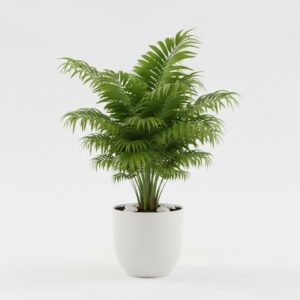
Dumb Cane, scientifically known as Dieffenbachia, is a beloved houseplant for its striking foliage and air-purifying qualities. Its large, oval-shaped leaves boast vibrant patterns of green, cream, and white, adding a touch of tropical elegance to any indoor space. The plant is relatively easy to care for, making it a great choice for both beginner and experienced plant enthusiasts.
Plant lovers adore Dumb Cane for its ability to brighten up their homes and offices. Its lush greenery creates a calming and inviting atmosphere. The plant's tolerance for low-light conditions also makes it versatile for various locations within a home. Additionally, the air-purifying properties make it a healthy and beneficial addition to any living space.
The Story
Dieffenbachia originates from the tropical regions of Central and South America, specifically Brazil and the West Indies. In its natural habitat, it thrives in the humid understory of rainforests, where it receives dappled sunlight and abundant moisture. The plant was named after Joseph Dieffenbach, a German botanist who served as the head gardener of the Imperial Gardens in Vienna during the 19th century.
Historically, Dumb Cane has been used in traditional medicine by indigenous cultures. However, it's crucial to remember that the plant contains calcium oxalate crystals, which can cause temporary speechlessness and burning sensations if ingested, hence the name "Dumb Cane." While the plant is admired for its beauty, its toxicity is an important consideration for households with children and pets. The plant has become a popular ornamental plant worldwide.
Complete Care Guide
Dumb Cane thrives in bright, indirect light. Avoid direct sunlight, which can scorch the leaves. Water thoroughly when the top inch of soil feels dry, ensuring proper drainage. Maintain humidity levels above 60% by misting regularly, using a humidifier, or placing the plant on a pebble tray.
Fertilize every 4-6 weeks during the growing season (spring and summer) with a balanced liquid fertilizer diluted to half strength. Reduce watering and fertilization during the dormant season (fall and winter). Repot every 1-2 years into a slightly larger pot with well-draining potting mix. Regularly clean the leaves with a damp cloth to remove dust and keep them healthy. Keep away from pets and small children due to toxicity.
Light Requirements
Dumb Cane prefers bright, indirect light. Too much direct sunlight can cause the leaves to burn, while insufficient light can lead to leggy growth and faded variegation. An east-facing window is ideal, as it provides gentle morning light. West or south-facing windows can work if the plant is placed further away or shielded by a sheer curtain.
If your Dumb Cane is not receiving enough light, the leaves may become pale or the plant may grow very slowly. Consider using a grow light to supplement natural light, especially during the darker winter months. Observe your plant closely and adjust its location as needed to ensure it receives the optimal amount of light.
Seasonal Care
Spring
In spring, increase watering frequency and begin fertilizing regularly to support new growth. Repot if necessary and prune any dead or damaged leaves. Provide bright, indirect light and maintain high humidity.
Summer
During summer, maintain consistent watering and fertilization. Protect the plant from direct sunlight to prevent leaf burn. Increase humidity if needed. Monitor for pests and address any issues promptly.
Fall
In fall, reduce watering and fertilization as the plant enters dormancy. Maintain bright, indirect light and monitor for pests. Prepare the plant for cooler temperatures and lower humidity levels.
Winter
During winter, water sparingly and avoid fertilizing. Maintain bright, indirect light and protect the plant from drafts. Increase humidity if needed. Monitor for pests and ensure proper ventilation.
The Life of Your Dumb Cane
Seedling / Juvenile
Young Dumb Cane plants require consistent moisture and bright, indirect light to establish a strong root system. Ensure the soil remains evenly moist but not waterlogged. Provide warmth and high humidity to encourage healthy growth.
Adolescent
During the adolescent phase, Dumb Cane plants actively grow. Increase watering frequency slightly and begin fertilizing regularly during the growing season. Monitor for pests and address any issues promptly.
Mature
Mature Dumb Cane plants exhibit full foliage and vibrant variegation. Maintain consistent care practices, including proper watering, fertilization, and light exposure. Repot as needed to provide fresh soil and space for root growth.
Established
Established Dumb Cane plants are resilient and require minimal intervention. Continue providing consistent care to maintain their health and appearance. Prune any dead or damaged leaves to encourage new growth.
Propagation Guide
Dumb Cane can be propagated through stem cuttings, division, or air layering. For stem cuttings, cut a healthy stem into sections, ensuring each section has at least one node. Allow the cuttings to callous over for a day or two, then place them in water or moist potting mix until roots develop.
For division, carefully separate the plant into smaller clumps, ensuring each clump has roots and foliage. Repot each clump into its own pot with fresh potting mix. Air layering involves wrapping a stem with moist sphagnum moss and covering it with plastic wrap until roots develop, then cutting the stem below the roots and potting it. Maintain high humidity during propagation.
Expert Knowledge
Dumb Cane is sensitive to fluoride in tap water, which can cause brown tips on the leaves. Use filtered or distilled water to avoid this issue. The plant benefits from regular cleaning of its leaves to remove dust and improve photosynthesis.
Avoid placing Dumb Cane near air vents or radiators, as these can dry out the air and cause leaf damage. The plant can tolerate some neglect, but consistent care will result in healthier and more vibrant growth. Different varieties of Dieffenbachia have varying levels of toxicity, so it's always best to keep them away from pets and children.
Troubleshooting
Yellow leaves
Yellow leaves on Dumb Cane can indicate overwatering, underwatering, or nutrient deficiency. Check the soil moisture and adjust watering accordingly. Fertilize during the growing season to provide essential nutrients.
Brown leaf edges
Brown edges on Dumb Cane leaves are often caused by low humidity or dry air. Increase humidity by misting regularly, using a humidifier, or placing the plant on a pebble tray.
Drooping leaves
Drooping leaves on Dumb Cane can be a sign of underwatering or root rot. Check the soil moisture and water thoroughly if dry. If the soil is waterlogged, suspect root rot and repot the plant with fresh soil.
Root rot
Root rot is caused by overwatering and poor drainage. Repot the plant with fresh, well-draining soil after removing any affected roots. Ensure the pot has drainage holes. Reduce watering frequency.
Pests
Leggy growth in Dumb Cane is often caused by insufficient light. Move the plant to a brighter location or supplement with a grow light to encourage compact growth. Prune leggy stems to promote bushier growth.
Frequently Asked Questions
What are the ideal light conditions?
Dumb Cane thrives in bright, indirect light. Avoid direct sunlight to prevent leaf burn.
How often should I water?
Water thoroughly when the top inch of soil feels dry. Avoid overwatering.
When should I repot?
Repot every 1-2 years in spring, using a slightly larger pot and fresh soil.
Is it toxic to pets?
Yes, Dumb Cane is toxic to pets and children. Keep it out of reach.
How big will it grow?
Indoors, Dumb Cane can grow 3-6 feet tall, depending on the variety.
Can I propagate at home?
Yes, Dumb Cane can be propagated easily from stem cuttings or division.