Why You'll Love It
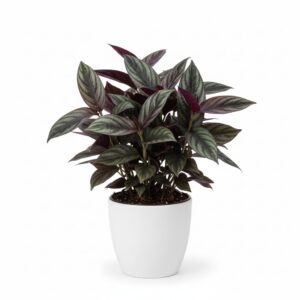
Coral Bells, also known as Heuchera, are beloved by gardeners for their stunning foliage and delicate flowers. The sheer variety of leaf colors, ranging from deep purples and burgundy to vibrant greens, oranges, and yellows, makes them a versatile addition to any landscape or container garden. Their mounding habit adds texture and structure, while the airy wands of tiny, bell-shaped flowers provide a touch of whimsy.
Beyond their visual appeal, Coral Bells are relatively low-maintenance plants, making them ideal for both novice and experienced gardeners. They are also deer-resistant, a major plus for those living in areas with high deer populations. Their ability to thrive in partial shade makes them perfect for adding color to areas where other flowering plants might struggle. They attract hummingbirds, too!
The Story
Coral Bells are native to North America, primarily found in rocky woodlands and mountainous regions. Their scientific name, Heuchera, honors Johann Heinrich von Heucher, an 18th-century German physician and botanist. The plants were initially prized for their medicinal properties, with Native Americans using them to treat a variety of ailments.
In the early 20th century, plant breeders began to focus on the ornamental potential of Coral Bells, selecting and hybridizing different species to create the wide range of colors and forms we see today. Heuchera villosa, found in the southeastern United States, has been particularly influential in breeding for heat and humidity tolerance. Now, Coral Bells are cultivated globally, gracing gardens and containers with their colorful foliage and delicate blooms. Their popularity continues to grow as new cultivars are introduced with even more striking colors and improved performance.
Complete Care Guide
Coral Bells prefer partial shade to full sun, with morning sun and afternoon shade being ideal. They thrive in well-draining soil rich in organic matter. Water thoroughly when the top inch of soil feels dry, but avoid overwatering, which can lead to root rot. Fertilize lightly in spring with a balanced fertilizer.
Deadhead spent flower stalks to encourage continued blooming and maintain a tidy appearance. In colder climates, provide winter protection by mulching around the base of the plant. Divide clumps every 3-4 years to prevent overcrowding and rejuvenate growth. Monitor for pests such as slugs and vine weevils, and treat accordingly. Proper air circulation is key to preventing fungal diseases. Remove any dead or damaged leaves promptly.
Light Requirements
Coral Bells thrive in partial shade, where they receive morning sun and afternoon shade. In hotter climates, full shade is preferable to prevent leaf scorch. The intensity of the leaf color can be affected by light exposure; darker-leaved varieties tend to tolerate more sun, while lighter-leaved varieties need more shade.
Insufficient light can lead to leggy growth and reduced flowering. Conversely, too much direct sunlight can cause the leaves to burn and fade. Monitor the plant for signs of stress, such as bleached or scorched leaves, and adjust its location accordingly. When growing Coral Bells indoors, place them near an east-facing window or provide supplemental lighting.
Seasonal Care
Spring
In spring, remove any dead or damaged foliage. Fertilize with a balanced fertilizer to promote new growth. Divide overcrowded clumps. Monitor for pests and diseases.
Summer
During summer, provide adequate shade and water. Deadhead spent flower stalks to encourage continued blooming. Monitor for signs of heat stress, such as leaf scorch.
Fall
In fall, reduce watering and fertilizing. Clean up any fallen leaves around the plant. Mulch around the base of the plant to provide insulation for the winter.
Winter
In winter, protect from extreme cold by mulching heavily around the base of the plant. Avoid overwatering, as this can lead to root rot.
The Life of Your Coral Bells
Seedling / Juvenile
During the seedling stage, ensure consistent moisture without overwatering. Provide bright, indirect light. Fertilize sparingly with a diluted liquid fertilizer formulated for seedlings. Protect from harsh weather conditions.
Adolescent
As the plant develops, gradually increase light exposure. Monitor for pests and diseases. Continue to water regularly, allowing the soil to dry slightly between waterings. Apply a balanced fertilizer to promote healthy growth.
Mature
During the blooming period, deadhead spent flower stalks to encourage more blooms. Maintain consistent moisture and fertilize regularly. Protect from extreme heat or cold. Ensure good air circulation.
Established
After blooming, reduce watering and fertilizing. Remove any dead or damaged foliage. Divide the plant if it becomes overcrowded. Prepare for winter by mulching around the base of the plant for insulation.
Propagation Guide
Coral Bells can be propagated through division, stem cuttings, or keiki (small plantlets that form on the flower stalks).
Division: In early spring or fall, carefully dig up the plant and divide the root ball into smaller sections, each with its own set of roots and foliage. Replant the divisions in well-draining soil.
Stem Cuttings: Take stem cuttings in late spring or early summer. Remove the lower leaves and dip the cut end in rooting hormone. Plant the cuttings in moist potting mix and keep them humid by covering them with a plastic bag or dome.
Keiki: If your Coral Bells produce keiki, carefully remove them from the flower stalk once they have developed roots. Plant them in small pots filled with well-draining soil. Keep the soil moist and provide bright, indirect light.
Expert Knowledge
To encourage abundant blooming, fertilize Coral Bells with a fertilizer that is high in phosphorus. This nutrient is essential for flower development. Amend the soil with compost or other organic matter to improve drainage and fertility. Regular deadheading will promote continuous blooming throughout the growing season. Consider planting Coral Bells in raised beds or containers to improve drainage and prevent root rot. Select varieties that are well-suited to your local climate to ensure optimal performance.
Troubleshooting
Yellow leaves
Yellow leaves can indicate overwatering, nutrient deficiency, or pest infestation. Adjust watering schedule, fertilize with a balanced fertilizer, and inspect for pests.
Brown leaf edges
Brown edges on leaves can be caused by underwatering, excessive sunlight, or dry air. Increase watering frequency, provide shade, and increase humidity.
Drooping leaves
Drooping leaves may be a sign of underwatering, root rot, or transplant shock. Adjust watering, inspect for root rot, and provide support if necessary.
Root rot
Root rot is caused by overwatering and poor drainage. Improve drainage, reduce watering frequency, and treat with a fungicide if necessary.
Pests
Pests such as slugs, vine weevils, and aphids can damage Coral Bells. Use appropriate insecticides or natural pest control methods.
Frequently Asked Questions
What are the ideal light conditions?
Coral Bells prefer partial shade to full sun, with morning sun and afternoon shade being ideal.
How often should I water?
Water thoroughly when the top inch of soil feels dry, but avoid overwatering.
When should I repot?
Repot Coral Bells in spring every 2-3 years into a slightly larger pot with fresh, well-draining soil.
Is it toxic to pets?
Coral Bells are generally considered non-toxic to pets and children.
How big will it grow?
Coral Bells typically grow to be 1-2 feet tall and wide, depending on the variety.
Can I propagate at home?
Yes, Coral Bells can be propagated at home through division, stem cuttings, or keiki.