Why You'll Love It
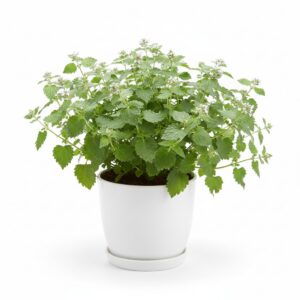
Chenille Plant, with its whimsical, fuzzy, caterpillar-like blooms, is a delightful addition to any plant collection. Its vibrant red, sometimes pink, flowers cascade gracefully, creating a playful and eye-catching display. The soft texture of the blooms is simply irresistible, inviting gentle touches. Beyond its unique appearance, the Chenille Plant is relatively easy to care for, making it a rewarding choice for both novice and experienced plant enthusiasts. It brings a touch of the tropics indoors, adding a vibrant splash of color and personality to any space. Its long-lasting blooms provide months of enjoyment, and its easy propagation makes it a perfect plant to share with friends and family. Chenille Plant adds texture and visual interest, setting it apart from typical flowering houseplants.
The Story
The Chenille Plant, scientifically known as Acalypha hispida, originates from tropical regions of Southeast Asia, specifically Malaysia and Indonesia. In its native habitat, it thrives in warm, humid conditions, often found growing as an understory plant in forests. The plant was introduced to Europe and other parts of the world in the 19th century and quickly gained popularity as an ornamental plant. The name "Chenille Plant" aptly describes the unique texture of its flowers, which resemble the soft, fuzzy chenille fabric. While not steeped in deep cultural significance, the plant is widely appreciated for its aesthetic appeal and is often used in landscaping and as a decorative houseplant. Its exotic appearance has contributed to its widespread cultivation in tropical and subtropical regions worldwide.
Complete Care Guide
Chenille Plants thrive in bright, indirect light. Water thoroughly when the top inch of soil feels dry, ensuring good drainage to prevent root rot. Maintain humidity levels around 60-70% by misting regularly or using a humidifier. Fertilize every 2-4 weeks during the growing season (spring and summer) with a balanced liquid fertilizer diluted to half strength. Prune regularly to maintain shape and encourage bushier growth and more blooms. Repot in spring every 1-2 years into a slightly larger pot with well-draining potting mix. Keep temperatures between 65-80°F (18-27°C). Protect from drafts and sudden temperature changes. Monitor for pests like spider mites and mealybugs and treat promptly. Provide air circulation to prevent fungal diseases. Ensure proper drainage to avoid root rot.
Light Requirements
Chenille Plants require bright, indirect light to thrive and produce abundant blooms. Direct sunlight can scorch their leaves, so avoid placing them in south-facing windows without some form of shading. East or west-facing windows are ideal, providing sufficient light without the harsh intensity. If the plant is not receiving enough light, the leaves may become pale, and blooming may be reduced. Rotate the plant regularly to ensure even light exposure on all sides. In darker environments, consider supplementing with a grow light to provide the necessary light intensity for healthy growth and flowering.
Seasonal Care
Spring
In spring, repot your Chenille Plant if needed and increase watering and fertilization as new growth emerges. Provide bright, indirect light to encourage blooming.
Summer
During summer, maintain consistent watering and fertilization. Increase humidity levels by misting regularly. Provide shade during the hottest part of the day to prevent leaf scorch.
Fall
In fall, reduce watering and fertilization as growth slows down. Prepare the plant for dormancy by providing slightly cooler temperatures.
Winter
During winter, reduce watering significantly and withhold fertilization. Provide bright, indirect light and protect from cold drafts. Allow the plant to rest before the next growing season.
The Life of Your Chenille Plant
Seedling / Juvenile
Young Chenille Plants require consistent moisture and warm temperatures. Keep the soil consistently moist, but not waterlogged. Provide bright, indirect light and protect from drafts. Fertilize lightly with a diluted balanced fertilizer every 4-6 weeks to encourage growth.
Adolescent
As the plant matures, continue to provide bright, indirect light and regular watering. Increase the frequency of fertilization to every 2-4 weeks during the growing season. Prune lightly to encourage branching and bushier growth.
Mature
During the blooming period, maintain consistent watering and fertilization. Provide high humidity to prolong the life of the blooms. Remove spent flowers to encourage further blooming. Ensure adequate air circulation to prevent fungal diseases.
Established
After the blooming period, reduce watering slightly and continue to fertilize every 4-6 weeks. Prune back any leggy growth to maintain shape. Provide a slightly cooler environment to encourage dormancy and prepare for the next blooming season.
Propagation Guide
Chenille Plants can be easily propagated from stem cuttings. Take a 4-6 inch cutting from a healthy stem, removing the lower leaves. Dip the cut end in rooting hormone and plant it in a well-draining potting mix. Keep the soil moist and provide high humidity by covering the cutting with a plastic bag or placing it in a propagation chamber. Roots should develop in 4-6 weeks. Division is also possible during repotting, separating the root ball carefully. Keiki propagation is not applicable to Chenille plants. Ensure the cutting receives bright, indirect light. Once rooted, transplant into a larger pot and care for as a mature plant.
Expert Knowledge
Chenille Plants benefit from regular pruning to maintain shape and encourage bushier growth. Pinching back the tips of the stems promotes branching and increases the number of flower spikes. To encourage blooming, use a fertilizer high in phosphorus. Monitor humidity levels closely, as dry air can lead to brown leaf edges. Proper air circulation is crucial to prevent fungal diseases. Consider using a self-watering pot to maintain consistent soil moisture.
Troubleshooting
Yellow leaves
Yellow leaves can indicate overwatering, underwatering, or nutrient deficiencies. Adjust watering practices and fertilize with a balanced fertilizer.
Brown leaf edges
Brown leaf edges are often caused by dry air or inconsistent watering. Increase humidity and ensure consistent soil moisture.
Drooping leaves
Drooping can be a sign of underwatering or root rot. Check the soil moisture and drainage, and adjust watering accordingly.
Root rot
Root rot is caused by overwatering and poor drainage. Repot the plant in fresh, well-draining soil and reduce watering frequency.
Pests
Pests such as spider mites and mealybugs can infest Chenille Plants. Treat with insecticidal soap or neem oil.
Frequently Asked Questions
What are the ideal light conditions?
Chenille Plants need bright, indirect light. Avoid direct sunlight, which can scorch the leaves.
How often should I water?
Water Chenille Plants when the top inch of soil feels dry. Ensure good drainage to prevent root rot.
When should I repot?
Repot Chenille Plants every 1-2 years in spring, using a well-draining potting mix.
Is it toxic to pets?
Chenille Plant is considered mildly toxic to pets and children. Ingestion can cause irritation.
How big will it grow?
Indoors, Chenille Plants can grow to be 2-4 feet tall and wide, depending on growing conditions.
Can I propagate at home?
Yes, Chenille Plants can be propagated at home using stem cuttings.