
Why You'll Love It
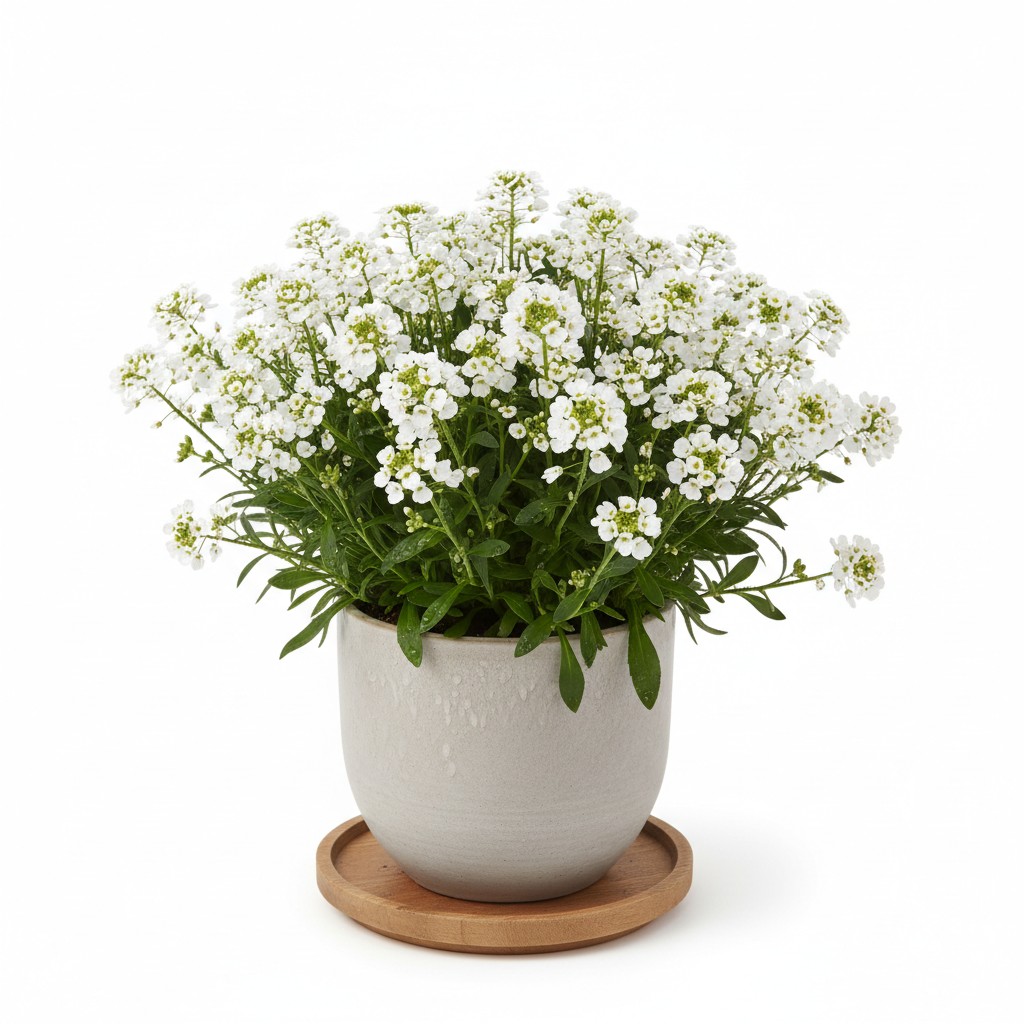
Candytuft, with its masses of snow-white or pastel-colored blooms, is a delightful addition to any garden or container planting. Plant lovers are drawn to its charming, delicate appearance and the way it effortlessly brightens up any space. The flowers, often fragrant, attract butterflies and other pollinators, adding to the garden's biodiversity and visual appeal.
Candytuft is relatively easy to care for, making it a great choice for both beginner and experienced gardeners. Its ability to thrive in sunny locations and well-drained soil makes it a versatile plant for various garden settings. The long blooming period, often extending from spring into summer, provides a continuous display of beauty, ensuring a visually pleasing landscape for an extended period. The dense, compact growth habit also makes it an excellent choice for edging, rock gardens, or spilling over the edges of containers.
The Story
Candytuft, scientifically known as Iberis, originates from the Mediterranean region, particularly Southern Europe and North Africa. Its natural habitat includes rocky slopes, open woodlands, and coastal areas where it thrives in well-drained, often alkaline soils. The name "Iberis" is derived from Iberia, the ancient name for the Iberian Peninsula, reflecting its origin.
Historically, Candytuft has been cultivated for its ornamental value for centuries. It gained popularity in European gardens during the Renaissance and has been a staple in cottage gardens ever since. The common name "Candytuft" is believed to come from the plant's resemblance to tufts of candy or the town of Candia (now Heraklion) on the island of Crete, where it was once thought to originate. While it doesn't hold significant cultural symbolism, its widespread use in gardens signifies beauty, resilience, and the arrival of spring.
Complete Care Guide
Candytuft thrives in full sun, requiring at least six hours of direct sunlight daily for optimal blooming. Plant in well-draining soil, ideally a sandy or loamy mix with a slightly alkaline pH. Water regularly, especially during dry periods, but avoid overwatering to prevent root rot. Allow the soil to dry slightly between waterings.
Fertilize Candytuft in early spring with a balanced fertilizer to promote healthy growth and abundant blooms. Deadhead spent flowers to encourage continued blooming throughout the season. Prune lightly after flowering to maintain a compact shape and prevent legginess. Provide good air circulation to prevent fungal diseases. Protect from frost in colder climates, as Candytuft is generally hardy but may need some protection during severe winters.
Light Requirements
Candytuft demands ample sunlight to flourish. Aim for at least six hours of direct sunlight daily. A south-facing location is ideal, providing the most intense sunlight. If grown indoors, place Candytuft near a sunny window. Insufficient light can lead to leggy growth, reduced blooming, and pale foliage.
If natural light is limited, consider supplementing with grow lights. Position the lights 6-12 inches above the plant and provide 12-14 hours of light per day. Rotate the plant regularly to ensure even light exposure on all sides. Monitor the foliage for signs of light stress, such as scorching, which indicates too much light, or pale leaves, indicating insufficient light.
Seasonal Care
Spring
In spring, fertilize Candytuft with a balanced fertilizer to promote healthy growth and abundant blooms. Deadhead spent flowers regularly to encourage continued blooming.
Summer
During summer, provide adequate water, especially during hot weather. Monitor for pests and diseases and address any issues promptly. Provide shade during the hottest part of the day if necessary.
Fall
In fall, prune lightly to maintain shape and prevent legginess. Reduce watering slightly as the plant enters a period of dormancy. Collect seeds for propagation if desired.
Winter
In winter, protect Candytuft from frost in colder climates. Mulch around the base of the plant to insulate the roots. Reduce watering significantly.
The Life of Your Candytuft
Seedling / Juvenile
During the seedling stage, provide consistent moisture without overwatering. Ensure seedlings receive adequate light, either natural or supplemental. Harden off seedlings gradually before transplanting outdoors to acclimate them to outdoor conditions.
Adolescent
As Candytuft develops, continue to provide ample sunlight and well-draining soil. Monitor for pests and diseases and address any issues promptly. Begin light fertilization to support healthy growth.
Mature
During the blooming period, deadhead spent flowers regularly to encourage continued blooming. Provide adequate water, especially during hot weather. Monitor for signs of stress, such as wilting or yellowing leaves.
Established
After flowering, prune lightly to maintain shape and prevent legginess. Reduce watering slightly as the plant enters a period of dormancy. Fertilize lightly to replenish nutrients in the soil.
Propagation Guide
Candytuft can be propagated through division, stem cuttings, and seeds. Division is best done in spring or fall. Carefully dig up the plant and divide the root ball into smaller clumps, ensuring each clump has healthy roots and foliage. Replant the divisions immediately.
For stem cuttings, take 4-6 inch cuttings from healthy stems in spring or summer. Remove the lower leaves and dip the cut end in rooting hormone. Plant the cuttings in a well-draining potting mix and keep them moist until roots develop.
Seeds can be sown directly into the garden in spring or fall. Sow the seeds thinly and cover them lightly with soil. Keep the soil moist until germination occurs.
Expert Knowledge
To encourage bushier growth, pinch back the tips of young plants. Candytuft prefers slightly alkaline soil, so consider adding lime to the soil if it is too acidic. Regularly remove any dead or decaying foliage to prevent disease. Candytuft can be susceptible to fungal diseases in humid conditions, so ensure good air circulation. Over-fertilizing can lead to leggy growth and reduced blooming, so fertilize sparingly.
Troubleshooting
Yellow leaves
Yellow leaves can indicate overwatering, nutrient deficiencies, or poor drainage. Adjust watering habits, fertilize with a balanced fertilizer, and ensure the soil is well-draining.
Brown leaf edges
Brown edges often result from underwatering or dry air. Increase watering frequency and consider increasing humidity around the plant.
Drooping leaves
Drooping can be caused by underwatering, root rot, or excessive heat. Check soil moisture, ensure proper drainage, and provide shade during the hottest part of the day.
Root rot
Root rot is typically caused by overwatering and poor drainage. Improve drainage by adding perlite or sand to the soil. Allow the soil to dry out between waterings. In severe cases, repot the plant with fresh soil.
Pests
Common pests include aphids and spider mites. Treat infestations with insecticidal soap or neem oil. Ensure good air circulation to prevent pest problems.
Frequently Asked Questions
What are the ideal light conditions?
Candytuft needs at least six hours of direct sunlight daily for optimal growth and blooming.
How often should I water?
Water Candytuft when the top inch of soil feels dry. Avoid overwatering to prevent root rot.
When should I repot?
Repot Candytuft only if it becomes root-bound or if the soil is depleted. Use a well-draining potting mix.
Is it toxic to pets?
Candytuft is generally considered non-toxic to pets and children, but ingestion may cause mild digestive upset.
How big will it grow?
Candytuft typically grows to a height of 6-12 inches and spreads 12-18 inches wide.
Can I propagate at home?
Yes, Candytuft can be easily propagated at home through division, stem cuttings, and seeds.


