Why You'll Love It
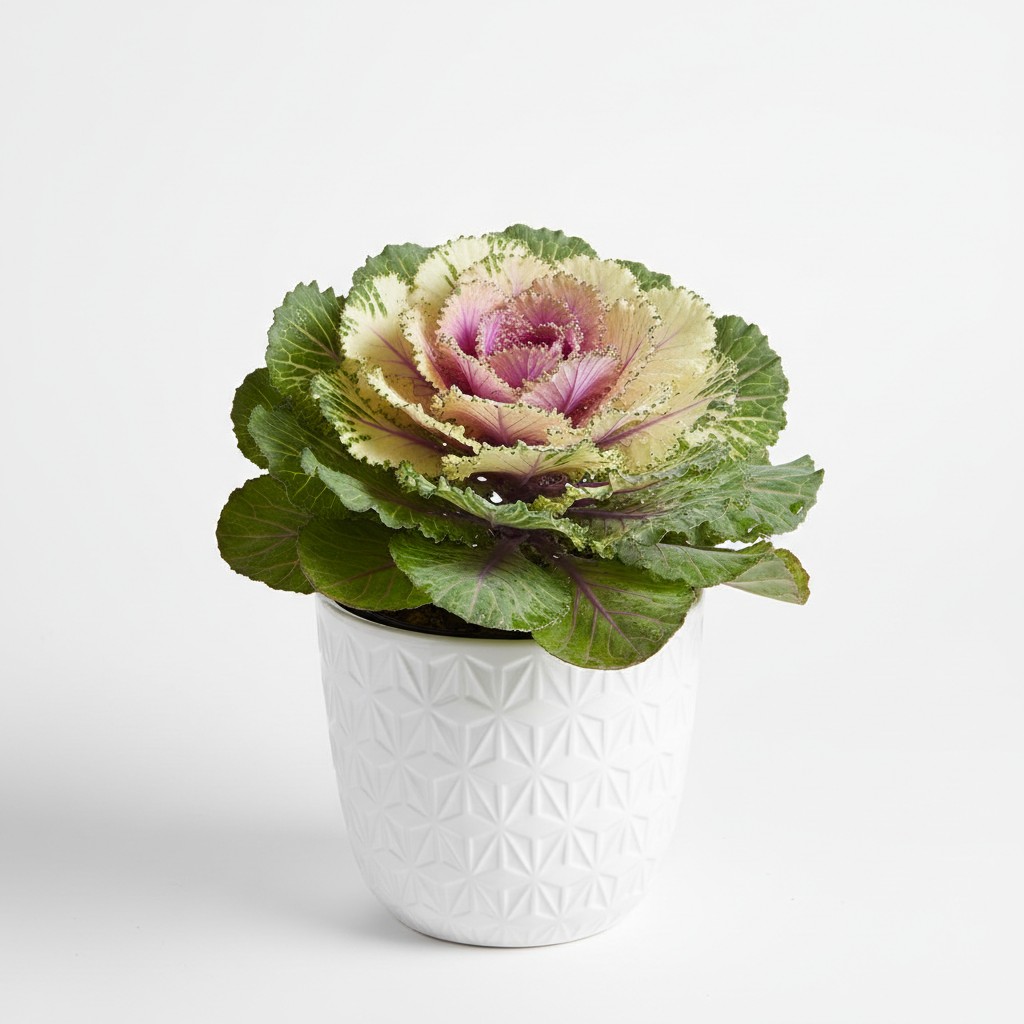
Flowering Cabbage, also known as ornamental cabbage, is a captivating addition to any garden or container arrangement. Its vibrant, rosette-shaped heads boast stunning colors ranging from creamy whites and soft pinks to deep purples and vibrant reds. Unlike edible cabbage, flowering cabbage is grown for its ornamental value, providing a burst of color when many other plants are fading. It is particularly cherished for its ability to withstand cooler temperatures, making it an ideal choice for fall and winter displays. Plant lovers adore flowering cabbage for its unique texture, long-lasting beauty, and ability to add a touch of elegance to any space. Its versatility allows it to be used in mass plantings, borders, or as a focal point in containers. The contrasting colors and ruffled leaves create a visually appealing display that is sure to impress.
The Story
Flowering cabbage, scientifically known as Brassica oleracea, originates from wild cabbage found in coastal regions of Europe. Its cultivation dates back centuries, with various forms of cabbage being developed for both culinary and ornamental purposes. While its exact history as a purely ornamental plant is less documented than its edible counterparts, its popularity has grown significantly in recent decades. The plant's ability to thrive in cooler climates has made it a staple in fall and winter gardens across North America, Europe, and Asia. While not deeply rooted in folklore or mythology, flowering cabbage is often associated with the beauty and resilience of nature, particularly during the transition seasons. Its vibrant colors bring cheer to landscapes as other plants begin to fade, symbolizing the enduring beauty of the natural world.
Complete Care Guide
Flowering cabbage requires well-draining soil and prefers full sun to partial shade, although full sun will result in the best color development. Water regularly, keeping the soil consistently moist but not waterlogged. Fertilize every 2-3 weeks with a balanced fertilizer during the growing season to encourage vibrant colors and healthy growth. Remove any yellowing or damaged leaves to maintain the plant's appearance and prevent disease. Protect from extreme cold temperatures if possible, as prolonged freezing can damage the foliage. Plant in a location with good air circulation to prevent fungal diseases. Monitor for pests such as aphids and cabbage worms, and treat as needed. Regular deadheading is not required as flowering cabbage is grown for its foliage, not flowers. Ensure adequate spacing between plants to allow for proper air circulation and growth. Provide support if necessary, especially for taller varieties.
Light Requirements
Flowering cabbage thrives in full sun, requiring at least six hours of direct sunlight per day to develop its most vibrant colors. While it can tolerate partial shade, the colors may be less intense. When planting in a container, choose a location that receives ample sunlight throughout the day. If growing indoors, place the plant near a sunny window. Rotate the plant regularly to ensure even light exposure and prevent it from leaning towards the light source. Insufficient light can lead to leggy growth and dull colors. If natural light is limited, consider supplementing with artificial grow lights. During the shorter days of fall and winter, supplemental lighting can help maintain the plant's health and appearance.
Seasonal Care
Spring
In spring, start seeds indoors for transplanting later. Harden off seedlings before planting outdoors after the last frost. Provide regular watering and fertilization to encourage healthy growth. Monitor for pests and diseases.
Summer
During the summer, flowering cabbage may struggle in hot weather. Provide partial shade to protect the plant from excessive heat. Water regularly to keep the soil consistently moist. Monitor for pests and diseases.
Fall
Fall is the ideal time to plant flowering cabbage, as the cooler temperatures will enhance its colors. Provide full sun for optimal color development. Continue to water regularly and fertilize as needed.
Winter
Flowering cabbage can tolerate light frost, but protect from prolonged freezing temperatures. Mulch around the base of the plant to insulate the roots. Avoid overwatering during the winter months.
The Life of Your Cabbage
Seedling / Juvenile
Start seeds indoors 6-8 weeks before the last expected frost. Use a well-draining seed-starting mix. Keep the soil consistently moist and provide adequate light. Transplant seedlings outdoors after the danger of frost has passed, spacing them appropriately.
Adolescent
As the plant grows, continue to provide regular watering and fertilization. Monitor for pests and diseases. Provide support if necessary to prevent the plant from toppling over. Ensure adequate air circulation to prevent fungal problems.
Mature
During the active growing season, flowering cabbage will display its most vibrant colors. Continue to provide regular watering and fertilization. Remove any yellowing or damaged leaves to maintain the plant's appearance.
Established
Flowering cabbage is typically grown as an annual, meaning it completes its life cycle in one growing season. After the plant has reached its peak, it will eventually begin to decline. At this point, it can be removed from the garden or container.
Propagation Guide
Flowering cabbage is typically grown from seed, but propagation through stem cuttings is possible, although less common. Take stem cuttings from healthy, non-flowering shoots. Remove the lower leaves and dip the cut end in rooting hormone. Plant the cutting in a well-draining rooting medium. Keep the medium consistently moist and provide adequate light. Rooting should occur within a few weeks. Division is not a practical method for flowering cabbage, and keikis do not form. Propagation from seed is the most reliable method. Collect seeds from mature plants and store them in a cool, dry place until planting.
Expert Knowledge
To maximize color intensity, expose flowering cabbage to cool temperatures and full sun. Avoid over-fertilizing, as this can result in excessive green growth and reduced color. Choose varieties that are well-suited to your local climate. Consider using flowering cabbage in combination with other fall and winter plants to create a visually appealing display. Regularly inspect the plant for signs of pests and diseases, and take action promptly to prevent widespread damage. Remember that while ornamental, flowering cabbage is still related to edible varieties, so using organic pest control methods is advisable if you plan to compost the plant later.
Troubleshooting
Yellow leaves
Yellow leaves can indicate overwatering, underwatering, or nutrient deficiencies. Check the soil moisture and adjust watering accordingly. Fertilize with a balanced fertilizer to address nutrient deficiencies. Ensure proper drainage to prevent root rot.
Brown leaf edges
Brown edges can be caused by dry air, excessive fertilization, or salt buildup in the soil. Increase humidity by misting the plant regularly. Reduce fertilizer applications and flush the soil with water to remove salt buildup.
Drooping leaves
Drooping can be a sign of underwatering or root rot. Check the soil moisture and water thoroughly if dry. If the soil is waterlogged, allow it to dry out before watering again. Ensure proper drainage to prevent root rot.
Root rot
Root rot is caused by overwatering and poor drainage. Remove the affected plant from the soil and trim away any damaged roots. Replant in fresh, well-draining soil. Ensure proper drainage to prevent future occurrences.
Pests
Common pests include aphids and cabbage worms. Treat infestations with insecticidal soap or neem oil. Regularly inspect the plant for signs of pests and take action promptly to prevent widespread damage.
Frequently Asked Questions
What are the ideal light conditions?
Flowering cabbage needs at least 6 hours of direct sunlight daily for best color.
How often should I water?
Water regularly, keeping the soil consistently moist but not waterlogged.
When should I repot?
Repotting is not usually necessary as it's grown as an annual.
Is it toxic to pets?
Flowering cabbage is generally considered non-toxic to pets and children.
How big will it grow?
Flowering cabbage typically grows 12-18 inches tall and wide.
Can I propagate at home?
Flowering cabbage is typically propagated from seed.