Why You'll Love It
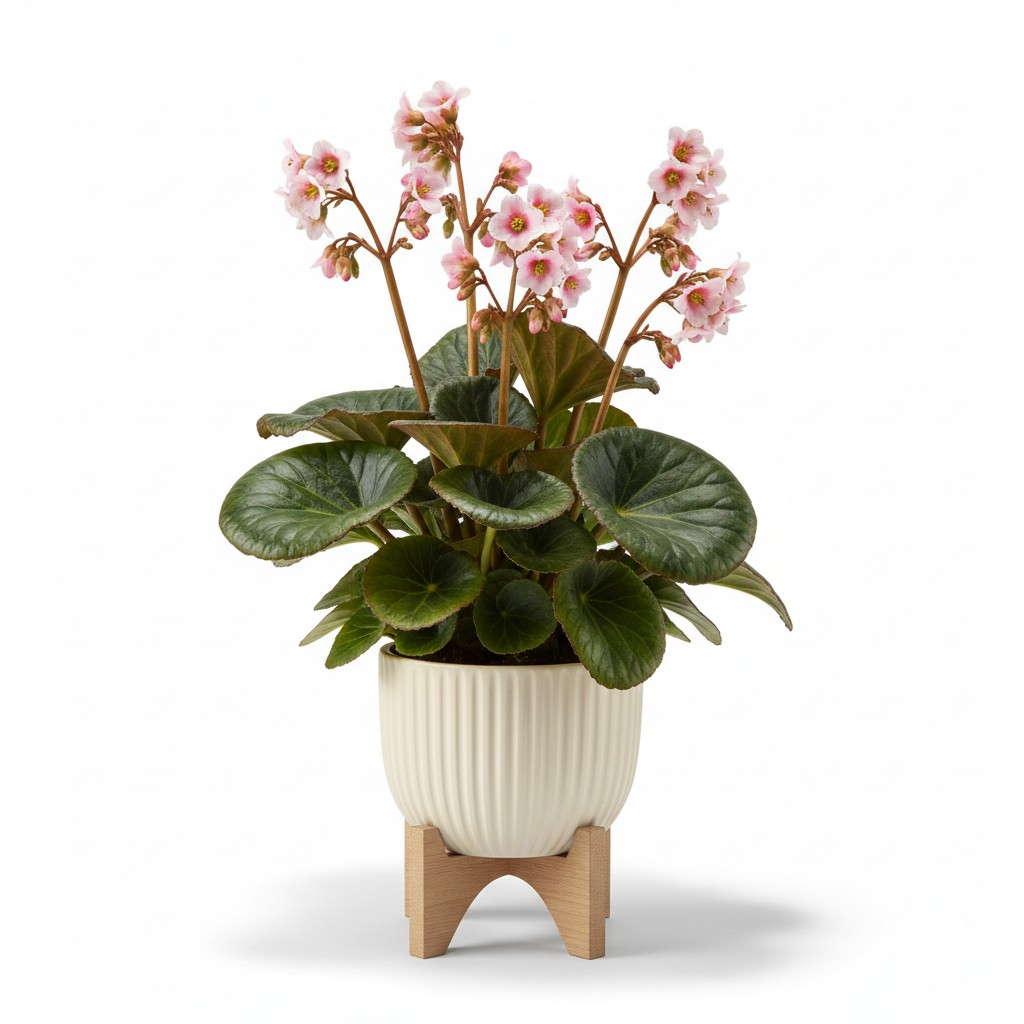
Bergenia, often called Elephant's Ears due to its large, leathery leaves, is a delightful addition to any garden. Its low-maintenance nature makes it perfect for both beginner and experienced gardeners. The striking foliage provides year-round interest, turning bronze or reddish in the cooler months, adding a splash of color even in winter. The clusters of bell-shaped flowers, typically in shades of pink or purple, bloom in spring, creating a beautiful display. Bergenia is also incredibly versatile, thriving in various conditions and adding texture to borders, rock gardens, or containers. Its ability to attract pollinators further enhances its appeal. Gardeners appreciate its resilience and the unique architectural presence it brings to outdoor spaces.
The Story
Bergenia is native to Central Asia, specifically the mountainous regions of Siberia, Mongolia, and the Himalayas. The genus is named after the German botanist and physician Karl August von Bergen. Historically, Bergenia has been used in traditional medicine in some parts of Asia, with its roots and leaves believed to possess medicinal properties. In gardening, Bergenia became popular for its hardiness and ornamental value, being introduced to European gardens in the 18th century. Its ability to thrive in challenging conditions, combined with its attractive foliage and flowers, has made it a staple in gardens worldwide. Different varieties have been developed over time, showcasing a range of flower colors and leaf shapes.
Complete Care Guide
Bergenia prefers partial shade to full sun, with some afternoon shade in hotter climates. Water regularly, especially during dry periods, but avoid waterlogging. Well-draining soil is essential. Fertilize in early spring with a balanced fertilizer to promote healthy growth and flowering. Remove faded flower stalks to encourage further blooms and maintain a tidy appearance. Divide clumps every few years to prevent overcrowding and rejuvenate the plant. Bergenia is generally low-maintenance and pest-resistant, but watch out for slugs and snails. Mulch around the base of the plant to retain moisture and suppress weeds. Regular deadheading will also keep the plant looking its best.
Light Requirements
Bergenia thrives best in partial shade, especially in warmer climates. Morning sun and afternoon shade are ideal. In cooler regions, Bergenia can tolerate more direct sunlight. Too much intense sun can scorch the leaves, while too little light may result in fewer flowers and less vibrant foliage color. When planting Bergenia, consider the amount of sunlight the area receives throughout the day. If the leaves start to turn pale or yellow, it may be a sign of too much sun. Conversely, if the plant is not flowering well, it may need more light. Adjust the plant's location or provide shade as needed to ensure optimal growth.
Seasonal Care
Spring
In spring, remove any dead or damaged foliage. Fertilize with a balanced fertilizer to promote new growth and flowering. Water regularly, especially during dry periods. Monitor for pests and diseases.
Summer
Provide shade during the hottest part of the day. Water deeply during dry periods. Deadhead spent flowers to encourage further blooming. Monitor for pests and diseases.
Fall
Divide plants if necessary. Reduce watering as temperatures cool. Remove any dead or damaged foliage. Prepare the plant for winter by mulching around the base.
Winter
Protect the plant from frost by mulching heavily around the base. Avoid overwatering. The foliage will often turn bronze or reddish during the winter months.
The Life of Your Bergenia
Seedling / Juvenile
When starting Bergenia from seed, sow indoors in early spring. Keep the seedlings in a bright, indirect light location. Ensure the soil is consistently moist, but not waterlogged. Once the seedlings have developed several sets of true leaves, gradually acclimate them to outdoor conditions before transplanting.
Adolescent
As Bergenia develops, provide regular watering and fertilization. Monitor the plant for any signs of pests or diseases. Ensure proper air circulation to prevent fungal problems. Prune any dead or damaged leaves to maintain a healthy appearance.
Mature
During the blooming period, provide adequate moisture and fertilize with a bloom-boosting fertilizer. Deadhead spent flowers to encourage further flowering. Protect the plant from extreme heat or frost.
Established
After flowering, reduce watering slightly and continue to fertilize occasionally. Divide the plant every few years to prevent overcrowding and rejuvenate growth. Remove any dead or damaged foliage.
Propagation Guide
Bergenia can be easily propagated by division. In spring or fall, carefully dig up the plant and divide the rhizomes into smaller sections, ensuring each section has roots and leaves. Replant the divisions in well-draining soil and water thoroughly. Stem cuttings are less common, but can be taken in spring. Take a cutting with several leaves, dip the cut end in rooting hormone, and plant in moist potting mix. Keep the cutting in a humid environment until roots develop. Keiki propagation is not applicable to Bergenia.
Expert Knowledge
Bergenia's foliage color intensifies in colder temperatures, making it a valuable addition to winter gardens. Different varieties offer varying flower colors and leaf shapes, allowing for diverse landscaping options. Bergenia is relatively drought-tolerant once established. The plant's rhizomes can be susceptible to rot in poorly drained soil. Consider using Bergenia as a ground cover to suppress weeds. Deadheading regularly will prolong the blooming period. Bergenia can tolerate a wide range of soil types, but prefers well-draining soil.
Troubleshooting
Yellow leaves
Yellow leaves can indicate overwatering or poor drainage. Ensure the soil is well-draining and reduce watering frequency. Check for signs of root rot and treat accordingly.
Brown leaf edges
Brown edges on leaves can be caused by underwatering or excessive sun exposure. Increase watering frequency and provide shade during the hottest part of the day.
Drooping leaves
Drooping leaves can be a sign of underwatering or heat stress. Water deeply and provide shade during the hottest part of the day. Ensure the soil is moist but not waterlogged.
Root rot
Root rot is caused by overwatering and poor drainage. Improve soil drainage and reduce watering frequency. Treat with a fungicide if necessary.
Pests
Slugs and snails can be a problem for Bergenia. Use slug pellets or traps to control these pests. Inspect the plant regularly for signs of infestation.
Frequently Asked Questions
What are the ideal light conditions?
Bergenia prefers partial shade to full sun. In hotter climates, afternoon shade is essential.
How often should I water?
Water Bergenia regularly, especially during dry periods. Avoid overwatering and ensure well-draining soil.
When should I repot?
Repot Bergenia every few years when it becomes root-bound. Use a well-draining potting mix.
Is it toxic to pets?
Bergenia is generally considered non-toxic to pets and children.
How big will it grow?
Bergenia typically grows to be 1 to 1.5 feet tall and wide.
Can I propagate at home?
Yes, Bergenia can be easily propagated by division in spring or fall.