
Potato vs Pulmonaria Plant Comparison
Compare these two plants side by side — care needs, key differences, and which is right for your home.

Potato
Solanum tuberosum
The potato is a starchy tuberous crop from the perennial nightshade Solanum tuberosum. While technically perennial, it is typically cultivated as an annual. Potatoes are grown for their edible tubers, which are underground stems modified for food storage. The plant itself features leafy green foliage and can produce small white or purple flowers, though flowering is not essential for tuber production. Potatoes are a staple food crop worldwide, valued for their nutritional content and versatility in cooking. Growing potatoes indoors is challenging and typically done for novelty rather than substantial yield.
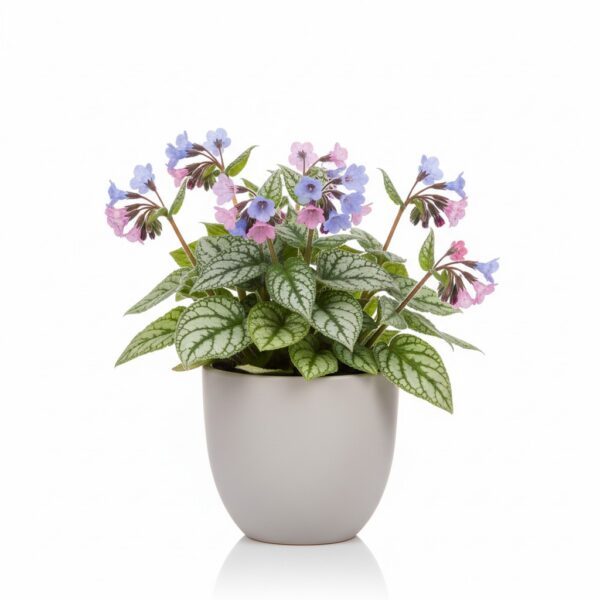
Pulmonaria
Pulmonaria officinalis
Pulmonaria officinalis, commonly known as lungwort, is a herbaceous perennial plant native to Europe. It is characterized by its distinctive spotted leaves, which are typically green with white or silver markings. The plant forms a low-growing clump and produces clusters of small, bell-shaped flowers that change color from pink to blue as they mature. Lungwort is primarily grown outdoors in gardens for its attractive foliage and early spring blooms. It thrives in shady, woodland-like conditions. While it can be attempted indoors, it requires very specific conditions and is generally not well-suited for indoor cultivation.
Quick Plant Comparison
| Feature | Potato | Pulmonaria |
|---|---|---|
| Light | Full sun (at least 6-8 hours of direct sunlight daily) | Partial shade to full shade. Avoid direct sunlight, especially during the hottest part of the day. |
| Watering | Every 2-3 days outdoors during the growing season, less frequently indoors depending on light and temperature. | Every 3-5 days, depending on environmental conditions |
| Humidity | 40-60% | 40-60% |
| Temperature | 15-24°C | 13-18°C |
| Care Level | Expert | Expert |
| Growth Rate | Moderate | Moderate |
| Max Height | 0.6-1 meter outdoors; smaller indoors (0.3-0.6 meter) | 20-30 cm (indoors unlikely to reach this) |
| Pet Safety | ❌ Toxic To Pets | ❌ Toxic To Pets |
| Soil | Well-draining, slightly acidic soil rich in organic matter. A mix of potting soil, compost, and perlite is suitable. | Well-draining, humus-rich soil |
| Beginner Friendly | ❌ No | ❌ No |
| Weekly Maintenance | 30-60 minutes weekly during the growing season (weeding, watering, pest control). | 15 minutes weekly (outdoor) |
🔬 Botanical Information — Comparing These Plants
Potato
| Scientific Name | Solanum tuberosum |
|---|---|
| Family | Solanaceae |
| Native To | Andes Mountains of South America |
| Also Known As | Potato, Irish potato, White potato |
| Leaves | Potato leaves are compound, meaning they are made up of multiple leaflets. The leaflets are oval-shaped, green, and have a slightly rough texture. |
| Flowers | Potato plants can produce small, star-shaped flowers that are typically white or purple. Flowering is not essential for tuber production and may not occur in all varieties or growing conditions. Flowering is rare indoors. |
Pulmonaria
| Scientific Name | Pulmonaria officinalis |
|---|---|
| Family | Boraginaceae |
| Native To | Europe |
| Also Known As | Lungwort, Common Lungwort, Jerusalem Cowslip, Spotted Dog |
| Leaves | The leaves of Pulmonaria are ovate to lance-shaped, typically 10-25 cm long, and have a rough texture. They are usually green with distinctive white or silver spots, although some varieties have more pronounced variegation. The spots are caused by air pockets within the leaf tissue. |
| Flowers | Pulmonaria produces clusters of small, bell-shaped flowers in early spring. The flowers are typically pink when they first open, then gradually turn blue as they mature. This color change is due to changes in pH levels within the petals. Flowering is unlikely indoors. |
📏 Size & Growth — Plant Comparison
Potato
Pulmonaria
🌱 Propagation — Comparing Plant Growth
Potato
Methods: Seed tubers (small potatoes), cutting tubers into pieces with 'eyes' (sprouts)
Difficulty: Easy
Tips: Allow cut tubers to callous over for a few days before planting to prevent rot. Plant with the eyes facing upwards.
Pulmonaria
Methods: Division, Seed
Difficulty: Moderate
Tips: Divide established clumps in early spring or fall. Sow seeds in a cold frame in autumn or early spring.
✨ Benefits & Features — Comparing Plant Value
Potato
Potatoes are unique for their edible tubers, which are modified underground stems. They are a staple food crop worldwide and can be prepared in numerous ways.
- ✓ Provides fresh, homegrown food.
- ✓ Offers a rewarding gardening experience.
- ✓ Can be a fun project for families.
- ✓ Supports sustainable living.
- ✓ Offers a connection to nature.
- ⚠️ Toxic to pets
Pulmonaria
The most unique characteristic of Pulmonaria is its spotted leaves, which provide visual interest even when the plant is not in bloom. The flowers also change color from pink to blue as they mature, adding another layer of appeal. It is also relatively deer-resistant.
- ✓ Attracts pollinators to your garden.
- ✓ Adds visual interest with its unique spotted foliage.
- ✓ Provides early spring color to shady areas.
- ✓ Deer-resistant, protecting your garden from damage.
- ✓ Can be used as a ground cover in woodland gardens.
- ⚠️ Toxic to pets
📅 Maintenance Schedule — Plant Care Comparison
Potato
Pulmonaria
🌞 Light Requirements
Potato
Full sun (at least 6-8 hours of direct sunlight daily)
Low light tolerant: ❌ No
Pulmonaria
Partial shade to full shade. Avoid direct sunlight, especially during the hottest part of the day.
Low light tolerant: ❌ No
💧 Watering Needs
Potato
Water deeply when the top inch of soil feels dry. Avoid overwatering, which can lead to tuber rot. Ensure good drainage. Signs of overwatering include yellowing leaves and a musty smell. Underwatering results in wilting and stunted growth.
Pulmonaria
Keep the soil consistently moist, but not waterlogged. Water when the top inch of soil feels dry to the touch. Overwatering can lead to root rot, while underwatering can cause the leaves to wilt and brown. Ensure good drainage.
🌡️ Temperature & Humidity
Potato
Temperature: 15-24°C
Humidity: 40-60%
Pulmonaria
Temperature: 13-18°C
Humidity: 40-60%
🤔 Which Plant Is Right For You?
Potato
Solanum tuberosumGardeners with outdoor space who want to grow their own food.
✅ Choose This Plant If...
- You have ample outdoor space and full sun.
- You enjoy gardening and want to grow your own food.
- You are interested in a challenging gardening project.
- You want to experience the satisfaction of harvesting your own potatoes.
- You understand the plant's toxicity to pets and can keep it away from them.
❌ Skip This Plant If...
- You have limited sunlight indoors.
- You have pets that might ingest the plant.
- You are looking for an easy-to-grow indoor plant.
- You don't have outdoor space.
- You are primarily interested in ornamental plants.
Pulmonaria
Pulmonaria officinalisExperienced gardeners looking for a shade-loving plant with unique foliage and early spring blooms in an outdoor garden.
✅ Choose This Plant If...
- You want a shade-loving plant with unique spotted foliage.
- You appreciate early spring blooms that attract pollinators.
- You are looking for a deer-resistant plant for your garden.
- You enjoy plants with interesting color-changing flowers.
- You have a cool, shady spot in your garden that needs some color.
❌ Skip This Plant If...
- You are looking for an easy-to-grow indoor plant.
- You have pets that might ingest the plant.
- You do not have a cool, shady outdoor space.
🎯 Quick Verdict
⚡ Key Differences Between These Plants
Both plants have similar basic care requirements but differ in appearance and specific needs. Compare plants carefully to find the best fit for your space.
💡 Pro Tips For Comparing These Plants
Potato Care Tips
Potatoes are primarily outdoor plants and require full sun and consistent moisture. Growing them indoors is challenging due to light requirements and space limitations. Expect a significantly reduced yield compared to outdoor cultivation. Requires careful monitoring for pests and diseases.
- Start with certified disease-free seed potatoes.
- Ensure well-draining soil to prevent tuber rot.
- Hill the soil around the stems to encourage tuber development.
- Monitor regularly for pests and diseases.
- Harvest potatoes when the foliage starts to die back.
Pulmonaria Care Tips
Pulmonaria is primarily an outdoor plant that prefers cool, shady conditions. Indoor cultivation is challenging due to the need for consistent moisture, high humidity, and cool temperatures. It is prone to fungal diseases and root rot if not properly cared for indoors. Requires very bright indirect light, which is difficult to provide indoors.
- Provide consistent moisture, especially during dry periods.
- Protect from direct sunlight to prevent leaf scorch.
- Amend the soil with compost or leaf mold to improve drainage and fertility.
- Divide plants every few years to prevent overcrowding.
- Monitor for pests and diseases regularly.
⚠️ Common Problems & Solutions — Plant Care Comparison
Potato
Pulmonaria
❓ Frequently Asked Questions — Comparing These Plants
Potato
What are the light requirements for Potato?
Potato plants grown for their flowers need ample sunlight to bloom profusely. Aim for at least six hours of direct sunlight per day. An east- or south-facing window is ideal for indoor plants. If natural light is insufficient, supplement with grow lights. Insufficient light can lead to leggy growth and reduced flowering. Rotate the plant regularly to ensure even light exposure. During the summer months, protect plants from intense afternoon sun to prevent leaf scorch. Observe the plant’s growth habit; if stems are stretching towards the light, it needs more illumination. Proper lighting is crucial for healthy growth and vibrant blooms.
How do I care for Potato?
Potato plants thrive in well-draining soil and require consistent moisture, especially during flowering. Water thoroughly when the top inch of soil feels dry, avoiding overwatering to prevent root rot. They need at least six hours of sunlight daily to produce abundant blooms. Fertilize regularly with a balanced fertilizer during the growing season, switching to a bloom-boosting fertilizer as flowering begins. Prune spent flowers to encourage continuous blooming. Provide support for taller varieties to prevent stems from bending or breaking. Monitor for pests such as aphids and potato beetles, and treat promptly if infestations occur. Repot container-grown plants every 1-2 years as needed. Ensure good air circulation to prevent fungal diseases. Maintain a temperature between 60-75°F (15-24°C) for optimal growth. Protect from frost and extreme heat.
How do I propagate Potato?
Potato plants can be propagated through several methods. Stem cuttings are a common way to propagate. Take 4-6 inch cuttings from healthy stems, remove the lower leaves, and place them in water or moist potting mix. Roots should develop in a few weeks. Division can be done by carefully separating the root ball of a mature plant into smaller sections, each with its own roots and stems. Plant each section in its own pot. Keiki propagation is not applicable for potato plants. Ensure proper hydration and sunlight during propagation. Use rooting hormone to encourage root development. Monitor for pests and diseases during the propagation process. With proper care, new potato plants can be successfully grown from cuttings or divisions.
Pulmonaria
What are the light requirements for Pulmonaria?
Pulmonaria thrives in partial to full shade. In regions with hot summers, full shade is essential to prevent leaf scorch. Morning sun is tolerated, but avoid direct afternoon sun. The ideal location receives dappled sunlight throughout the day. Insufficient light can result in fewer blooms and less vibrant foliage.
How do I care for Pulmonaria?
Pulmonaria prefers partial to full shade, especially in warmer climates. Direct sunlight can scorch the leaves. The ideal location is one that receives morning sun and afternoon shade. Plant in well-draining, humus-rich soil that retains moisture. Water regularly, especially during dry periods, keeping the soil consistently moist but not soggy.
How do I propagate Pulmonaria?
Pulmonaria is most easily propagated by division in early spring or fall. Carefully dig up the plant and separate the root ball into smaller clumps, ensuring each clump has healthy roots and foliage. Replant the divisions in well-draining, humus-rich soil. Keep the soil consistently moist until the plants are established.
Last updated: May 2, 2026 — Plant care data reviewed and verified by our editorial team.