
Pink Trumpet Tree vs Plantain Plant Comparison
Compare these two plants side by side — care needs, key differences, and which is right for your home.
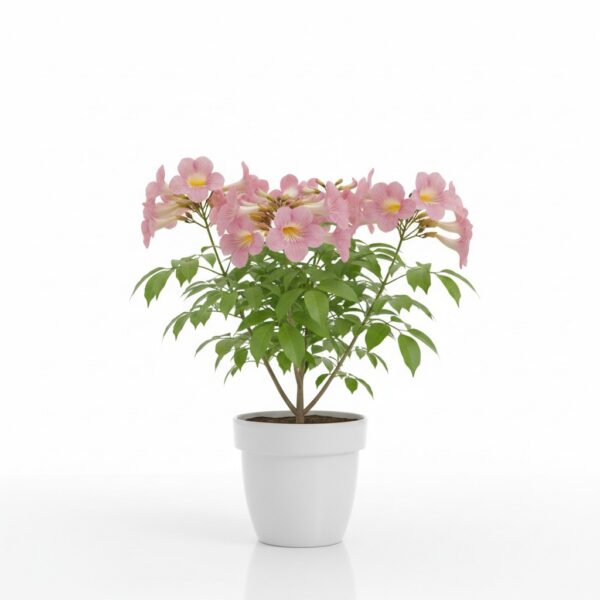
Pink Trumpet Tree
Handroanthus impetiginosus
The Pink Trumpet Tree is a deciduous tree known for its spectacular display of pink trumpet-shaped flowers that bloom in late winter to early spring before the new leaves emerge. It typically grows to a height of 20-40 feet. It is primarily an outdoor tree, valued for its ornamental beauty in parks, gardens, and along streets. While it can be grown in a container, it's challenging to maintain its health and flowering potential indoors due to its high light and space requirements.

Plantain
Plantago major
Plantago major, commonly known as broadleaf plantain, is a perennial herbaceous plant. It features a basal rosette of broad, oval-shaped leaves with prominent parallel veins. A flowering spike emerges from the center, bearing numerous small, greenish-white flowers. This plant is primarily an outdoor species, thriving in disturbed areas like lawns, roadsides, and fields. While it can technically be grown indoors, it's not ideal due to its need for full sun and its tendency to spread. People often grow it for its medicinal properties, as the leaves are used traditionally to treat wounds and skin irritations.
Quick Plant Comparison
| Feature | Pink Trumpet Tree | Plantain |
|---|---|---|
| Light | Full sun (at least 6-8 hours of direct sunlight daily) | Full sun to partial shade. Requires at least 6 hours of direct sunlight daily for optimal growth. |
| Watering | Every 1-2 weeks during the growing season, less frequently during dormancy. | Every 3-7 days outdoors, less frequently if attempted indoors. |
| Humidity | 40-60% | 30-50% |
| Temperature | 18-30°C | 10-30°C |
| Care Level | Expert | Expert |
| Growth Rate | Moderate | Moderate, Can Be An Aggressive Spreader Outdoors |
| Max Height | Rarely flowers or reaches significant size indoors. Outdoors: 6-12 meters (20-40 feet) | Outdoors: 15-30 cm. Indoors (unlikely to thrive): 10-20 cm |
| Pet Safety | ❌ Toxic To Pets | ✅ Safe |
| Soil | Well-draining soil mix, such as a combination of loam, sand, and perlite. | Well-draining soil, tolerates a wide range of soil types including clay, loam, and sand. |
| Beginner Friendly | ❌ No | ❌ No |
| Weekly Maintenance | 1-2 hours per month (primarily pruning and fertilizing). | 5 minutes weekly |
🔬 Botanical Information — Comparing These Plants
Pink Trumpet Tree
| Scientific Name | Handroanthus impetiginosus |
|---|---|
| Family | Bignoniaceae |
| Native To | Tropical South America, specifically Brazil, Argentina, Paraguay, and Bolivia |
| Also Known As | Pink Trumpet Tree, Pink Tabebuia, Ipe Rosa, Rosy Trumpet Tree |
| Leaves | The leaves are palmately compound, meaning they are composed of multiple leaflets radiating from a central point. The leaflets are typically 5-7 in number, oblong to lance-shaped, and have a smooth texture. They are dark green in color. |
| Flowers | It rarely flowers indoors. Outdoors, it produces large clusters of trumpet-shaped flowers in shades of pink, rose, or lavender. The flowers are about 2-4 inches long and wide and have a slightly fragrant scent. |
Plantain
| Scientific Name | Plantago major |
|---|---|
| Family | Plantaginaceae |
| Native To | Native to Europe and Asia, now naturalized worldwide |
| Also Known As | Broadleaf plantain, Common plantain, Waybread, Snakeroot |
| Leaves | Leaves are broad, oval to elliptical in shape, with prominent parallel veins running lengthwise. They are typically 5-20 cm long and 4-10 cm wide, with a slightly wavy or toothed margin. The leaves are generally green, but can sometimes have a reddish tinge. |
| Flowers | Flowers are small, greenish-white, and densely packed on a slender spike that rises from the center of the rosette. Flowering occurs from spring to fall. Rarely flowers indoors. |
📏 Size & Growth — Plant Comparison
Pink Trumpet Tree
Plantain
🌱 Propagation — Comparing Plant Growth
Pink Trumpet Tree
Methods: Seeds, Cuttings
Difficulty: Moderate
Tips: For seeds, soak them overnight before sowing in a well-draining seed-starting mix. For cuttings, take semi-hardwood cuttings in late spring or early summer and root them in a rooting hormone.
Plantain
Methods: Seed, Division
Difficulty: Easy
Tips: Sow seeds directly into the soil in spring or fall. Division can be done in early spring or late fall by separating the rosettes.
✨ Benefits & Features — Comparing Plant Value
Pink Trumpet Tree
The Pink Trumpet Tree is unique for its spectacular display of pink trumpet-shaped flowers that bloom before the leaves emerge. This creates a stunning visual impact in the landscape. Its wood is also highly valued for its strength and durability.
- ✓ Provides stunning visual appeal with its vibrant pink flowers.
- ✓ Attracts pollinators like bees and hummingbirds to your garden.
- ✓ Offers shade during the warmer months.
- ✓ The wood is valuable for various uses (if you were to harvest it much later in life).
- ✓ Creates a focal point in any landscape.
- ⚠️ Toxic to pets
Plantain
Plantago major is known for its resilience and ability to thrive in compacted soils. Its leaves have distinctive parallel veins and a slightly fuzzy texture. It is a common weed but also a valuable medicinal herb.
- ✓ Provides ground cover and prevents soil erosion.
- ✓ Attracts beneficial insects and pollinators.
- ✓ Offers potential medicinal benefits for skin irritations and wound healing.
- ✓ Edible leaves provide vitamins and minerals.
- ✓ Low-maintenance and easy to grow outdoors.
- 🐾 Pet Safe
📅 Maintenance Schedule — Plant Care Comparison
Pink Trumpet Tree
Plantain
🌞 Light Requirements
Pink Trumpet Tree
Full sun (at least 6-8 hours of direct sunlight daily)
Low light tolerant: ❌ No
Plantain
Full sun to partial shade. Requires at least 6 hours of direct sunlight daily for optimal growth.
Low light tolerant: ❌ No
💧 Watering Needs
Pink Trumpet Tree
Water deeply when the top inch of soil is dry. Avoid overwatering, as this can lead to root rot. During the dormant season (winter), reduce watering frequency.
Plantain
Water thoroughly when the top inch of soil is dry. Overwatering can lead to root rot, while underwatering will cause the leaves to wilt and turn yellow. Ensure good drainage.
🌡️ Temperature & Humidity
Pink Trumpet Tree
Temperature: 18-30°C
Humidity: 40-60%
Plantain
Temperature: 10-30°C
Humidity: 30-50%
🤔 Which Plant Is Right For You?
Pink Trumpet Tree
Handroanthus impetiginosusGardeners in warm climates who want a stunning flowering tree for their landscape.
✅ Choose This Plant If...
- You live in a warm climate with full sun availability.
- You want a stunning flowering tree that attracts pollinators.
- You have ample outdoor space for a large tree.
- You are an experienced gardener willing to provide specialized care.
- You appreciate the unique beauty of a deciduous tree with a dramatic floral display.
❌ Skip This Plant If...
- You live in a cold climate with frequent frosts.
- You have limited outdoor space.
- You are looking for an easy-to-care-for indoor plant.
- You have pets that might ingest toxic plant parts.
Plantain
Plantago majorGardeners looking for a low-maintenance, medicinal plant for their outdoor space.
✅ Choose This Plant If...
- You want a low-maintenance ground cover for your garden.
- You are interested in herbal remedies and want to grow your own.
- You need a plant that tolerates poor soil conditions.
- You want to attract pollinators to your garden.
- You are looking for an edible plant with nutritional benefits.
❌ Skip This Plant If...
- You are looking for a plant to thrive indoors with low light.
- You don't want a plant that spreads easily.
- You prefer plants with showy flowers.
🎯 Quick Verdict
⚡ Key Differences Between These Plants
Pink Trumpet Tree has moderate growth, while Plantain grows moderate, can be an aggressive spreader outdoors.
💡 Pro Tips For Comparing These Plants
Pink Trumpet Tree Care Tips
The Pink Trumpet Tree is primarily an outdoor tree and requires full sun and well-draining soil. Growing it indoors is extremely challenging due to its light and space requirements. It rarely flowers indoors and is prone to pest infestations and nutrient deficiencies if not properly cared for.
- Ensure well-draining soil to prevent root rot.
- Provide full sun for optimal flowering.
- Fertilize regularly during the growing season with a balanced fertilizer.
- Prune after flowering to maintain shape and remove dead wood.
- Protect from frost in colder climates.
Plantain Care Tips
Plantago major is an easy-to-grow outdoor plant. Indoor cultivation is challenging due to its high light requirements and tendency to spread. It needs full sun, well-draining soil, and regular watering. It's more suited for outdoor gardens or containers.
- Provide well-draining soil to prevent root rot.
- Harvest leaves regularly to encourage new growth.
- Allow the plant to self-seed for continuous propagation.
- Monitor for pests and diseases and treat promptly.
- Use as a natural remedy for minor cuts and scrapes.
⚠️ Common Problems & Solutions — Plant Care Comparison
Pink Trumpet Tree
Plantain
❓ Frequently Asked Questions — Comparing These Plants
Pink Trumpet Tree
What are the light requirements for Pink Trumpet Tree?
Pink Trumpet Trees require ample bright, indirect light to thrive indoors. A south-facing window is ideal, but be cautious of intense direct sunlight, which can scorch the leaves. If a south-facing window isn’t available, an east or west-facing window can work, supplemented with artificial grow lights. Insufficient light can lead to leggy growth and reduced flowering potential. Rotate the plant regularly to ensure even light exposure on all sides. During the winter months, when natural light is limited, consider increasing the duration of grow light use to maintain optimal light levels. Regularly clean the leaves to remove dust, which can impede light absorption.
How do I care for Pink Trumpet Tree?
Providing the right conditions is key to successfully growing a Pink Trumpet Tree indoors. Use a well-draining potting mix in a pot appropriate for the tree’s size. Water thoroughly when the top inch of soil feels dry, ensuring proper drainage to prevent root rot. Bright, indirect light is crucial; supplement with grow lights if needed. Maintain a stable temperature range of 65-80°F (18-27°C) and provide moderate humidity. Fertilize regularly during the growing season (spring and summer) with a balanced liquid fertilizer diluted to half strength. Prune to maintain shape and encourage branching, removing any dead or diseased growth. Repot every 1-2 years as needed, increasing the pot size gradually. Monitor for pests and address promptly. Consistent care and attention to these details will help your Pink Trumpet Tree thrive indoors.
How do I propagate Pink Trumpet Tree?
Pink Trumpet Trees can be propagated through stem cuttings or air layering. For stem cuttings, take a 4-6 inch cutting from new growth in spring or summer. Remove the lower leaves and dip the cut end in rooting hormone. Plant the cutting in a well-draining potting mix and keep it moist in a warm, humid environment. Roots should develop in 4-8 weeks. For air layering, make a small incision on a branch, apply rooting hormone, and wrap the incision with moist sphagnum moss. Cover the moss with plastic wrap and secure it tightly. After several weeks, roots should form within the moss. Once roots are visible, cut the branch below the rooted area and plant it in a pot.
Plantain
What are the light requirements for Plantain?
Plantain needs bright, indirect light to thrive indoors. Insufficient light can lead to slow growth and leggy stems. A location near an east-facing or west-facing window is ideal, providing ample sunlight without direct scorching. If you’re placing your Plantain near a south-facing window, use a sheer curtain to filter the light. Rotate the plant regularly to ensure even light exposure on all sides. If natural light is limited, supplement with a grow light for 12-14 hours per day. Observe the leaves for signs of light stress, such as pale or yellowing foliage, and adjust the plant’s location accordingly.
How do I care for Plantain?
Plantain thrives in bright, indirect light. Water thoroughly when the top inch of soil is dry, allowing excess water to drain. Maintain humidity levels around 50-60% through misting or a humidifier. Fertilize monthly during the growing season (spring and summer) with a balanced liquid fertilizer diluted to half strength. Repot annually in the spring into a slightly larger pot with well-draining potting mix. Prune away any dead or damaged leaves to encourage new growth. Maintain stable temperatures between 65-80°F (18-27°C). Provide adequate air circulation to prevent fungal diseases. Monitor for pests like spider mites and mealybugs, and treat promptly. Ensure proper drainage to avoid root rot. Avoid placing near drafts or heating vents.
How do I propagate Plantain?
Plantain can be propagated through stem cuttings or air layering.
Last updated: April 25, 2026 — Plant care data reviewed and verified by our editorial team.