
Persian Shield vs Queen's Wreath Plant Comparison
Compare these two plants side by side — care needs, key differences, and which is right for your home.
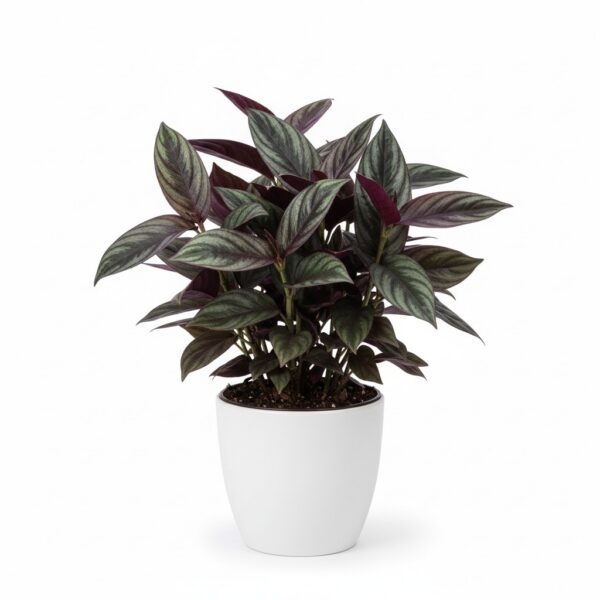
Persian Shield
Strobilanthes dyeriana
Persian Shield is a striking tropical foliage plant prized for its iridescent, metallic sheen on its leaves. The leaves display a vibrant mix of purple, silver, and green, creating a visually stunning display. It is naturally an outdoor plant in tropical climates, grown for its ornamental foliage. While it can be grown indoors, it requires specific conditions to thrive and maintain its vibrant color. It has a somewhat shrubby growth habit and is grown for its foliage rather than flowers.

Queen's Wreath
Antigonon leptopus
Antigonon leptopus, commonly known as Queen's Wreath, is a vigorous, fast-growing, climbing vine prized for its profuse and showy clusters of pink or white flowers. It's a perennial that can reach considerable lengths, clinging to supports via tendrils. While it's a popular ornamental plant in tropical and subtropical regions, it's primarily an outdoor plant. People grow it for its attractive flowers, rapid growth, and ability to cover fences, arbors, and walls quickly. It is not typically grown indoors due to its size and high light requirements.
Quick Plant Comparison
| Feature | Persian Shield | Queen's Wreath |
|---|---|---|
| Light | Bright, indirect light. Requires several hours of bright light daily to maintain its vibrant coloration. | Full sun to partial shade. Requires at least 6 hours of direct sunlight daily for optimal flowering. |
| Watering | Every 5-7 days, depending on environmental conditions | Every 5-7 days during the growing season, less frequently in winter. |
| Humidity | 60-80% | 40-60% |
| Temperature | 18-27°C | 18-30°C |
| Care Level | Moderate | Expert |
| Growth Rate | Fast | Fast |
| Max Height | 0.6-1 meter indoors | Rarely grown indoors, but if attempted, may reach 1-2 meters. |
| Pet Safety | ❌ Toxic To Pets | ❌ Toxic To Pets |
| Soil | Well-draining potting mix, such as a mix of peat moss, perlite, and vermiculite. | Well-draining soil, such as a mix of potting soil, perlite, and sand. |
| Beginner Friendly | With Caution | ❌ No |
| Weekly Maintenance | 15 minutes weekly | 30 minutes weekly (outdoor care, pruning) |
🔬 Botanical Information — Comparing These Plants
Persian Shield
| Scientific Name | Strobilanthes dyeriana |
|---|---|
| Family | Acanthaceae |
| Native To | Myanmar (Burma) |
| Also Known As | Persian Shield, Royal Persian Shield |
| Leaves | The leaves are lance-shaped with serrated edges and a pointed tip. They are typically 10-15 cm long and 5-8 cm wide. The upper surface of the leaves displays a vibrant mix of purple, silver, and green, while the underside is a deep purple. |
| Flowers | Persian Shield rarely flowers indoors. When it does flower, the blooms are small and insignificant, typically pale purple or white. |
Queen's Wreath
| Scientific Name | Antigonon leptopus |
|---|---|
| Family | Polygonaceae |
| Native To | Mexico |
| Also Known As | Queen's Wreath, Coral Vine, Mexican Creeper, Chain of Love |
| Leaves | The leaves are heart-shaped, medium green, and have a slightly rough texture. They are typically 5-10 cm long and arranged alternately along the stems. |
| Flowers | It rarely flowers indoors. Outdoors, it produces abundant clusters of small, delicate pink or white flowers. The flowers are arranged in panicles and bloom throughout the warm months. |
📏 Size & Growth — Plant Comparison
Persian Shield
Queen's Wreath
🌱 Propagation — Comparing Plant Growth
Persian Shield
Methods: Stem cuttings
Difficulty: Easy
Tips: Take stem cuttings with at least 2-3 nodes. Remove the lower leaves and place the cutting in water or directly into moist potting mix. Keep the cutting in a warm, humid environment until roots develop.
Queen's Wreath
Methods: Stem cuttings, Seed
Difficulty: Easy
Tips: Take stem cuttings in spring or summer. Root them in water or directly in moist soil. Seeds can be sown after soaking them in water for 24 hours.
✨ Benefits & Features — Comparing Plant Value
Persian Shield
The iridescent, metallic sheen on the leaves is what sets this plant apart. The combination of purple, silver, and green creates a unique and eye-catching display. The intensity of the colors can vary depending on the amount of light the plant receives.
- ✓ Adds vibrant color to indoor spaces
- ✓ Unique and eye-catching foliage
- ✓ Relatively easy to propagate
- ✓ Can be used to create a tropical vibe
- ✓ Provides a sense of accomplishment when thriving
- ⚠️ Toxic to pets
Queen's Wreath
Queen's Wreath is known for its rapid growth and ability to quickly cover large areas. Its cascading clusters of pink or white flowers create a beautiful and eye-catching display. It is also a favorite of butterflies and bees.
- ✓ Provides shade and privacy when grown on fences or arbors.
- ✓ Attracts pollinators, supporting local ecosystems.
- ✓ Adds a vibrant splash of color to the garden.
- ✓ Can help stabilize soil on slopes.
- ✓ Provides a natural habitat for small wildlife.
- ⚠️ Toxic to pets
📅 Maintenance Schedule — Plant Care Comparison
Persian Shield
Queen's Wreath
🌞 Light Requirements
Persian Shield
Bright, indirect light. Requires several hours of bright light daily to maintain its vibrant coloration.
Low light tolerant: ❌ No
Queen's Wreath
Full sun to partial shade. Requires at least 6 hours of direct sunlight daily for optimal flowering.
Low light tolerant: ❌ No
💧 Watering Needs
Persian Shield
Water thoroughly when the top inch of soil feels dry to the touch. Avoid overwatering, as this can lead to root rot. Allow excess water to drain away. Underwatering will cause the leaves to droop and become dull.
Queen's Wreath
Water deeply when the top inch of soil feels dry. Avoid overwatering, which can lead to root rot. During the growing season, water more frequently. Reduce watering in the winter. Signs of underwatering include wilting leaves and dry soil. Overwatering can cause yellowing leaves and soggy soil.
🌡️ Temperature & Humidity
Persian Shield
Temperature: 18-27°C
Humidity: 60-80%
Queen's Wreath
Temperature: 18-30°C
Humidity: 40-60%
🤔 Which Plant Is Right For You?
Persian Shield
Strobilanthes dyerianaExperienced plant enthusiasts who can provide the necessary light and humidity.
✅ Choose This Plant If...
- You want a plant with unique and eye-catching foliage.
- You can provide bright, indirect light and high humidity.
- You are willing to regularly fertilize the plant.
- You enjoy propagating plants from cuttings.
- You are looking for a plant to add a pop of color to your indoor space.
❌ Skip This Plant If...
- You have pets that might ingest the plant.
- You cannot provide adequate light and humidity.
- You are prone to overwatering plants.
Queen's Wreath
Antigonon leptopusGardeners in warm climates looking for a fast-growing vine to cover fences or arbors.
✅ Choose This Plant If...
- You live in a warm climate and want a fast-growing vine for your garden.
- You want to attract butterflies and bees to your yard.
- You have a fence or arbor that needs covering quickly.
- You appreciate showy, cascading flowers.
- You are experienced with managing vigorous vines.
❌ Skip This Plant If...
- You have limited space indoors.
- You are looking for a low-maintenance houseplant.
- You have pets that might ingest the plant.
- You live in a cold climate with harsh winters.
🎯 Quick Verdict
⚡ Key Differences Between These Plants
Persian Shield is rated Moderate care level, while Queen's Wreath is Expert.
💡 Pro Tips For Comparing These Plants
Persian Shield Care Tips
Persian Shield requires bright, indirect light and high humidity to maintain its vibrant color. It is prone to root rot if overwatered. Regular fertilization is needed during the growing season. It is toxic to pets, so keep it out of reach.
- Provide bright, indirect light to maintain vibrant color.
- Maintain high humidity levels (60-80%) using a humidifier or pebble tray.
- Water thoroughly when the top inch of soil feels dry.
- Fertilize regularly during the growing season with a balanced liquid fertilizer.
- Pinch back stems regularly to encourage bushier growth.
Queen's Wreath Care Tips
Queen's Wreath is primarily an outdoor plant and is challenging to grow indoors due to its high light requirements and vigorous growth. If attempted indoors, provide ample sunlight, a sturdy support structure, and regular pruning to control its size. It is also toxic to pets.
- Provide a sturdy trellis or support structure for the vine to climb.
- Water deeply but infrequently, allowing the soil to dry out slightly between waterings.
- Fertilize regularly during the growing season to promote abundant flowering.
- Prune after flowering to maintain shape and encourage new growth.
- Protect from frost in colder climates.
⚠️ Common Problems & Solutions — Plant Care Comparison
Persian Shield
Queen's Wreath
❓ Frequently Asked Questions — Comparing These Plants
Persian Shield
What are the light requirements for Persian Shield?
Persian Shield requires bright, indirect light to maintain its vibrant coloration. Direct sunlight can scorch the leaves, while insufficient light can cause the colors to fade and the plant to become leggy. An east-facing window is ideal, providing gentle morning sun. A north- or west-facing window can also work if the light is bright enough.
How do I care for Persian Shield?
Persian Shield thrives in bright, indirect light and requires consistently moist soil. Water thoroughly when the top inch of soil feels dry, ensuring good drainage to prevent root rot. Maintain high humidity, ideally above 50%, through misting, pebble trays, or a humidifier. Fertilize monthly during the growing season (spring and summer) with a balanced liquid fertilizer diluted to half strength.
How do I propagate Persian Shield?
Persian Shield is easily propagated through stem cuttings. Take a 4-6 inch cutting from a healthy stem, removing the lower leaves. Dip the cut end in rooting hormone and plant in a well-draining potting mix. Keep the soil consistently moist and provide high humidity by covering the cutting with a plastic bag or placing it in a propagation dome. Roots should develop within 2-4 weeks.
Queen's Wreath
What are the light requirements for Queen's Wreath?
Queen’s Wreath requires bright, indirect sunlight to flourish and produce abundant blooms. Insufficient light can result in leggy growth, reduced flowering, and pale leaves. An east-facing window is ideal, providing gentle morning sun. West-facing windows can work, but shield the plant from the intense afternoon sun. South-facing windows may be too strong unless filtered with a sheer curtain. Outdoor plants should be placed in a location that receives partial shade, especially during the hottest part of the day. Rotate the plant regularly to ensure even light exposure on all sides.
How do I care for Queen's Wreath?
Queen’s Wreath thrives in bright, indirect sunlight. Provide at least 6 hours of sunlight daily, but protect it from harsh afternoon sun. Water thoroughly when the top inch of soil feels dry, allowing excess water to drain. Maintain high humidity levels, especially indoors, using a humidifier or pebble tray. Fertilize monthly during the growing season (spring and summer) with a balanced liquid fertilizer. Prune regularly to control its size and encourage bushier growth. Provide a sturdy support structure such as a trellis or arbor for climbing. Repot every 1-2 years into a slightly larger pot with well-draining soil. Monitor for pests like spider mites and aphids and treat promptly. Protect from frost; Queen’s Wreath is not cold-hardy.
How do I propagate Queen's Wreath?
Queen’s Wreath can be propagated through stem cuttings or layering. For stem cuttings, take a 4-6 inch cutting from a healthy stem. Remove the lower leaves and dip the cut end in rooting hormone. Plant the cutting in a well-draining potting mix and keep it moist. Cover with a plastic bag to maintain humidity. Roots should develop in 4-6 weeks. For layering, bend a long stem down to the soil and bury a section of it, leaving the tip exposed. Keep the soil moist. Once roots develop, sever the layered stem from the parent plant.
Last updated: May 2, 2026 — Plant care data reviewed and verified by our editorial team.