
Peperomia Argyreia vs Spinach Plant Comparison
Compare these two plants side by side — care needs, key differences, and which is right for your home.
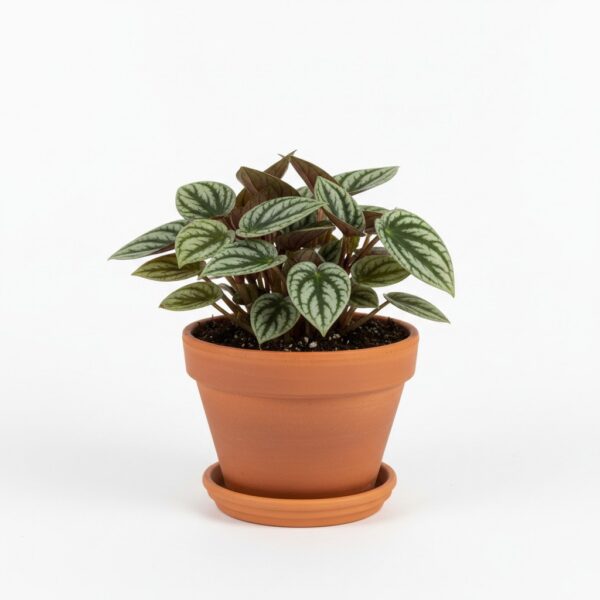
Peperomia Argyreia
Peperomia argyreia
Peperomia argyreia, commonly known as Watermelon Peperomia, is a small, ornamental plant prized for its distinctive foliage. The leaves are round to oval, with silver and dark green stripes resembling the rind of a watermelon. It is a compact plant, typically growing to a height and spread of about 20-30 cm (8-12 inches). It is naturally an understory plant, thriving in the dappled light of the rainforest floor. People grow it for its attractive foliage and relatively easy care, making it a popular houseplant.

Spinach
Spinacia oleracea
Spinach is an annual leafy green vegetable, typically grown for its edible leaves. It features a rosette growth habit, producing dark green, oval or triangular leaves that can be smooth or crinkled depending on the variety. As an outdoor plant, spinach thrives in cooler temperatures and is commonly cultivated in gardens and farms. While it can be technically grown indoors, it requires very specific conditions and is not ideally suited for indoor environments due to its high light requirements and susceptibility to pests. People grow spinach for its nutritious leaves, which are used in salads, cooked dishes, and smoothies.
Quick Plant Comparison
| Feature | Peperomia Argyreia | Spinach |
|---|---|---|
| Light | Bright, indirect light. Avoid direct sunlight, which can scorch the leaves. | Full sun (at least 6 hours of direct sunlight daily) |
| Watering | Every 1-2 weeks, depending on environmental conditions | Every 2-3 days, depending on weather and soil drainage |
| Humidity | 40-60% | 40-60% |
| Temperature | 18-24°C | 15-21°C |
| Care Level | Easy | Expert |
| Growth Rate | Slow | Fast |
| Max Height | 20-30 cm | Outdoor: 15-30 cm. Indoor (unlikely to thrive): 10-15 cm |
| Pet Safety | ✅ Safe | ❌ Toxic To Pets |
| Soil | Well-draining potting mix, such as a mix of peat moss, perlite, and vermiculite | Well-draining, fertile soil rich in organic matter |
| Beginner Friendly | ✅ Yes | ❌ No |
| Weekly Maintenance | 5 minutes weekly | 15 minutes weekly |
🔬 Botanical Information — Comparing These Plants
Peperomia Argyreia
| Scientific Name | Peperomia argyreia |
|---|---|
| Family | Piperaceae |
| Native To | Northern South America, primarily Bolivia, Brazil, Ecuador, and Peru |
| Also Known As | Watermelon Peperomia, Watermelon Plant |
| Leaves | The leaves are round to oval, measuring approximately 5-8 cm (2-3 inches) in diameter. They have a smooth, slightly succulent texture. The upper surface is dark green with silver stripes, creating a watermelon-like pattern. The undersides are typically a lighter green or reddish color. |
| Flowers | It rarely flowers indoors. When it does, the flowers are small, inconspicuous green spikes that are not particularly ornamental. |
Spinach
| Scientific Name | Spinacia oleracea |
|---|---|
| Family | Amaranthaceae |
| Native To | Central and Western Asia |
| Also Known As | Spinach |
| Leaves | Spinach leaves are typically dark green, oval or triangular in shape, and can be smooth or crinkled depending on the variety. They range in size from a few inches to over a foot long. The texture can be tender or slightly coarse, depending on the age of the leaf. |
| Flowers | Spinach rarely flowers indoors. Outdoors, it produces small, inconspicuous greenish-yellow flowers on a tall stalk when it bolts. |
📏 Size & Growth — Plant Comparison
Peperomia Argyreia
Spinach
🌱 Propagation — Comparing Plant Growth
Peperomia Argyreia
Methods: Leaf cuttings, Stem cuttings
Difficulty: Easy
Tips: For leaf cuttings, place the leaf on top of moist soil and wait for roots to develop. For stem cuttings, take a cutting with a few leaves and place it in water or directly into moist soil. Keep the cutting in a warm, humid environment.
Spinach
Methods: Seed
Difficulty: Easy
Tips: Sow seeds directly into the soil or start indoors 4-6 weeks before the last frost. Keep soil moist until germination occurs.
✨ Benefits & Features — Comparing Plant Value
Peperomia Argyreia
The Watermelon Peperomia is distinguished by its striking leaf pattern, resembling the rind of a watermelon. This unique variegation makes it a highly sought-after houseplant. Its compact size and ease of care further contribute to its popularity.
- ✓ Adds visual interest with its unique foliage.
- ✓ Relatively low-maintenance, suitable for busy individuals.
- ✓ Pet-friendly, creating a safe environment for animals.
- ✓ Compact size makes it ideal for small spaces.
- ✓ Easy to propagate, allowing you to expand your collection.
- 🐾 Pet Safe
Spinach
Spinach is a cool-season crop that is highly nutritious and versatile in culinary applications. Its rapid growth and ease of cultivation make it a popular choice for home gardeners. However, its short lifespan and susceptibility to bolting in warm weather require careful management.
- ✓ Provides fresh, nutritious greens for salads and cooking.
- ✓ Rich in vitamins and minerals.
- ✓ Easy to grow from seed.
- ✓ Adds visual interest to the garden.
- ✓ Promotes healthy eating habits.
- ⚠️ Toxic to pets
📅 Maintenance Schedule — Plant Care Comparison
Peperomia Argyreia
Spinach
🌞 Light Requirements
Peperomia Argyreia
Bright, indirect light. Avoid direct sunlight, which can scorch the leaves.
Low light tolerant: ✅ Yes
Spinach
Full sun (at least 6 hours of direct sunlight daily)
Low light tolerant: ❌ No
💧 Watering Needs
Peperomia Argyreia
Allow the top inch of soil to dry out between waterings. Water thoroughly until excess water drains from the bottom of the pot. Reduce watering in winter. Overwatering can lead to root rot, indicated by wilting or yellowing leaves. Underwatering results in droopy leaves.
Spinach
Keep soil consistently moist, but not waterlogged. Water deeply when the top inch of soil feels dry. Overwatering can lead to root rot, while underwatering causes wilting and stunted growth.
🌡️ Temperature & Humidity
Peperomia Argyreia
Temperature: 18-24°C
Humidity: 40-60%
Spinach
Temperature: 15-21°C
Humidity: 40-60%
🤔 Which Plant Is Right For You?
Peperomia Argyreia
Peperomia argyreiaBeginners looking for a visually appealing and low-maintenance houseplant.
✅ Choose This Plant If...
- You want a visually striking plant with minimal effort.
- You have limited space as it stays compact.
- You're looking for a pet-safe houseplant.
- You want to add a touch of the tropics to your home.
- You are a beginner plant owner.
❌ Skip This Plant If...
- You tend to overwater your plants.
- You only have access to direct sunlight.
- You want a fast-growing plant.
Spinach
Spinacia oleraceaGardeners with outdoor space who want to grow their own leafy greens.
✅ Choose This Plant If...
- You want to grow your own nutritious leafy greens.
- You have a sunny garden space.
- You enjoy fresh spinach in salads and cooked dishes.
- You are looking for a fast-growing vegetable.
- You live in a region with cool growing seasons.
❌ Skip This Plant If...
- You lack a sunny outdoor space.
- You are looking for a low-maintenance indoor plant.
- You have pets that might ingest it.
- You live in a region with consistently hot weather.
- You are not interested in gardening.
🎯 Quick Verdict
⚡ Key Differences Between These Plants
Peperomia Argyreia is rated Easy care level, while Spinach is Expert.
Peperomia Argyreia has slow growth, while Spinach grows fast.
💡 Pro Tips For Comparing These Plants
Peperomia Argyreia Care Tips
Watermelon Peperomia is an easy-to-care-for houseplant that thrives in bright, indirect light and well-draining soil. Avoid overwatering and provide moderate humidity. It is non-toxic to pets, making it a safe choice for households with animals.
- Allow the soil to dry slightly between waterings to prevent root rot.
- Provide bright, indirect light to maintain vibrant leaf color.
- Wipe the leaves occasionally to remove dust and improve photosynthesis.
- Rotate the plant regularly to ensure even growth.
- Use a well-draining potting mix to promote healthy root development.
Spinach Care Tips
Spinach is primarily an outdoor plant and requires full sun and consistent moisture to thrive. Indoor cultivation is challenging due to the need for intense light and cooler temperatures. It is susceptible to pests and diseases, making it difficult to maintain indoors.
- Plant spinach in well-draining soil amended with compost.
- Water regularly, especially during dry periods.
- Protect from pests and diseases with organic methods.
- Harvest leaves frequently to encourage continued growth.
- Provide shade during hot weather to prevent bolting.
⚠️ Common Problems & Solutions — Plant Care Comparison
Peperomia Argyreia
Spinach
❓ Frequently Asked Questions — Comparing These Plants
Peperomia Argyreia
What are the light requirements for Peperomia Argyreia?
Peperomia Argyreia requires bright, indirect light to maintain its vibrant foliage and healthy growth. Direct sunlight can scorch the leaves, causing discoloration and damage. An east-facing window is often ideal, providing gentle morning light. A north-facing window can also work, but the plant may require supplemental light if it doesn’t receive enough natural light. If placing the plant near a south- or west-facing window, use sheer curtains to filter the sunlight. Rotate the plant regularly to ensure even growth on all sides. Insufficient light can result in leggy growth and faded leaf patterns.
How do I care for Peperomia Argyreia?
Peperomia Argyreia thrives in bright, indirect light. Avoid direct sunlight, which can scorch its leaves. Water thoroughly when the top inch of soil feels dry, allowing excess water to drain away. Overwatering can lead to root rot. Maintain moderate humidity, around 40-60%, by misting occasionally or using a humidifier. The ideal temperature range is 65-75°F (18-24°C). Use a well-draining potting mix, such as a blend of peat moss, perlite, and vermiculite. Fertilize every 2-4 weeks during the growing season (spring and summer) with a balanced liquid fertilizer diluted to half strength. Prune any leggy or damaged stems to encourage bushier growth. Repot only when the plant becomes root-bound.
How do I propagate Peperomia Argyreia?
Peperomia Argyreia is easily propagated through stem cuttings, leaf cuttings, or division. For stem cuttings, take a cutting with at least two leaves and place it in water or directly into moist potting mix. For leaf cuttings, place a leaf with a petiole in moist potting mix. Keep the cuttings in a warm, humid environment until roots develop. Division can be done during repotting by separating the plant into smaller clumps and planting them in individual pots. Air layering is also an option, involving wrapping a portion of the stem with moist sphagnum moss until roots emerge. All methods thrive best in bright, indirect light and high humidity.
Spinach
What are the light requirements for Spinach?
Spinach requires a good amount of sunlight to thrive. Ideally, it needs at least 6 hours of direct sunlight per day. However, in hotter climates, partial shade is beneficial, especially during the hottest part of the day, to prevent bolting (premature flowering). When grown indoors, place spinach near a sunny window, preferably a south-facing one. If natural light is insufficient, supplement with grow lights. Inadequate light can lead to leggy growth and reduced leaf production. Rotate plants regularly to ensure even light exposure. Monitor leaf color; pale leaves may indicate insufficient light.
How do I care for Spinach?
Spinach thrives in cool weather and requires well-draining, fertile soil. Plant seeds directly in the garden or in containers, ensuring consistent moisture during germination. Provide full sun to partial shade, especially in warmer climates. Water regularly, keeping the soil consistently moist but not waterlogged. Fertilize with a balanced fertilizer every few weeks, increasing phosphorus levels to encourage flowering if desired. Monitor for pests like aphids and slugs, and address them promptly. Harvest leaves regularly to encourage continued production. Allow some plants to bolt (go to seed) if you wish to collect seeds for future planting. Avoid planting in overly acidic soil. Ensure good air circulation to prevent fungal diseases. Mulch around the plants to retain moisture and suppress weeds. Rotate crops to prevent soilborne diseases. Protect from frost.
How do I propagate Spinach?
Spinach is primarily propagated by seed.
Last updated: April 26, 2026 — Plant care data reviewed and verified by our editorial team.