
Paw Paw vs Strawflower Plant Comparison
Compare these two plants side by side — care needs, key differences, and which is right for your home.

Paw Paw
Asimina triloba
Asimina triloba, the Pawpaw, is a deciduous tree or large shrub native to eastern North America. It typically grows 10-25 feet tall. It features large, oblong leaves that give it a tropical appearance. The tree produces edible fruit, the pawpaw, which is greenish-yellow to brown when ripe and has a creamy texture and flavor reminiscent of banana, mango, and vanilla. Pawpaws are primarily grown for their fruit, which can be eaten fresh or used in desserts and beverages. It is not naturally an indoor plant and requires specific conditions to thrive indoors.
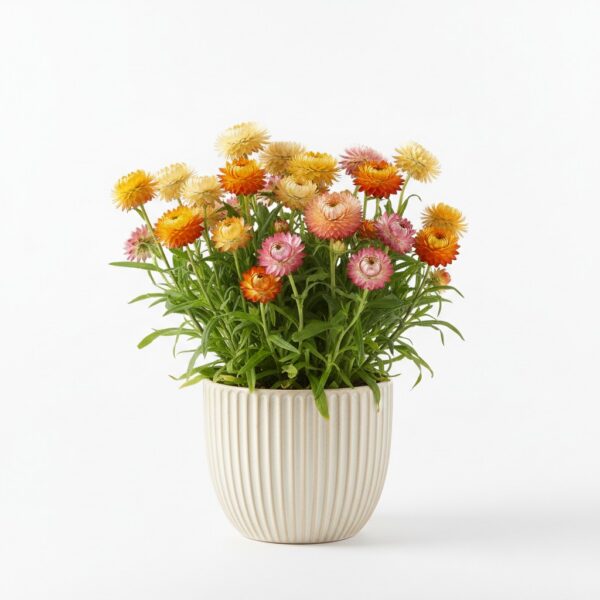
Strawflower
Xerochrysum bracteatum
Strawflower (Xerochrysum bracteatum) is an annual or short-lived perennial native to Australia. It's characterized by its papery, daisy-like flowerheads that come in a wide array of colors, including white, yellow, orange, pink, red, and bronze. The plant typically grows to a height of 2 to 3 feet. It is primarily grown outdoors for its vibrant flowers, which retain their color and shape when dried, making them popular for dried flower arrangements. While technically possible to grow indoors, it requires very bright light and is challenging to maintain.
Quick Plant Comparison
| Feature | Paw Paw | Strawflower |
|---|---|---|
| Light | Full sun to partial shade outdoors. Requires at least 6 hours of direct sunlight for optimal fruit production. | Full sun (at least 6 hours of direct sunlight daily) |
| Watering | Weekly during the first year, then as needed during dry periods (outdoors). | Every 1-2 weeks, depending on weather and soil drainage. |
| Humidity | 40-60% | 30-50% |
| Temperature | 10-30°C | 18-27°C |
| Care Level | Expert | Expert |
| Growth Rate | Moderate | Moderate |
| Max Height | Difficult to predict indoors, typically 1-3 meters in a very large container. Outdoors: 3-8 meters. | 0.6-0.9 meters (2-3 feet) outdoors; smaller indoors if grown |
| Pet Safety | ❌ Toxic To Pets | ✅ Safe |
| Soil | Well-drained, fertile soil with a slightly acidic to neutral pH (5.5-7.0). | Well-draining potting mix or garden soil |
| Beginner Friendly | ❌ No | ❌ No |
| Weekly Maintenance | 1-2 hours weekly (outdoors, during growing season) | 15 minutes weekly |
🔬 Botanical Information — Comparing These Plants
Paw Paw
| Scientific Name | Asimina triloba |
|---|---|
| Family | Annonaceae |
| Native To | Eastern United States and Canada |
| Also Known As | Pawpaw, Paw Paw, Common Pawpaw, American Custard Apple |
| Leaves | The leaves of the pawpaw tree are large, oblong, and deciduous, typically measuring 15-30 cm long and 8-13 cm wide. They are a vibrant green color in the spring and summer, turning yellow in the fall before dropping. The texture is smooth and slightly leathery. |
| Flowers | Pawpaw trees produce maroon to purplish-brown flowers in the spring before the leaves emerge. The flowers are about 2-5 cm in diameter and have a slightly unpleasant odor that attracts pollinators like flies and beetles. Fruiting indoors is extremely rare. |
Strawflower
| Scientific Name | Xerochrysum bracteatum |
|---|---|
| Family | Asteraceae |
| Native To | Australia |
| Also Known As | Strawflower, Golden everlasting |
| Leaves | The leaves are lance-shaped, slightly hairy, and typically green to grayish-green in color. They are arranged alternately along the stems. |
| Flowers | Flowers readily outdoors. The flowerheads are daisy-like with papery bracts in a variety of colors, surrounding a yellow center. They bloom profusely throughout the summer and fall. |
📏 Size & Growth — Plant Comparison
Paw Paw
Strawflower
🌱 Propagation — Comparing Plant Growth
Paw Paw
Methods: Seed, Root Suckers, Grafting
Difficulty: Moderate
Tips: Seeds require cold stratification for 90-120 days before planting. Grafting is often used to propagate desirable cultivars.
Strawflower
Methods: Seed, Stem cuttings
Difficulty: Easy
Tips: For seeds, sow indoors 6-8 weeks before the last frost or directly outdoors after the last frost. For stem cuttings, take 4-6 inch cuttings in spring or summer and root them in water or moist potting mix.
✨ Benefits & Features — Comparing Plant Value
Paw Paw
The pawpaw is the largest edible fruit native to North America and has a unique tropical flavor. It requires cross-pollination from different genetic sources to produce fruit, making it necessary to plant multiple trees.
- ✓ Provides edible fruit.
- ✓ Offers shade and visual interest in the landscape.
- ✓ Supports native wildlife.
- ✓ Unique and conversation-starting plant.
- ✓ Can be used in various culinary applications.
- ⚠️ Toxic to pets
Strawflower
The papery bracts of the flowers are unique and retain their color and shape when dried, making them ideal for dried flower arrangements. They are also attractive to pollinators.
- ✓ Provides beautiful cut flowers for arrangements.
- ✓ Attracts beneficial pollinators to the garden.
- ✓ Adds vibrant color to outdoor spaces.
- ✓ Dried flowers retain their color for long-lasting beauty.
- ✓ Relatively easy to grow from seed.
- 🐾 Pet Safe
📅 Maintenance Schedule — Plant Care Comparison
Paw Paw
Strawflower
🌞 Light Requirements
Paw Paw
Full sun to partial shade outdoors. Requires at least 6 hours of direct sunlight for optimal fruit production.
Low light tolerant: ❌ No
Strawflower
Full sun (at least 6 hours of direct sunlight daily)
Low light tolerant: ❌ No
💧 Watering Needs
Paw Paw
Water deeply when planting and during dry periods, especially when young. Established trees are relatively drought-tolerant. Avoid overwatering, which can lead to root rot. Check soil moisture before watering.
Strawflower
Water thoroughly when the top inch of soil feels dry. Avoid overwatering, as this can lead to root rot. Allow the soil to drain completely after watering. Signs of overwatering include yellowing leaves and a soggy soil surface. Underwatering is indicated by wilting and dry, crispy leaves.
🌡️ Temperature & Humidity
Paw Paw
Temperature: 10-30°C
Humidity: 40-60%
Strawflower
Temperature: 18-27°C
Humidity: 30-50%
🤔 Which Plant Is Right For You?
Paw Paw
Asimina trilobaExperienced gardeners in temperate climates who want to grow a unique fruit tree outdoors.
✅ Choose This Plant If...
- You live in a temperate climate with suitable outdoor growing conditions.
- You are an experienced gardener looking for a unique fruit tree to grow.
- You are interested in native North American plants.
- You have the space and resources to provide the necessary care and attention.
- You enjoy the taste of pawpaw fruit and want to grow your own.
❌ Skip This Plant If...
- You live in an apartment or have limited outdoor space.
- You are a beginner gardener.
- You have pets that may ingest the toxic seeds or bark.
- You do not have the time or resources to provide the specific care required.
- You are looking for an easy-to-grow indoor plant.
Strawflower
Xerochrysum bracteatumGardeners looking for colorful, long-lasting flowers for cutting and drying.
✅ Choose This Plant If...
- You want flowers that can be dried and used in arrangements.
- You need a plant that attracts pollinators to your garden.
- You have a sunny outdoor space.
- You want a variety of bright colors in your garden.
- You enjoy the process of deadheading to encourage more blooms.
❌ Skip This Plant If...
- You don't have a sunny outdoor space.
- You are looking for a low-maintenance indoor plant.
- You live in a very humid climate where powdery mildew is prevalent.
🎯 Quick Verdict
⚡ Key Differences Between These Plants
Both plants have similar basic care requirements but differ in appearance and specific needs. Compare plants carefully to find the best fit for your space.
💡 Pro Tips For Comparing These Plants
Paw Paw Care Tips
Pawpaws are challenging to grow indoors due to their need for full sun, specific chilling requirements for fruit production, and large size. They require a very large container, careful watering, and protection from extreme temperatures. Indoor fruiting is unlikely.
- Provide adequate sunlight for optimal fruit production.
- Ensure well-draining soil to prevent root rot.
- Protect young trees from strong winds.
- Water deeply during dry periods.
- Consider hand-pollinating the flowers to improve fruit set.
Strawflower Care Tips
Strawflower is primarily an outdoor plant that requires full sun and well-draining soil. Indoor cultivation is challenging due to the high light requirements. It is relatively drought-tolerant once established. Regular deadheading encourages more blooms. It is not a good choice for indoor growing unless you can provide intense supplemental light.
- Provide full sun for best flowering.
- Deadhead spent blooms regularly to encourage more flowers.
- Ensure well-draining soil to prevent root rot.
- Water deeply but infrequently, allowing the soil to dry slightly between waterings.
- Fertilize regularly during the growing season with a balanced fertilizer.
⚠️ Common Problems & Solutions — Plant Care Comparison
Paw Paw
Strawflower
❓ Frequently Asked Questions — Comparing These Plants
Paw Paw
What are the light requirements for Paw Paw?
Paw Paw trees require bright, indirect light to thrive indoors. Insufficient light can lead to leggy growth and reduced fruit production (if fruiting). A location near an east- or west-facing window is ideal. Avoid direct sunlight, especially during the hottest part of the day, as it can scorch the leaves. If natural light is limited, supplement with a grow light. Rotate the plant regularly to ensure even light exposure on all sides. Observe the plant’s growth habit to determine if it’s receiving adequate light. If the stems are stretching towards the light source, it indicates that more light is needed.
How do I care for Paw Paw?
To successfully grow Paw Paw indoors, provide bright, indirect light, ideally near an east- or west-facing window. Use a well-draining potting mix rich in organic matter. Water thoroughly when the top inch of soil feels dry, allowing excess water to drain away. Maintain moderate humidity levels, especially during winter months when indoor air tends to be drier. Fertilize sparingly during the growing season (spring and summer) with a balanced liquid fertilizer diluted to half strength. Repot young plants annually in spring, increasing the pot size gradually. Prune to maintain shape and remove any dead or damaged branches. Protect from drafts and sudden temperature changes. Monitor regularly for pests and diseases. Provide stable growing conditions, avoiding overwatering or underwatering.
How do I propagate Paw Paw?
Paw Paw can be propagated by stem cuttings or air layering. For stem cuttings, take a 4-6 inch cutting from new growth in spring or early summer. Remove the lower leaves and dip the cut end in rooting hormone. Plant the cutting in a well-draining potting mix and keep it moist. Cover with a plastic bag to maintain humidity. For air layering, make a small incision on a stem and wrap it with moist sphagnum moss. Cover the moss with plastic wrap and secure it with tape. Once roots develop, cut the stem below the roots and plant it in a pot. Both methods require patience and consistent moisture.
Strawflower
What are the light requirements for Strawflower?
Strawflowers need at least 6-8 hours of direct sunlight daily to thrive and produce abundant blooms. When grown indoors, place them near a south-facing window where they can receive ample sunlight. If natural light is insufficient, supplement with grow lights to ensure adequate light exposure. Insufficient light can lead to leggy growth and reduced flowering. Rotate the plant regularly to ensure even light exposure on all sides. Seedlings require bright, indirect light before being gradually introduced to full sun. Light intensity is crucial for vibrant flower colors and overall plant health.
How do I care for Strawflower?
Strawflowers thrive in full sun and well-draining soil. Water regularly, allowing the soil to dry slightly between waterings, especially during hot weather. Fertilize every 2-3 weeks with a balanced, water-soluble fertilizer during the growing season to encourage abundant blooms. Deadhead spent flowers to promote continued blooming. Provide support for taller varieties to prevent them from flopping over. Ensure good air circulation to prevent fungal diseases. In cooler climates, treat strawflowers as annuals or bring them indoors before the first frost. Protect from strong winds. Monitor for pests like aphids and spider mites, and treat promptly if necessary. Regularly inspect plants for signs of disease and address them quickly.
How do I propagate Strawflower?
Strawflowers are easily propagated from seeds. Sow seeds directly into the garden after the last frost or start them indoors 6-8 weeks earlier. Press the seeds lightly into the soil and keep them moist. Germination typically occurs within 7-14 days. Strawflowers can also be propagated by stem cuttings. Take 4-6 inch cuttings from healthy stems, remove the lower leaves, and dip the cut end in rooting hormone. Plant the cuttings in well-draining soil and keep them moist until roots develop. While not as common, division is also possible. Carefully dig up the plant and separate the root ball into smaller sections, ensuring each section has healthy roots and foliage. Replant the divisions in well-draining soil.
Last updated: May 15, 2026 — Plant care data reviewed and verified by our editorial team.