
Passion Vine vs Powder Puff Tree Plant Comparison
Compare these two plants side by side — care needs, key differences, and which is right for your home.
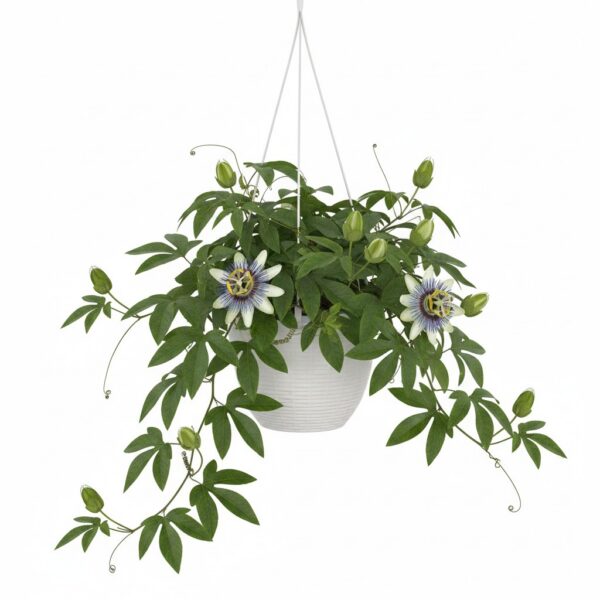
Passion Vine
Passiflora spp.
Passion vines are vigorous, tendril-climbing vines known for their intricate and beautiful flowers. Native to the Americas, they are primarily outdoor plants that thrive in warm climates. The flowers are followed by edible (in some species) fruits. People grow them for their ornamental value, the potential for fruit production, and to attract pollinators like butterflies and hummingbirds. Indoor cultivation is challenging due to high light and humidity needs.

Powder Puff Tree
Calliandra haematocephala
Calliandra haematocephala, commonly known as the Powder Puff Tree, is a tropical shrub or small tree prized for its distinctive, pom-pom-like flowers. These flowers, typically red but sometimes pink or white, consist of numerous stamens that create a fluffy, spherical appearance. It's primarily an outdoor plant, thriving in warm climates. People grow it for its ornamental value, attracting hummingbirds and butterflies to gardens. While it can be grown in containers, it requires specific conditions to thrive and may not flower as prolifically indoors.
Quick Plant Comparison
| Feature | Passion Vine | Powder Puff Tree |
|---|---|---|
| Light | Full sun to partial shade. Requires at least 6 hours of direct sunlight daily for optimal growth and flowering. | Full sun to partial shade |
| Watering | Every 3-7 days, depending on environmental conditions and pot size. | Every 5-7 days during the growing season, less frequently in winter. |
| Humidity | 50-70% | 40-60% |
| Temperature | 18-27°C | 18-27°C |
| Care Level | Expert | Expert |
| Growth Rate | Fast | Moderate |
| Max Height | 1-3 meters (indoors, with support) | Indoor height: 1-2 meters (if container-grown); Outdoor height: 3-6 meters |
| Pet Safety | ❌ Toxic To Pets | ❌ Toxic To Pets |
| Soil | Well-draining potting mix with added perlite or sand. | Well-draining potting mix with added perlite or sand. |
| Beginner Friendly | ❌ No | ❌ No |
| Weekly Maintenance | 30 minutes weekly | 30 minutes weekly |
🔬 Botanical Information — Comparing These Plants
Passion Vine
| Scientific Name | Passiflora spp. |
|---|---|
| Family | Passifloraceae |
| Native To | Americas (primarily tropical and subtropical regions) |
| Also Known As | Passion Flower, Passionfruit Vine, Maypop |
| Leaves | Leaves are typically lobed or palmate, with 3-7 lobes, depending on the species. They are usually green and can vary in size from 5-20 cm in length. |
| Flowers | Passion flowers rarely bloom indoors. Outdoors, the flowers are large (5-10 cm in diameter) and have a distinctive structure with prominent stamens and petals. Colors range from white and pink to purple and red. |
Powder Puff Tree
| Scientific Name | Calliandra haematocephala |
|---|---|
| Family | Fabaceae |
| Native To | Bolivia |
| Also Known As | Powder Puff Tree, Red Powder Puff |
| Leaves | The leaves are bipinnately compound, meaning they are divided into multiple leaflets arranged along a central stem. The leaflets are small, oval-shaped, and a medium green color. They provide a delicate, fern-like texture to the plant. |
| Flowers | It rarely flowers indoors. Outdoors, the flowers are the main attraction, consisting of numerous red stamens that form a spherical, pom-pom shape. They are typically 5-7 cm in diameter and appear in abundance during the blooming season. |
📏 Size & Growth — Plant Comparison
Passion Vine
Powder Puff Tree
🌱 Propagation — Comparing Plant Growth
Passion Vine
Methods: Stem cuttings, Seed
Difficulty: Moderate
Tips: Take stem cuttings in spring or summer. Dip the cut end in rooting hormone and plant in moist potting mix. Keep the cutting in a warm, humid environment. Seeds require scarification and stratification for best results.
Powder Puff Tree
Methods: Stem cuttings, Seed
Difficulty: Moderate
Tips: Take semi-hardwood cuttings in spring or summer. Dip the cut end in rooting hormone and plant in well-draining soil. Keep the soil moist and provide warmth and humidity. Seeds can be sown in spring after soaking them in warm water for 24 hours.
✨ Benefits & Features — Comparing Plant Value
Passion Vine
The intricate and exotic flowers are the most unique characteristic. The flower structure is complex and symbolic. Some species produce edible fruit.
- ✓ Ornamental value with unique and beautiful flowers.
- ✓ Potential for edible fruit (depending on the species).
- ✓ Attracts pollinators like butterflies and hummingbirds.
- ✓ Can provide shade and privacy when grown outdoors.
- ✓ Offers a sense of accomplishment for experienced gardeners.
- ⚠️ Toxic to pets
Powder Puff Tree
The Powder Puff Tree is distinguished by its spherical, pom-pom-like flowers composed of numerous stamens. These flowers are a vibrant red color, making it a visually striking addition to any garden. Its ability to attract hummingbirds and butterflies further enhances its appeal.
- ✓ Attracts pollinators to the garden.
- ✓ Provides visual interest with its unique flowers.
- ✓ Can be used as a focal point in landscaping.
- ✓ Offers shade in warm climates.
- ✓ Provides a sense of tropical beauty.
- ⚠️ Toxic to pets
📅 Maintenance Schedule — Plant Care Comparison
Passion Vine
Powder Puff Tree
🌞 Light Requirements
Passion Vine
Full sun to partial shade. Requires at least 6 hours of direct sunlight daily for optimal growth and flowering.
Low light tolerant: ❌ No
Powder Puff Tree
Full sun to partial shade
Low light tolerant: ❌ No
💧 Watering Needs
Passion Vine
Water deeply when the top inch of soil feels dry. Avoid overwatering, which can lead to root rot. Signs of underwatering include wilting leaves and dry soil. Overwatering signs include yellowing leaves and soggy soil.
Powder Puff Tree
Water thoroughly when the top inch of soil feels dry. Avoid overwatering, which can lead to root rot. During the growing season, water more frequently. Reduce watering in the winter. Signs of overwatering include yellowing leaves and soggy soil. Underwatering is indicated by wilting and dry, crispy leaves.
🌡️ Temperature & Humidity
Passion Vine
Temperature: 18-27°C
Humidity: 50-70%
Powder Puff Tree
Temperature: 18-27°C
Humidity: 40-60%
🤔 Which Plant Is Right For You?
Passion Vine
Passiflora spp.Experienced gardeners who can provide the specific environmental conditions required for this plant to thrive indoors or outdoors in suitable climates.
✅ Choose This Plant If...
- You want a unique and visually stunning plant with intricate flowers.
- You have a greenhouse or sunroom where you can provide ample light and humidity.
- You are an experienced gardener looking for a challenging and rewarding plant to grow.
- You live in a warm climate where you can grow it outdoors and potentially harvest fruit.
- You want to attract pollinators like butterflies and hummingbirds to your garden.
❌ Skip This Plant If...
- You have pets that might ingest the plant.
- You lack a bright, sunny location with high humidity.
- You are a beginner gardener.
- You don't have the time or space to prune and maintain a vigorous vine.
Powder Puff Tree
Calliandra haematocephalaExperienced gardeners in warm climates who want to attract pollinators to their outdoor space.
✅ Choose This Plant If...
- You live in a warm climate with plenty of sunshine.
- You want to attract hummingbirds and butterflies to your garden.
- You are an experienced gardener looking for a unique flowering shrub.
- You appreciate plants with interesting textures and shapes.
- You are prepared to provide the specific care this plant needs to thrive.
❌ Skip This Plant If...
- You live in a cold climate with limited sunlight.
- You have pets that might ingest the plant.
- You are a beginner gardener.
- You don't have time for regular pruning and maintenance.
- You are looking for a low-maintenance indoor plant.
🎯 Quick Verdict
⚡ Key Differences Between These Plants
Passion Vine has fast growth, while Powder Puff Tree grows moderate.
💡 Pro Tips For Comparing These Plants
Passion Vine Care Tips
Passion vines are challenging to grow indoors due to their high light, humidity, and space requirements. They need a strong support structure to climb. Regular pruning is necessary to control their vigorous growth. Providing adequate light and humidity is crucial for flowering and overall health.
- Provide a sturdy trellis or support structure for the vine to climb.
- Ensure excellent drainage to prevent root rot.
- Maintain high humidity levels, especially indoors.
- Prune regularly to control growth and encourage flowering.
- Monitor for pests and treat promptly.
Powder Puff Tree Care Tips
The Powder Puff Tree is best suited for outdoor cultivation in warm climates. Indoor care is challenging due to its high light requirements and need for humidity. It requires regular pruning to maintain shape and encourage flowering. Expect reduced flowering indoors.
- Provide at least 6 hours of direct sunlight daily.
- Water deeply but infrequently, allowing the soil to dry out slightly between waterings.
- Fertilize regularly during the growing season with a balanced fertilizer.
- Prune after flowering to encourage new growth and maintain shape.
- Protect from frost in colder climates.
⚠️ Common Problems & Solutions — Plant Care Comparison
Passion Vine
Powder Puff Tree
❓ Frequently Asked Questions — Comparing These Plants
Passion Vine
What are the light requirements for Passion Vine?
Passion Vine thrives in bright, direct sunlight. Aim for at least 6 hours of sunlight per day for optimal flowering and growth. An east- or south-facing window is ideal for indoor plants. If you don’t have access to sufficient natural light, consider supplementing with a grow light. Insufficient light can lead to leggy growth, fewer flowers, and pale leaves. During the summer months, you can move your Passion Vine outdoors to a sunny location, but be sure to acclimate it gradually to prevent sunburn. Rotate the plant regularly to ensure even growth on all sides.
How do I care for Passion Vine?
Caring for Passion Vine involves providing the right balance of light, water, and support. Place your Passion Vine in a location that receives at least 6 hours of direct sunlight per day for optimal flowering. Water thoroughly when the top inch of soil feels dry, ensuring good drainage to prevent root rot. Provide a trellis, fence, or other support structure for the vine to climb and twine. Prune regularly to maintain its shape and encourage bushier growth. Fertilize every 2-4 weeks during the growing season (spring and summer) with a balanced liquid fertilizer. Monitor for pests such as aphids and spider mites, and treat promptly if necessary. Repot every 1-2 years as needed, using a well-draining potting mix. With proper care, your Passion Vine will reward you with stunning blooms and lush foliage.
How do I propagate Passion Vine?
Passion Vine is easily propagated through stem cuttings or layering.
Powder Puff Tree
What are the light requirements for Powder Puff Tree?
Powder Puff Trees thrive in bright, indirect light. Insufficient light will result in fewer flowers and leggy growth. An east-facing window is ideal, providing gentle morning sun. A south- or west-facing window can also work, but be sure to filter the sunlight with a sheer curtain to prevent leaf burn. If you don’t have access to adequate natural light, consider using a grow light to supplement. Rotate your plant regularly to ensure even growth on all sides. Observe your plant for signs of light stress, such as pale leaves (too much light) or stunted growth (too little light), and adjust its placement accordingly.
How do I care for Powder Puff Tree?
Caring for a Powder Puff Tree indoors requires attention to several key factors. Ensure your plant receives bright, indirect light; direct sunlight can scorch its leaves. Water thoroughly when the top inch of soil feels dry, allowing excess water to drain away to prevent root rot. Maintain a stable temperature between 65-75°F (18-24°C) and provide adequate humidity, especially during drier months, by misting or using a humidifier. Fertilize monthly during the growing season (spring and summer) with a balanced liquid fertilizer diluted to half strength. Prune regularly to maintain shape and encourage bushier growth. Repot every 2-3 years, or when the plant becomes root-bound, using a well-draining potting mix. Monitor for pests like spider mites and aphids, and treat promptly with insecticidal soap if necessary. Provide good air circulation to prevent fungal diseases.
How do I propagate Powder Puff Tree?
Powder Puff Trees can be propagated through stem cuttings or air layering. For stem cuttings, take a 4-6 inch cutting from a healthy stem. Remove the lower leaves and dip the cut end in rooting hormone. Plant the cutting in a well-draining potting mix and keep it moist. Roots should develop within a few weeks. For air layering, make a small cut on a healthy stem and wrap it with moist sphagnum moss. Cover the moss with plastic wrap and secure it with tape. Keep the moss moist. Roots will develop within a few weeks. Once roots are visible, cut the stem below the roots and plant it in a pot. Provide bright, indirect light and consistent moisture.
Last updated: April 29, 2026 — Plant care data reviewed and verified by our editorial team.