
Pak Choi vs Persian Shield Plant Comparison
Compare these two plants side by side — care needs, key differences, and which is right for your home.

Pak Choi
Brassica rapa subsp. chinensis
Pak Choi is a type of Chinese cabbage characterized by its smooth, dark green leaves and crisp, white or light green stalks. It forms a loose rosette rather than a tight head like other cabbages. It is a cool-season vegetable typically grown outdoors for its edible leaves and stems. While it can be grown indoors, it requires specific conditions to thrive. People grow it for its nutritional value, mild flavor, and ease of cooking.
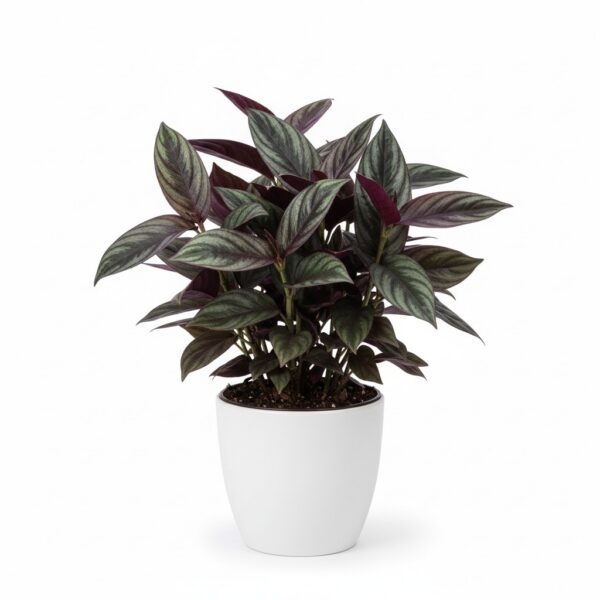
Persian Shield
Strobilanthes dyeriana
Persian Shield is a striking tropical foliage plant prized for its iridescent, metallic sheen on its leaves. The leaves display a vibrant mix of purple, silver, and green, creating a visually stunning display. It is naturally an outdoor plant in tropical climates, grown for its ornamental foliage. While it can be grown indoors, it requires specific conditions to thrive and maintain its vibrant color. It has a somewhat shrubby growth habit and is grown for its foliage rather than flowers.
Quick Plant Comparison
| Feature | Pak Choi | Persian Shield |
|---|---|---|
| Light | Full sun to partial shade. Requires at least 6 hours of direct sunlight daily for optimal growth. | Bright, indirect light. Requires several hours of bright light daily to maintain its vibrant coloration. |
| Watering | Every 2-3 days, depending on environmental conditions and soil drainage. | Every 5-7 days, depending on environmental conditions |
| Humidity | 40-60% | 60-80% |
| Temperature | 15-21°C | 18-27°C |
| Care Level | Expert | Moderate |
| Growth Rate | Fast | Fast |
| Max Height | 15-30 cm (indoors) | 0.6-1 meter indoors |
| Pet Safety | ❌ Toxic To Pets | ❌ Toxic To Pets |
| Soil | Well-draining, fertile soil rich in organic matter. A mix of potting soil, compost, and perlite is suitable. | Well-draining potting mix, such as a mix of peat moss, perlite, and vermiculite. |
| Beginner Friendly | ❌ No | With Caution |
| Weekly Maintenance | 15 minutes weekly | 15 minutes weekly |
🔬 Botanical Information — Comparing These Plants
Pak Choi
| Scientific Name | Brassica rapa subsp. chinensis |
|---|---|
| Family | Brassicaceae |
| Native To | China |
| Also Known As | Pak Choi, Bok Choy, Chinese Cabbage, White Cabbage |
| Leaves | Smooth, dark green, oval-shaped leaves with prominent veins. Stalks are crisp, white or light green, and succulent. |
| Flowers | Rarely flowers indoors. Outdoors, it produces small, yellow flowers on tall stalks if allowed to bolt. |
Persian Shield
| Scientific Name | Strobilanthes dyeriana |
|---|---|
| Family | Acanthaceae |
| Native To | Myanmar (Burma) |
| Also Known As | Persian Shield, Royal Persian Shield |
| Leaves | The leaves are lance-shaped with serrated edges and a pointed tip. They are typically 10-15 cm long and 5-8 cm wide. The upper surface of the leaves displays a vibrant mix of purple, silver, and green, while the underside is a deep purple. |
| Flowers | Persian Shield rarely flowers indoors. When it does flower, the blooms are small and insignificant, typically pale purple or white. |
📏 Size & Growth — Plant Comparison
Pak Choi
Persian Shield
🌱 Propagation — Comparing Plant Growth
Pak Choi
Methods: Seed
Difficulty: Easy
Tips: Sow seeds directly into the soil or start them indoors 4-6 weeks before the last frost. Keep the soil moist and provide adequate light.
Persian Shield
Methods: Stem cuttings
Difficulty: Easy
Tips: Take stem cuttings with at least 2-3 nodes. Remove the lower leaves and place the cutting in water or directly into moist potting mix. Keep the cutting in a warm, humid environment until roots develop.
✨ Benefits & Features — Comparing Plant Value
Pak Choi
Unlike head-forming cabbages, Pak Choi has a loose, open structure with distinct leaves and stalks. Its mild flavor makes it versatile in cooking.
- ✓ Fresh, homegrown vegetables
- ✓ Nutritional benefits from eating fresh produce
- ✓ Aesthetically pleasing green foliage
- ✓ Educational opportunity for children to learn about gardening
- ✓ Sustainable food source
- ⚠️ Toxic to pets
Persian Shield
The iridescent, metallic sheen on the leaves is what sets this plant apart. The combination of purple, silver, and green creates a unique and eye-catching display. The intensity of the colors can vary depending on the amount of light the plant receives.
- ✓ Adds vibrant color to indoor spaces
- ✓ Unique and eye-catching foliage
- ✓ Relatively easy to propagate
- ✓ Can be used to create a tropical vibe
- ✓ Provides a sense of accomplishment when thriving
- ⚠️ Toxic to pets
📅 Maintenance Schedule — Plant Care Comparison
Pak Choi
Persian Shield
🌞 Light Requirements
Pak Choi
Full sun to partial shade. Requires at least 6 hours of direct sunlight daily for optimal growth.
Low light tolerant: ❌ No
Persian Shield
Bright, indirect light. Requires several hours of bright light daily to maintain its vibrant coloration.
Low light tolerant: ❌ No
💧 Watering Needs
Pak Choi
Keep the soil consistently moist but not waterlogged. Water when the top inch of soil feels dry. Overwatering can lead to root rot, while underwatering can cause wilting and stunted growth.
Persian Shield
Water thoroughly when the top inch of soil feels dry to the touch. Avoid overwatering, as this can lead to root rot. Allow excess water to drain away. Underwatering will cause the leaves to droop and become dull.
🌡️ Temperature & Humidity
Pak Choi
Temperature: 15-21°C
Humidity: 40-60%
Persian Shield
Temperature: 18-27°C
Humidity: 60-80%
🤔 Which Plant Is Right For You?
Pak Choi
Brassica rapa subsp. chinensisExperienced gardeners who want to grow their own vegetables indoors with supplemental lighting.
✅ Choose This Plant If...
- You want to grow your own vegetables indoors.
- You have a very bright, sunny spot or grow lights.
- You enjoy the taste of Pak Choi and want a fresh supply.
- You are an experienced gardener looking for a new challenge.
- You want a fast-growing crop.
❌ Skip This Plant If...
- You don't have enough sunlight or grow lights.
- You are a beginner gardener.
- You have pets that might ingest the plant.
- You don't have time to monitor watering and temperature closely.
Persian Shield
Strobilanthes dyerianaExperienced plant enthusiasts who can provide the necessary light and humidity.
✅ Choose This Plant If...
- You want a plant with unique and eye-catching foliage.
- You can provide bright, indirect light and high humidity.
- You are willing to regularly fertilize the plant.
- You enjoy propagating plants from cuttings.
- You are looking for a plant to add a pop of color to your indoor space.
❌ Skip This Plant If...
- You have pets that might ingest the plant.
- You cannot provide adequate light and humidity.
- You are prone to overwatering plants.
🎯 Quick Verdict
⚡ Key Differences Between These Plants
Pak Choi is rated Expert care level, while Persian Shield is Moderate.
💡 Pro Tips For Comparing These Plants
Pak Choi Care Tips
Pak Choi is primarily an outdoor plant. Growing it indoors requires providing sufficient light (often with grow lights), maintaining consistent moisture, and managing temperature. It is prone to bolting (premature flowering) if exposed to high temperatures or inconsistent watering, making indoor cultivation challenging.
- Provide at least 6 hours of direct sunlight or 12-14 hours of grow light exposure daily.
- Use a well-draining potting mix to prevent root rot.
- Water regularly, keeping the soil consistently moist but not waterlogged.
- Fertilize every 2-3 weeks with a balanced liquid fertilizer.
- Monitor for pests and diseases regularly and treat promptly.
Persian Shield Care Tips
Persian Shield requires bright, indirect light and high humidity to maintain its vibrant color. It is prone to root rot if overwatered. Regular fertilization is needed during the growing season. It is toxic to pets, so keep it out of reach.
- Provide bright, indirect light to maintain vibrant color.
- Maintain high humidity levels (60-80%) using a humidifier or pebble tray.
- Water thoroughly when the top inch of soil feels dry.
- Fertilize regularly during the growing season with a balanced liquid fertilizer.
- Pinch back stems regularly to encourage bushier growth.
⚠️ Common Problems & Solutions — Plant Care Comparison
Pak Choi
Persian Shield
❓ Frequently Asked Questions — Comparing These Plants
Pak Choi
What are the light requirements for Pak Choi?
Pak Choi thrives in bright, direct sunlight, requiring at least 6 hours of sunlight daily to promote healthy growth and flowering. Insufficient light can lead to leggy growth and reduced flowering. When grown indoors, place Pak Choi near a south-facing window where it can receive ample sunlight. If natural light is limited, supplement with artificial grow lights, positioning them 6-12 inches above the plant. Rotate the plant regularly to ensure even light exposure on all sides. During winter months, when sunlight is less intense, increase the duration of artificial lighting to compensate for the lack of natural light. Providing adequate light is crucial for Pak Choi to develop strong stems, vibrant foliage, and abundant flowers.
How do I care for Pak Choi?
Caring for Pak Choi is relatively straightforward, making it an excellent choice for beginner gardeners. Provide it with at least 6 hours of direct sunlight daily, supplemented by artificial grow lights if necessary, especially during winter. Water deeply when the top inch of soil feels dry, ensuring good drainage to prevent root rot. Maintain a consistent soil moisture level, avoiding both overwatering and underwatering. Fertilize every 2-3 weeks with a balanced liquid fertilizer, increasing phosphorus before blooming. Ideal temperatures range from 15-24°C (60-75°F). Humidity levels should be moderate, around 50-60%. Protect from extreme heat and frost. Prune any yellowing or damaged leaves to encourage healthy growth and prevent disease. Monitor regularly for pests and diseases, addressing any issues promptly.
How do I propagate Pak Choi?
Pak Choi can be propagated by seed.
Persian Shield
What are the light requirements for Persian Shield?
Persian Shield requires bright, indirect light to maintain its vibrant coloration. Direct sunlight can scorch the leaves, while insufficient light can cause the colors to fade and the plant to become leggy. An east-facing window is ideal, providing gentle morning sun. A north- or west-facing window can also work if the light is bright enough.
How do I care for Persian Shield?
Persian Shield thrives in bright, indirect light and requires consistently moist soil. Water thoroughly when the top inch of soil feels dry, ensuring good drainage to prevent root rot. Maintain high humidity, ideally above 50%, through misting, pebble trays, or a humidifier. Fertilize monthly during the growing season (spring and summer) with a balanced liquid fertilizer diluted to half strength.
How do I propagate Persian Shield?
Persian Shield is easily propagated through stem cuttings. Take a 4-6 inch cutting from a healthy stem, removing the lower leaves. Dip the cut end in rooting hormone and plant in a well-draining potting mix. Keep the soil consistently moist and provide high humidity by covering the cutting with a plastic bag or placing it in a propagation dome. Roots should develop within 2-4 weeks.
Last updated: April 28, 2026 — Plant care data reviewed and verified by our editorial team.