
Painted Tongue vs Rock Rose Plant Comparison
Compare these two plants side by side — care needs, key differences, and which is right for your home.
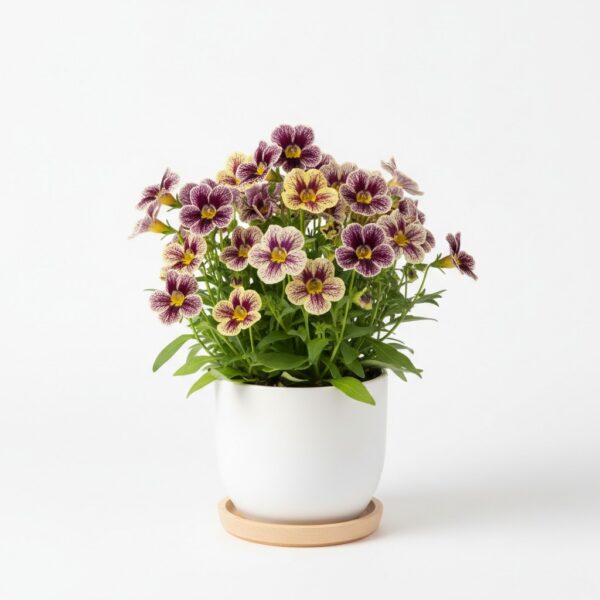
Painted Tongue
Salpiglossis sinuata
Salpiglossis sinuata, commonly known as Painted Tongue, is an annual flowering plant prized for its vibrant, trumpet-shaped flowers. Native to Chile, it typically grows to a height of 1 to 2 feet. The flowers come in a wide array of colors, including red, orange, yellow, purple, and bi-colors, often featuring intricate veining and a velvety texture. While primarily grown outdoors in gardens and borders, it can be challenging to cultivate indoors due to its high light requirements and need for consistent moisture. People grow it for its striking floral display and as a cut flower.

Rock Rose
Cistus spp.
Rock Roses (Cistus spp.) are evergreen shrubs prized for their papery, showy flowers that resemble wild roses. Native to the Mediterranean, they are well-adapted to hot, dry conditions. Typically grown outdoors in gardens and xeriscapes, they offer a splash of color with their blooms, which come in shades of white, pink, and purple, often with a blotch of yellow or maroon at the base of the petals. The foliage is often aromatic, adding to their appeal. They are not typically grown indoors due to their high light requirements and need for good air circulation.
Quick Plant Comparison
| Feature | Painted Tongue | Rock Rose |
|---|---|---|
| Light | Full sun to partial shade. Requires at least 6 hours of direct sunlight daily for optimal flowering. | Full sun (at least 6 hours of direct sunlight daily) |
| Watering | Every 2-3 days outdoors, less frequently if in partial shade or cooler temperatures. | Every 2-4 weeks, depending on weather and soil drainage |
| Humidity | 40-60% | 30-50% |
| Temperature | 15-24°C | 15-25°C |
| Care Level | Expert | Expert |
| Growth Rate | Moderate | Moderate |
| Max Height | 30-60 cm | 0.5-2 meters (outdoors) |
| Pet Safety | ❌ Toxic To Pets | ❌ Toxic To Pets |
| Soil | Well-draining, fertile soil. A mix of potting soil, perlite, and compost is suitable. | Well-draining, sandy or gravelly soil |
| Beginner Friendly | ❌ No | ❌ No |
| Weekly Maintenance | 30 minutes weekly | 15 minutes weekly (outdoors) |
🔬 Botanical Information — Comparing These Plants
Painted Tongue
| Scientific Name | Salpiglossis sinuata |
|---|---|
| Family | Solanaceae |
| Native To | Chile |
| Also Known As | Painted Tongue, Scalloped Tube Tongue, Velvet Trumpet Flower |
| Leaves | The leaves of Salpiglossis sinuata are lance-shaped and slightly sticky to the touch. They are typically green in color and have a slightly serrated edge. The leaves are arranged alternately along the stems and provide a backdrop for the vibrant flowers. |
| Flowers | Salpiglossis sinuata produces trumpet-shaped flowers in a wide range of colors, including red, orange, yellow, purple, and bi-colors. The flowers are approximately 2 inches in diameter and feature intricate veining and a velvety texture. While it can technically flower indoors given sufficient light, it is unlikely to thrive and bloom as profusely as it would outdoors. |
Rock Rose
| Scientific Name | Cistus spp. |
|---|---|
| Family | Cistaceae |
| Native To | Mediterranean region |
| Also Known As | Rock Rose, Sun Rose, Cistus |
| Leaves | The leaves are typically small, narrow, and lance-shaped, often covered in fine hairs. The color varies depending on the species, ranging from green to gray-green. Many species have aromatic foliage. |
| Flowers | Rock Roses produce showy, papery flowers in shades of white, pink, and purple, often with a blotch of yellow or maroon at the base of the petals. They rarely, if ever, flower indoors. |
📏 Size & Growth — Plant Comparison
Painted Tongue
Rock Rose
🌱 Propagation — Comparing Plant Growth
Painted Tongue
Methods: Seed
Difficulty: Easy
Tips: Sow seeds indoors 6-8 weeks before the last frost or directly outdoors after the danger of frost has passed. Provide consistent moisture and warmth for germination.
Rock Rose
Methods: Stem cuttings, Seed
Difficulty: Moderate
Tips: Take semi-hardwood cuttings in late summer. Dip in rooting hormone and plant in well-draining soil. Keep moist but not waterlogged. Seeds can be sown in spring after scarification.
✨ Benefits & Features — Comparing Plant Value
Painted Tongue
The Painted Tongue flower is known for its unique and intricate veining patterns on the petals, making each bloom distinct. The velvety texture of the petals adds to its visual appeal, creating a luxurious and eye-catching display.
- ✓ Adds vibrant color and beauty to the garden.
- ✓ Provides cut flowers for bouquets.
- ✓ Attracts pollinators such as bees and butterflies.
- ✓ Offers a rewarding gardening experience.
- ✓ Enhances the aesthetic appeal of outdoor spaces.
- ⚠️ Toxic to pets
Rock Rose
Rock Roses are known for their drought tolerance and ability to thrive in poor soils. Their papery flowers are short-lived but produced in abundance, creating a stunning display. The aromatic foliage adds to their appeal.
- ✓ Drought tolerance reduces water usage.
- ✓ Attracts pollinators like bees and butterflies.
- ✓ Adds vibrant color to the garden.
- ✓ Aromatic foliage provides a pleasant scent.
- ✓ Low maintenance once established.
- ⚠️ Toxic to pets
📅 Maintenance Schedule — Plant Care Comparison
Painted Tongue
Rock Rose
🌞 Light Requirements
Painted Tongue
Full sun to partial shade. Requires at least 6 hours of direct sunlight daily for optimal flowering.
Low light tolerant: ❌ No
Rock Rose
Full sun (at least 6 hours of direct sunlight daily)
Low light tolerant: ❌ No
💧 Watering Needs
Painted Tongue
Water regularly, keeping the soil consistently moist but not waterlogged. Allow the top inch of soil to dry out slightly between waterings. Overwatering can lead to root rot, while underwatering can cause wilting and reduced flowering. Ensure good drainage.
Rock Rose
Water deeply when the soil is dry to the touch. Avoid overwatering, as Rock Roses are susceptible to root rot. Allow the soil to dry out completely between waterings. Signs of underwatering include wilting leaves; overwatering includes yellowing leaves and potential fungal growth.
🌡️ Temperature & Humidity
Painted Tongue
Temperature: 15-24°C
Humidity: 40-60%
Rock Rose
Temperature: 15-25°C
Humidity: 30-50%
🤔 Which Plant Is Right For You?
Painted Tongue
Salpiglossis sinuataExperienced gardeners who want a vibrant, colorful annual flower for their outdoor garden.
✅ Choose This Plant If...
- You want a stunning display of colorful flowers in your garden.
- You enjoy growing cut flowers for bouquets.
- You have a sunny garden location with well-draining soil.
- You are an experienced gardener looking for a rewarding challenge.
- You want to attract pollinators to your garden.
❌ Skip This Plant If...
- You have limited sunlight available.
- You are a beginner gardener.
- You have pets that might ingest the plant.
- You are looking for a low-maintenance indoor plant.
Rock Rose
Cistus spp.Experienced gardeners in warm, dry climates looking for a drought-tolerant, flowering shrub for their garden.
✅ Choose This Plant If...
- You live in a warm, dry climate with plenty of sunshine.
- You want a drought-tolerant shrub for your garden.
- You appreciate aromatic foliage and showy flowers.
- You are an experienced gardener looking for a challenging plant.
- You want to attract pollinators to your garden.
❌ Skip This Plant If...
- You live in a cold climate with limited sunlight.
- You are a beginner gardener.
- You have pets that may ingest the plant.
- You want an easy-to-grow indoor plant.
🎯 Quick Verdict
⚡ Key Differences Between These Plants
Painted Tongue has moderate growth, while Rock Rose grows moderate.
💡 Pro Tips For Comparing These Plants
Painted Tongue Care Tips
Painted Tongue is primarily an outdoor plant and requires specific conditions to thrive. Indoor cultivation is challenging due to its high light requirements and need for consistent moisture. It needs full sun, well-draining soil, and regular fertilization. Expect limited success indoors.
- Start seeds indoors early to extend the blooming season.
- Provide support for taller plants to prevent them from flopping over.
- Deadhead spent flowers regularly to encourage continuous blooming.
- Protect plants from strong winds and heavy rain.
- Monitor for pests and diseases and treat promptly.
Rock Rose Care Tips
Rock Roses are best suited for outdoor environments with full sun and well-draining soil. Indoor cultivation is extremely challenging due to their high light requirements and need for excellent air circulation. They are drought-tolerant once established, but require careful watering to prevent root rot. Not recommended for indoor growing.
- Provide excellent drainage to prevent root rot.
- Water deeply but infrequently, allowing the soil to dry out completely between waterings.
- Prune lightly after flowering to maintain shape.
- Fertilize sparingly with a low-phosphorus fertilizer in spring.
- Protect from frost in colder climates by mulching around the base of the plant.
⚠️ Common Problems & Solutions — Plant Care Comparison
Painted Tongue
Rock Rose
❓ Frequently Asked Questions — Comparing These Plants
Painted Tongue
What are the light requirements for Painted Tongue?
Painted Tongue thrives in full sun, requiring at least 6 hours of direct sunlight per day to produce abundant and vibrant blooms. A south-facing window is ideal for indoor cultivation. Insufficient light can lead to leggy growth, reduced flowering, and duller colors. If growing indoors and natural light is limited, supplement with grow lights to ensure adequate illumination. Rotate the plant regularly to ensure even exposure to light on all sides. When transplanting outdoors, gradually acclimate the plant to full sun to prevent sunburn. Monitor the plant for signs of sun stress, such as scorched leaves, and adjust placement accordingly. Providing the right amount of light is crucial for the overall health and flowering of Painted Tongue.
How do I care for Painted Tongue?
Painted Tongue requires well-draining soil and a sunny location with at least 6 hours of direct sunlight daily. Water thoroughly when the top inch of soil feels dry, but avoid overwatering. Fertilize every 2-3 weeks during the growing season with a balanced liquid fertilizer, or a fertilizer higher in phosphorus to promote blooming. Deadhead spent flowers regularly to encourage continuous blooming. Provide support, such as stakes, if the plant becomes top-heavy. Maintain moderate humidity levels. Protect from frost and extreme temperatures. Repot in spring if the plant becomes root-bound. Monitor for pests like aphids and spider mites and treat promptly. Prune lightly after flowering to maintain shape and encourage future blooms. Ensure good air circulation to prevent fungal diseases. Avoid wetting the foliage during watering to minimize the risk of diseases.
How do I propagate Painted Tongue?
Painted Tongue can be propagated by stem cuttings, division or seeds.
Rock Rose
What are the light requirements for Rock Rose?
Rock Rose demands ample sunlight to thrive. Ideally, it needs at least six to eight hours of direct sunlight per day. Insufficient light will result in weak growth, sparse flowering, and leggy stems. When grown indoors, place Rock Rose near a south-facing window where it can receive maximum sunlight. If natural light is limited, supplement with grow lights. Rotate the plant regularly to ensure even exposure to light.
How do I care for Rock Rose?
Rock Rose thrives in full sun and well-draining soil. Water deeply but infrequently, allowing the soil to dry out completely between waterings. Overwatering is a common killer. Fertilize sparingly, once in early spring with a balanced fertilizer diluted to half strength to encourage blooming.
How do I propagate Rock Rose?
Rock Rose can be propagated through several methods. Stem cuttings are the most common. Take 4-6 inch cuttings from new growth in spring or early summer. Remove the lower leaves and dip the cut end in rooting hormone. Plant the cutting in a well-draining potting mix and keep it moist until roots develop, which usually takes several weeks.
Last updated: April 19, 2026 — Plant care data reviewed and verified by our editorial team.