
Painted Tongue vs Pine Tree Plant Comparison
Compare these two plants side by side — care needs, key differences, and which is right for your home.
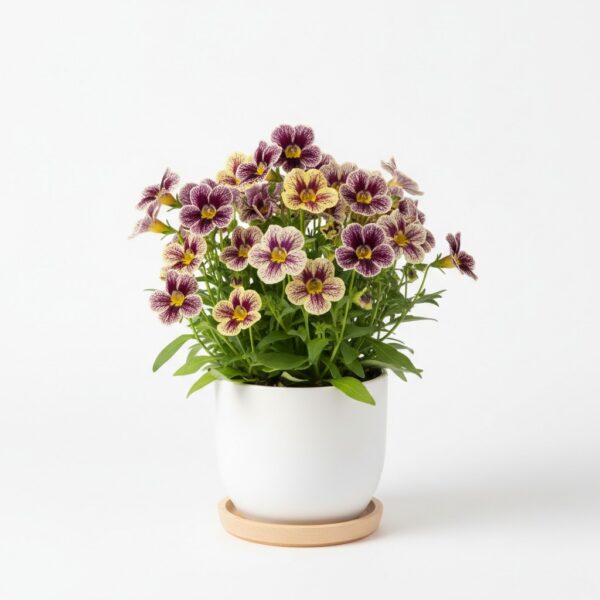
Painted Tongue
Salpiglossis sinuata
Salpiglossis sinuata, commonly known as Painted Tongue, is an annual flowering plant prized for its vibrant, trumpet-shaped flowers. Native to Chile, it typically grows to a height of 1 to 2 feet. The flowers come in a wide array of colors, including red, orange, yellow, purple, and bi-colors, often featuring intricate veining and a velvety texture. While primarily grown outdoors in gardens and borders, it can be challenging to cultivate indoors due to its high light requirements and need for consistent moisture. People grow it for its striking floral display and as a cut flower.

Pine Tree
Pinus spp.
Pine trees are coniferous evergreens characterized by their needle-like leaves arranged in bundles (fascicles). They are typically large, reaching significant heights and widths in their natural habitats. Pines are predominantly outdoor trees, thriving in full sun and well-drained soil. While some dwarf varieties exist, they are generally unsuitable for long-term indoor cultivation due to their size, light requirements, and need for a dormancy period. People grow them for timber, landscaping, and their aesthetic appeal in outdoor settings.
Quick Plant Comparison
| Feature | Painted Tongue | Pine Tree |
|---|---|---|
| Light | Full sun to partial shade. Requires at least 6 hours of direct sunlight daily for optimal flowering. | Full sun (at least 6-8 hours of direct sunlight daily) |
| Watering | Every 2-3 days outdoors, less frequently if in partial shade or cooler temperatures. | Outdoors: Varies depending on rainfall and soil drainage. Indoors (not recommended): When the top inch of soil is dry. |
| Humidity | 40-60% | 30-50% |
| Temperature | 15-24°C | 10-27°C |
| Care Level | Expert | Expert |
| Growth Rate | Moderate | Moderate To Fast, Depending On The Species |
| Max Height | 30-60 cm | Indoors: Not recommended for long-term indoor growth. Outdoors: Varies greatly by species, from 3 meters to over 80 meters. |
| Pet Safety | ❌ Toxic To Pets | ❌ Toxic To Pets |
| Soil | Well-draining, fertile soil. A mix of potting soil, perlite, and compost is suitable. | Well-draining, slightly acidic soil. A mix of sand, loam, and peat moss is suitable. |
| Beginner Friendly | ❌ No | ❌ No |
| Weekly Maintenance | 30 minutes weekly | 1-2 hours per month (for mature trees, excluding professional arborist care) |
🔬 Botanical Information — Comparing These Plants
Painted Tongue
| Scientific Name | Salpiglossis sinuata |
|---|---|
| Family | Solanaceae |
| Native To | Chile |
| Also Known As | Painted Tongue, Scalloped Tube Tongue, Velvet Trumpet Flower |
| Leaves | The leaves of Salpiglossis sinuata are lance-shaped and slightly sticky to the touch. They are typically green in color and have a slightly serrated edge. The leaves are arranged alternately along the stems and provide a backdrop for the vibrant flowers. |
| Flowers | Salpiglossis sinuata produces trumpet-shaped flowers in a wide range of colors, including red, orange, yellow, purple, and bi-colors. The flowers are approximately 2 inches in diameter and feature intricate veining and a velvety texture. While it can technically flower indoors given sufficient light, it is unlikely to thrive and bloom as profusely as it would outdoors. |
Pine Tree
| Scientific Name | Pinus spp. |
|---|---|
| Family | Pinaceae |
| Native To | Various species native to North America, Europe, Asia, and parts of Africa |
| Also Known As | Pine, Fir, Spruce (often confused) |
| Leaves | Pine needles are typically long and slender, ranging in color from light green to dark green or bluish-green. They are arranged in bundles (fascicles) of 2-5 needles, depending on the species. The needles are covered in a waxy coating that helps to reduce water loss. |
| Flowers | Pine trees produce separate male and female cones. The male cones are small and produce pollen, while the female cones are larger and develop into seed-bearing cones. Flowering is not relevant for indoor cultivation. |
📏 Size & Growth — Plant Comparison
Painted Tongue
Pine Tree
🌱 Propagation — Comparing Plant Growth
Painted Tongue
Methods: Seed
Difficulty: Easy
Tips: Sow seeds indoors 6-8 weeks before the last frost or directly outdoors after the danger of frost has passed. Provide consistent moisture and warmth for germination.
Pine Tree
Methods: Seed, Grafting, Cuttings (difficult)
Difficulty: Difficult
Tips: Seed propagation requires stratification. Grafting is the most reliable method for maintaining desired traits. Cuttings are difficult and require specific techniques.
✨ Benefits & Features — Comparing Plant Value
Painted Tongue
The Painted Tongue flower is known for its unique and intricate veining patterns on the petals, making each bloom distinct. The velvety texture of the petals adds to its visual appeal, creating a luxurious and eye-catching display.
- ✓ Adds vibrant color and beauty to the garden.
- ✓ Provides cut flowers for bouquets.
- ✓ Attracts pollinators such as bees and butterflies.
- ✓ Offers a rewarding gardening experience.
- ✓ Enhances the aesthetic appeal of outdoor spaces.
- ⚠️ Toxic to pets
Pine Tree
Pine trees are characterized by their needle-like leaves arranged in bundles called fascicles. They are adapted to a wide range of climates and soil conditions, making them a dominant species in many ecosystems. Their resinous wood is valued for its strength and durability.
- ✓ Provides shade
- ✓ Enhances property value
- ✓ Supports local ecosystems
- ✓ Improves air quality (outdoors)
- ✓ Offers a sense of tranquility and connection to nature.
- ⚠️ Toxic to pets
📅 Maintenance Schedule — Plant Care Comparison
Painted Tongue
Pine Tree
🌞 Light Requirements
Painted Tongue
Full sun to partial shade. Requires at least 6 hours of direct sunlight daily for optimal flowering.
Low light tolerant: ❌ No
Pine Tree
Full sun (at least 6-8 hours of direct sunlight daily)
Low light tolerant: ❌ No
💧 Watering Needs
Painted Tongue
Water regularly, keeping the soil consistently moist but not waterlogged. Allow the top inch of soil to dry out slightly between waterings. Overwatering can lead to root rot, while underwatering can cause wilting and reduced flowering. Ensure good drainage.
Pine Tree
Water deeply when the soil is dry to the touch, allowing excess water to drain away. Avoid overwatering, which can lead to root rot. Signs of underwatering include browning needles and dry soil. Signs of overwatering include yellowing needles and soggy soil.
🌡️ Temperature & Humidity
Painted Tongue
Temperature: 15-24°C
Humidity: 40-60%
Pine Tree
Temperature: 10-27°C
Humidity: 30-50%
🤔 Which Plant Is Right For You?
Painted Tongue
Salpiglossis sinuataExperienced gardeners who want a vibrant, colorful annual flower for their outdoor garden.
✅ Choose This Plant If...
- You want a stunning display of colorful flowers in your garden.
- You enjoy growing cut flowers for bouquets.
- You have a sunny garden location with well-draining soil.
- You are an experienced gardener looking for a rewarding challenge.
- You want to attract pollinators to your garden.
❌ Skip This Plant If...
- You have limited sunlight available.
- You are a beginner gardener.
- You have pets that might ingest the plant.
- You are looking for a low-maintenance indoor plant.
Pine Tree
Pinus spp.Outdoor landscaping and forestry purposes.
✅ Choose This Plant If...
- You have a large outdoor space suitable for a tree
- You want to provide habitat for wildlife
- You appreciate the aesthetic appeal of evergreen foliage
- You need a windbreak or privacy screen
- You want to grow a long-lived tree.
❌ Skip This Plant If...
- You live in an apartment with limited sunlight
- You are looking for an easy-to-care-for indoor plant
- You have pets that might ingest the needles or sap.
🎯 Quick Verdict
⚡ Key Differences Between These Plants
Painted Tongue has moderate growth, while Pine Tree grows moderate to fast, depending on the species.
💡 Pro Tips For Comparing These Plants
Painted Tongue Care Tips
Painted Tongue is primarily an outdoor plant and requires specific conditions to thrive. Indoor cultivation is challenging due to its high light requirements and need for consistent moisture. It needs full sun, well-draining soil, and regular fertilization. Expect limited success indoors.
- Start seeds indoors early to extend the blooming season.
- Provide support for taller plants to prevent them from flopping over.
- Deadhead spent flowers regularly to encourage continuous blooming.
- Protect plants from strong winds and heavy rain.
- Monitor for pests and diseases and treat promptly.
Pine Tree Care Tips
Pine trees are primarily outdoor plants and are extremely difficult to maintain indoors long-term. They require full sun, well-draining soil, and a distinct dormancy period with cooler temperatures. Indoor cultivation is generally unsuccessful and not recommended.
- Ensure proper drainage to prevent root rot
- Provide adequate sunlight for healthy growth
- Protect from extreme weather conditions
- Monitor for pests and diseases regularly
- Prune regularly to maintain shape and remove dead branches.
⚠️ Common Problems & Solutions — Plant Care Comparison
Painted Tongue
Pine Tree
❓ Frequently Asked Questions — Comparing These Plants
Painted Tongue
What are the light requirements for Painted Tongue?
Painted Tongue thrives in full sun, requiring at least 6 hours of direct sunlight per day to produce abundant and vibrant blooms. A south-facing window is ideal for indoor cultivation. Insufficient light can lead to leggy growth, reduced flowering, and duller colors. If growing indoors and natural light is limited, supplement with grow lights to ensure adequate illumination. Rotate the plant regularly to ensure even exposure to light on all sides. When transplanting outdoors, gradually acclimate the plant to full sun to prevent sunburn. Monitor the plant for signs of sun stress, such as scorched leaves, and adjust placement accordingly. Providing the right amount of light is crucial for the overall health and flowering of Painted Tongue.
How do I care for Painted Tongue?
Painted Tongue requires well-draining soil and a sunny location with at least 6 hours of direct sunlight daily. Water thoroughly when the top inch of soil feels dry, but avoid overwatering. Fertilize every 2-3 weeks during the growing season with a balanced liquid fertilizer, or a fertilizer higher in phosphorus to promote blooming. Deadhead spent flowers regularly to encourage continuous blooming. Provide support, such as stakes, if the plant becomes top-heavy. Maintain moderate humidity levels. Protect from frost and extreme temperatures. Repot in spring if the plant becomes root-bound. Monitor for pests like aphids and spider mites and treat promptly. Prune lightly after flowering to maintain shape and encourage future blooms. Ensure good air circulation to prevent fungal diseases. Avoid wetting the foliage during watering to minimize the risk of diseases.
How do I propagate Painted Tongue?
Painted Tongue can be propagated by stem cuttings, division or seeds.
Pine Tree
What are the light requirements for Pine Tree?
Pine Trees, even when grown indoors, crave bright light. Mimicking their natural habitat, they need at least 6-8 hours of indirect sunlight per day. The best location for your indoor Pine Tree is near a south-facing or east-facing window, where it can receive ample morning or afternoon light. If you don’t have access to sufficient natural light, supplement with artificial grow lights. Insufficient light can lead to leggy growth, yellowing needles, and overall decline in health. Be mindful of intense direct sunlight, which can scorch the needles. Filtered sunlight is ideal. Rotate your Pine Tree regularly to ensure all sides receive adequate light, promoting even growth. Monitor the plant’s response to the light and adjust its position as needed to optimize its health and vitality.
How do I care for Pine Tree?
Caring for an indoor Pine Tree requires attention to several key factors. Provide bright, indirect light, ideally near a sunny window. Water thoroughly when the top inch of soil feels dry, ensuring good drainage to prevent root rot. Use a well-draining potting mix formulated for conifers. Maintain moderate humidity levels, especially during the winter months when indoor air tends to be dry. Fertilize sparingly during the growing season (spring and summer) with a balanced, slow-release fertilizer. Prune lightly to maintain shape and remove any dead or diseased branches. Rotate the plant regularly to ensure even growth. Protect from extreme temperatures and drafts. Monitor for pests and address any infestations promptly. Repot every 2-3 years, or when the plant becomes root-bound, into a slightly larger pot. Consistent care and attention to these details will help your indoor Pine Tree thrive and bring beauty to your home for years to come. Provide stable conditions to prevent undue stress.
How do I propagate Pine Tree?
Propagating Pine Trees indoors can be challenging but rewarding. Stem cuttings are a common method. Take 4-6 inch cuttings from new growth in the spring or early summer. Remove the lower needles and dip the cut end in rooting hormone. Plant the cutting in a well-draining potting mix and keep it consistently moist. Cover the cutting with a plastic bag or humidity dome to create a humid environment. Rooting can take several weeks or months. Air layering is another method. Select a healthy branch and make a small incision in the bark. Apply rooting hormone to the incision and wrap it with moist sphagnum moss. Cover the moss with plastic wrap and secure it with tape. Keep the moss moist. Roots should develop within a few months. Once roots have formed, sever the branch below the roots and plant it in a pot. Ensure the cutting or air layered plant receives bright, indirect light and consistent moisture. Be patient, as propagation can be slow.
Last updated: May 13, 2026 — Plant care data reviewed and verified by our editorial team.