
New Zealand Flax vs Poppy Plant Comparison
Compare these two plants side by side — care needs, key differences, and which is right for your home.
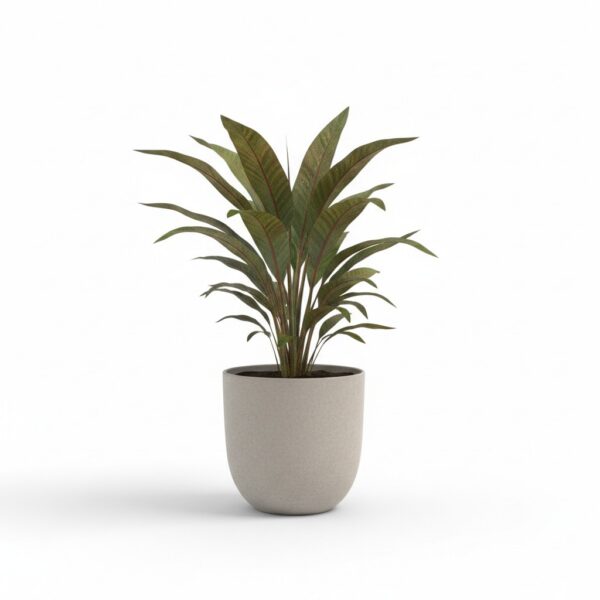
New Zealand Flax
Phormium tenax
Phormium tenax, commonly known as New Zealand Flax, is a large, evergreen perennial plant forming clumps of long, strap-like leaves. It's native to New Zealand and is primarily an outdoor plant, valued for its dramatic architectural form and fiber production. The leaves can grow up to 3 meters long and come in various colors, from green to bronze and variegated forms. While it can be grown indoors, it requires very bright light and significant space, making it challenging for most homes. People grow it for its striking appearance in gardens and landscapes.

Poppy
Papaver somniferum
Papaver somniferum, commonly known as the Opium Poppy, is an annual herbaceous plant characterized by its solitary, long-stemmed flowers. It typically grows to a height of 30-150 cm. The flowers are large, 7-10 cm in diameter, and come in various colors, including white, pink, red, purple, and occasionally nearly black. The plant is cultivated for its seeds, which are used in baking, and for the latex obtained from the unripe seed capsules, which contains opium alkaloids. While visually appealing, it is primarily an outdoor plant and faces significant challenges when grown indoors due to its high light requirements and size.
Quick Plant Comparison
| Feature | New Zealand Flax | Poppy |
|---|---|---|
| Light | Full sun to partial shade outdoors. Indoors, requires extremely bright, direct sunlight for several hours daily. | Full sun (at least 6-8 hours of direct sunlight daily) |
| Watering | Every 1-2 weeks, depending on light and temperature. Less frequent in winter. | Every 1-2 weeks, depending on weather and soil drainage |
| Humidity | 30-50% | 40-60% |
| Temperature | 10-27°C | 15-24°C |
| Care Level | Expert | Expert |
| Growth Rate | Moderate | Fast |
| Max Height | 1-2 meters indoors (much larger outdoors) | Outdoors: 30-150 cm; Indoors: Highly unlikely to thrive, but potentially up to 60 cm under ideal conditions. |
| Pet Safety | ❌ Toxic To Pets | ❌ Toxic To Pets |
| Soil | Well-draining soil is crucial. A mix of potting soil, sand, and perlite is suitable. | Well-draining, fertile soil. A mix of garden soil, compost, and perlite is suitable. |
| Beginner Friendly | ❌ No | ❌ No |
| Weekly Maintenance | 30 minutes weekly | 10-15 minutes weekly during the growing season. |
🔬 Botanical Information — Comparing These Plants
New Zealand Flax
| Scientific Name | Phormium tenax |
|---|---|
| Family | Asphodelaceae |
| Native To | New Zealand |
| Also Known As | New Zealand Flax, Harakeke |
| Leaves | Long, strap-like leaves that can grow up to 3 meters long. The leaves are stiff and leathery, with a smooth texture. Colors range from green to bronze, red, and variegated forms. |
| Flowers | Rarely flowers indoors. Outdoors, it produces tall flower stalks with reddish-brown flowers in summer. |
Poppy
| Scientific Name | Papaver somniferum |
|---|---|
| Family | Papaveraceae |
| Native To | Eastern Mediterranean region |
| Also Known As | Opium Poppy, Breadseed Poppy, Mawseed Poppy |
| Leaves | The leaves are glaucous green, lobed, and irregularly toothed. They are typically 10-25 cm long and are arranged alternately along the stem. |
| Flowers | Flowers are large (7-10 cm in diameter) and come in various colors, including white, pink, red, purple, and nearly black. They have four petals and a prominent central seed pod. Flowering is unlikely indoors. |
📏 Size & Growth — Plant Comparison
New Zealand Flax
Poppy
🌱 Propagation — Comparing Plant Growth
New Zealand Flax
Methods: Division, Seed
Difficulty: Moderate
Tips: Division is best done in spring. Carefully separate the rhizomes and plant them in well-draining soil. Seeds can be sown in spring after soaking them in water for 24 hours.
Poppy
Methods: Seed
Difficulty: Easy
Tips: Sow seeds directly into the soil in early spring or late fall. Seeds require light to germinate, so do not bury them deeply. Keep the soil moist until germination.
✨ Benefits & Features — Comparing Plant Value
New Zealand Flax
New Zealand Flax is known for its long, strap-like leaves and dramatic architectural form. It is a versatile plant that can be used in a variety of landscaping applications. The plant's fibers were traditionally used by the Maori people for weaving.
- ✓ Adds a dramatic architectural element to indoor or outdoor spaces.
- ✓ Provides a bold statement with its striking foliage.
- ✓ Offers a connection to New Zealand's natural heritage.
- ✓ Can be used as a privacy screen outdoors.
- ✓ Relatively low-maintenance once established (outdoors).
- ⚠️ Toxic to pets
Poppy
The Opium Poppy is unique due to its historical and cultural significance as a source of opium, as well as its beautiful and varied flower colors. It is also notable for its edible seeds, which are used in various culinary applications. The plant's latex contains various alkaloids, making it both medicinally important and potentially dangerous.
- ✓ Provides beautiful, colorful blooms
- ✓ Attracts pollinators to the garden
- ✓ Edible seeds can be harvested
- ✓ Adds a unique and historical element to the garden
- ✓ Can be used in cut flower arrangements
- ⚠️ Toxic to pets
📅 Maintenance Schedule — Plant Care Comparison
New Zealand Flax
Poppy
🌞 Light Requirements
New Zealand Flax
Full sun to partial shade outdoors. Indoors, requires extremely bright, direct sunlight for several hours daily.
Low light tolerant: ❌ No
Poppy
Full sun (at least 6-8 hours of direct sunlight daily)
Low light tolerant: ❌ No
💧 Watering Needs
New Zealand Flax
Water thoroughly when the top inch of soil is dry. Overwatering can lead to root rot, especially indoors. Allow the soil to dry slightly between waterings. Signs of underwatering include drooping leaves; overwatering includes yellowing leaves and a soggy soil.
Poppy
Water thoroughly when the top inch of soil feels dry. Avoid overwatering, which can lead to root rot. Ensure good drainage.
🌡️ Temperature & Humidity
New Zealand Flax
Temperature: 10-27°C
Humidity: 30-50%
Poppy
Temperature: 15-24°C
Humidity: 40-60%
🤔 Which Plant Is Right For You?
New Zealand Flax
Phormium tenaxExperienced plant enthusiasts with very bright indoor spaces or those looking for a striking outdoor plant.
✅ Choose This Plant If...
- You have a very bright, sunny indoor space and want a statement plant.
- You live in a mild climate and want a striking evergreen for your garden.
- You appreciate plants with architectural form and interesting foliage.
- You are interested in the traditional uses of plants and their cultural significance.
- You are an experienced plant owner looking for a challenging indoor plant project.
❌ Skip This Plant If...
- You have limited indoor space.
- You have pets that might ingest the plant.
- You struggle to provide bright, direct sunlight.
- You are a beginner plant owner.
- You tend to overwater your plants.
Poppy
Papaver somniferumExperienced gardeners in suitable climates who wish to grow them outdoors for ornamental purposes or seed production.
✅ Choose This Plant If...
- You have a sunny outdoor garden space
- You want to harvest seeds for baking
- You appreciate the historical significance of the plant
- You are an experienced gardener looking for a unique challenge
- You live in a climate with cool summers and mild winters
❌ Skip This Plant If...
- You have pets or small children due to toxicity
- You lack a sunny outdoor space
- You are a beginner gardener
- You live in a very hot or humid climate
- You are looking for a low-maintenance indoor plant
🎯 Quick Verdict
⚡ Key Differences Between These Plants
New Zealand Flax has moderate growth, while Poppy grows fast.
💡 Pro Tips For Comparing These Plants
New Zealand Flax Care Tips
New Zealand Flax is primarily an outdoor plant and requires expert care to thrive indoors. It needs very bright light, well-draining soil, and careful watering to avoid root rot. Due to its size and light requirements, it's not well-suited for most indoor environments.
- Provide at least 6 hours of direct sunlight daily indoors.
- Ensure excellent drainage to prevent root rot.
- Water deeply but infrequently, allowing the soil to dry slightly between waterings.
- Fertilize regularly during the growing season.
- Monitor for pests and diseases and treat promptly.
Poppy Care Tips
Opium Poppies are primarily outdoor plants that require full sun and well-draining soil. Indoor cultivation is extremely challenging due to their high light needs and potential size. They are also toxic to pets, requiring careful placement if grown in a household with animals.
- Sow seeds directly into the ground in early spring or late fall.
- Ensure well-draining soil to prevent root rot.
- Provide full sun for optimal growth and flowering.
- Deadhead spent flowers to encourage more blooms.
- Protect from strong winds, which can damage the delicate stems.
⚠️ Common Problems & Solutions — Plant Care Comparison
New Zealand Flax
Poppy
❓ Frequently Asked Questions — Comparing These Plants
New Zealand Flax
What are the light requirements for New Zealand Flax?
New Zealand Flax prefers bright, indirect light. Placing it near an east-facing window is ideal, as it receives gentle morning sun. A south-facing window can also work, but be sure to filter the light with a sheer curtain to prevent leaf burn. Insufficient light can lead to leggy growth and faded leaf colors. Rotate the plant regularly to ensure even light exposure on all sides. If natural light is limited, supplement with grow lights to maintain healthy growth. Consider the intensity and duration of light, aiming for at least 6 hours of bright, indirect light per day. Consistent light exposure is crucial for vibrant foliage.
How do I care for New Zealand Flax?
New Zealand Flax thrives with bright, indirect light; avoid direct sunlight to prevent scorching. Water thoroughly when the top inch of soil feels dry, ensuring good drainage to prevent root rot. Maintain moderate humidity levels. Ideal temperatures range from 60-80°F (15-27°C). Fertilize during the growing season (spring and summer) with a balanced liquid fertilizer diluted to half strength every 4-6 weeks. Repot every 2-3 years or when the plant becomes root-bound, using a well-draining potting mix. Prune dead or damaged leaves regularly to maintain appearance and promote healthy growth. Provide adequate ventilation to prevent fungal diseases. Monitor for pests such as spider mites and treat promptly. Stable conditions are key to success.
How do I propagate New Zealand Flax?
New Zealand Flax can be propagated through stem cuttings or division. For stem cuttings, take a healthy cutting from a mature plant, ensuring it has at least one node. Remove the lower leaves and place the cutting in water or directly into a well-draining potting mix. Keep the cutting moist and in a warm, bright location until roots develop. For division, carefully separate the root ball of a mature plant into smaller sections, ensuring each section has healthy roots and foliage. Plant each section in its own pot with well-draining potting mix. Water thoroughly and keep in a warm, bright location. Propagation is best done in spring or summer. Use rooting hormone to improve success rates.
Poppy
What are the light requirements for Poppy?
Poppies require at least 6-8 hours of direct sunlight per day to thrive and produce abundant blooms. Insufficient light can result in leggy growth, weak stems, and reduced flowering. Choose a location that receives full sun throughout the day, such as a south-facing garden or a sunny windowsill if growing indoors. If growing indoors, supplement with grow lights if natural light is limited. Rotate your poppy plants regularly to ensure even light exposure on all sides. Avoid placing them in shady areas or locations with filtered light, as this will hinder their growth and flowering potential.
How do I care for Poppy?
Poppies thrive in full sun and well-drained soil. Sow seeds directly into the ground in early spring or fall, as they dislike transplanting. Water regularly, especially during dry periods, but avoid overwatering, which can lead to root rot. Fertilize lightly with a balanced fertilizer during the growing season to encourage blooming. Deadhead spent flowers to promote continued blooming. Poppies are generally low-maintenance plants, but they may require staking if they become tall and leggy. Protect them from strong winds and heavy rain to prevent damage to their delicate petals. In colder climates, some poppy varieties may need winter protection. Monitor for pests and diseases, and treat promptly if necessary. Proper care will reward you with a stunning display of colorful blooms.
How do I propagate Poppy?
Poppies are typically propagated by seed. Sow seeds directly into the ground in early spring or fall. Choose a sunny location with well-drained soil. Scatter the seeds evenly and lightly cover them with soil. Keep the soil moist until germination. Thin seedlings to allow adequate space for growth. Division is possible with some perennial varieties. Carefully dig up the plant and divide the root ball into smaller sections. Replant the sections in well-drained soil. Stem cuttings are not typically used for poppy propagation. Keiki propagation is not applicable to poppies.
Last updated: May 12, 2026 — Plant care data reviewed and verified by our editorial team.