
Needle Palm vs Pagoda Dogwood Plant Comparison
Compare these two plants side by side — care needs, key differences, and which is right for your home.

Needle Palm
Rhapidophyllum hystrix
The Needle Palm is a slow-growing, clumping palm native to the southeastern United States. It is known for its exceptional cold hardiness, making it one of the most cold-tolerant palms in the world. Its leaves are fan-shaped, deeply divided, and a rich green color. Sharp, needle-like spines emerge from the base of the leaves, giving the plant its common name. While primarily an outdoor plant, it is sometimes grown indoors, though it requires very bright light and careful attention to humidity. People grow it for its unique appearance, cold hardiness, and relatively small size compared to other palms.
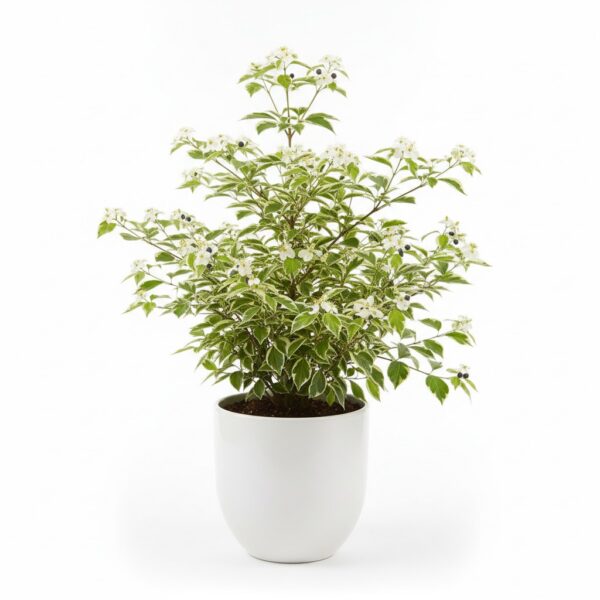
Pagoda Dogwood
Cornus alternifolia
Pagoda Dogwood is a small deciduous tree or large shrub, typically reaching 15-25 feet in height. It's known for its distinctive tiered branching pattern, resembling a pagoda. The leaves are alternate (unlike most other dogwoods), ovate, and dark green, turning reddish-purple in the fall. Creamy white flowers bloom in flat-topped clusters in late spring, followed by bluish-black berries that attract birds. It's primarily grown for its ornamental value, especially its unique branching structure and fall color. This is an outdoor plant and not suited for indoor growing.
Quick Plant Comparison
| Feature | Needle Palm | Pagoda Dogwood |
|---|---|---|
| Light | Full sun to partial shade. Requires at least 6 hours of direct sunlight for optimal growth and health. | Full sun to partial shade |
| Watering | Every 1-2 weeks, depending on environmental conditions. | Once or twice a week during the growing season, less frequently in fall and winter depending on rainfall. |
| Humidity | 40-60% | 30-60% |
| Temperature | 18-27°C | 10-27°C |
| Care Level | Expert | Expert |
| Growth Rate | Slow | Moderate |
| Max Height | 1-2 meters (indoors, if grown) | 15-25 feet (outdoor) |
| Pet Safety | ❌ Toxic To Pets | ❌ Toxic To Pets |
| Soil | Well-draining, sandy loam soil. A mix of potting soil, perlite, and sand is suitable. | Well-drained, slightly acidic soil. A mix of loam, sand, and organic matter is ideal. |
| Beginner Friendly | ❌ No | ❌ No |
| Weekly Maintenance | 15 minutes weekly | 30 minutes weekly (watering, pruning, fertilizing) |
🔬 Botanical Information — Comparing These Plants
Needle Palm
| Scientific Name | Rhapidophyllum hystrix |
|---|---|
| Family | Arecaceae |
| Native To | Southeastern United States |
| Also Known As | Needle Palm |
| Leaves | The leaves are fan-shaped (palmate), deeply divided into segments, and a rich green color. They are typically 1-2 meters long and wide. Sharp, needle-like spines emerge from the base of the leaves, providing protection and giving the plant its name. |
| Flowers | Needle Palms rarely flower indoors. Outdoors, they produce small, inconspicuous flowers in spring, followed by small, brown fruits. |
Pagoda Dogwood
| Scientific Name | Cornus alternifolia |
|---|---|
| Family | Cornaceae |
| Native To | Eastern North America |
| Also Known As | Pagoda Dogwood, Alternate-leaf Dogwood |
| Leaves | The leaves are alternate, ovate to elliptic, 2-5 inches long, and dark green with prominent veins. They turn reddish-purple in the fall, providing a beautiful display. |
| Flowers | The Pagoda Dogwood produces creamy white flowers in flat-topped clusters (cymes) in late spring. While it doesn't flower indoors (as it's an outdoor plant), the flowers are quite showy and attractive in their natural environment. |
📏 Size & Growth — Plant Comparison
Needle Palm
Pagoda Dogwood
🌱 Propagation — Comparing Plant Growth
Needle Palm
Methods: Seed, Division of rhizomes
Difficulty: Moderate
Tips: Seeds require scarification and a warm, humid environment to germinate. Division of rhizomes is best done in spring. Ensure each division has healthy roots and leaves.
Pagoda Dogwood
Methods: Seed, softwood cuttings, layering
Difficulty: Moderate
Tips: Softwood cuttings taken in late spring or early summer root best. Layering is also a reliable method. Seeds require stratification for successful germination.
✨ Benefits & Features — Comparing Plant Value
Needle Palm
The Needle Palm is known for its exceptional cold hardiness, tolerating temperatures down to -23°C. Its sharp, needle-like spines are another distinguishing feature. It is also a relatively slow-growing palm, making it suitable for smaller spaces.
- ✓ Unique and exotic appearance adds visual interest to indoor spaces.
- ✓ Relatively low maintenance once established (outdoors).
- ✓ Drought-tolerant once established (outdoors).
- ✓ Provides a touch of the tropics to cooler climates (outdoors).
- ✓ Can be a conversation starter due to its unique characteristics.
- ⚠️ Toxic to pets
Pagoda Dogwood
The Pagoda Dogwood stands out due to its distinct horizontal branching pattern, giving it a tiered or pagoda-like appearance. Unlike most dogwoods, it has alternate leaves, adding to its unique charm.
- ✓ Provides beautiful fall color
- ✓ Attracts birds to the garden
- ✓ Offers unique aesthetic appeal with its tiered branching
- ✓ Provides shade in the summer
- ✓ Can increase property value.
- ⚠️ Toxic to pets
📅 Maintenance Schedule — Plant Care Comparison
Needle Palm
Pagoda Dogwood
🌞 Light Requirements
Needle Palm
Full sun to partial shade. Requires at least 6 hours of direct sunlight for optimal growth and health.
Low light tolerant: ❌ No
Pagoda Dogwood
Full sun to partial shade
Low light tolerant: ❌ No
💧 Watering Needs
Needle Palm
Water thoroughly when the top inch of soil is dry. Ensure good drainage to prevent root rot. Overwatering can lead to yellowing leaves and root rot. Underwatering will cause the leaves to droop and brown at the tips.
Pagoda Dogwood
Water deeply and regularly, especially during dry periods. Established trees are relatively drought-tolerant, but young trees need consistent moisture. Overwatering can lead to root rot, so ensure good drainage. Check soil moisture before watering.
🌡️ Temperature & Humidity
Needle Palm
Temperature: 18-27°C
Humidity: 40-60%
Pagoda Dogwood
Temperature: 10-27°C
Humidity: 30-60%
🤔 Which Plant Is Right For You?
Needle Palm
Rhapidophyllum hystrixExperienced plant enthusiasts looking for a unique and challenging indoor palm.
✅ Choose This Plant If...
- You want a unique and visually striking palm with a distinctive appearance.
- You are an experienced plant owner looking for a challenging project.
- You can provide very bright, direct sunlight indoors.
- You appreciate slow-growing plants that don't require frequent repotting.
- You want a conversation starter plant that is not commonly found indoors.
❌ Skip This Plant If...
- You are a beginner plant owner.
- You cannot provide adequate bright light indoors.
- You have pets that might ingest the plant.
- You prefer fast-growing plants.
- You don't want to deal with sharp spines.
Pagoda Dogwood
Cornus alternifoliaGardeners with sufficient outdoor space who appreciate ornamental trees with unique branching patterns and fall color.
✅ Choose This Plant If...
- You have a large outdoor space for a small tree or shrub.
- You want a plant with beautiful fall color.
- You want to attract birds to your garden.
- You appreciate unique branching patterns.
- You live in a region with a suitable climate (eastern North America).
❌ Skip This Plant If...
- You have limited outdoor space.
- You are looking for an indoor plant.
- You have pets that might ingest the plant.
- You live in a very hot or dry climate without supplemental watering.
- You are not prepared to deal with potential pest or disease issues.
🎯 Quick Verdict
⚡ Key Differences Between These Plants
Needle Palm has slow growth, while Pagoda Dogwood grows moderate.
💡 Pro Tips For Comparing These Plants
Needle Palm Care Tips
Needle Palms are primarily outdoor plants and require very specific conditions to thrive indoors. They need bright light, well-draining soil, and careful watering. Maintaining adequate humidity can also be challenging. Due to their slow growth and specific needs, they are best suited for experienced plant owners.
- Provide at least 6 hours of direct sunlight daily. Supplement with grow lights if necessary.
- Use a well-draining soil mix to prevent root rot.
- Water thoroughly when the top inch of soil is dry, but avoid overwatering.
- Maintain humidity levels around 40-60% using a humidifier or pebble tray.
- Fertilize with a slow-release palm fertilizer in spring and summer.
Pagoda Dogwood Care Tips
Pagoda Dogwood is an outdoor tree that requires specific conditions to thrive. It is not suitable for indoor growing. It needs full sun to partial shade, well-drained soil, and regular watering, especially when young. It is toxic to pets. Indoor attempts will likely fail due to light and space requirements.
- Water deeply during dry periods, especially when young.
- Apply a layer of mulch around the base of the tree to retain moisture and suppress weeds.
- Protect young trees from deer browsing.
- Monitor for signs of pests and diseases and treat promptly.
- Prune in late winter or early spring to maintain shape and remove dead or diseased branches.
⚠️ Common Problems & Solutions — Plant Care Comparison
Needle Palm
Pagoda Dogwood
❓ Frequently Asked Questions — Comparing These Plants
Needle Palm
What are the light requirements for Needle Palm?
Needle Palms prefer bright, indirect light. While they can tolerate some direct sunlight, especially mature plants, prolonged exposure to intense sun can scorch their fronds. An east-facing window is often ideal, providing morning sun without the harsh afternoon rays. If grown indoors, rotate the plant regularly to ensure even light exposure on all sides. If the leaves begin to pale or turn yellow, it may indicate the plant is receiving too much direct sunlight. Conversely, if the growth becomes leggy or the fronds appear weak, it might not be getting enough light. Supplementing with grow lights can be beneficial in areas with low natural light.
How do I care for Needle Palm?
Needle Palms thrive in bright, indirect light but can tolerate some direct sun, especially when mature. Water thoroughly when the top inch of soil is dry, ensuring good drainage to prevent root rot. Maintain moderate to high humidity, especially indoors, using a humidifier or pebble tray. Fertilize sparingly during the growing season (spring and summer) with a balanced palm fertilizer. Repot only when the plant becomes root-bound, usually every few years. Provide temperatures between 60-85°F (15-29°C). Prune away any dead or damaged fronds. Protect from frost in colder climates, although they are cold hardy. Avoid overwatering, which can lead to fungal diseases. Ensure proper air circulation to prevent pest infestations. Monitor for pests like spider mites and scale. Clean foliage regularly to remove dust.
How do I propagate Needle Palm?
Needle Palms can be propagated by seeds or division of clumping types. For seeds, soak them in warm water for 24 hours before sowing in a well-draining seed-starting mix. Keep the soil consistently moist and provide warmth. Germination can be slow and erratic. Division is best done in spring. Carefully separate the clumps, ensuring each division has healthy roots. Plant the divisions in well-draining soil and water thoroughly. Keep the newly divided plants in a shaded area until they establish new growth. Division is more reliable than seed propagation. Patience is key, as Needle Palms are slow growers.
Pagoda Dogwood
What are the light requirements for Pagoda Dogwood?
Pagoda Dogwood thrives in bright, indirect light when grown indoors. Avoid placing it in direct sunlight, especially during the hottest part of the day, as this can scorch its leaves. An east-facing window is often ideal, providing gentle morning light. A north-facing window can also work if supplemented with grow lights.
How do I care for Pagoda Dogwood?
Growing Pagoda Dogwood indoors requires attention to several key factors. Provide bright, indirect light, avoiding direct sunlight which can scorch the leaves. Water thoroughly when the top inch of soil feels dry, ensuring good drainage to prevent root rot. Maintain moderate humidity levels by misting regularly or using a humidifier.
How do I propagate Pagoda Dogwood?
Pagoda Dogwood can be propagated through stem cuttings or air layering. For stem cuttings, take a 4-6 inch cutting from new growth in late spring or early summer. Remove the lower leaves and dip the cut end in rooting hormone. Plant the cutting in a well-draining potting mix and keep it moist. Cover with a plastic bag to maintain humidity. Roots should develop in 6-8 weeks.
Last updated: April 19, 2026 — Plant care data reviewed and verified by our editorial team.