
Muscari vs Rain Lily Plant Comparison
Compare these two plants side by side — care needs, key differences, and which is right for your home.

Muscari
Muscari armeniacum
Muscari armeniacum, commonly known as Grape Hyacinth, is a bulbous perennial prized for its clusters of tightly packed, bell-shaped flowers resembling bunches of grapes. It typically grows to a height of 6-8 inches. It's primarily an outdoor plant, thriving in gardens and naturalized areas. People grow it for its early spring blooms, vibrant blue color, and ease of cultivation. While it can be forced indoors for temporary enjoyment, it's not ideally suited as a long-term indoor plant due to its need for a cold dormancy period and bright sunlight.
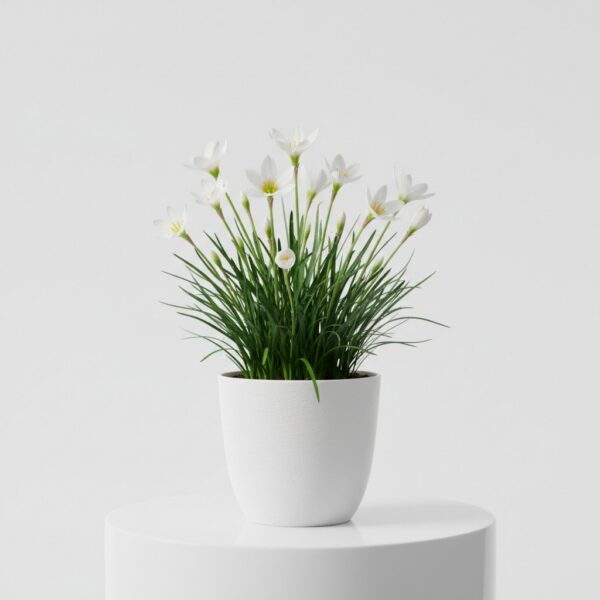
Rain Lily
Zephyranthes spp.
Rain Lilies are small, bulbous perennials known for their delightful, trumpet-shaped flowers that often appear after rainfall, hence the name. They typically grow to a height of 15-30 cm. The foliage consists of slender, grass-like leaves. While they can be grown indoors, they thrive outdoors in well-draining soil and plenty of sunlight. People grow them for their charming blooms, ease of care (outdoors), and ability to naturalize in suitable climates. They are popular in rock gardens, borders, and containers.
Quick Plant Comparison
| Feature | Muscari | Rain Lily |
|---|---|---|
| Light | Full sun to partial shade outdoors. Indoors, requires very bright, direct light. | Full sun to partial shade. Requires at least 6 hours of direct sunlight daily for optimal flowering. |
| Watering | Every 10-14 days outdoors during the growing season; every 2-3 weeks indoors | Every 7-10 days during the growing season, less frequently during dormancy. |
| Humidity | 30-50% | 40-60% |
| Temperature | 10-21°C | 18-27°C |
| Care Level | Expert | Expert |
| Growth Rate | Moderate; Can Naturalize And Spread Readily Outdoors | Moderate |
| Max Height | 6-8 inches (15-20 cm) | 15-30 cm |
| Pet Safety | ❌ Toxic To Pets | ❌ Toxic To Pets |
| Soil | Well-draining soil, such as a mix of potting soil, sand, and perlite. | Well-draining soil mix, such as a sandy loam or a mix of potting soil, perlite, and sand. |
| Beginner Friendly | ❌ No | ❌ No |
| Weekly Maintenance | 5 minutes weekly (outdoors during growing season) | 5 minutes weekly (outdoors) |
🔬 Botanical Information — Comparing These Plants
Muscari
| Scientific Name | Muscari armeniacum |
|---|---|
| Family | Asparagaceae |
| Native To | Southeastern Europe, specifically Armenia and the Caucasus region |
| Also Known As | Grape Hyacinth, Armenian Grape Hyacinth |
| Leaves | Basal, linear, strap-like leaves that emerge in the fall or early spring. The leaves are typically 6-8 inches long and green in color. |
| Flowers | Flowers rarely indoors unless forced. Outdoors, it produces dense clusters of small, bell-shaped, fragrant flowers, typically in shades of blue, but also available in white and pink. |
Rain Lily
| Scientific Name | Zephyranthes spp. |
|---|---|
| Family | Amaryllidaceae |
| Native To | Americas, from the United States to Argentina |
| Also Known As | Rain Lily, Fairy Lily, Zephyr Lily |
| Leaves | The leaves are slender, linear, and grass-like, typically 15-30 cm long and 0.5-1 cm wide. They are usually a medium green color and have a smooth texture. |
| Flowers | Rain Lilies can flower indoors, but it is less common and less prolific than outdoors. The flowers are trumpet-shaped, with six petals, and come in various colors, including white, pink, yellow, and red. They typically last for a few days. |
📏 Size & Growth — Plant Comparison
Muscari
Rain Lily
🌱 Propagation — Comparing Plant Growth
Muscari
Methods: Bulb offsets, Seed
Difficulty: Easy
Tips: Separate bulb offsets in the fall and replant them in well-draining soil. Seeds can be sown in the fall or spring.
Rain Lily
Methods: Division, Seed
Difficulty: Easy
Tips: Divide bulbs after flowering or collect and sow seeds in spring. For division, gently separate offsets from the main bulb and replant them in well-draining soil. For seeds, sow them in a seed-starting mix and keep them moist until germination.
✨ Benefits & Features — Comparing Plant Value
Muscari
The intense blue color and grape-like clusters of flowers are distinctive. It naturalizes easily in suitable conditions, forming colonies over time.
- ✓ Provides early spring color in the garden
- ✓ Attracts pollinators like bees and butterflies
- ✓ Relatively easy to grow outdoors
- ✓ Can be used in cut flower arrangements
- ✓ Adds a touch of whimsy to the landscape
- ⚠️ Toxic to pets
Rain Lily
The most unique characteristic is their tendency to bloom after rainfall, a phenomenon that is triggered by the sudden increase in moisture. This makes them a delightful surprise in the garden. The flowers are also relatively short-lived, adding to their ephemeral charm.
- ✓ Attracts pollinators to the garden.
- ✓ Adds a splash of color to the landscape.
- ✓ Low maintenance once established.
- ✓ Can be grown in containers or in the ground.
- ✓ Provides a natural, informal aesthetic.
- ⚠️ Toxic to pets
📅 Maintenance Schedule — Plant Care Comparison
Muscari
Rain Lily
🌞 Light Requirements
Muscari
Full sun to partial shade outdoors. Indoors, requires very bright, direct light.
Low light tolerant: ❌ No
Rain Lily
Full sun to partial shade. Requires at least 6 hours of direct sunlight daily for optimal flowering.
Low light tolerant: ❌ No
💧 Watering Needs
Muscari
Outdoors, water regularly during the growing season, allowing the soil to dry slightly between waterings. Reduce watering after flowering as the plant enters dormancy. Indoors, water sparingly, ensuring the soil doesn't become waterlogged. Overwatering can lead to bulb rot. Underwatering will cause the leaves to wilt and the plant to fail to thrive.
Rain Lily
Water thoroughly when the top inch of soil feels dry. Avoid overwatering, which can lead to bulb rot. Reduce watering during dormancy. Signs of overwatering include yellowing leaves and a mushy bulb. Underwatering results in dry, brittle leaves and stunted growth.
🌡️ Temperature & Humidity
Muscari
Temperature: 10-21°C
Humidity: 30-50%
Rain Lily
Temperature: 18-27°C
Humidity: 40-60%
🤔 Which Plant Is Right For You?
Muscari
Muscari armeniacumGardeners looking for early spring blooms in their outdoor gardens.
✅ Choose This Plant If...
- You want early spring blooms in your garden.
- You appreciate vibrant blue flowers.
- You want to attract pollinators to your garden.
- You are experienced with providing cold dormancy for bulbs.
- You understand the plant is toxic to pets and can keep it away from them.
❌ Skip This Plant If...
- You are looking for a low-maintenance indoor plant.
- You cannot provide a cold dormancy period.
- You have pets that may ingest the plant.
Rain Lily
Zephyranthes spp.Gardeners in warm climates looking for low-maintenance, flowering plants for borders, rock gardens, or containers.
✅ Choose This Plant If...
- You live in a warm climate with mild winters.
- You want a low-maintenance plant for your garden.
- You enjoy flowers that bloom after rainfall.
- You have a sunny garden or rock garden.
- You want to attract pollinators to your garden.
❌ Skip This Plant If...
- You live in a cold climate with harsh winters.
- You have pets that might ingest the plant.
- You don't have a sunny location.
- You want a plant that flowers reliably indoors.
🎯 Quick Verdict
⚡ Key Differences Between These Plants
Muscari has moderate; can naturalize and spread readily outdoors growth, while Rain Lily grows moderate.
💡 Pro Tips For Comparing These Plants
Muscari Care Tips
Muscari armeniacum is primarily an outdoor plant. While it can be forced indoors for short periods, it requires very bright light and a cold dormancy period to thrive. Maintaining these conditions indoors can be challenging. It is also toxic to pets.
- Plant bulbs in well-draining soil in the fall.
- Provide a cold dormancy period for optimal flowering.
- Water regularly during the growing season, but avoid overwatering.
- Fertilize in early spring with a balanced fertilizer.
- Deadhead spent flowers to encourage bulb growth.
Rain Lily Care Tips
Rain Lilies are best suited for outdoor cultivation. Indoor growing is challenging due to high light requirements. They need well-draining soil, regular watering during the growing season, and protection from frost. Indoor plants rarely flower as prolifically as outdoor ones.
- Plant bulbs in well-draining soil to prevent rot.
- Provide full sun for optimal flowering.
- Water deeply but infrequently, allowing the soil to dry out between waterings.
- Fertilize during the growing season to encourage blooms.
- Protect from frost in colder climates.
⚠️ Common Problems & Solutions — Plant Care Comparison
Muscari
Rain Lily
❓ Frequently Asked Questions — Comparing These Plants
Muscari
What are the light requirements for Muscari?
Muscari thrives in full sun to partial shade. Ideally, they should receive at least six hours of direct sunlight per day, especially during their active growing and blooming period in the spring. In hotter climates, providing some afternoon shade can prevent the foliage from scorching. If grown indoors, place Muscari near a sunny window where they can receive ample light. Insufficient light can result in leggy growth and reduced flowering. Rotate potted plants regularly to ensure even exposure to light on all sides. When planting in the garden, consider the position of trees and other structures that may cast shadows as the seasons change.
How do I care for Muscari?
Muscari are generally low-maintenance plants. Plant bulbs in the fall, about 4 inches deep and 3 inches apart, in well-draining soil. Choose a location that receives full sun to partial shade. Water thoroughly after planting and then sparingly throughout the winter, only when the soil is dry to the touch. In the spring, as the plants begin to grow, increase watering frequency. Fertilize in the fall when planting and again in early spring with a balanced fertilizer. After the flowers fade, allow the foliage to die back naturally; this helps the bulbs store energy for the following year’s bloom. Divide overcrowded clumps every few years in the fall to maintain vigor. Remove spent flower stalks to prevent unwanted self-seeding, unless you desire naturalization. Avoid overwatering, especially during dormancy, to prevent bulb rot.
How do I propagate Muscari?
Muscari can be easily propagated through bulb division. In the fall, after the foliage has died back, carefully dig up the bulbs and separate the offsets (smaller bulbs that have formed around the main bulb). Replant the offsets immediately in well-draining soil at a depth of about 4 inches and a spacing of 3 inches apart. Water thoroughly after planting. Another method is by seed, though this is a slower process. Collect seeds from dried flower heads and sow them in the fall. Be patient, as it may take several years for seedlings to mature and bloom. Muscari do not typically propagate through stem cuttings or keiki.
Rain Lily
What are the light requirements for Rain Lily?
Rain Lilies thrive in bright, indirect light. Indoors, place them near an east- or west-facing window where they can receive several hours of sunlight daily. If you notice the leaves becoming pale or leggy, it indicates insufficient light. Conversely, scorching can occur if they are exposed to intense, direct sunlight, especially during the hottest part of the day. Rotate the pot regularly to ensure even light exposure on all sides of the plant. Supplement with grow lights if natural light is limited, especially during winter months.
How do I care for Rain Lily?
Rain Lilies are relatively easy to care for, requiring well-draining soil and bright, indirect light. Water thoroughly when the top inch of soil feels dry, and allow the soil to dry out slightly between waterings. Fertilize with a balanced liquid fertilizer during the growing season (spring and summer) to encourage blooming. Repot every 2-3 years or when the bulbs become overcrowded. Protect from frost in colder climates by bringing potted plants indoors or mulching garden beds. Deadhead spent flowers to promote further blooming. Provide adequate drainage to prevent root rot, and ensure good air circulation. Avoid overwatering, especially during dormancy.
How do I propagate Rain Lily?
Rain Lilies can be easily propagated by division. When repotting, gently separate the bulbs and plant them in individual pots. Offsets, or small bulbs that form around the base of the main bulb, can also be removed and planted. Stem cuttings are not applicable for Rain Lilies as they grow from bulbs. Keikis are not applicable for Rain Lilies. Ensure each division has healthy roots. Plant in well-draining soil and water thoroughly. Keep the soil consistently moist until new growth appears.
Last updated: April 30, 2026 — Plant care data reviewed and verified by our editorial team.