
Moosewood vs Portulaca Plant Comparison
Compare these two plants side by side — care needs, key differences, and which is right for your home.

Moosewood
Acer pensylvanicum
Acer pensylvanicum, commonly known as Moosewood or Striped Maple, is a small deciduous tree or large shrub native to eastern North America. It typically grows to a height of 5-10 meters. Its most distinctive feature is its smooth, greenish-brown bark with prominent vertical white stripes. The leaves are large, three-lobed, and resemble a goose's foot. It is primarily an outdoor tree, valued for its ornamental bark, shade provision, and wildlife support. It is not suited for indoor cultivation due to its size and specific environmental needs.
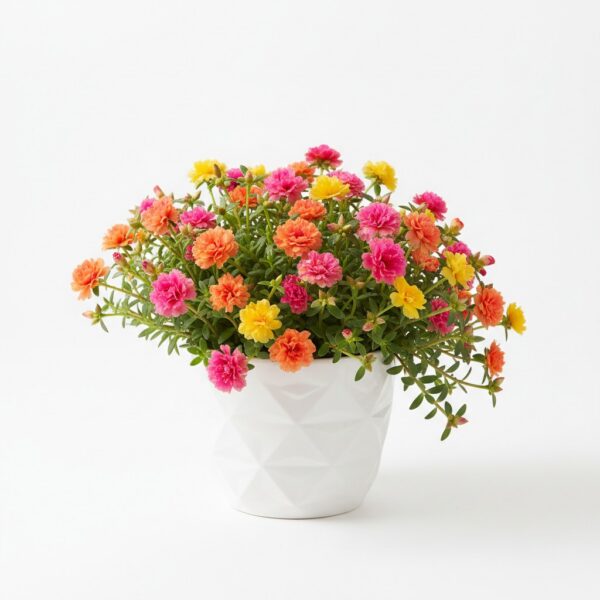
Portulaca
Portulaca oleracea
Portulaca oleracea, commonly known as purslane, is a succulent annual plant. It features smooth, reddish stems and fleshy, paddle-shaped green leaves. It grows prostrate, spreading along the ground. While often considered a weed, it's also cultivated as a leafy vegetable and ornamental plant. People grow it for its edible leaves and stems, which have a slightly sour and salty taste. It produces small yellow flowers that open only on sunny mornings. It is primarily an outdoor plant.
Quick Plant Comparison
| Feature | Moosewood | Portulaca |
|---|---|---|
| Light | Partial shade to full shade. Requires protection from intense afternoon sun, especially in warmer climates. | Full sun (at least 6-8 hours of direct sunlight daily) |
| Watering | Water deeply 1-2 times per week during dry periods for young trees. Established trees need less frequent watering. | Every 2-3 days in hot weather, less frequently in cooler conditions. |
| Humidity | 30-60% | 30-50% |
| Temperature | 10-24°C | 20-30°C |
| Care Level | Expert | Expert |
| Growth Rate | Moderate | Fast |
| Max Height | 5-10 meters (outdoor) | 15-30 cm |
| Pet Safety | ❌ Toxic To Pets | ❌ Toxic To Pets |
| Soil | Well-drained, slightly acidic soil rich in organic matter. | Well-draining soil, such as a sandy loam or cactus mix. |
| Beginner Friendly | ❌ No | ❌ No |
| Weekly Maintenance | 30 minutes monthly (outdoor) | 5-10 minutes weekly |
🔬 Botanical Information — Comparing These Plants
Moosewood
| Scientific Name | Acer pensylvanicum |
|---|---|
| Family | Sapindaceae |
| Native To | Eastern North America |
| Also Known As | Moosewood, Striped Maple, Goosefoot Maple |
| Leaves | The leaves are large, typically 10-20 cm long and wide, with three shallow lobes resembling a goose's foot. They are bright green in spring and summer, turning yellow in the fall. The texture is smooth and slightly papery. |
| Flowers | Moosewood produces small, greenish-yellow flowers in drooping racemes in late spring. The flowers are not particularly showy but are an important food source for pollinators. |
Portulaca
| Scientific Name | Portulaca oleracea |
|---|---|
| Family | Portulacaceae |
| Native To | Widespread, exact origin uncertain, possibly Mediterranean or Asia |
| Also Known As | Purslane, Verdolaga, Pigweed, Little Hogweed |
| Leaves | The leaves of purslane are fleshy, smooth, and paddle-shaped, typically 2-3 cm long. They are usually green but can have a reddish tinge. The leaves are arranged alternately along the stems. |
| Flowers | Purslane produces small, yellow flowers that open only on sunny mornings. The flowers are about 0.5-1 cm in diameter and have five petals. Flowering typically occurs in summer. |
📏 Size & Growth — Plant Comparison
Moosewood
Portulaca
🌱 Propagation — Comparing Plant Growth
Moosewood
Methods: Seed, softwood cuttings
Difficulty: Moderate
Tips: Seeds require stratification for successful germination. Softwood cuttings should be taken in late spring or early summer and rooted in a humid environment.
Portulaca
Methods: Stem cuttings, Seed
Difficulty: Easy
Tips: Stem cuttings root easily in water or directly in soil. Allow cuttings to callous over for a day before planting. Sow seeds directly into the soil after the last frost.
✨ Benefits & Features — Comparing Plant Value
Moosewood
The most unique characteristic is its smooth, greenish-brown bark with prominent vertical white stripes, which provides year-round visual interest. Its large, three-lobed leaves also contribute to its distinctive appearance.
- ✓ Provides shade and shelter for wildlife.
- ✓ Adds visual interest to the landscape with its unique bark.
- ✓ Supports local ecosystems as a native plant.
- ✓ Offers seasonal beauty with its foliage and bark.
- ✓ Requires minimal maintenance once established.
- ⚠️ Toxic to pets
Portulaca
Purslane is a succulent annual plant that is both edible and drought-tolerant. It is often considered a weed but is also cultivated for its nutritional value and ornamental appeal. Its ability to thrive in hot, dry conditions makes it a unique and valuable plant.
- ✓ Edible leaves and stems
- ✓ Drought tolerance
- ✓ High in omega-3 fatty acids
- ✓ Attracts pollinators
- ✓ Easy to propagate
- ⚠️ Toxic to pets
📅 Maintenance Schedule — Plant Care Comparison
Moosewood
Portulaca
🌞 Light Requirements
Moosewood
Partial shade to full shade. Requires protection from intense afternoon sun, especially in warmer climates.
Low light tolerant: ❌ No
Portulaca
Full sun (at least 6-8 hours of direct sunlight daily)
Low light tolerant: ❌ No
💧 Watering Needs
Moosewood
Water deeply during dry periods, especially when young. Mature trees are relatively drought-tolerant but benefit from supplemental watering during extended droughts. Overwatering can lead to root rot, so ensure well-draining soil.
Portulaca
Water thoroughly when the soil is dry to the touch. Avoid overwatering, as this can lead to root rot. Allow the soil to dry out slightly between waterings. Signs of overwatering include yellowing leaves and a mushy stem. Underwatering is indicated by wilting and shriveled leaves.
🌡️ Temperature & Humidity
Moosewood
Temperature: 10-24°C
Humidity: 30-60%
Portulaca
Temperature: 20-30°C
Humidity: 30-50%
🤔 Which Plant Is Right For You?
Moosewood
Acer pensylvanicumGardeners with woodland gardens or naturalized areas seeking a small ornamental tree with unique bark and shade provision.
✅ Choose This Plant If...
- You want a small ornamental tree with unique striped bark.
- You have a woodland garden or naturalized area.
- You want to attract wildlife to your yard.
- You need a tree that can tolerate shade.
- You appreciate the beauty of native plants.
❌ Skip This Plant If...
- You are looking for an indoor plant.
- You have limited space in your yard.
- You live in a very hot, dry climate.
Portulaca
Portulaca oleraceaGardeners looking for an edible ground cover or a drought-tolerant plant for sunny locations.
✅ Choose This Plant If...
- You want an edible ground cover
- You need a drought-tolerant plant
- You enjoy the slightly sour taste of purslane
- You have a very sunny outdoor space
- You want a plant rich in omega-3 fatty acids
❌ Skip This Plant If...
- You have pets that might ingest it
- You don't have a very sunny outdoor space
- You dislike plants that spread aggressively
🎯 Quick Verdict
⚡ Key Differences Between These Plants
Moosewood has moderate growth, while Portulaca grows fast.
💡 Pro Tips For Comparing These Plants
Moosewood Care Tips
Moosewood is an outdoor tree unsuitable for indoor cultivation. It requires specific light, temperature, and humidity conditions that are difficult to replicate indoors. It needs ample space for root development and canopy growth. It is best suited for planting in a woodland garden or naturalized area.
- Plant in well-drained, slightly acidic soil.
- Provide partial to full shade, especially in warmer climates.
- Water deeply during dry periods, especially when young.
- Protect young trees from browsing animals.
- Prune in late winter or early spring to remove dead or damaged branches.
Portulaca Care Tips
Purslane is easy to grow outdoors in full sun and well-draining soil. However, it is challenging to grow indoors due to its high light requirements. It needs very bright light and is prone to pests and diseases if not properly ventilated. It can also spread aggressively.
- Provide at least 6 hours of direct sunlight daily.
- Ensure well-draining soil to prevent root rot.
- Water deeply but infrequently, allowing the soil to dry out between waterings.
- Fertilize regularly during the growing season with a balanced liquid fertilizer.
- Pinch back stems to encourage bushier growth.
⚠️ Common Problems & Solutions — Plant Care Comparison
Moosewood
Portulaca
❓ Frequently Asked Questions — Comparing These Plants
Moosewood
What are the light requirements for Moosewood?
Moosewood thrives in bright, indirect light. Direct sunlight can scorch its leaves, especially when grown indoors. An east-facing window is often ideal, providing gentle morning light. A north-facing window can also work, but the plant may grow more slowly. If you only have south- or west-facing windows, position the Moosewood several feet away from the window or use sheer curtains to diffuse the light.
How do I care for Moosewood?
Moosewood prefers bright, indirect light indoors. Avoid direct sunlight, which can scorch the leaves. Water thoroughly when the top inch of soil feels dry to the touch, ensuring good drainage to prevent root rot. Maintain moderate humidity, especially during dry winter months. Fertilize sparingly with a balanced liquid fertilizer diluted to half strength, only during the growing season (spring and summer).
How do I propagate Moosewood?
Moosewood can be propagated through stem cuttings or air layering, though stem cuttings are more common. For stem cuttings, take a 4-6 inch cutting from a healthy stem in spring or early summer. Remove the lower leaves and dip the cut end in rooting hormone. Plant the cutting in a well-draining potting mix. Keep the soil consistently moist and provide high humidity by covering the cutting with a plastic bag or humidity dome. Place the cutting in bright, indirect light. Roots should develop in 4-8 weeks.
Portulaca
What are the light requirements for Portulaca?
Portulaca succulents demand abundant sunlight to flourish. Ideally, they should receive at least 6-8 hours of direct sunlight each day. Insufficient light will result in leggy growth, reduced flowering, and faded colors. When grown indoors, place them near a south-facing window where they can bask in the sun’s rays. If natural light is limited, consider supplementing with a grow light. Rotate the plant regularly to ensure even exposure to light. The intensity of the light directly impacts the vibrancy of the blooms, so prioritizing sunlight is crucial for healthy growth and abundant flowering.
How do I care for Portulaca?
Portulaca succulents are relatively easy to care for, thriving in bright sunlight and well-draining soil. Water thoroughly when the soil is completely dry, typically every 1-2 weeks, and reduce watering during the dormant winter months. Ensure the pot has drainage holes to prevent root rot. Provide at least 6 hours of direct sunlight daily for optimal flowering. Fertilize sparingly during the growing season (spring and summer) with a diluted succulent fertilizer. Prune leggy growth to encourage bushier growth and more abundant blooms. Protect from frost as they are not cold-hardy. Repot only when the plant becomes root-bound. Avoid overwatering, which is the most common cause of problems.
How do I propagate Portulaca?
Portulaca succulents are easily propagated through stem cuttings or seeds. For stem cuttings, take a 2-3 inch cutting from a healthy stem. Allow the cut end to callous over for a day or two. Plant the cutting in well-draining soil and water lightly. Keep the soil slightly moist until roots develop, which usually takes a few weeks. Leaf cuttings can be attempted, but are less reliable. Simply place a leaf on top of well-draining soil and wait for roots to form. Offsets are rare but can be carefully separated from the main plant and planted in their own pot. Ensure the cutting receives bright, indirect light during the propagation process.
Last updated: May 5, 2026 — Plant care data reviewed and verified by our editorial team.