
Mistletoe Cactus vs Pepper Plant Comparison
Compare these two plants side by side — care needs, key differences, and which is right for your home.

Mistletoe Cactus
Rhipsalis baccifera
Rhipsalis baccifera, commonly known as Mistletoe Cactus, is an epiphytic cactus that grows in a cascading or trailing manner. Unlike desert cacti, it thrives in humid environments and often grows on trees in rainforests. Its stems are slender, cylindrical, and branching, resembling spaghetti or mistletoe. It produces small, white or greenish-white flowers followed by translucent white or pink berries. It's grown for its unique appearance and easy-care nature, making it a popular houseplant, though it's naturally an outdoor plant.
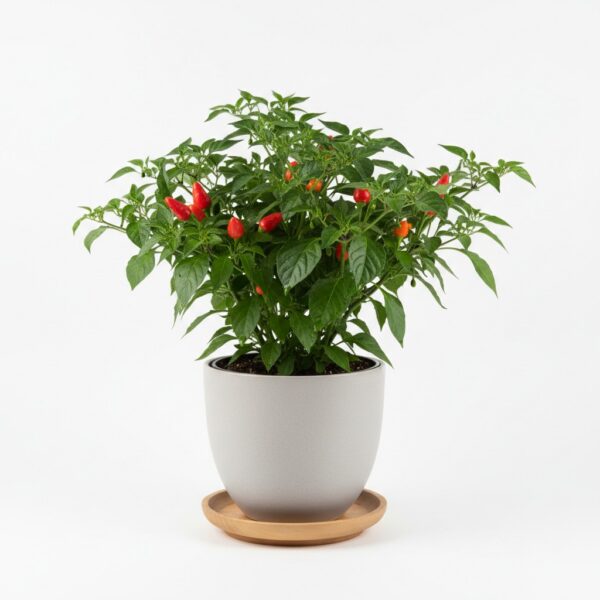
Pepper
Piper nigrum
Piper nigrum is a perennial climbing vine that can grow up to 10 meters (33 feet) tall, attaching itself to supporting trees or structures via aerial roots. It is cultivated for its peppercorns, which are dried berries used as a spice. The plant features heart-shaped leaves and produces slender spikes of small, white flowers. While commercially grown outdoors in tropical climates, it can be cultivated indoors with significant effort to replicate its natural environment. People grow it for its spice production and ornamental value, though indoor fruiting is rare.
Quick Plant Comparison
| Feature | Mistletoe Cactus | Pepper |
|---|---|---|
| Light | Bright, indirect light. Can tolerate some direct morning sun, but avoid harsh afternoon sun. | Bright, indirect light to full sun. Requires at least 6 hours of direct sunlight daily for optimal growth and fruit production. |
| Watering | Every 1-2 weeks, depending on environmental conditions | Every 5-7 days during the growing season, less frequently in winter. |
| Humidity | 50-70% | 60-80% |
| Temperature | 18-24°C | 24-30°C |
| Care Level | Easy | Expert |
| Growth Rate | Moderate | Moderate |
| Max Height | 30-90 cm (indoors) | 1-2 meters (indoors, with support) |
| Pet Safety | ❌ Toxic To Pets | ❌ Toxic To Pets |
| Soil | Well-draining potting mix, such as a mix of peat moss, perlite, and orchid bark. | Well-draining, fertile soil rich in organic matter. A mix of potting soil, perlite, and coco coir is suitable. |
| Beginner Friendly | ✅ Yes | ❌ No |
| Weekly Maintenance | 5 minutes weekly | 30 minutes weekly |
🔬 Botanical Information — Comparing These Plants
Mistletoe Cactus
| Scientific Name | Rhipsalis baccifera |
|---|---|
| Family | Cactaceae |
| Native To | Tropical and subtropical America, Africa, and Asia |
| Also Known As | Mistletoe Cactus, Spaghetti Cactus, Old Man's Beard |
| Leaves | Leaves are absent; photosynthesis occurs in the stems. The stems are green, cylindrical, and slender, resembling spaghetti or mistletoe. |
| Flowers | It can flower indoors, producing small, white or greenish-white flowers followed by translucent white or pink berries. Flowering is more likely with adequate light and proper care. |
Pepper
| Scientific Name | Piper nigrum |
|---|---|
| Family | Piperaceae |
| Native To | South India |
| Also Known As | Black pepper, peppercorn |
| Leaves | Heart-shaped, glossy green leaves, typically 5-10 cm long. They are arranged alternately along the stem. |
| Flowers | Rarely flowers indoors. When it does, it produces slender spikes of small, white flowers. |
📏 Size & Growth — Plant Comparison
Mistletoe Cactus
Pepper
🌱 Propagation — Comparing Plant Growth
Mistletoe Cactus
Methods: Stem cuttings
Difficulty: Easy
Tips: Take stem cuttings a few inches long and allow them to callous over for a few days before planting in well-draining soil. Keep the soil slightly moist until roots develop.
Pepper
Methods: Stem cuttings, layering, seed (though seed propagation is slow and less reliable)
Difficulty: Moderate
Tips: Take stem cuttings with at least 3 nodes. Root in water or directly in moist potting mix. Maintain high humidity and warmth.
✨ Benefits & Features — Comparing Plant Value
Mistletoe Cactus
Unlike most cacti, it's epiphytic and thrives in humid environments. Its cascading growth habit and slender stems give it a unique and delicate appearance.
- ✓ Adds a unique textural element to your home decor.
- ✓ Relatively easy to care for, even for beginners.
- ✓ Can tolerate some neglect.
- ✓ Provides a touch of the tropics to your indoor space.
- ✓ The cascading growth habit is visually appealing.
- 🌬️ NASA-verified air purifier
- ⚠️ Toxic to pets
Pepper
Piper nigrum is the source of black peppercorns, one of the world's most important spices. Its climbing habit and attractive foliage make it an interesting ornamental plant, though challenging to grow indoors.
- ✓ Unique ornamental appeal
- ✓ Potential for spice production (though unlikely indoors)
- ✓ Adds a tropical vibe to your home
- ✓ Can be a rewarding challenge for experienced gardeners
- ✓ May improve indoor air quality slightly through photosynthesis
- ⚠️ Toxic to pets
📅 Maintenance Schedule — Plant Care Comparison
Mistletoe Cactus
Pepper
🌞 Light Requirements
Mistletoe Cactus
Bright, indirect light. Can tolerate some direct morning sun, but avoid harsh afternoon sun.
Low light tolerant: ✅ Yes
Pepper
Bright, indirect light to full sun. Requires at least 6 hours of direct sunlight daily for optimal growth and fruit production.
Low light tolerant: ❌ No
💧 Watering Needs
Mistletoe Cactus
Water thoroughly when the top inch of soil is dry. Allow excess water to drain away. Overwatering can lead to root rot, indicated by yellowing or mushy stems. Underwatering results in shriveled or wrinkled stems.
Pepper
Water thoroughly when the top inch of soil feels dry. Avoid overwatering, which can lead to root rot. Ensure good drainage. Signs of overwatering include yellowing leaves and a musty smell. Underwatering is indicated by wilting and dry, crispy leaves.
🌡️ Temperature & Humidity
Mistletoe Cactus
Temperature: 18-24°C
Humidity: 50-70%
Pepper
Temperature: 24-30°C
Humidity: 60-80%
🤔 Which Plant Is Right For You?
Mistletoe Cactus
Rhipsalis bacciferaSomeone looking for a low-maintenance, trailing plant with a unique appearance, but without pets.
✅ Choose This Plant If...
- You want a unique trailing plant that doesn't require much attention.
- You have a bright spot in your home that needs some greenery.
- You appreciate the delicate, almost ethereal appearance of the cascading stems.
- You want a plant that is relatively pest-resistant.
- You are looking for a plant that can tolerate some neglect.
❌ Skip This Plant If...
- You have pets that might ingest the plant.
- You tend to overwater your plants.
- You don't have a location with bright, indirect light.
Pepper
Piper nigrumExperienced plant enthusiasts who can provide the specific environmental conditions required for tropical vines.
✅ Choose This Plant If...
- You are an experienced gardener looking for a challenge.
- You want to grow your own spices, even if fruiting is unlikely indoors.
- You can provide the high light and humidity this plant needs.
- You appreciate the aesthetic of a climbing tropical vine.
- You are prepared to regularly monitor and adjust the plant's environment.
❌ Skip This Plant If...
- You are a beginner gardener.
- You cannot provide high humidity and bright light.
- You have pets that might ingest the plant.
- You expect the plant to produce peppercorns indoors without significant effort.
🎯 Quick Verdict
⚡ Key Differences Between These Plants
Mistletoe Cactus is rated Easy care level, while Pepper is Expert.
💡 Pro Tips For Comparing These Plants
Mistletoe Cactus Care Tips
Mistletoe Cactus is relatively easy to care for, thriving in bright, indirect light and well-draining soil. Avoid overwatering and provide adequate humidity. It's toxic to pets, so keep it out of reach.
- Allow the soil to dry slightly between waterings to prevent root rot.
- Provide bright, indirect light for optimal growth and flowering.
- Mist the plant occasionally to increase humidity, especially in dry environments.
- Fertilize regularly during the growing season with a balanced liquid fertilizer.
- Inspect the plant regularly for pests and diseases.
Pepper Care Tips
Piper nigrum is challenging to grow indoors due to its high light, humidity, and temperature requirements. It needs a strong support structure to climb. Fruiting indoors is rare, making it primarily an ornamental plant. Maintaining consistent environmental conditions is crucial for its survival.
- Provide a sturdy trellis or support for climbing.
- Maintain high humidity by misting regularly or using a humidifier.
- Ensure excellent drainage to prevent root rot.
- Provide supplemental lighting if natural light is insufficient.
- Monitor for pests regularly and treat promptly.
⚠️ Common Problems & Solutions — Plant Care Comparison
Mistletoe Cactus
Pepper
❓ Frequently Asked Questions — Comparing These Plants
Mistletoe Cactus
What are the light requirements for Mistletoe Cactus?
Mistletoe Cactus thrives in bright, indirect light. Direct sunlight can scorch the delicate stems, so avoid placing it in a south-facing window without some form of filtration. An east- or west-facing window is ideal, providing ample light without the harsh intensity. If you notice the stems becoming pale or elongated, it may indicate insufficient light. Consider supplementing with a grow light if natural light is limited. Rotate the plant regularly to ensure even growth on all sides. Insufficient light can lead to leggy growth and reduced flowering.
How do I care for Mistletoe Cactus?
Mistletoe Cactus is relatively easy to care for, making it a popular choice for beginners. Provide bright, indirect light; avoid direct sunlight, which can scorch the stems. Water sparingly, allowing the soil to dry out completely between waterings, especially during the winter dormancy. Use a well-draining potting mix specifically formulated for cacti and succulents. Maintain moderate temperatures (65-75°F or 18-24°C) and avoid exposing the plant to drafts or sudden temperature changes. Fertilize lightly during the growing season (spring and summer) with a balanced liquid fertilizer diluted to half strength. Prune any dead or damaged stems to encourage new growth. Repot only when the plant becomes root-bound.
How do I propagate Mistletoe Cactus?
Mistletoe Cactus can be easily propagated using stem cuttings or seeds. For stem cuttings, allow the cut end to callus over for a few days before planting in well-draining soil. Keep the soil slightly moist until roots develop. Seeds can be sown in a similar potting mix, but germination can be slow and inconsistent. Offsets, if present, can be carefully removed and planted separately. Grafting is possible, but typically unnecessary for home propagation. Rooting hormone can speed up the propagation process, but is not essential. Provide bright, indirect light and warmth for successful propagation.
Pepper
What are the light requirements for Pepper?
Pepper plants require bright, indirect light to thrive and produce abundant blooms. An east-facing window is often ideal, providing gentle morning sunlight. West-facing windows can also work, but be sure to shield the plant from harsh afternoon sun. If you only have south-facing windows, place the plant a few feet away from the window or use sheer curtains to diffuse the light. Insufficient light will result in leggy growth, fewer blooms, and faded foliage. Rotate the plant regularly to ensure all sides receive adequate light. During the darker winter months, consider supplementing with a grow light to maintain optimal light levels.
How do I care for Pepper?
Pepper plants thrive in bright, indirect light. Direct sunlight can scorch their leaves, while insufficient light will hinder blooming. Water thoroughly when the top inch of soil feels dry, ensuring good drainage to prevent root rot. Fertilize regularly during the blooming season with a balanced liquid fertilizer diluted to half strength. Maintain a moderate humidity level, ideally between 40-60%. Prune spent flowers to encourage further blooming. Repot every 1-2 years in a well-draining potting mix. Keep temperatures between 65-80°F (18-27°C). Protect from drafts and sudden temperature changes. Monitor for pests such as aphids and spider mites, and treat promptly if detected. Rotate the plant regularly to ensure even growth. Provide support for taller varieties to prevent them from drooping.
How do I propagate Pepper?
Pepper plants can be propagated through stem cuttings. Select a healthy stem and cut below a node. Remove the lower leaves and place the cutting in water or moist potting mix. Keep the cutting in a warm, humid environment. Roots should develop within a few weeks. Once roots are established, transplant the cutting into a pot with well-draining soil. Division can be done when repotting mature plants. Carefully separate the root ball into sections, ensuring each section has healthy roots and foliage. Plant each section in its own pot. Keiki propagation is rare in Capsicum.
Last updated: April 30, 2026 — Plant care data reviewed and verified by our editorial team.