
Mickey Mouse Plant vs Pink Quill Plant Comparison
Compare these two plants side by side — care needs, key differences, and which is right for your home.
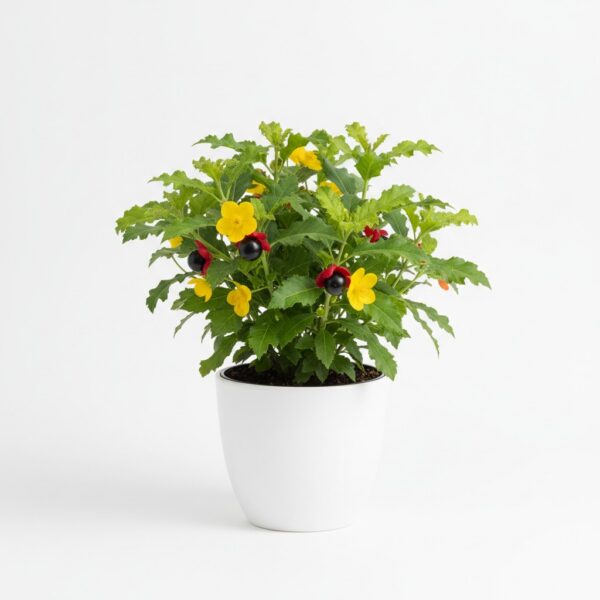
Mickey Mouse Plant
Ochna serrulata
Ochna serrulata, commonly known as the Mickey Mouse Plant, is a shrub or small tree typically grown outdoors in warmer climates. It's named for its distinctive seed pods, which resemble Mickey Mouse's face: black seeds (the 'ears') sit atop a bright red receptacle (the 'face'). The plant features glossy, serrated leaves and produces small, yellow, fragrant flowers in spring. While sometimes grown as a novelty plant indoors, it generally thrives best outdoors where it can receive ample sunlight and space to grow. People grow it for its unique seed pods and attractive foliage.

Pink Quill
Tillandsia cyanea
Tillandsia cyanea, commonly known as Pink Quill, is an epiphytic bromeliad characterized by its striking pink paddle-shaped flower spike, from which fragrant, violet-blue flowers emerge sequentially. The plant features a rosette of narrow, green leaves. It is primarily grown for its long-lasting, showy inflorescence. While it can be grown indoors, providing adequate humidity and light is crucial for its well-being. It's a popular choice for adding a touch of the tropics to homes and offices.
Quick Plant Comparison
| Feature | Mickey Mouse Plant | Pink Quill |
|---|---|---|
| Light | Full sun to partial shade | Bright, indirect light. Avoid direct sunlight, which can scorch the leaves. |
| Watering | Every 7-10 days outdoors, less frequently indoors (every 10-14 days) | Every 1-2 weeks, depending on humidity and temperature. |
| Humidity | 40-60% | 50-70% |
| Temperature | 18-27°C | 18-24°C |
| Care Level | Expert | Moderate |
| Growth Rate | Moderate | Slow |
| Max Height | 1-2 meters indoors (much larger outdoors, up to 6 meters) | 15-25 cm |
| Pet Safety | ❌ Toxic To Pets | ✅ Safe |
| Soil | Well-draining potting mix or garden soil | Well-draining bromeliad mix or orchid mix. Avoid heavy, water-retentive soils. |
| Beginner Friendly | ❌ No | With Caution |
| Weekly Maintenance | 30 minutes weekly (including watering, fertilizing, and pruning) | 5-10 minutes weekly |
🔬 Botanical Information — Comparing These Plants
Mickey Mouse Plant
| Scientific Name | Ochna serrulata |
|---|---|
| Family | Ochnaceae |
| Native To | South Africa |
| Also Known As | Mickey Mouse Plant, Bird's Eye Bush, Carnival Bush |
| Leaves | The leaves are glossy, dark green, and serrated along the edges. They are typically oval or lance-shaped and measure about 5-10 cm in length. |
| Flowers | It produces small, yellow, fragrant flowers in spring. Flowering indoors is possible but less frequent and abundant than outdoors. The flowers are followed by the distinctive seed pods. |
Pink Quill
| Scientific Name | Tillandsia cyanea |
|---|---|
| Family | Bromeliaceae |
| Native To | Ecuador |
| Also Known As | Pink Quill, Pink Quill Plant, Blue Flowered Tillandsia |
| Leaves | The leaves are narrow, strap-like, and green, typically reaching 15-20 cm in length. They have a smooth texture and a slightly arching habit. |
| Flowers | The plant produces small, violet-blue flowers that emerge sequentially from the pink bract. Each flower only lasts for a day or two, but the bract provides long-lasting color. |
📏 Size & Growth — Plant Comparison
Mickey Mouse Plant
Pink Quill
🌱 Propagation — Comparing Plant Growth
Mickey Mouse Plant
Methods: Seed, Stem cuttings
Difficulty: Moderate
Tips: For stem cuttings, take semi-hardwood cuttings in late spring or early summer. Dip the cut end in rooting hormone and plant in well-draining soil. Keep the soil moist and provide indirect light. Seeds can be sown in spring after soaking them in water for 24 hours.
Pink Quill
Methods: Offsets (pups)
Difficulty: Easy
Tips: Wait until the pups are about 1/3 the size of the mother plant before separating them. Gently remove the pup and pot it in its own container with bromeliad mix.
✨ Benefits & Features — Comparing Plant Value
Mickey Mouse Plant
The most unique characteristic is the Mickey Mouse-shaped seed pods, which are formed by black seeds sitting atop a bright red receptacle. This unusual appearance makes it a popular ornamental plant. The fragrant yellow flowers are also a notable feature.
- ✓ Unique and eye-catching appearance.
- ✓ Provides visual interest in the garden.
- ✓ Attracts birds to the garden.
- ✓ Can be used as a specimen plant.
- ✓ Offers fragrant flowers during the blooming season.
- ⚠️ Toxic to pets
Pink Quill
The Pink Quill is unique due to its striking pink bract and fragrant blue flowers, which are relatively short-lived. It's an epiphytic bromeliad, meaning it naturally grows on other plants in its native habitat, not in soil.
- ✓ Adds a vibrant splash of color to any room.
- ✓ The fragrant flowers can improve mood.
- ✓ Relatively compact size makes it suitable for small spaces.
- ✓ Can help to increase humidity levels slightly.
- ✓ Unique appearance makes it a conversation starter.
- 🐾 Pet Safe
📅 Maintenance Schedule — Plant Care Comparison
Mickey Mouse Plant
Pink Quill
🌞 Light Requirements
Mickey Mouse Plant
Full sun to partial shade
Low light tolerant: ❌ No
Pink Quill
Bright, indirect light. Avoid direct sunlight, which can scorch the leaves.
Low light tolerant: ❌ No
💧 Watering Needs
Mickey Mouse Plant
Water thoroughly when the top inch of soil is dry. Avoid overwatering, which can lead to root rot. Allow the soil to dry slightly between waterings. Signs of overwatering include yellowing leaves and soggy soil. Underwatering is indicated by wilting leaves and dry, cracked soil.
Pink Quill
Water thoroughly when the potting mix is almost dry. Allow excess water to drain away. Avoid letting the plant sit in standing water, which can cause root rot. Browning leaf tips can indicate underwatering or low humidity. Yellowing leaves can indicate overwatering.
🌡️ Temperature & Humidity
Mickey Mouse Plant
Temperature: 18-27°C
Humidity: 40-60%
Pink Quill
Temperature: 18-24°C
Humidity: 50-70%
🤔 Which Plant Is Right For You?
Mickey Mouse Plant
Ochna serrulataExperienced gardeners in warm climates who want a unique ornamental shrub for their garden.
✅ Choose This Plant If...
- You live in a warm climate where it can thrive outdoors.
- You are an experienced gardener looking for a unique ornamental plant.
- You are fascinated by unusual seed pod shapes.
- You have a sunny garden space.
- You are prepared to provide the specific care this plant needs.
❌ Skip This Plant If...
- You have pets that might ingest the plant.
- You live in a cold climate with harsh winters.
- You are a beginner gardener.
- You don't have a sunny location.
- You want a low-maintenance indoor plant.
Pink Quill
Tillandsia cyaneaPlant enthusiasts who appreciate unique foliage and are willing to provide the necessary humidity and light.
✅ Choose This Plant If...
- You want a plant with a long-lasting, colorful flower spike.
- You appreciate fragrant flowers.
- You are looking for a relatively small plant that fits well on a desk or shelf.
- You can provide bright, indirect light and moderate humidity.
- You enjoy the challenge of growing epiphytic plants.
❌ Skip This Plant If...
- You tend to overwater your plants.
- You cannot provide adequate humidity.
- You are looking for a very low-maintenance plant.
🎯 Quick Verdict
⚡ Key Differences Between These Plants
Mickey Mouse Plant is rated Expert care level, while Pink Quill is Moderate.
Mickey Mouse Plant has moderate growth, while Pink Quill grows slow.
💡 Pro Tips For Comparing These Plants
Mickey Mouse Plant Care Tips
Ochna serrulata is primarily an outdoor plant and requires specific conditions to thrive indoors. It needs very bright light, well-draining soil, and careful watering. Maintaining adequate humidity can also be challenging indoors. It is toxic to pets, so caution is needed.
- Provide ample sunlight for optimal growth and flowering.
- Water deeply but infrequently, allowing the soil to dry slightly between waterings.
- Fertilize regularly during the growing season with a balanced fertilizer.
- Prune after flowering to maintain shape and encourage bushier growth.
- Protect from frost in colder climates.
Pink Quill Care Tips
Pink Quill requires bright, indirect light and moderate humidity. Overwatering is a common problem, so allow the soil to dry out slightly between waterings. Fertilize sparingly during the growing season. Providing adequate humidity is key for indoor success.
- Mist the plant regularly to increase humidity.
- Use rainwater or distilled water to avoid mineral buildup on the leaves.
- Rotate the plant regularly to ensure even growth.
- Avoid placing the plant near drafts or heating vents.
- Clean the leaves occasionally with a damp cloth to remove dust.
⚠️ Common Problems & Solutions — Plant Care Comparison
Mickey Mouse Plant
Pink Quill
❓ Frequently Asked Questions — Comparing These Plants
Mickey Mouse Plant
What are the light requirements for Mickey Mouse Plant?
Mickey Mouse Plants thrive in bright, indirect light. An east-facing window is ideal, providing gentle morning sun. A west-facing window can also work, but be sure to shield the plant from harsh afternoon sun. Insufficient light can lead to leggy growth and reduced flowering. If natural light is limited, supplement with a grow light, positioning it 12-18 inches above the plant. Rotate the plant regularly to ensure even light exposure on all sides. Avoid placing the plant in direct sunlight, as this can scorch the leaves. Look for signs of stress, such as pale or yellowing leaves, which may indicate too much or too little light.
How do I care for Mickey Mouse Plant?
To keep your Mickey Mouse Plant thriving, provide it with bright, indirect light. Direct sunlight can scorch its leaves. Water thoroughly when the top inch of soil feels dry to the touch, but avoid overwatering, which can lead to root rot. Maintain a humidity level of 50-60%. Fertilize monthly during the growing season (spring and summer) with a balanced liquid fertilizer diluted to half strength. Repot every 1-2 years in spring using a well-draining potting mix. Prune lightly after flowering to maintain its shape and encourage new growth. Protect from temperatures below 50°F (10°C). Ensure good air circulation. Regularly inspect for pests and diseases.
How do I propagate Mickey Mouse Plant?
Mickey Mouse Plants can be propagated through stem cuttings. Take a 4-6 inch cutting from a healthy stem. Remove the lower leaves and dip the cut end in rooting hormone. Plant the cutting in a well-draining potting mix. Keep the soil moist and provide bright, indirect light. Roots should develop in 4-6 weeks. Division can be done during repotting, carefully separating the root ball. Keiki propagation is not typical for this plant. Maintain high humidity during the rooting process. Avoid direct sunlight until established.
Pink Quill
What are the light requirements for Pink Quill?
Pink Quill thrives in bright, indirect light. Direct sunlight can scorch the leaves, causing unsightly brown spots. An east-facing window is ideal, providing gentle morning sun. A north- or west-facing window can also work, as long as the plant receives enough light. If you don’t have access to a bright window, you can supplement with a grow light.
How do I care for Pink Quill?
Pink Quill is an easy-care plant that thrives in bright, indirect light. Avoid direct sunlight, which can scorch the leaves. Water thoroughly when the potting mix feels dry, ensuring the water drains freely. Use rainwater, distilled water, or filtered tap water to avoid mineral buildup. Mist the plant regularly to maintain humidity, especially during dry periods.
How do I propagate Pink Quill?
Pink Quill can be propagated through division, stem cuttings, or keiki (offsets).
Last updated: May 13, 2026 — Plant care data reviewed and verified by our editorial team.