
Melaleuca vs Ornithogalum Plant Comparison
Compare these two plants side by side — care needs, key differences, and which is right for your home.

Melaleuca
Melaleuca quinquenervia
Melaleuca quinquenervia is a tree, typically reaching 8-25 meters in height, characterized by its thick, papery bark that peels in layers. The leaves are lance-shaped and aromatic when crushed. It produces bottlebrush-like spikes of white or cream-colored flowers. While valued for its ornamental appeal and essential oils, it's primarily an outdoor plant. People grow it for its distinctive bark, attractive flowers, and tolerance of wet conditions. It is considered an invasive species in some regions.
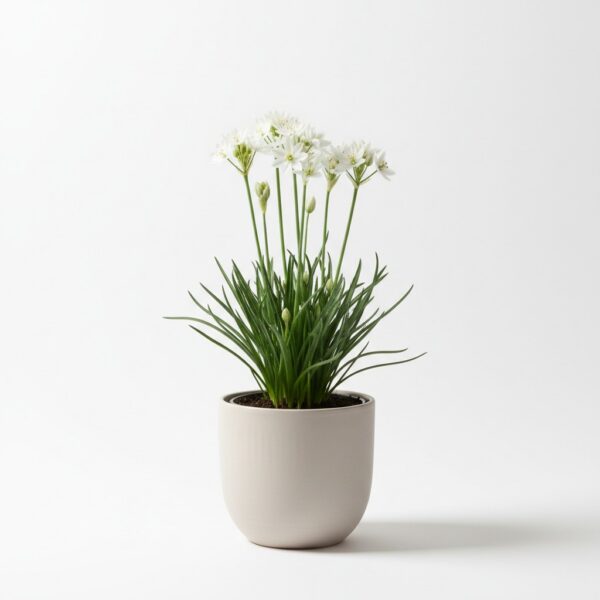
Ornithogalum
Ornithogalum umbellatum
Ornithogalum umbellatum, commonly known as Star-of-Bethlehem, is a bulbous perennial flowering plant. It features basal, linear, grass-like leaves and erect stems bearing clusters of star-shaped, white flowers with green stripes on the reverse of the petals. It typically grows to a height of 15-30 cm. It is primarily grown outdoors in gardens and meadows for its attractive spring blooms. While sometimes forced indoors, it can be challenging to maintain long-term due to its specific light and dormancy requirements. It is known to spread readily via bulb offsets and seeds.
Quick Plant Comparison
| Feature | Melaleuca | Ornithogalum |
|---|---|---|
| Light | Full sun to partial shade | Full sun to partial shade outdoors. Indoors, requires very bright, direct light for several hours daily. |
| Watering | Every 1-2 weeks, depending on climate and soil drainage | Every 1-2 weeks during active growth, much less during dormancy. |
| Humidity | 30-60% | 40-60% |
| Temperature | 15-27°C | 10-21°C |
| Care Level | Expert | Expert |
| Growth Rate | Fast | Moderate To Fast, Aggressive Spreader |
| Max Height | Rarely grown indoors, typically 8-25 meters outdoors | 15-30 cm |
| Pet Safety | ❌ Toxic To Pets | ❌ Toxic To Pets |
| Soil | Well-draining soil, tolerates sandy and clay soils | Well-draining, loamy soil. A mix of potting soil, perlite, and sand is suitable. |
| Beginner Friendly | ❌ No | ❌ No |
| Weekly Maintenance | 30 minutes monthly (for pruning and general care) | 10 minutes weekly during growing season, less during dormancy. |
🔬 Botanical Information — Comparing These Plants
Melaleuca
| Scientific Name | Melaleuca quinquenervia |
|---|---|
| Family | Myrtaceae |
| Native To | Australia, New Guinea, and New Caledonia |
| Also Known As | Broad-leaved paperbark, Paperbark tea-tree, Punk tree, Niaouli |
| Leaves | The leaves are lance-shaped, 5-10 cm long, and have a distinct aroma when crushed. They are typically a dull green color. |
| Flowers | It produces bottlebrush-like spikes of white or cream-colored flowers, typically in spring and summer. Flowering is rare indoors. |
Ornithogalum
| Scientific Name | Ornithogalum umbellatum |
|---|---|
| Family | Asparagaceae |
| Native To | Europe, North Africa, Western Asia |
| Also Known As | Star-of-Bethlehem, Sleepydick, Summer Snowflake |
| Leaves | Basal, linear, grass-like leaves that are typically 15-30 cm long and 0.5-1 cm wide. They are green and emerge in the spring. |
| Flowers | Flowers are star-shaped, white with green stripes on the reverse of the petals. They are borne in clusters on erect stems. Flowering typically occurs in spring. Rarely flowers indoors unless provided with very specific conditions. |
📏 Size & Growth — Plant Comparison
Melaleuca
Ornithogalum
🌱 Propagation — Comparing Plant Growth
Melaleuca
Methods: Seeds, stem cuttings
Difficulty: Moderate
Tips: Take semi-hardwood cuttings in late spring or early summer. Use rooting hormone and keep the cuttings in a humid environment.
Ornithogalum
Methods: Bulb offsets, Seed
Difficulty: Easy
Tips: Separate bulb offsets in the fall and replant them in well-draining soil. Sow seeds in the spring.
✨ Benefits & Features — Comparing Plant Value
Melaleuca
The most distinctive feature is its thick, papery bark that peels in layers. The bottlebrush-like flowers are also quite striking. It is also known for its tolerance of wet conditions.
- ✓ Provides shade in outdoor spaces.
- ✓ Attracts birds and pollinators.
- ✓ Unique and interesting bark texture.
- ✓ Tolerates wet conditions.
- ✓ Source of essential oils (with caution).
- ⚠️ Toxic to pets
Ornithogalum
The star-shaped, white flowers are distinctive and attractive. It has a tendency to spread readily, forming colonies in suitable conditions. The bulbs contain toxic compounds that can be harmful if ingested.
- ✓ Provides beautiful spring blooms.
- ✓ Attracts pollinators to the garden.
- ✓ Naturalizes easily, creating a lovely ground cover.
- ✓ Adds a touch of elegance to the garden.
- ✓ Relatively low-maintenance once established outdoors.
- ⚠️ Toxic to pets
📅 Maintenance Schedule — Plant Care Comparison
Melaleuca
Ornithogalum
🌞 Light Requirements
Melaleuca
Full sun to partial shade
Low light tolerant: ❌ No
Ornithogalum
Full sun to partial shade outdoors. Indoors, requires very bright, direct light for several hours daily.
Low light tolerant: ❌ No
💧 Watering Needs
Melaleuca
Water deeply when the top inch of soil is dry. Avoid overwatering, which can lead to root rot. In well-draining soil, it tolerates periods of dryness once established. Signs of underwatering include wilting leaves, while overwatering can cause yellowing leaves and root rot.
Ornithogalum
Water thoroughly when the top inch of soil is dry during the growing season (spring). Reduce watering significantly after flowering as the plant enters dormancy. Overwatering can lead to bulb rot, especially during dormancy. Underwatering will cause leaves to yellow and wither prematurely.
🌡️ Temperature & Humidity
Melaleuca
Temperature: 15-27°C
Humidity: 30-60%
Ornithogalum
Temperature: 10-21°C
Humidity: 40-60%
🤔 Which Plant Is Right For You?
Melaleuca
Melaleuca quinquenerviaOutdoor landscapes in warm climates where it is not considered invasive.
✅ Choose This Plant If...
- You live in a warm climate and want a fast-growing shade tree.
- You appreciate unique bark textures and peeling patterns.
- You need a plant that tolerates wet or swampy conditions.
- You want to attract birds and pollinators to your garden.
- You are interested in using the essential oils (with caution and proper knowledge).
❌ Skip This Plant If...
- You live in a cold climate with frequent frosts.
- You are looking for an indoor plant.
- You have pets that might ingest the plant.
- You live in an area where it is considered an invasive species.
- You have limited space for a large tree.
Ornithogalum
Ornithogalum umbellatumExperienced gardeners who want a spring-blooming bulb for their outdoor garden.
✅ Choose This Plant If...
- You want a beautiful spring-blooming flower in your garden.
- You are looking for a plant that naturalizes easily.
- You have a sunny spot in your garden where you want to add some white flowers.
- You are an experienced gardener who can manage its spreading habit.
- You want a plant that attracts pollinators.
❌ Skip This Plant If...
- You have pets that might ingest the plant.
- You are a beginner gardener looking for an easy-to-care-for indoor plant.
- You want a plant that stays contained and doesn't spread.
- You don't have a very sunny location.
- You are looking for a plant with year-round interest.
🎯 Quick Verdict
⚡ Key Differences Between These Plants
Melaleuca has fast growth, while Ornithogalum grows moderate to fast, aggressive spreader.
💡 Pro Tips For Comparing These Plants
Melaleuca Care Tips
Melaleuca quinquenervia is primarily an outdoor plant and is very difficult to maintain indoors due to its high light requirements and large size. Indoor cultivation is not recommended. It requires full sun, well-draining soil, and careful watering to prevent root rot.
- Ensure well-draining soil to prevent root rot.
- Water deeply but infrequently, allowing the soil to dry out between waterings.
- Fertilize in spring and summer with a balanced fertilizer.
- Prune regularly to maintain shape and remove dead wood.
- Monitor for pests and diseases and treat promptly.
Ornithogalum Care Tips
Ornithogalum umbellatum is primarily an outdoor plant. Indoor cultivation is challenging due to its high light requirements and dormancy needs. It requires a period of dormancy with reduced watering after flowering. It is also a potentially aggressive spreader, so container planting is recommended to control its spread.
- Provide well-draining soil to prevent bulb rot.
- Allow the plant to enter dormancy after flowering by reducing watering.
- Divide and replant bulbs every few years to prevent overcrowding.
- Monitor for aphids and treat promptly.
- Provide ample sunlight for optimal flowering.
⚠️ Common Problems & Solutions — Plant Care Comparison
Melaleuca
Ornithogalum
❓ Frequently Asked Questions — Comparing These Plants
Melaleuca
What are the light requirements for Melaleuca?
Melaleuca needs bright, indirect light to thrive indoors. A location near an east- or west-facing window is ideal. If you are using a south-facing window, be sure to filter the light with a sheer curtain to prevent leaf scorch. Insufficient light can lead to leggy growth and reduced foliage density. Rotate the plant regularly to ensure even light exposure on all sides. In winter, when light levels are lower, consider supplementing with a grow light to maintain healthy growth. The leaves should have a vibrant green color; pale or yellowing leaves may indicate insufficient light. Avoid placing the plant in dark corners or hallways where it will not receive enough light.
How do I care for Melaleuca?
Melaleuca thrives in bright, indirect light; avoid direct sunlight, which can scorch the leaves. Water thoroughly when the top inch of soil feels dry to the touch, ensuring good drainage to prevent root rot. Maintain moderate humidity levels, especially during dry winter months, by misting regularly or using a humidifier. Fertilize monthly during the growing season (spring and summer) with a balanced liquid fertilizer diluted to half strength. Repot every 2-3 years, or when the plant becomes root-bound, into a slightly larger pot with well-draining potting mix. Prune regularly to maintain shape and encourage bushier growth. Maintain stable temperatures between 65-75°F (18-24°C). Proper pot size is crucial, usually start with 6 inch pot and increase gradually as needed.
How do I propagate Melaleuca?
Melaleuca can be propagated through stem cuttings or air layering. For stem cuttings, take a 4-6 inch cutting from a healthy stem, remove the lower leaves, and dip the cut end in rooting hormone. Plant the cutting in moist potting mix and cover with a plastic bag to create a humid environment. Keep the cutting in a warm, bright location until roots develop (4-6 weeks). For air layering, make a small cut on a stem, wrap it with moist sphagnum moss, and cover with plastic wrap. Once roots appear through the moss (6-8 weeks), cut the stem below the roots and plant it in a pot. Ensure the cutting is at least 1/4″ in diameter for best results.
Ornithogalum
What are the light requirements for Ornithogalum?
Ornithogalum requires bright, indirect light to thrive and produce abundant blooms. A south- or east-facing window is ideal, but be sure to filter the light to prevent scorching the leaves. Insufficient light can result in weak stems, fewer flowers, and leggy growth. Rotate the plant regularly to ensure even light exposure on all sides. During the winter months, when light levels are lower, consider supplementing with a grow light to maintain optimal growth and encourage future blooming. Avoid placing the plant in direct, harsh sunlight, especially during the hottest part of the day.
How do I care for Ornithogalum?
Ornithogalum thrives in bright, indirect light but can tolerate some direct sunlight. Water thoroughly when the top inch of soil feels dry, ensuring good drainage to prevent root rot. During the growing season (spring and summer), fertilize every two to four weeks with a balanced liquid fertilizer diluted to half strength, focusing on a fertilizer higher in phosphorus to promote blooming. Reduce watering and fertilization in the fall and winter months during the dormancy period. Maintain moderate humidity levels, but avoid misting the foliage, as this can encourage fungal diseases. Repot every one to two years in spring, using a well-draining potting mix. Deadhead spent flowers to encourage further blooming. Provide support if the flower stalks become too heavy.
How do I propagate Ornithogalum?
Ornithogalum is primarily propagated by bulb division. Carefully separate offsets from the mother bulb during repotting in the spring. Plant the new bulbs in individual pots with well-draining potting mix. Water thoroughly and provide bright, indirect light. Keep the soil consistently moist until new growth appears. Division is the most reliable method. Stem cuttings and keiki propagation are not applicable to Ornithogalum as it is a bulbous plant. Ensure each division has healthy roots for successful establishment. With proper care, the new plants will bloom in the following season.
Last updated: April 22, 2026 — Plant care data reviewed and verified by our editorial team.