
Meadow Rue vs Pondweed Plant Comparison
Compare these two plants side by side — care needs, key differences, and which is right for your home.
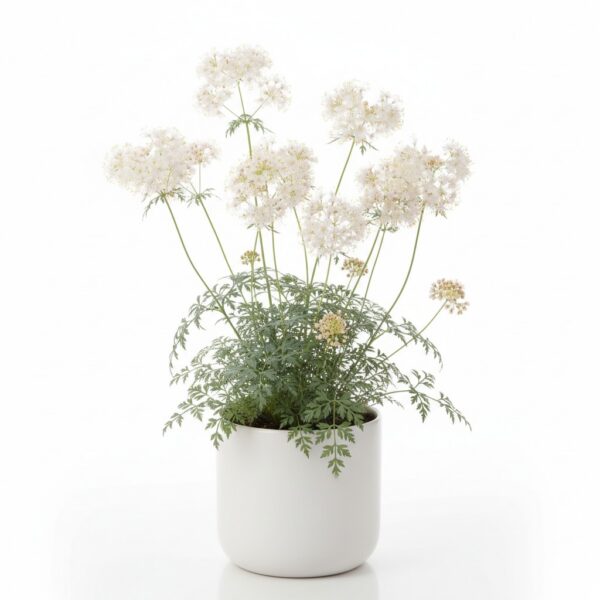
Meadow Rue
Thalictrum spp.
Meadow Rue (Thalictrum spp.) is a genus of herbaceous perennial plants known for their delicate, fern-like foliage and airy clusters of small flowers. They typically grow to heights ranging from 1 to 6 feet, depending on the species. Meadow Rue is primarily an outdoor plant, thriving in woodland gardens, borders, and naturalized areas. People grow it for its graceful appearance, attractive foliage, and the ability to add texture and movement to garden landscapes. It is not generally considered suitable for indoor cultivation due to its need for specific light and temperature conditions.

Pondweed
Potamogeton natans
Potamogeton natans, commonly known as broad-leaved pondweed, is an aquatic perennial herb found in still or slow-flowing freshwater habitats. It features submerged and floating leaves. The floating leaves are oval to elliptical, leathery, and have long petioles. Submerged leaves are usually absent or reduced to bladeless petioles. It spreads via rhizomes, forming dense mats. While it plays an important ecological role in its natural habitat, it is rarely cultivated intentionally due to its aggressive growth and specific environmental needs. It is primarily an outdoor plant.
Quick Plant Comparison
| Feature | Meadow Rue | Pondweed |
|---|---|---|
| Light | Partial shade to full sun, depending on the species. Some species prefer morning sun and afternoon shade. | Full sun to partial shade |
| Watering | 2-3 times per week outdoors, depending on weather and soil drainage. | Constantly submerged |
| Humidity | 40-60% | 100% |
| Temperature | 15-25°C | 10-25°C |
| Care Level | Expert | Expert |
| Growth Rate | Moderate | Fast |
| Max Height | N/A (Outdoor plant) | Variable, depending on water depth, typically up to 1 meter. |
| Pet Safety | ❌ Toxic To Pets | ❌ Toxic To Pets |
| Soil | Well-drained, humus-rich soil. | Pond sediment or aquatic planting media |
| Beginner Friendly | ❌ No | ❌ No |
| Weekly Maintenance | 15 minutes weekly | 30 minutes weekly during growing season for pruning and algae control. |
🔬 Botanical Information — Comparing These Plants
Meadow Rue
| Scientific Name | Thalictrum spp. |
|---|---|
| Family | Ranunculaceae |
| Native To | Various species native to North America, Europe, and Asia |
| Also Known As | Meadow Rue, Quicksilver Weed |
| Leaves | The leaves of Meadow Rue are compound and fern-like, with small, delicate leaflets. The color ranges from green to bluish-green, depending on the species. The texture is soft and delicate, creating a graceful appearance. |
| Flowers | Meadow Rue produces clusters of small, fluffy flowers in shades of white, yellow, pink, or purple, depending on the species. Flowering typically occurs in late spring to summer. It does not flower indoors. |
Pondweed
| Scientific Name | Potamogeton natans |
|---|---|
| Family | Potamogetonaceae |
| Native To | Eurasia, North America |
| Also Known As | Broad-leaved Pondweed, Floating Pondweed |
| Leaves | Floating leaves are oval to elliptical, leathery, and typically 5-10 cm long. They are dark green and have long petioles. Submerged leaves are usually absent or reduced to bladeless petioles. |
| Flowers | It produces small, inconspicuous flowers on a spike that emerges above the water surface. Flowering typically occurs in summer. Flowers are not showy and are primarily wind-pollinated. Rarely seen indoors. |
📏 Size & Growth — Plant Comparison
Meadow Rue
Pondweed
🌱 Propagation — Comparing Plant Growth
Meadow Rue
Methods: Seed, Division, Rhizome cuttings
Difficulty: Moderate
Tips: Divide rhizomes in spring or fall. Sow seeds in fall for stratification. Rhizome cuttings should be taken in early spring.
Pondweed
Methods: Rhizome division, seed
Difficulty: Easy
Tips: Divide rhizomes in spring or early summer. Plant rhizome sections in pond sediment or aquatic planting media. Seeds can be collected and sown in spring.
✨ Benefits & Features — Comparing Plant Value
Meadow Rue
Meadow Rue stands out with its delicate, fern-like foliage and airy clusters of small flowers. Its graceful appearance adds a touch of elegance to woodland gardens and shady borders. The plant's ability to attract pollinators further enhances its appeal.
- ✓ Attracts pollinators
- ✓ Adds texture and movement to the garden
- ✓ Provides visual interest with its delicate foliage
- ✓ Can be used in cut flower arrangements
- ✓ Supports biodiversity in the garden
- ⚠️ Toxic to pets
Pondweed
Broad-leaved pondweed is characterized by its distinct floating leaves and its ability to form dense mats in aquatic environments. It plays a vital role in supporting aquatic ecosystems.
- ✓ Provides habitat for aquatic wildlife
- ✓ Oxygenates pond water
- ✓ Helps control algae growth
- ✓ Adds a natural aesthetic to ponds
- ✓ Supports biodiversity in aquatic ecosystems
- ⚠️ Toxic to pets
📅 Maintenance Schedule — Plant Care Comparison
Meadow Rue
Pondweed
🌞 Light Requirements
Meadow Rue
Partial shade to full sun, depending on the species. Some species prefer morning sun and afternoon shade.
Low light tolerant: ❌ No
Pondweed
Full sun to partial shade
Low light tolerant: ❌ No
💧 Watering Needs
Meadow Rue
Water regularly, especially during dry periods. Keep the soil consistently moist but not waterlogged. Overwatering can lead to root rot, while underwatering can cause the foliage to wilt and turn brown. Check soil moisture regularly.
Pondweed
Requires submersion in water. Water level should be maintained consistently. Signs of underwatering are wilting or drying of leaves above the water surface. Overwatering is not applicable as it is a submerged plant.
🌡️ Temperature & Humidity
Meadow Rue
Temperature: 15-25°C
Humidity: 40-60%
Pondweed
Temperature: 10-25°C
Humidity: 100%
🤔 Which Plant Is Right For You?
Meadow Rue
Thalictrum spp.Gardeners looking to add delicate foliage and airy flowers to their woodland or shade gardens.
✅ Choose This Plant If...
- You want a plant with delicate, fern-like foliage.
- You need a plant for a shady area in your garden.
- You want to attract pollinators to your garden.
- You appreciate plants with a natural, woodland aesthetic.
- You are an experienced gardener looking for a unique perennial.
❌ Skip This Plant If...
- You have pets that might ingest the plant.
- You are looking for an easy-to-grow indoor plant.
- You have limited space in your garden.
Pondweed
Potamogeton natansPond owners seeking a naturalistic aquatic plant for wildlife habitat and oxygenation.
✅ Choose This Plant If...
- You have a pond or water garden and want to provide habitat for wildlife.
- You want a natural way to oxygenate your pond water.
- You are looking for a plant that can help control algae growth.
- You understand the aggressive growth habits of this plant and are prepared to manage it.
- You are interested in native aquatic plants and their ecological roles.
❌ Skip This Plant If...
- You do not have a pond or water garden.
- You are looking for an indoor plant.
- You are not prepared to manage the aggressive spread of this plant.
- You have pets that may ingest the plant.
- You are looking for a low-maintenance plant.
🎯 Quick Verdict
⚡ Key Differences Between These Plants
Meadow Rue has moderate growth, while Pondweed grows fast.
💡 Pro Tips For Comparing These Plants
Meadow Rue Care Tips
Meadow Rue is primarily an outdoor plant and is challenging to grow indoors. It requires specific light, temperature, and humidity conditions that are difficult to replicate indoors. It needs well-drained soil and regular watering. It is toxic to pets.
- Provide well-drained soil to prevent root rot.
- Water regularly, especially during dry periods.
- Apply a layer of mulch to help retain moisture.
- Divide plants every few years to maintain vigor.
- Protect from strong winds.
Pondweed Care Tips
Broad-leaved pondweed is an outdoor aquatic plant that is challenging to grow indoors. It requires full sun, constant submersion, and can quickly outgrow any container. It is best suited for ponds or water gardens. Indoor cultivation is not recommended.
- Regularly prune to control spread.
- Monitor water quality and adjust nutrient levels as needed.
- Remove dead or decaying foliage to prevent nutrient buildup.
- Provide adequate sunlight for optimal growth.
- Consider introducing beneficial bacteria to help control algae.
⚠️ Common Problems & Solutions — Plant Care Comparison
Meadow Rue
Pondweed
❓ Frequently Asked Questions — Comparing These Plants
Meadow Rue
What are the light requirements for Meadow Rue?
Meadow Rue flourishes in partial to full shade, making it an ideal choice for areas with filtered sunlight or dappled shade. Avoid exposing it to direct sunlight, especially during the hottest parts of the day, as this can scorch the delicate foliage. An east-facing window or a location that receives morning sun and afternoon shade is generally perfect for indoor cultivation. If the leaves start to turn yellow or brown, it may be a sign that the plant is receiving too much light. Conversely, if the plant becomes leggy and produces few flowers, it may need more light. Rotate the plant regularly to ensure even light exposure.
How do I care for Meadow Rue?
Meadow Rue thrives in partial shade to full shade, requiring protection from intense sunlight. Water regularly, keeping the soil consistently moist but not waterlogged, especially during warmer months. Ensure well-draining soil rich in organic matter. Fertilize lightly in spring with a balanced, slow-release fertilizer to promote healthy growth and abundant blooms. Deadhead spent flowers to encourage further blooming. Prune back foliage in late fall or early spring to maintain shape and remove any dead or damaged growth. Provide adequate humidity, especially indoors, using a humidifier or placing the plant on a pebble tray filled with water. Monitor for pests like aphids and spider mites, and treat promptly if detected. Repot every 2-3 years as needed.
How do I propagate Meadow Rue?
Meadow Rue can be propagated through division, stem cuttings, or seeds.
Pondweed
What are the light requirements for Pondweed?
Pondweed thrives in moderate to high light conditions. Submerged varieties generally require more intense light than floating types. Aim for at least 6-8 hours of light per day. Insufficient light can lead to leggy growth, yellowing leaves, and reduced oxygen production. If using artificial lighting, opt for full-spectrum LED or fluorescent lights designed for aquatic plants. Position the light source close to the water surface for maximum penetration. Observe your Pondweed closely; if the leaves appear pale or stretched, increase the light intensity or duration. Conversely, if algae growth becomes excessive, reduce the light levels slightly. Natural sunlight is beneficial, but avoid direct sunlight for prolonged periods, as it can overheat the water and promote algae blooms.
How do I care for Pondweed?
Caring for Pondweed involves maintaining suitable water conditions, providing adequate light, and ensuring proper nutrient levels. Submerged Pondweed requires a stable water temperature between 60-75°F (15-24°C). Water quality is paramount; regular water changes (25-50% weekly) are essential to remove excess nutrients and prevent algae blooms. Provide moderate to high light levels, ideally 6-8 hours per day. Nutrient supplementation may be necessary, especially in closed systems like aquariums. Use liquid fertilizers formulated for aquatic plants, following the manufacturer’s instructions carefully to avoid over-fertilization. Prune regularly to maintain the desired shape and size, removing any dead or decaying leaves. Ensure proper water circulation to prevent stagnant areas and promote healthy growth. Monitor for pests and address any infestations promptly.
How do I propagate Pondweed?
Pondweed can be easily propagated through division or stem cuttings.
Last updated: April 19, 2026 — Plant care data reviewed and verified by our editorial team.