
Mandarin Orange vs Persian Shield Plant Comparison
Compare these two plants side by side — care needs, key differences, and which is right for your home.

Mandarin Orange
Citrus reticulata
The Mandarin orange is a small, evergreen tree typically reaching 2-8 meters in height. It's known for its easily peeled fruit with a sweet, slightly tart flavor. While primarily an outdoor tree cultivated for commercial fruit production, it can be grown in containers indoors with significant effort. People grow Mandarin oranges for their delicious fruit, ornamental value (fragrant blossoms and attractive foliage), and as a symbol of good fortune in some cultures. Indoor cultivation is challenging due to high light and humidity requirements.
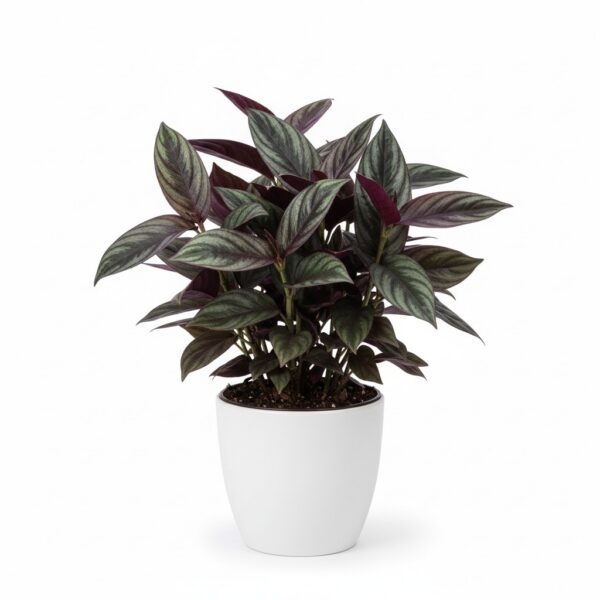
Persian Shield
Strobilanthes dyeriana
Persian Shield is a striking tropical foliage plant prized for its iridescent, metallic sheen on its leaves. The leaves display a vibrant mix of purple, silver, and green, creating a visually stunning display. It is naturally an outdoor plant in tropical climates, grown for its ornamental foliage. While it can be grown indoors, it requires specific conditions to thrive and maintain its vibrant color. It has a somewhat shrubby growth habit and is grown for its foliage rather than flowers.
Quick Plant Comparison
| Feature | Mandarin Orange | Persian Shield |
|---|---|---|
| Light | Full sun (at least 6-8 hours of direct sunlight daily) | Bright, indirect light. Requires several hours of bright light daily to maintain its vibrant coloration. |
| Watering | Outdoors: Every 1-2 weeks depending on weather. Indoors: Every 7-10 days, adjusting for humidity and light levels. | Every 5-7 days, depending on environmental conditions |
| Humidity | 50-70% | 60-80% |
| Temperature | 18-29°C | 18-27°C |
| Care Level | Expert | Moderate |
| Growth Rate | Moderate | Fast |
| Max Height | Outdoors: 2-8 meters. Indoors: 1-2 meters (in a container) | 0.6-1 meter indoors |
| Pet Safety | ❌ Toxic To Pets | ❌ Toxic To Pets |
| Soil | Well-draining citrus potting mix | Well-draining potting mix, such as a mix of peat moss, perlite, and vermiculite. |
| Beginner Friendly | ❌ No | With Caution |
| Weekly Maintenance | 30-60 minutes weekly | 15 minutes weekly |
🔬 Botanical Information — Comparing These Plants
Mandarin Orange
| Scientific Name | Citrus reticulata |
|---|---|
| Family | Rutaceae |
| Native To | Southeast Asia, possibly China or Vietnam |
| Also Known As | Mandarin, Mandarin orange, Tangerine |
| Leaves | Glossy, dark green, oval-shaped leaves with a pointed tip. Leaves are typically 5-10 cm long and have a distinct citrus scent when crushed. |
| Flowers | Rarely flowers indoors unless optimal conditions are met. Flowers are small, white, and highly fragrant. |
Persian Shield
| Scientific Name | Strobilanthes dyeriana |
|---|---|
| Family | Acanthaceae |
| Native To | Myanmar (Burma) |
| Also Known As | Persian Shield, Royal Persian Shield |
| Leaves | The leaves are lance-shaped with serrated edges and a pointed tip. They are typically 10-15 cm long and 5-8 cm wide. The upper surface of the leaves displays a vibrant mix of purple, silver, and green, while the underside is a deep purple. |
| Flowers | Persian Shield rarely flowers indoors. When it does flower, the blooms are small and insignificant, typically pale purple or white. |
📏 Size & Growth — Plant Comparison
Mandarin Orange
Persian Shield
🌱 Propagation — Comparing Plant Growth
Mandarin Orange
Methods: Seed, grafting, air layering
Difficulty: Moderate
Tips: Grafting is the most reliable method for fruit production. Seeds may not produce true-to-type offspring. Air layering can be used to create new plants from existing branches.
Persian Shield
Methods: Stem cuttings
Difficulty: Easy
Tips: Take stem cuttings with at least 2-3 nodes. Remove the lower leaves and place the cutting in water or directly into moist potting mix. Keep the cutting in a warm, humid environment until roots develop.
✨ Benefits & Features — Comparing Plant Value
Mandarin Orange
The Mandarin orange is known for its easy-to-peel skin and segmented fruit. Indoor cultivation is challenging, making it a rewarding accomplishment for experienced gardeners.
- ✓ Aesthetic appeal with glossy leaves and fragrant flowers.
- ✓ Potential for homegrown fruit.
- ✓ Can improve indoor air quality slightly.
- ✓ Provides a sense of accomplishment for successful cultivation.
- ✓ Offers a connection to nature indoors.
- ⚠️ Toxic to pets
Persian Shield
The iridescent, metallic sheen on the leaves is what sets this plant apart. The combination of purple, silver, and green creates a unique and eye-catching display. The intensity of the colors can vary depending on the amount of light the plant receives.
- ✓ Adds vibrant color to indoor spaces
- ✓ Unique and eye-catching foliage
- ✓ Relatively easy to propagate
- ✓ Can be used to create a tropical vibe
- ✓ Provides a sense of accomplishment when thriving
- ⚠️ Toxic to pets
📅 Maintenance Schedule — Plant Care Comparison
Mandarin Orange
Persian Shield
🌞 Light Requirements
Mandarin Orange
Full sun (at least 6-8 hours of direct sunlight daily)
Low light tolerant: ❌ No
Persian Shield
Bright, indirect light. Requires several hours of bright light daily to maintain its vibrant coloration.
Low light tolerant: ❌ No
💧 Watering Needs
Mandarin Orange
Water thoroughly when the top inch of soil is dry. Overwatering can lead to root rot, indicated by yellowing leaves and a musty smell. Underwatering results in wilting and leaf drop. Ensure good drainage.
Persian Shield
Water thoroughly when the top inch of soil feels dry to the touch. Avoid overwatering, as this can lead to root rot. Allow excess water to drain away. Underwatering will cause the leaves to droop and become dull.
🌡️ Temperature & Humidity
Mandarin Orange
Temperature: 18-29°C
Humidity: 50-70%
Persian Shield
Temperature: 18-27°C
Humidity: 60-80%
🤔 Which Plant Is Right For You?
Mandarin Orange
Citrus reticulataExperienced plant enthusiasts who are willing to provide the specific conditions needed for citrus trees to thrive indoors.
✅ Choose This Plant If...
- You want to enjoy the fragrance of citrus blossoms indoors.
- You are experienced with citrus tree care and can provide adequate light and humidity.
- You want the challenge of growing your own fruit indoors.
- You appreciate the ornamental value of a small citrus tree.
- You have a bright, sunny location and are willing to supplement with grow lights.
❌ Skip This Plant If...
- You have limited sunlight or space.
- You are a beginner plant owner.
- You are not prepared to provide the high humidity levels required.
- You are looking for a low-maintenance indoor plant.
Persian Shield
Strobilanthes dyerianaExperienced plant enthusiasts who can provide the necessary light and humidity.
✅ Choose This Plant If...
- You want a plant with unique and eye-catching foliage.
- You can provide bright, indirect light and high humidity.
- You are willing to regularly fertilize the plant.
- You enjoy propagating plants from cuttings.
- You are looking for a plant to add a pop of color to your indoor space.
❌ Skip This Plant If...
- You have pets that might ingest the plant.
- You cannot provide adequate light and humidity.
- You are prone to overwatering plants.
🎯 Quick Verdict
⚡ Key Differences Between These Plants
Mandarin Orange is rated Expert care level, while Persian Shield is Moderate.
Mandarin Orange has moderate growth, while Persian Shield grows fast.
💡 Pro Tips For Comparing These Plants
Mandarin Orange Care Tips
Mandarin orange trees are challenging to grow indoors due to their high light, humidity, and temperature requirements. Consistent care, including supplemental lighting and regular fertilization, is crucial for success. Fruit production indoors is not guaranteed.
- Use a citrus-specific potting mix for optimal drainage.
- Provide supplemental lighting, especially during winter months.
- Maintain high humidity levels with a humidifier or pebble tray.
- Fertilize regularly with a citrus-specific fertilizer during the growing season.
- Protect from drafts and sudden temperature changes.
Persian Shield Care Tips
Persian Shield requires bright, indirect light and high humidity to maintain its vibrant color. It is prone to root rot if overwatered. Regular fertilization is needed during the growing season. It is toxic to pets, so keep it out of reach.
- Provide bright, indirect light to maintain vibrant color.
- Maintain high humidity levels (60-80%) using a humidifier or pebble tray.
- Water thoroughly when the top inch of soil feels dry.
- Fertilize regularly during the growing season with a balanced liquid fertilizer.
- Pinch back stems regularly to encourage bushier growth.
⚠️ Common Problems & Solutions — Plant Care Comparison
Mandarin Orange
Persian Shield
❓ Frequently Asked Questions — Comparing These Plants
Mandarin Orange
What are the light requirements for Mandarin Orange?
Mandarin Orange trees require ample sunlight to thrive and produce fruit. Aim for at least 6-8 hours of bright, indirect light per day. A south-facing window is ideal, but east or west-facing windows can also work if supplemented with grow lights. Insufficient light can lead to leggy growth, reduced flowering, and poor fruit production.
How do I care for Mandarin Orange?
Mandarin Orange trees thrive indoors with bright, indirect sunlight, ideally near a south-facing window. Water thoroughly when the top inch of soil feels dry, ensuring good drainage to prevent root rot. Maintain a consistent temperature between 65-80°F (18-27°C) and provide moderate humidity. Fertilize monthly during the growing season (spring and summer) with a citrus-specific fertilizer.
How do I propagate Mandarin Orange?
Mandarin Orange trees can be propagated through stem cuttings or air layering. For stem cuttings, take a 4-6 inch cutting from a healthy branch, remove the lower leaves, and dip the cut end in rooting hormone. Plant the cutting in a well-draining potting mix and keep it moist.
Persian Shield
What are the light requirements for Persian Shield?
Persian Shield requires bright, indirect light to maintain its vibrant coloration. Direct sunlight can scorch the leaves, while insufficient light can cause the colors to fade and the plant to become leggy. An east-facing window is ideal, providing gentle morning sun. A north- or west-facing window can also work if the light is bright enough.
How do I care for Persian Shield?
Persian Shield thrives in bright, indirect light and requires consistently moist soil. Water thoroughly when the top inch of soil feels dry, ensuring good drainage to prevent root rot. Maintain high humidity, ideally above 50%, through misting, pebble trays, or a humidifier. Fertilize monthly during the growing season (spring and summer) with a balanced liquid fertilizer diluted to half strength.
How do I propagate Persian Shield?
Persian Shield is easily propagated through stem cuttings. Take a 4-6 inch cutting from a healthy stem, removing the lower leaves. Dip the cut end in rooting hormone and plant in a well-draining potting mix. Keep the soil consistently moist and provide high humidity by covering the cutting with a plastic bag or placing it in a propagation dome. Roots should develop within 2-4 weeks.
Last updated: May 5, 2026 — Plant care data reviewed and verified by our editorial team.