
Lychee vs Miniature Rose Plant Comparison
Compare these two plants side by side — care needs, key differences, and which is right for your home.
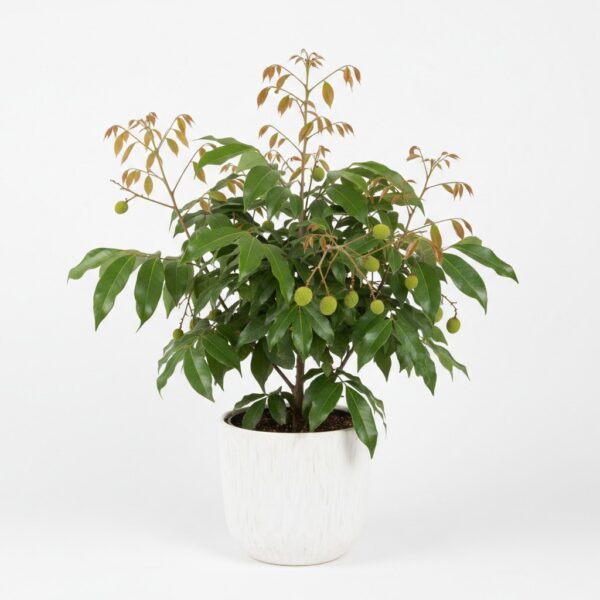
Lychee
Litchi chinensis
Lychee is a tropical evergreen tree, typically grown for its delicious fruit. It can reach heights of 10-30 meters in its natural habitat. The tree has a dense, rounded crown and attractive foliage. While it can be grown in containers, it's primarily an outdoor plant and faces significant challenges when grown indoors due to its high light and humidity requirements. People grow lychee for its edible fruit, which is sweet, juicy, and aromatic.

Miniature Rose
Rosa chinensis minima
Miniature roses are compact versions of standard roses, typically growing to a height of 6-24 inches. They feature smaller leaves, stems, and flowers, but retain the classic rose shape and fragrance. While they can be grown indoors with sufficient light, they are primarily outdoor plants, thriving in gardens and containers. People grow them for their beautiful blooms, compact size, and relatively easy care compared to larger rose varieties. They are popular for adding color to small spaces and for use in floral arrangements.
Quick Plant Comparison
| Feature | Lychee | Miniature Rose |
|---|---|---|
| Light | Full sun (at least 6-8 hours of direct sunlight daily) | Requires at least 6 hours of direct sunlight daily. Insufficient light leads to leggy growth and reduced flowering. |
| Watering | Every 1-2 weeks, depending on environmental conditions and pot size. More frequent watering may be needed during hot, dry periods. | Every 2-3 days outdoors in warm weather, every 5-7 days indoors depending on light and humidity. |
| Humidity | 50-70% | 40-50% |
| Temperature | 20-30°C | 18-24°C |
| Care Level | Expert | Expert |
| Growth Rate | Moderate | Moderate |
| Max Height | Rarely exceeds 2-3 meters in containers indoors; 10-30 meters outdoors. | 15-60 cm (6-24 inches) |
| Pet Safety | ❌ Toxic To Pets | ❌ Toxic To Pets |
| Soil | Well-draining, slightly acidic soil (pH 6.0-6.5). A mix of potting soil, perlite, and sand is suitable. | Well-draining potting mix amended with compost or perlite. |
| Beginner Friendly | ❌ No | ❌ No |
| Weekly Maintenance | 30-60 minutes weekly, including watering, fertilizing, and pest control. | 30 minutes weekly |
🔬 Botanical Information — Comparing These Plants
Lychee
| Scientific Name | Litchi chinensis |
|---|---|
| Family | Sapindaceae |
| Native To | Southern China, Southeast Asia |
| Also Known As | Lychee, Litchi, Leechee, Lichee Nut |
| Leaves | The leaves are pinnately compound, with 4-8 leaflets. The leaflets are lanceolate to oblong-lanceolate, glossy green, and leathery in texture. New growth is often reddish-bronze. |
| Flowers | Lychee produces small, greenish-white flowers in panicles. Flowering typically occurs in spring. Indoor flowering is rare due to the specific environmental requirements. |
Miniature Rose
| Scientific Name | Rosa chinensis minima |
|---|---|
| Family | Rosaceae |
| Native To | China |
| Also Known As | Miniature Rose, Fairy Rose, Micro Rose |
| Leaves | Small, oval-shaped leaves with serrated edges. Typically dark green and glossy. |
| Flowers | Yes, they can flower indoors with sufficient light. The flowers are smaller than standard roses, ranging from 1-2 inches in diameter. They come in a variety of colors, including red, pink, white, yellow, and orange. |
📏 Size & Growth — Plant Comparison
Lychee
Miniature Rose
🌱 Propagation — Comparing Plant Growth
Lychee
Methods: Air layering, grafting, seed (though seed propagation is not recommended as it doesn't guarantee true-to-type offspring)
Difficulty: Moderate
Tips: Air layering is the most reliable method. Grafting is used to propagate desirable cultivars. Seeds should be fresh and sown immediately.
Miniature Rose
Methods: Stem cuttings, Seed (though not recommended as it may not produce true-to-type offspring)
Difficulty: Moderate
Tips: Take stem cuttings from new growth in spring or early summer. Dip the cut end in rooting hormone and plant in moist potting mix. Keep the cutting in a humid environment until roots develop.
✨ Benefits & Features — Comparing Plant Value
Lychee
Lychee is known for its unique fruit, which has a rough, red rind and sweet, translucent flesh. It requires specific chilling hours to fruit properly, making it challenging to grow in all climates.
- ✓ Provides edible fruit (when grown successfully).
- ✓ Adds a tropical aesthetic to your garden or patio.
- ✓ Offers a challenging and rewarding gardening experience.
- ✓ Can be a conversation starter due to its exotic nature.
- ✓ May improve mental well-being through gardening activities.
- ⚠️ Toxic to pets
Miniature Rose
Miniature roses are bred to be smaller versions of standard roses, making them ideal for small spaces. They retain the classic rose shape and fragrance but are more compact and easier to manage than larger rose varieties.
- ✓ Aesthetically pleasing with beautiful blooms.
- ✓ Provides a classic rose fragrance.
- ✓ Can be used in floral arrangements.
- ✓ Adds color and life to small spaces.
- ✓ Can be a rewarding gardening experience.
- ⚠️ Toxic to pets
📅 Maintenance Schedule — Plant Care Comparison
Lychee
Miniature Rose
🌞 Light Requirements
Lychee
Full sun (at least 6-8 hours of direct sunlight daily)
Low light tolerant: ❌ No
Miniature Rose
Requires at least 6 hours of direct sunlight daily. Insufficient light leads to leggy growth and reduced flowering.
Low light tolerant: ❌ No
💧 Watering Needs
Lychee
Water deeply when the top inch of soil is dry. Avoid overwatering, which can lead to root rot. Signs of underwatering include wilting leaves and dry soil. Overwatering symptoms include yellowing leaves and soggy soil.
Miniature Rose
Water thoroughly when the top inch of soil feels dry. Avoid overhead watering to prevent fungal diseases. Overwatering can lead to root rot, indicated by yellowing leaves and a musty smell. Underwatering results in wilting and dry, crispy leaves.
🌡️ Temperature & Humidity
Lychee
Temperature: 20-30°C
Humidity: 50-70%
Miniature Rose
Temperature: 18-24°C
Humidity: 40-50%
🤔 Which Plant Is Right For You?
Lychee
Litchi chinensisExperienced gardeners in warm climates who want to attempt growing a tropical fruit tree in a container.
✅ Choose This Plant If...
- You live in a warm climate and can provide ample sunlight outdoors.
- You are an experienced gardener looking for a challenging project.
- You want to grow your own lychee fruit, even if it's a small yield.
- You appreciate the aesthetic appeal of a tropical evergreen tree.
- You are prepared to provide the specific care requirements of a lychee tree.
❌ Skip This Plant If...
- You live in a cold climate with limited sunlight.
- You are a beginner gardener.
- You are looking for a low-maintenance indoor plant.
Miniature Rose
Rosa chinensis minimaExperienced gardeners who can provide the necessary light and care to maintain healthy miniature roses indoors or outdoors.
✅ Choose This Plant If...
- You love the look and fragrance of roses but have limited space.
- You are an experienced gardener looking for a rewarding challenge.
- You want to add a touch of elegance to your patio or balcony.
- You enjoy creating floral arrangements with homegrown flowers.
- You are willing to provide the intense light and humidity that miniature roses need to thrive indoors.
❌ Skip This Plant If...
- You have limited sunlight in your home.
- You are a beginner gardener.
- You have pets that may ingest the plant.
🎯 Quick Verdict
⚡ Key Differences Between These Plants
Both plants have similar basic care requirements but differ in appearance and specific needs. Compare plants carefully to find the best fit for your space.
💡 Pro Tips For Comparing These Plants
Lychee Care Tips
Lychee is challenging to grow indoors due to its high light and humidity requirements. It needs full sun and consistently moist, well-draining soil. Maintaining adequate humidity is crucial. Regular fertilization is also important. Indoor fruiting is rare.
- Provide full sun for at least 6-8 hours daily.
- Maintain high humidity levels through misting or a humidifier.
- Water deeply when the top inch of soil is dry, but avoid overwatering.
- Fertilize regularly during the growing season with a balanced fertilizer.
- Protect from frost and cold temperatures during the winter.
Miniature Rose Care Tips
Miniature roses are primarily outdoor plants and require significant sunlight to thrive indoors. Maintaining adequate light, humidity, and proper watering is crucial for their survival. Regular fertilization and pest control are also necessary. Indoor growing presents challenges due to the need for intense light and humidity control.
- Provide at least 6 hours of direct sunlight daily.
- Water thoroughly when the top inch of soil is dry, but avoid overwatering.
- Fertilize regularly during the growing season with a balanced liquid fertilizer.
- Prune regularly to remove dead or diseased wood and to shape the plant.
- Monitor for pests and diseases and treat promptly.
⚠️ Common Problems & Solutions — Plant Care Comparison
Lychee
Miniature Rose
❓ Frequently Asked Questions — Comparing These Plants
Lychee
What are the light requirements for Lychee?
Lychee trees require bright, indirect light to thrive indoors. Aim for at least 6-8 hours of sunlight daily. A south-facing window is ideal, but be sure to protect the plant from intense midday sun, which can scorch the leaves. If natural light is insufficient, supplement with grow lights. Rotate the plant regularly to ensure even light exposure on all sides. Insufficient light can lead to leggy growth and reduced fruit production. During the winter months, when light levels are lower, consider moving the plant closer to a window or increasing the duration of grow light exposure. Monitoring the plant’s foliage color and growth patterns can help determine if it’s receiving adequate light.
How do I care for Lychee?
Lychee trees thrive indoors with proper care. Provide bright, indirect light, ideally near a south-facing window. Water thoroughly when the top inch of soil feels dry, ensuring good drainage to prevent root rot. Maintain a stable temperature between 65-85°F (18-29°C) and increase humidity with a humidifier or pebble tray. Fertilize monthly during the growing season (spring and summer) with a balanced, water-soluble fertilizer diluted to half strength. Prune regularly to maintain shape and encourage branching. Repot every 2-3 years into a slightly larger pot with well-draining potting mix. Protect from drafts and sudden temperature changes. Monitor for pests and treat promptly. Consistent care is crucial for optimal growth and potential fruit production. Ensure adequate air circulation around the plant.
How do I propagate Lychee?
Lychee trees can be propagated through stem cuttings or air layering. For stem cuttings, take a 4-6 inch cutting from a healthy branch. Remove the lower leaves and dip the cut end in rooting hormone. Plant the cutting in a well-draining potting mix and keep it moist and humid. For air layering, make a shallow cut on a branch, wrap it with moist sphagnum moss, and cover it with plastic wrap. Once roots develop, cut the branch below the rooted area and plant it in a pot. Both methods require patience and consistent care. Provide warmth and humidity to encourage root development. Rooting can take several weeks or months.
Miniature Rose
What are the light requirements for Miniature Rose?
Miniature Roses require a significant amount of light to bloom profusely. Aim for at least six hours of direct sunlight per day. An east-facing window is often ideal, providing bright morning sun. South-facing windows can also work, but be mindful of potential scorching during the hottest part of the day; consider diffusing the light with a sheer curtain. If natural light is insufficient, supplement with a grow light. Rotate the plant regularly to ensure even light exposure on all sides. Insufficient light can lead to leggy growth, fewer blooms, and a weaker plant overall. Pay attention to the plant’s response to light and adjust accordingly.
How do I care for Miniature Rose?
Miniature Roses thrive with bright, direct sunlight; at least six hours daily is ideal. Water thoroughly when the top inch of soil feels dry, ensuring good drainage to prevent root rot. Fertilize regularly during the growing season (spring and summer) with a balanced rose fertilizer, following package instructions. Prune lightly after each flush of blooms to encourage new growth and more flowers. Maintain moderate humidity levels and good air circulation to prevent fungal diseases. Repot in spring every 1-2 years using a well-draining potting mix formulated for roses. Monitor for pests like aphids and spider mites, and treat promptly with insecticidal soap or neem oil. Provide support if necessary, as some varieties may have delicate stems. Avoid overwatering, which can lead to root rot.
How do I propagate Miniature Rose?
Miniature Roses can be propagated through stem cuttings. Take a 4-6 inch cutting from a healthy stem, removing the lower leaves. Dip the cut end in rooting hormone and plant it in a well-draining potting mix. Keep the soil moist and provide high humidity by covering the cutting with a plastic bag or dome. Place in bright, indirect light. Roots should develop in 4-6 weeks. Division can be done when repotting, carefully separating the root ball and planting each section individually. Keiki propagation is not a typical method for Miniature Roses. Ensure the cutting is kept warm and consistently moist during the rooting process.
Last updated: April 19, 2026 — Plant care data reviewed and verified by our editorial team.