
Lovage vs Tulip Plant Comparison
Compare these two plants side by side — care needs, key differences, and which is right for your home.

Lovage
Levisticum officinale
Lovage is a tall, herbaceous perennial plant typically grown outdoors for its leaves, stems, and roots, all of which have a celery-like flavor. It can reach heights of 1.8 to 2.5 meters (6 to 8 feet). The plant features glossy, dark green leaves that are divided into leaflets. It produces umbels of yellowish-green flowers in the summer, followed by aromatic seeds. People grow lovage for culinary and medicinal purposes. It is primarily an outdoor plant and presents challenges when grown indoors due to its size and light requirements.
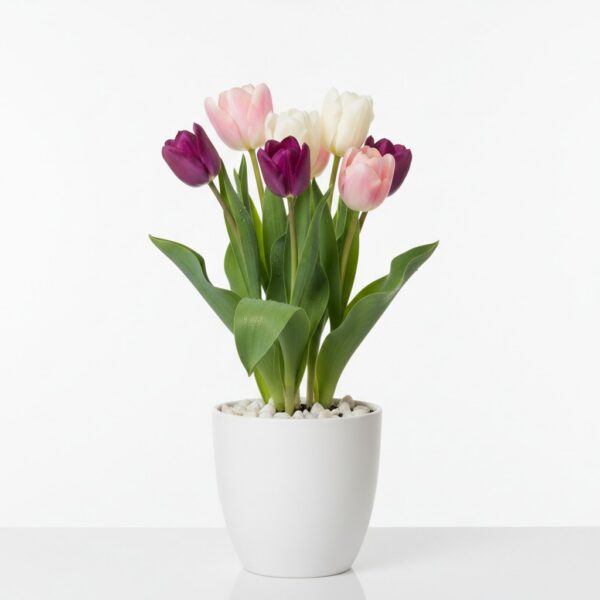
Tulip
Tulipa spp.
Tulips are bulbous, perennial flowering plants known for their vibrant, cup-shaped flowers. They are primarily grown outdoors as garden ornamentals, adding a splash of color to spring landscapes. Tulips are not naturally indoor plants and require a specific chilling period to initiate flowering. They range in height from a few inches to over two feet, depending on the variety. Their leaves are typically lance-shaped and bluish-green. People grow them for their beautiful flowers and their ability to naturalize in some climates.
Quick Plant Comparison
| Feature | Lovage | Tulip |
|---|---|---|
| Light | Full sun to partial shade. Requires at least 6 hours of direct sunlight daily for optimal growth. | Full sun (at least 6 hours of direct sunlight daily) |
| Watering | Every 7-10 days outdoors, less frequently if container-grown. | Water deeply once a week during active growth, less frequently during dormancy. |
| Humidity | 30-50% | 30-50% |
| Temperature | 15-24°C | 10-21°C |
| Care Level | Expert | Expert |
| Growth Rate | Fast | Moderate |
| Max Height | 0.6-1.2 meters (2-4 feet) indoors, significantly larger outdoors. | 15-75 cm (outdoors) |
| Pet Safety | ❌ Toxic To Pets | ❌ Toxic To Pets |
| Soil | Well-draining, fertile soil rich in organic matter. A mix of potting soil, compost, and perlite is suitable. | Well-draining, sandy loam soil |
| Beginner Friendly | ❌ No | ❌ No |
| Weekly Maintenance | 30 minutes weekly | 15 minutes weekly during active growth (outdoors) |
🔬 Botanical Information — Comparing These Plants
Lovage
| Scientific Name | Levisticum officinale |
|---|---|
| Family | Apiaceae |
| Native To | Southern Europe and Southwestern Asia |
| Also Known As | Lovage, Garden Lovage, Maggi Plant |
| Leaves | Glossy, dark green leaves that are divided into leaflets. The leaflets are serrated and have a celery-like aroma when crushed. The leaves can grow up to 30 cm (12 inches) long. |
| Flowers | Produces umbels of yellowish-green flowers in the summer. Flowering is less common indoors, but possible with sufficient light. |
Tulip
| Scientific Name | Tulipa spp. |
|---|---|
| Family | Liliaceae |
| Native To | Central Asia, Turkey |
| Also Known As | Tulip |
| Leaves | The leaves of tulips are typically lance-shaped, bluish-green, and waxy. They emerge from the base of the plant and can vary in size depending on the variety. |
| Flowers | Tulips rarely flower indoors unless they have been properly chilled. The flowers are cup-shaped and come in a wide range of colors, including red, yellow, pink, purple, white, and bi-colors. They typically bloom in spring. |
📏 Size & Growth — Plant Comparison
Lovage
Tulip
🌱 Propagation — Comparing Plant Growth
Lovage
Methods: Seed, Division, Root cuttings
Difficulty: Moderate
Tips: For seeds, cold stratify for a few weeks before sowing. Division is best done in spring or fall. Ensure each division has healthy roots and shoots. Root cuttings should be taken in late fall or early spring.
Tulip
Methods: Bulb offsets, Seed (not recommended for home gardeners)
Difficulty: Moderate
Tips: Separate bulb offsets from the mother bulb in the fall and replant them. Seed propagation is slow and may take several years to produce flowering plants.
✨ Benefits & Features — Comparing Plant Value
Lovage
Lovage has a strong celery-like flavor that is more intense than celery itself. It is a tall, imposing plant that can add vertical interest to a garden. The entire plant is edible and has various culinary and medicinal uses.
- ✓ Provides fresh herbs for cooking.
- ✓ Attracts beneficial insects to the garden.
- ✓ Adds a unique flavor to dishes.
- ✓ Can be used medicinally for digestive issues.
- ✓ Aesthetically pleasing in a garden setting.
- ⚠️ Toxic to pets
Tulip
Tulips are known for their wide range of colors and flower shapes. They require a chilling period to initiate flowering, making them a seasonal favorite. Their history is intertwined with 'Tulip Mania,' a period of speculative investment in the 17th century.
- ✓ Adds vibrant color to the garden.
- ✓ Attracts pollinators like bees.
- ✓ Provides cut flowers for bouquets.
- ✓ Can be used in landscape design to create focal points.
- ✓ Offers a sense of anticipation and joy in early spring.
- ⚠️ Toxic to pets
📅 Maintenance Schedule — Plant Care Comparison
Lovage
Tulip
🌞 Light Requirements
Lovage
Full sun to partial shade. Requires at least 6 hours of direct sunlight daily for optimal growth.
Low light tolerant: ❌ No
Tulip
Full sun (at least 6 hours of direct sunlight daily)
Low light tolerant: ❌ No
💧 Watering Needs
Lovage
Water deeply when the top inch of soil feels dry to the touch. Avoid overwatering, which can lead to root rot. Ensure good drainage. Signs of underwatering include wilting leaves; signs of overwatering include yellowing leaves and a soggy soil.
Tulip
Water thoroughly when planting and during active growth in spring. Allow the soil to dry slightly between waterings. Avoid overwatering, which can lead to bulb rot. Reduce watering after flowering as the plant enters dormancy. Signs of overwatering include yellowing leaves and mushy bulbs. Underwatering can cause stunted growth and dry, crispy leaves.
🌡️ Temperature & Humidity
Lovage
Temperature: 15-24°C
Humidity: 30-50%
Tulip
Temperature: 10-21°C
Humidity: 30-50%
🤔 Which Plant Is Right For You?
Lovage
Levisticum officinaleExperienced gardeners who want a flavorful herb for culinary use and have ample outdoor space.
✅ Choose This Plant If...
- You want a strong celery-like flavor in your cooking.
- You have a large outdoor garden space.
- You enjoy growing herbs for both culinary and medicinal purposes.
- You are an experienced gardener looking for a unique plant.
- You want to attract beneficial insects to your garden.
❌ Skip This Plant If...
- You have limited space, especially indoors.
- You have pets that might ingest the plant.
- You are a beginner gardener looking for an easy-to-grow plant.
Tulip
Tulipa spp.Gardeners who want to add spring color to their outdoor landscapes.
✅ Choose This Plant If...
- You want vibrant spring blooms in your garden.
- You enjoy the process of forcing bulbs for early spring color.
- You have a sunny garden space.
- You appreciate the classic beauty of tulips.
- You want to create a Dutch-inspired garden.
❌ Skip This Plant If...
- You lack outdoor space for planting.
- You have pets that might ingest the bulbs.
- You are looking for a low-maintenance indoor plant.
- You live in a climate with very warm winters that won't provide the necessary chilling period.
🎯 Quick Verdict
⚡ Key Differences Between These Plants
Lovage has fast growth, while Tulip grows moderate.
💡 Pro Tips For Comparing These Plants
Lovage Care Tips
Lovage is primarily an outdoor plant that requires full sun and well-drained soil. Growing it indoors is challenging due to its size and light requirements. It needs a large container and supplemental lighting to thrive. Regular fertilization and monitoring for pests are essential.
- Provide full sun for optimal growth and flavor.
- Water deeply but infrequently, allowing the soil to dry out slightly between waterings.
- Fertilize regularly during the growing season.
- Monitor for pests and diseases, and treat promptly.
- Prune regularly to maintain shape and encourage bushier growth.
Tulip Care Tips
Tulips are primarily outdoor plants. Forcing them indoors requires a chilling period (8-16 weeks at 4-7°C) before planting. Maintaining proper temperature, light, and watering is crucial for successful indoor forcing. They are not suitable as long-term indoor plants.
- Plant bulbs in well-draining soil in the fall.
- Provide a chilling period of 8-16 weeks at 4-7°C for indoor forcing.
- Water thoroughly during active growth but avoid overwatering.
- Fertilize in early spring with a balanced fertilizer.
- Remove spent flowers to encourage bulb development.
⚠️ Common Problems & Solutions — Plant Care Comparison
Lovage
Tulip
❓ Frequently Asked Questions — Comparing These Plants
Lovage
What are the light requirements for Lovage?
Lovage performs best in full sun to partial shade. Ideally, it should receive at least six hours of direct sunlight per day to promote vigorous growth and abundant blooms. In hotter climates, afternoon shade is beneficial to prevent leaf scorch. When grown indoors, place Lovage near a sunny window, such as a south- or west-facing window. If natural light is insufficient, supplement with grow lights to ensure adequate light exposure. Rotate the plant regularly to ensure even light distribution and prevent it from leaning towards the light source. Insufficient light can lead to leggy growth and reduced flowering.
How do I care for Lovage?
Lovage thrives in well-drained soil and prefers a sunny to partially shaded location. Water deeply and regularly, especially during dry periods, ensuring the soil remains consistently moist but not waterlogged. Fertilize in early spring with a balanced, slow-release fertilizer to promote healthy growth and abundant blooms. Deadhead spent flowers to encourage further blooming and prevent self-seeding, unless you desire new plants. Prune back the plant in late fall after the foliage has died back to prepare it for winter dormancy. Provide support if the plant becomes too tall or top-heavy, especially in windy areas. Monitor for pests and diseases, and address any issues promptly. Mulch around the base of the plant to retain moisture and suppress weeds.
How do I propagate Lovage?
Lovage can be propagated through several methods: division, stem cuttings, and seed. Division is best done in spring or fall. Carefully dig up the plant and divide the root ball into smaller sections, ensuring each section has healthy roots and shoots. Replant the divisions in well-draining soil. Stem cuttings can be taken in spring or summer. Take a 4-6 inch cutting from a healthy stem, remove the lower leaves, and plant in a well-draining potting mix. Keep the soil moist until roots develop. Seeds can be sown directly into the garden in spring or fall. Keep the soil moist and provide adequate light. Germination can take several weeks.
Tulip
What are the light requirements for Tulip?
Tulips need ample sunlight to produce vibrant blooms. They require at least 6 hours of direct sunlight per day to thrive. Inadequate light can result in weak stems, poor flower development, and even failure to bloom. When growing tulips indoors, place them near a sunny window that receives plenty of natural light. If natural light is limited, consider using a grow light to supplement their needs. Rotate the plants regularly to ensure all sides receive equal exposure to light. Signs of insufficient light include elongated stems, pale leaves, and a lack of flower buds. Proper lighting is crucial for the overall health and flowering potential of tulips.
How do I care for Tulip?
Tulips thrive in well-draining soil and require a period of cool dormancy to bloom successfully. Plant bulbs in the fall, about 6-8 inches deep and 4-6 inches apart, in a location that receives at least 6 hours of sunlight per day. Water thoroughly after planting and then sparingly until shoots emerge in the spring. Fertilize with a balanced fertilizer in early spring as growth begins. After blooming, allow the foliage to die back naturally to nourish the bulb for the following year. If growing tulips indoors, choose a pot with drainage holes and use a well-draining potting mix. Water when the top inch of soil feels dry, and provide bright, indirect light. Rotate the pot regularly to ensure even growth. To encourage reblooming, provide a cool, dark period of dormancy after the foliage has died back, typically by storing the bulbs in a refrigerator for 8-12 weeks before replanting.
How do I propagate Tulip?
Tulips are most commonly propagated by bulb division. After the foliage has died back, carefully dig up the bulbs and separate any offsets (smaller bulbs attached to the main bulb). Replant the offsets in a separate location. While tulips can technically be grown from seed, it takes several years for them to mature and flower. Stem cuttings and keikis are not applicable propagation methods for Tulips. For successful bulb division, ensure the offsets are healthy and well-formed. Plant them at the same depth and spacing as the parent bulbs. Provide adequate water and fertilizer to support their growth. It may take a year or two for the offsets to produce flowers. Be patient and enjoy the process of expanding your tulip collection.
Last updated: May 12, 2026 — Plant care data reviewed and verified by our editorial team.