
Lily of the Nile vs Myrtle Spurge Plant Comparison
Compare these two plants side by side — care needs, key differences, and which is right for your home.

Lily of the Nile
Agapanthus africanus
Agapanthus africanus, commonly known as Lily of the Nile, is a clump-forming perennial prized for its showy, spherical umbels of blue or white flowers atop tall, sturdy stalks. It features strap-like, arching green leaves. Primarily an outdoor plant, it thrives in sunny gardens and borders. While it can be grown in containers, it requires significant sunlight and space to flourish. People grow it for its striking floral display and architectural foliage, adding a touch of elegance to landscapes.
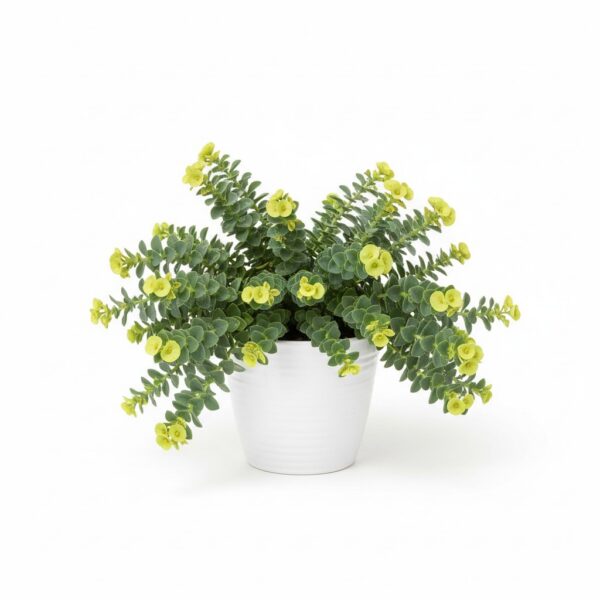
Myrtle Spurge
Euphorbia myrsinites
Myrtle Spurge is a succulent, low-growing perennial characterized by its sprawling habit and blue-gray, spirally arranged leaves. It typically reaches a height of 6-12 inches and spreads up to 24 inches wide. It is primarily grown as an ornamental ground cover in rock gardens or dry landscapes. It produces small, inconspicuous yellowish-green flowers in spring, followed by seed capsules. This plant is naturally an outdoor plant and struggles indoors due to its high light requirements and need for well-draining soil.
Quick Plant Comparison
| Feature | Lily of the Nile | Myrtle Spurge |
|---|---|---|
| Light | Full sun to partial shade. Requires at least 6 hours of direct sunlight daily for optimal flowering. | Full sun to partial shade. Requires at least 6 hours of direct sunlight daily for optimal growth. |
| Watering | Every 7-10 days during the growing season, less frequently in winter. | Every 2-4 weeks, depending on weather and soil drainage. |
| Humidity | 30-50% | 20-40% |
| Temperature | 18-27°C | 15-25°C |
| Care Level | Expert | Expert |
| Growth Rate | Moderate | Moderate |
| Max Height | 0.6-1 meter (indoors, less likely to reach full outdoor height) | 6-12 inches (outdoor) |
| Pet Safety | ❌ Toxic To Pets | ❌ Toxic To Pets |
| Soil | Well-draining soil mix, such as a blend of potting soil, perlite, and sand. | Well-draining, sandy or gravelly soil. Avoid heavy clay soils. |
| Beginner Friendly | ❌ No | ❌ No |
| Weekly Maintenance | 15 minutes weekly during the growing season. | 15 minutes monthly (weeding, pruning) |
🔬 Botanical Information — Comparing These Plants
Lily of the Nile
| Scientific Name | Agapanthus africanus |
|---|---|
| Family | Amaryllidaceae |
| Native To | South Africa |
| Also Known As | Lily of the Nile, African Lily, Agapanthus |
| Leaves | Strap-like, arching green leaves, typically 30-60 cm long and 2-4 cm wide. The leaves are smooth and glossy. |
| Flowers | Rarely flowers indoors due to insufficient light. Outdoors, it produces spherical umbels of blue or white flowers on tall stalks during the summer. |
Myrtle Spurge
| Scientific Name | Euphorbia myrsinites |
|---|---|
| Family | Euphorbiaceae |
| Native To | Mediterranean region (Southern Europe and North Africa) |
| Also Known As | Myrtle Spurge, Donkey Spurge, Creeping Spurge, Glaucous Spurge |
| Leaves | Succulent, blue-gray, lance-shaped leaves arranged in a spiral pattern around the stems. Leaves are typically 1-2 inches long. |
| Flowers | Produces small, inconspicuous yellowish-green flowers in spring. Rarely flowers indoors. |
📏 Size & Growth — Plant Comparison
Lily of the Nile
Myrtle Spurge
🌱 Propagation — Comparing Plant Growth
Lily of the Nile
Methods: Division, Seed
Difficulty: Moderate
Tips: Divide clumps in early spring or fall. Sow seeds in spring after a period of cold stratification. Ensure good drainage for both methods.
Myrtle Spurge
Methods: Seed, Stem cuttings
Difficulty: Moderate
Tips: Take stem cuttings in spring or summer, allow the cut end to callous over for a few days, and then plant in well-draining soil. Wear gloves to avoid skin irritation from the sap.
✨ Benefits & Features — Comparing Plant Value
Lily of the Nile
The spherical umbels of flowers are a distinctive feature, making it a standout in any garden. Its drought tolerance, once established, makes it a low-maintenance option for sunny locations. The plant's rhizomatous growth habit allows it to form clumps over time.
- ✓ Adds vibrant color to the garden
- ✓ Attracts pollinators like bees and butterflies
- ✓ Drought-tolerant once established
- ✓ Provides architectural interest with its foliage and flower stalks
- ✓ Can be used as a cut flower
- ⚠️ Toxic to pets
Myrtle Spurge
The spirally arranged, blue-gray leaves give it a distinctive appearance. The milky sap is toxic and can cause skin irritation.
- ✓ Drought tolerance reduces water usage.
- ✓ Provides visual interest with its unique foliage.
- ✓ Low maintenance once established.
- ✓ Attracts pollinators.
- ✓ Controls erosion on slopes.
- ⚠️ Toxic to pets
📅 Maintenance Schedule — Plant Care Comparison
Lily of the Nile
Myrtle Spurge
🌞 Light Requirements
Lily of the Nile
Full sun to partial shade. Requires at least 6 hours of direct sunlight daily for optimal flowering.
Low light tolerant: ❌ No
Myrtle Spurge
Full sun to partial shade. Requires at least 6 hours of direct sunlight daily for optimal growth.
Low light tolerant: ❌ No
💧 Watering Needs
Lily of the Nile
Water deeply when the top inch of soil feels dry. Avoid overwatering, which can lead to root rot. Reduce watering during the dormant winter period. Signs of overwatering include yellowing leaves and a soggy soil. Underwatering is indicated by wilting and browning leaf tips.
Myrtle Spurge
Water deeply but infrequently, allowing the soil to dry out completely between waterings. Overwatering can lead to root rot. Signs of underwatering include shriveled leaves. Signs of overwatering include yellowing leaves and a mushy stem.
🌡️ Temperature & Humidity
Lily of the Nile
Temperature: 18-27°C
Humidity: 30-50%
Myrtle Spurge
Temperature: 15-25°C
Humidity: 20-40%
🤔 Which Plant Is Right For You?
Lily of the Nile
Agapanthus africanusExperienced gardeners who can provide ample sunlight and proper care, especially in outdoor settings.
✅ Choose This Plant If...
- You want a striking focal point in your garden with beautiful blue or white flowers.
- You have a sunny location that can provide at least 6 hours of direct sunlight daily.
- You want to attract pollinators like bees and butterflies to your garden.
- You are looking for a drought-tolerant plant once established.
- You enjoy the architectural foliage and the overall elegant appearance of the plant.
❌ Skip This Plant If...
- You have pets that may ingest the plant, as it is toxic to dogs, cats, and horses.
- You have limited sunlight indoors, as it requires full sun to thrive and flower.
- You are a beginner gardener, as it requires specific care and attention to flourish.
Myrtle Spurge
Euphorbia myrsinitesExperienced gardeners looking for a drought-tolerant ground cover in sunny, well-drained locations.
✅ Choose This Plant If...
- You need a drought-tolerant ground cover for a sunny area.
- You appreciate the unique blue-gray foliage.
- You are an experienced gardener familiar with handling toxic plants.
- You want a low-maintenance plant once established.
- You have a rock garden or xeriscape landscape.
❌ Skip This Plant If...
- You have pets or small children who may ingest the plant.
- You are a beginner gardener.
- You do not have a sunny outdoor space.
- You are sensitive to latex or have skin allergies.
🎯 Quick Verdict
⚡ Key Differences Between These Plants
Both plants have similar basic care requirements but differ in appearance and specific needs. Compare plants carefully to find the best fit for your space.
💡 Pro Tips For Comparing These Plants
Lily of the Nile Care Tips
Lily of the Nile is primarily an outdoor plant and requires ample sunlight to thrive. Growing it indoors is challenging due to its high light requirements. It needs well-draining soil and regular fertilization during the growing season. Overwintering indoors may be necessary in colder climates.
- Provide well-draining soil to prevent root rot.
- Water deeply but infrequently, allowing the soil to dry out slightly between waterings.
- Fertilize regularly during the growing season with a balanced fertilizer.
- Protect from frost in colder climates by bringing container plants indoors.
- Deadhead spent flowers to encourage more blooms.
Myrtle Spurge Care Tips
Myrtle Spurge is an outdoor plant that requires full sun and well-draining soil. It is not suitable for indoor growing due to its high light requirements and potential for toxicity. It is drought-tolerant and relatively low-maintenance once established, but requires careful handling due to its toxic sap.
- Always wear gloves and eye protection when handling Myrtle Spurge.
- Remove seed heads to prevent unwanted spread.
- Ensure excellent drainage to prevent root rot.
- Water deeply but infrequently.
- Provide full sun for optimal growth and color.
⚠️ Common Problems & Solutions — Plant Care Comparison
Lily of the Nile
Myrtle Spurge
❓ Frequently Asked Questions — Comparing These Plants
Lily of the Nile
What are the light requirements for Lily of the Nile?
Lily of the Nile thrives in bright, sunny locations. It needs at least six hours of direct sunlight per day to produce abundant blooms. In hotter climates, some afternoon shade can be beneficial to prevent leaf scorch. When grown indoors, place the plant near a south-facing window where it can receive ample sunlight. Insufficient light can result in poor flowering and leggy growth. Rotate the plant regularly to ensure even light exposure on all sides.
How do I care for Lily of the Nile?
Lily of the Nile thrives in well-draining soil and requires full sun to partial shade, ideally receiving at least six hours of direct sunlight daily for optimal blooming. Water thoroughly when the top inch of soil feels dry to the touch, allowing excess water to drain away. Avoid overwatering, as this can lead to root rot. Fertilize regularly during the growing season (spring and summer) with a balanced, slow-release fertilizer or a liquid fertilizer diluted to half strength every two to four weeks.
How do I propagate Lily of the Nile?
Lily of the Nile can be propagated through division, stem cuttings, and keiki (small plantlets that form on flower stalks).
Myrtle Spurge
What are the light requirements for Myrtle Spurge?
Myrtle Spurge thrives in bright, direct sunlight. Aim for at least 6 hours of sunlight per day. An east- or south-facing window is ideal. If grown outdoors, choose a location that receives full sun. Insufficient light can lead to etiolation, where the plant stretches towards the light source, resulting in weak, leggy growth. Rotate the plant regularly to ensure even light exposure on all sides. In regions with intense summer sun, provide some afternoon shade to prevent scorching. Supplement with grow lights if natural light is limited, particularly during winter months.
How do I care for Myrtle Spurge?
Myrtle Spurge requires well-draining soil, such as a cactus or succulent mix, to prevent root rot. Water thoroughly when the soil is completely dry, typically every 2-4 weeks, depending on environmental conditions. Provide bright, direct sunlight for at least 6 hours a day; however, protect it from intense afternoon sun in hot climates. Fertilize sparingly, only during the growing season (spring and summer), using a balanced, diluted succulent fertilizer. Prune dead or damaged leaves to maintain its appearance. Be extremely cautious of the milky sap, which can cause skin irritation. Wear gloves when handling. Avoid overwatering, especially during winter dormancy.
How do I propagate Myrtle Spurge?
Myrtle Spurge can be propagated through stem cuttings, leaf cuttings, or offsets. For stem cuttings, allow the cut end to callous over for a few days before planting in well-draining soil. Rooting hormone can aid in the process. Leaf cuttings can be placed on top of well-draining soil and misted occasionally. Offsets, or small plantlets that grow around the base of the mother plant, can be carefully separated and potted individually. Wear gloves when handling cuttings to avoid skin irritation from the sap. Provide bright, indirect light and maintain consistent moisture until roots develop. Propagation is best done during the growing season (spring or summer).
Last updated: May 12, 2026 — Plant care data reviewed and verified by our editorial team.