
Ligustrum vs Mum Plant Comparison
Compare these two plants side by side — care needs, key differences, and which is right for your home.
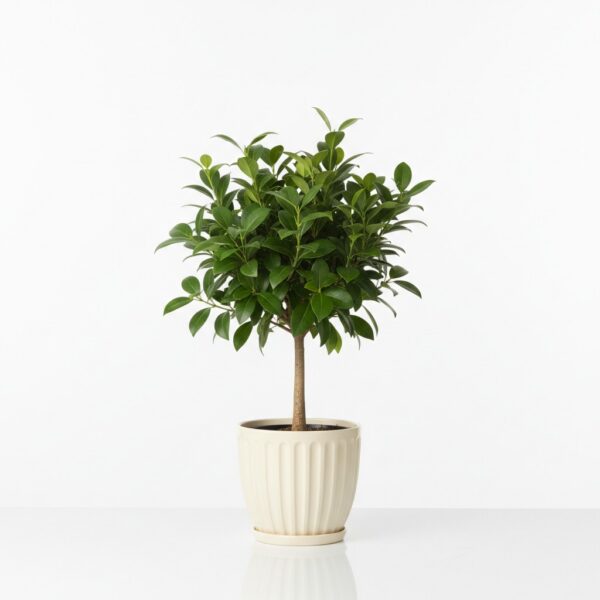
Ligustrum
Ligustrum spp.
Ligustrum, commonly known as privet, is a genus of shrubs and small trees often used for hedging and topiary. They are characterized by their dense foliage, opposite leaves, and clusters of small, white, fragrant flowers, followed by dark berries. While primarily outdoor plants valued for their adaptability and ease of shaping, some species are occasionally brought indoors, though they rarely thrive due to insufficient light and humidity. They are grown for their formal appearance and ability to create privacy screens.

Mum
Chrysanthemum × morifolium
Chrysanthemum × morifolium, commonly known as mums, are popular flowering plants cultivated for their vibrant and diverse flower colors and forms. They are herbaceous perennials, typically grown as annuals in many climates due to their sensitivity to frost. Mums are characterized by their bushy growth habit and composite flower heads, which come in various shapes like daisy-like, pompon, and spider. While primarily outdoor plants, they are often brought indoors for short periods to enjoy their blooms, but they require specific conditions to thrive indoors long-term. People grow them for ornamental purposes, adding color to gardens and homes, and for cut flowers.
Quick Plant Comparison
| Feature | Ligustrum | Mum |
|---|---|---|
| Light | Full sun to partial shade. Requires at least 6 hours of direct sunlight daily for optimal growth and flowering. | Full sun (at least 6 hours of direct sunlight daily) |
| Watering | Every 7-10 days outdoors, less frequently indoors (every 2-3 weeks, depending on conditions). | Every 2-3 days outdoors in warm weather; every 5-7 days indoors, depending on light and temperature. |
| Humidity | 30-50% | 40-60% |
| Temperature | 15-27°C | 15-24°C |
| Care Level | Expert | Expert |
| Growth Rate | Moderate To Fast | Moderate |
| Max Height | Rarely exceeds 1-2 meters indoors. Outdoors, can reach up to 5 meters or more. | 0.3-1 meter (indoors often smaller) |
| Pet Safety | ❌ Toxic To Pets | ❌ Toxic To Pets |
| Soil | Well-draining soil, such as a mix of potting soil, perlite, and sand. | Well-draining potting mix rich in organic matter. |
| Beginner Friendly | ❌ No | ❌ No |
| Weekly Maintenance | 30 minutes weekly (including watering, pruning, and pest checks). | 15-30 minutes weekly |
🔬 Botanical Information — Comparing These Plants
Ligustrum
| Scientific Name | Ligustrum spp. |
|---|---|
| Family | Oleaceae |
| Native To | Native to Europe, North Africa, and Asia, with various species originating from different regions within these continents. |
| Also Known As | Privet, Common Privet, Japanese Privet, Chinese Privet, Wax-leaf Privet |
| Leaves | Opposite, simple, lanceolate to ovate leaves, typically 5-10 cm long. The color varies depending on the species, ranging from dark green to variegated forms with yellow or white margins. Leaves have a smooth texture. |
| Flowers | Rarely flowers indoors. Outdoors, it produces clusters of small, white, fragrant flowers in late spring or early summer. |
Mum
| Scientific Name | Chrysanthemum × morifolium |
|---|---|
| Family | Asteraceae |
| Native To | China |
| Also Known As | Florist's Chrysanthemum, Garden Mum |
| Leaves | Leaves are typically lobed or toothed, medium green in color, and have a slightly hairy texture. Leaf size varies depending on the cultivar. |
| Flowers | Mums flower readily outdoors in the fall. Indoor flowering is possible with sufficient light and cool temperatures. Flowers come in a wide range of colors (white, yellow, orange, red, purple, pink) and forms (daisy-like, pompon, spider, etc.). |
📏 Size & Growth — Plant Comparison
Ligustrum
Mum
🌱 Propagation — Comparing Plant Growth
Ligustrum
Methods: Stem cuttings, Seed
Difficulty: Moderate
Tips: Take semi-hardwood cuttings in late summer. Dip the cut end in rooting hormone and plant in a well-draining potting mix. Keep the soil moist and provide indirect light until roots develop.
Mum
Methods: Stem cuttings, Division, Seed
Difficulty: Moderate
Tips: Take stem cuttings in spring or early summer. Use rooting hormone and keep the cuttings in a humid environment. Division is best done in spring or fall.
✨ Benefits & Features — Comparing Plant Value
Ligustrum
Its dense foliage and ability to be shaped into hedges or topiary make it a unique choice for formal gardens. The fragrant flowers are also a notable characteristic.
- ✓ Provides a formal aesthetic.
- ✓ Can be shaped into various forms.
- ✓ Offers a sense of structure and order.
- ✓ May improve indoor air quality slightly.
- ✓ Can be a rewarding challenge for experienced gardeners.
- ⚠️ Toxic to pets
Mum
Chrysanthemums are known for their diverse flower shapes and colors, blooming in the fall when many other plants are fading. They are photoperiodic, meaning their flowering is triggered by shorter day lengths.
- ✓ Adds vibrant color to gardens and homes
- ✓ Provides cut flowers for arrangements
- ✓ Can improve mood with its bright blooms
- ✓ Attracts pollinators to the garden
- ✓ Offers a sense of accomplishment for successful cultivation
- ⚠️ Toxic to pets
📅 Maintenance Schedule — Plant Care Comparison
Ligustrum
Mum
🌞 Light Requirements
Ligustrum
Full sun to partial shade. Requires at least 6 hours of direct sunlight daily for optimal growth and flowering.
Low light tolerant: ❌ No
Mum
Full sun (at least 6 hours of direct sunlight daily)
Low light tolerant: ❌ No
💧 Watering Needs
Ligustrum
Water thoroughly when the top inch of soil is dry. Avoid overwatering, which can lead to root rot. Signs of underwatering include wilting leaves, while overwatering can cause yellowing leaves and leaf drop.
Mum
Water thoroughly when the top inch of soil feels dry. Avoid overwatering, which can lead to root rot. Ensure good drainage. Indoors, check soil moisture regularly as potted plants dry out faster. Signs of underwatering include wilting leaves; overwatering shows as yellowing leaves and soggy soil.
🌡️ Temperature & Humidity
Ligustrum
Temperature: 15-27°C
Humidity: 30-50%
Mum
Temperature: 15-24°C
Humidity: 40-60%
🤔 Which Plant Is Right For You?
Ligustrum
Ligustrum spp.Experienced gardeners who want to attempt growing a hedging plant indoors, understanding the challenges.
✅ Choose This Plant If...
- You enjoy the challenge of growing outdoor plants indoors.
- You have a very bright, sunny location.
- You are experienced with pruning and shaping plants.
- You want a formal, structured plant.
- You are willing to provide extra care to meet its needs.
❌ Skip This Plant If...
- You have pets that might ingest the plant.
- You lack a bright, sunny location.
- You are a beginner gardener.
- You prefer low-maintenance plants.
Mum
Chrysanthemum × morifoliumGardeners looking to add vibrant fall color to their outdoor spaces, or those willing to provide very specific conditions for short-term indoor enjoyment.
✅ Choose This Plant If...
- You want vibrant fall colors in your garden.
- You are looking for a plant with diverse flower forms and colors.
- You are willing to provide the specific light and temperature conditions required for indoor blooming.
- You enjoy the challenge of caring for a plant that requires attentive maintenance.
- You want a plant that can be used for cut flowers.
❌ Skip This Plant If...
- You have pets that might ingest the plant.
- You cannot provide at least 6 hours of direct sunlight daily.
- You are looking for a low-maintenance indoor plant.
🎯 Quick Verdict
⚡ Key Differences Between These Plants
Ligustrum has moderate to fast growth, while Mum grows moderate.
💡 Pro Tips For Comparing These Plants
Ligustrum Care Tips
Privet is primarily an outdoor plant and challenging to maintain indoors due to its high light requirements and need for well-draining soil. It requires regular pruning to maintain its shape and can be susceptible to pests and diseases. Indoor cultivation is generally not recommended.
- Provide at least 6 hours of direct sunlight daily.
- Use well-draining soil to prevent root rot.
- Prune regularly to maintain shape and size.
- Monitor for pests and diseases.
- Fertilize regularly during the growing season.
Mum Care Tips
Mums are primarily outdoor plants and require significant sunlight to thrive. Indoor care is challenging due to the need for bright light and cool temperatures. They are often treated as annuals indoors. Maintaining proper watering and humidity is crucial to prevent problems.
- Pinch back stems regularly until mid-summer to encourage bushier growth.
- Provide excellent drainage to prevent root rot.
- Water deeply but infrequently, allowing the soil to dry slightly between waterings.
- Fertilize regularly during the growing season with a balanced fertilizer.
- Monitor for pests and diseases and treat promptly.
⚠️ Common Problems & Solutions — Plant Care Comparison
Ligustrum
Mum
❓ Frequently Asked Questions — Comparing These Plants
Ligustrum
What are the light requirements for Ligustrum?
Ligustrum requires bright, indirect light to thrive indoors. Insufficient light can lead to leggy growth and pale leaves. A location near an east-facing or west-facing window is ideal, providing ample light without direct sun exposure. If placing near a south-facing window, use a sheer curtain to filter the light.
How do I care for Ligustrum?
Ligustrum thrives indoors with bright, indirect light. Direct sunlight can scorch its leaves. Water thoroughly when the top inch of soil feels dry, ensuring good drainage to prevent root rot. Maintain moderate humidity levels, especially during dry months, by misting regularly or using a humidifier.
How do I propagate Ligustrum?
Ligustrum can be propagated easily through stem cuttings or air layering.
Mum
What are the light requirements for Mum?
Mums thrive in bright, indirect light. They need at least 6 hours of sunlight per day to produce abundant blooms. An east- or west-facing window is ideal, providing ample light without the harshness of direct sunlight. Insufficient light can lead to leggy growth and reduced flowering.
How do I care for Mum?
To care for your Mum, provide bright, indirect light, ideally near an east- or west-facing window. Water thoroughly when the top inch of soil feels dry to the touch, ensuring good drainage to prevent root rot. Fertilize every two weeks during the growing season (spring and summer) with a balanced liquid fertilizer, reducing frequency in the fall.
How do I propagate Mum?
Mums can be propagated through division, stem cuttings, or occasionally from keiki.
Last updated: May 6, 2026 — Plant care data reviewed and verified by our editorial team.