
Leucothoe vs Meadow Rue Plant Comparison
Compare these two plants side by side — care needs, key differences, and which is right for your home.

Leucothoe
Leucothoe fontanesiana
Leucothoe fontanesiana is an evergreen shrub known for its arching stems and cascading habit. It typically grows to 3-6 feet tall and wide in its native habitat. The leaves are lance-shaped, leathery, and often display bronze or reddish hues, especially during the colder months. While it produces small, white, bell-shaped flowers in spring, it is primarily grown for its attractive foliage. It's an outdoor plant, valued for adding texture and color to woodland gardens and shaded areas. Indoor cultivation is challenging due to its need for specific temperature and humidity conditions.
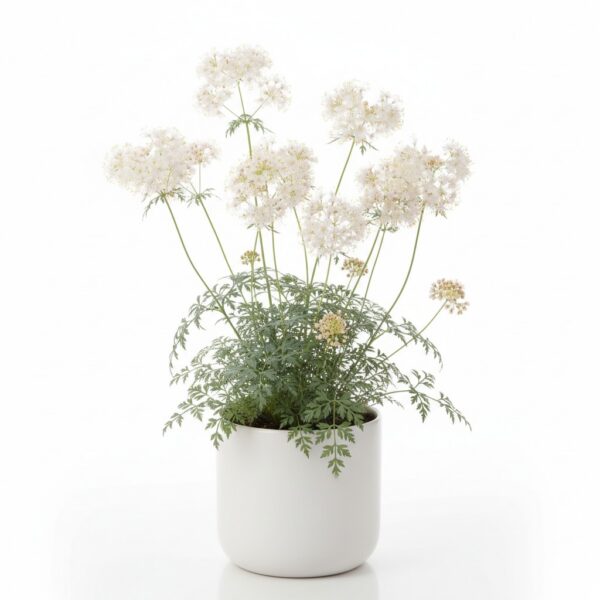
Meadow Rue
Thalictrum spp.
Meadow Rue (Thalictrum spp.) is a genus of herbaceous perennial plants known for their delicate, fern-like foliage and airy clusters of small flowers. They typically grow to heights ranging from 1 to 6 feet, depending on the species. Meadow Rue is primarily an outdoor plant, thriving in woodland gardens, borders, and naturalized areas. People grow it for its graceful appearance, attractive foliage, and the ability to add texture and movement to garden landscapes. It is not generally considered suitable for indoor cultivation due to its need for specific light and temperature conditions.
Quick Plant Comparison
| Feature | Leucothoe | Meadow Rue |
|---|---|---|
| Light | Partial to full shade. Avoid direct sunlight, especially during the hottest part of the day. | Partial shade to full sun, depending on the species. Some species prefer morning sun and afternoon shade. |
| Watering | Every 7-10 days, depending on environmental conditions and soil drainage. | 2-3 times per week outdoors, depending on weather and soil drainage. |
| Humidity | 30-60% | 40-60% |
| Temperature | 10-21°C | 15-25°C |
| Care Level | Expert | Expert |
| Growth Rate | Moderate | Moderate |
| Max Height | N/A (Primarily an outdoor plant; indoor height unpredictable and likely stunted) | N/A (Outdoor plant) |
| Pet Safety | ❌ Toxic To Pets | ❌ Toxic To Pets |
| Soil | Well-draining, acidic soil rich in organic matter. A mix of peat moss, compost, and perlite is suitable. | Well-drained, humus-rich soil. |
| Beginner Friendly | ❌ No | ❌ No |
| Weekly Maintenance | 30 minutes weekly (primarily for outdoor care) | 15 minutes weekly |
🔬 Botanical Information — Comparing These Plants
Leucothoe
| Scientific Name | Leucothoe fontanesiana |
|---|---|
| Family | Ericaceae |
| Native To | Southeastern United States |
| Also Known As | Drooping Leucothoe, Dog Hobble, Fetterbush |
| Leaves | The leaves are lance-shaped, leathery, and glossy, typically 2-6 inches long. They emerge green but often develop bronze or reddish hues, especially in colder months. The color intensity varies depending on the cultivar and environmental conditions. |
| Flowers | It produces small, white, bell-shaped flowers in spring, typically in April or May. The flowers are not particularly showy but add a delicate touch to the plant. |
Meadow Rue
| Scientific Name | Thalictrum spp. |
|---|---|
| Family | Ranunculaceae |
| Native To | Various species native to North America, Europe, and Asia |
| Also Known As | Meadow Rue, Quicksilver Weed |
| Leaves | The leaves of Meadow Rue are compound and fern-like, with small, delicate leaflets. The color ranges from green to bluish-green, depending on the species. The texture is soft and delicate, creating a graceful appearance. |
| Flowers | Meadow Rue produces clusters of small, fluffy flowers in shades of white, yellow, pink, or purple, depending on the species. Flowering typically occurs in late spring to summer. It does not flower indoors. |
📏 Size & Growth — Plant Comparison
Leucothoe
Meadow Rue
🌱 Propagation — Comparing Plant Growth
Leucothoe
Methods: Stem cuttings, layering, division
Difficulty: Moderate
Tips: Take semi-hardwood cuttings in late spring or early summer. Use rooting hormone and provide high humidity. Layering can be done in spring by bending a low-growing branch to the ground and covering it with soil.
Meadow Rue
Methods: Seed, Division, Rhizome cuttings
Difficulty: Moderate
Tips: Divide rhizomes in spring or fall. Sow seeds in fall for stratification. Rhizome cuttings should be taken in early spring.
✨ Benefits & Features — Comparing Plant Value
Leucothoe
Its cascading habit and foliage that changes color with the seasons make it a unique and attractive shrub. The bronze and reddish hues of the leaves in winter provide visual interest when many other plants are dormant.
- ✓ Provides year-round visual interest with its evergreen foliage
- ✓ Attracts pollinators with its spring flowers
- ✓ Adds texture and depth to shaded gardens
- ✓ Can help prevent soil erosion on slopes
- ✓ Creates a naturalistic and calming environment
- ⚠️ Toxic to pets
Meadow Rue
Meadow Rue stands out with its delicate, fern-like foliage and airy clusters of small flowers. Its graceful appearance adds a touch of elegance to woodland gardens and shady borders. The plant's ability to attract pollinators further enhances its appeal.
- ✓ Attracts pollinators
- ✓ Adds texture and movement to the garden
- ✓ Provides visual interest with its delicate foliage
- ✓ Can be used in cut flower arrangements
- ✓ Supports biodiversity in the garden
- ⚠️ Toxic to pets
📅 Maintenance Schedule — Plant Care Comparison
Leucothoe
Meadow Rue
🌞 Light Requirements
Leucothoe
Partial to full shade. Avoid direct sunlight, especially during the hottest part of the day.
Low light tolerant: ❌ No
Meadow Rue
Partial shade to full sun, depending on the species. Some species prefer morning sun and afternoon shade.
Low light tolerant: ❌ No
💧 Watering Needs
Leucothoe
Water thoroughly when the top inch of soil feels dry. Avoid overwatering, which can lead to root rot. Ensure good drainage. Signs of underwatering include wilting and leaf drop. Signs of overwatering include yellowing leaves and soggy soil.
Meadow Rue
Water regularly, especially during dry periods. Keep the soil consistently moist but not waterlogged. Overwatering can lead to root rot, while underwatering can cause the foliage to wilt and turn brown. Check soil moisture regularly.
🌡️ Temperature & Humidity
Leucothoe
Temperature: 10-21°C
Humidity: 30-60%
Meadow Rue
Temperature: 15-25°C
Humidity: 40-60%
🤔 Which Plant Is Right For You?
Leucothoe
Leucothoe fontanesianaGardeners with shaded woodland areas looking for evergreen foliage and interesting texture.
✅ Choose This Plant If...
- You want an evergreen shrub for shaded areas.
- You appreciate foliage that changes color with the seasons.
- You have acidic soil in your garden.
- You are looking for a plant with a cascading habit.
- You want to attract pollinators with its spring flowers.
❌ Skip This Plant If...
- You have pets that might ingest the plant.
- You live in a hot, dry climate.
- You want a low-maintenance indoor plant.
Meadow Rue
Thalictrum spp.Gardeners looking to add delicate foliage and airy flowers to their woodland or shade gardens.
✅ Choose This Plant If...
- You want a plant with delicate, fern-like foliage.
- You need a plant for a shady area in your garden.
- You want to attract pollinators to your garden.
- You appreciate plants with a natural, woodland aesthetic.
- You are an experienced gardener looking for a unique perennial.
❌ Skip This Plant If...
- You have pets that might ingest the plant.
- You are looking for an easy-to-grow indoor plant.
- You have limited space in your garden.
🎯 Quick Verdict
⚡ Key Differences Between These Plants
Both plants have similar basic care requirements but differ in appearance and specific needs. Compare plants carefully to find the best fit for your space.
💡 Pro Tips For Comparing These Plants
Leucothoe Care Tips
Leucothoe fontanesiana is best suited for outdoor gardens. Indoor cultivation is extremely challenging due to its need for cool temperatures, high humidity, and acidic soil. It's toxic to pets, requiring careful placement in outdoor settings.
- Ensure acidic soil by amending with peat moss or sulfur.
- Provide consistent moisture, especially during dry periods.
- Protect from harsh winter winds and heavy snow.
- Prune lightly after flowering to maintain shape.
- Monitor for pests and diseases regularly.
Meadow Rue Care Tips
Meadow Rue is primarily an outdoor plant and is challenging to grow indoors. It requires specific light, temperature, and humidity conditions that are difficult to replicate indoors. It needs well-drained soil and regular watering. It is toxic to pets.
- Provide well-drained soil to prevent root rot.
- Water regularly, especially during dry periods.
- Apply a layer of mulch to help retain moisture.
- Divide plants every few years to maintain vigor.
- Protect from strong winds.
⚠️ Common Problems & Solutions — Plant Care Comparison
Leucothoe
Meadow Rue
❓ Frequently Asked Questions — Comparing These Plants
Leucothoe
What are the light requirements for Leucothoe?
Leucothoe prefers partial to full shade. While it can tolerate some morning sun, it should be shielded from intense afternoon sunlight, which can scorch its leaves. Indoors, place Leucothoe near a north- or east-facing window where it will receive bright, indirect light. Avoid placing it in direct sunlight, especially during the hottest part of the day.
How do I care for Leucothoe?
Leucothoe thrives in acidic, well-draining soil. Water thoroughly when the top inch of soil feels dry, ensuring good drainage to prevent root rot. Fertilize in early spring with an acid-loving fertilizer to promote healthy growth and abundant blooms. Prune after flowering to maintain shape and remove any dead or damaged branches.
How do I propagate Leucothoe?
Leucothoe can be propagated through stem cuttings, division, and layering. For stem cuttings, take 4-6 inch cuttings from new growth in spring. Remove the lower leaves and dip the cut end in rooting hormone. Plant the cutting in a well-draining potting mix and keep it moist. Roots should develop in 4-6 weeks.
Meadow Rue
What are the light requirements for Meadow Rue?
Meadow Rue flourishes in partial to full shade, making it an ideal choice for areas with filtered sunlight or dappled shade. Avoid exposing it to direct sunlight, especially during the hottest parts of the day, as this can scorch the delicate foliage. An east-facing window or a location that receives morning sun and afternoon shade is generally perfect for indoor cultivation. If the leaves start to turn yellow or brown, it may be a sign that the plant is receiving too much light. Conversely, if the plant becomes leggy and produces few flowers, it may need more light. Rotate the plant regularly to ensure even light exposure.
How do I care for Meadow Rue?
Meadow Rue thrives in partial shade to full shade, requiring protection from intense sunlight. Water regularly, keeping the soil consistently moist but not waterlogged, especially during warmer months. Ensure well-draining soil rich in organic matter. Fertilize lightly in spring with a balanced, slow-release fertilizer to promote healthy growth and abundant blooms. Deadhead spent flowers to encourage further blooming. Prune back foliage in late fall or early spring to maintain shape and remove any dead or damaged growth. Provide adequate humidity, especially indoors, using a humidifier or placing the plant on a pebble tray filled with water. Monitor for pests like aphids and spider mites, and treat promptly if detected. Repot every 2-3 years as needed.
How do I propagate Meadow Rue?
Meadow Rue can be propagated through division, stem cuttings, or seeds.
Last updated: May 9, 2026 — Plant care data reviewed and verified by our editorial team.