
Lace Fern vs Manzanita Plant Comparison
Compare these two plants side by side — care needs, key differences, and which is right for your home.

Lace Fern
Nephrolepis exaltata 'Bostoniensis'
The Lace Fern, a cultivar of the Boston Fern, is prized for its delicate, finely divided fronds that create a lacy appearance. It's an evergreen perennial fern, typically grown indoors as a houseplant, although it thrives outdoors in warm, humid climates. Its arching fronds bring a lush, tropical feel to any space. People grow it for its air-purifying qualities and its ability to add texture and visual interest to indoor environments. It is not naturally an indoor plant, but adapts well with proper care.
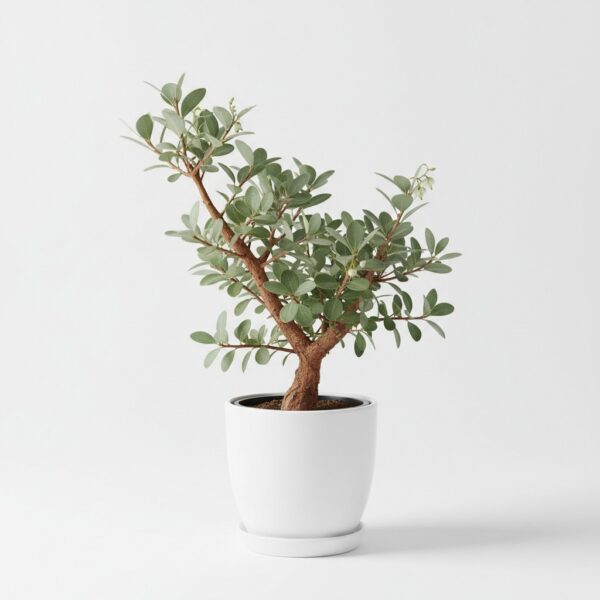
Manzanita
Arctostaphylos spp.
Manzanitas are evergreen shrubs or small trees characterized by smooth, reddish bark, crooked branches, and stiff, leathery leaves. They are native to western North America, particularly California. Manzanitas are highly adapted to dry, Mediterranean climates and are known for their drought tolerance. They are grown for their attractive bark, interesting branching patterns, and delicate pink or white flowers that bloom in late winter or early spring. They are primarily outdoor plants and can be challenging to grow indoors due to their specific light and soil requirements.
Quick Plant Comparison
| Feature | Lace Fern | Manzanita |
|---|---|---|
| Light | Bright, indirect light. Avoid direct sunlight, which can scorch the fronds. | Full sun to partial shade. Requires at least 6 hours of direct sunlight daily. |
| Watering | Every 5-7 days, depending on environmental conditions | Every 2-4 weeks, depending on weather and soil drainage. |
| Humidity | 50-70% | 20-40% |
| Temperature | 18-24°C | 10-25°C |
| Care Level | Moderate | Expert |
| Growth Rate | Moderate | Slow To Moderate |
| Max Height | 30-90 cm | Rarely grown indoors, but if attempted, may reach 1-2 meters. |
| Pet Safety | ✅ Safe | ❌ Toxic To Pets |
| Soil | Well-draining, peat-based potting mix | Well-draining, acidic soil. A mix of sand, gravel, and peat moss is ideal. |
| Beginner Friendly | With Caution | ❌ No |
| Weekly Maintenance | 15 minutes weekly | 15 minutes weekly outdoors (weeding, watering check) |
🔬 Botanical Information — Comparing These Plants
Lace Fern
| Scientific Name | Nephrolepis exaltata 'Bostoniensis' |
|---|---|
| Family | Nephrolepidaceae |
| Native To | Tropical regions worldwide, specifically a mutation of Nephrolepis exaltata found in Boston, Massachusetts. |
| Also Known As | Boston Fern, Sword Fern, Lace Fern |
| Leaves | The leaves, or fronds, of the Lace Fern are finely divided and delicate, creating a lacy appearance. They are typically bright green and have a soft, feathery texture. Each frond is composed of numerous small leaflets (pinnae) that are deeply lobed and intricately cut. |
| Flowers | Lace Ferns do not flower indoors. Ferns reproduce via spores, not flowers. |
Manzanita
| Scientific Name | Arctostaphylos spp. |
|---|---|
| Family | Ericaceae |
| Native To | Western North America |
| Also Known As | Manzanita, Bearberry |
| Leaves | The leaves of Manzanita are evergreen, leathery, and oval or lance-shaped. They are typically a glossy green color and have a smooth texture. The leaves are arranged alternately along the branches. |
| Flowers | Manzanita produces clusters of small, bell-shaped flowers in late winter or early spring. The flowers are typically pink or white and are attractive to pollinators. |
📏 Size & Growth — Plant Comparison
Lace Fern
Manzanita
🌱 Propagation — Comparing Plant Growth
Lace Fern
Methods: Division, Spores
Difficulty: Moderate
Tips: Division is best done in spring. Carefully separate the rhizomes and plant them in individual pots. Spore propagation is more challenging and requires a sterile environment.
Manzanita
Methods: Seed, Cuttings
Difficulty: Difficult
Tips: Seed propagation requires scarification and stratification. Cuttings should be taken in late summer and rooted in a well-draining medium with rooting hormone.
✨ Benefits & Features — Comparing Plant Value
Lace Fern
The Lace Fern is a cultivar of the Boston Fern, known for its finely divided, lacy fronds. This gives it a more delicate and textured appearance compared to the standard Boston Fern. Its graceful, arching habit makes it a popular choice for hanging baskets and shelves.
- ✓ Improved air quality
- ✓ Adds a lush, tropical aesthetic to your home
- ✓ Non-toxic to pets
- ✓ Can help increase humidity in dry environments
- ✓ Provides a calming and relaxing atmosphere
- 🌬️ NASA-verified air purifier
- 🐾 Pet Safe
Manzanita
Manzanita is known for its smooth, reddish bark that peels in thin layers, revealing a new layer of bark underneath. Its crooked branches and evergreen foliage provide year-round interest in the landscape.
- ✓ Drought tolerance reduces water consumption.
- ✓ Provides habitat for native wildlife.
- ✓ Adds visual interest to the landscape with its unique bark and branching.
- ✓ Offers winter blooms, providing color during the dormant season.
- ✓ Requires minimal maintenance once established.
- ⚠️ Toxic to pets
📅 Maintenance Schedule — Plant Care Comparison
Lace Fern
Manzanita
🌞 Light Requirements
Lace Fern
Bright, indirect light. Avoid direct sunlight, which can scorch the fronds.
Low light tolerant: ✅ Yes
Manzanita
Full sun to partial shade. Requires at least 6 hours of direct sunlight daily.
Low light tolerant: ❌ No
💧 Watering Needs
Lace Fern
Water thoroughly when the top inch of soil feels dry to the touch. Ensure proper drainage to prevent root rot. Overwatering can lead to yellowing fronds and root rot. Underwatering results in crispy, brown fronds.
Manzanita
Water deeply but infrequently, allowing the soil to dry out completely between waterings. Overwatering can lead to root rot. Signs of underwatering include wilting and leaf drop. Signs of overwatering include yellowing leaves and soggy soil.
🌡️ Temperature & Humidity
Lace Fern
Temperature: 18-24°C
Humidity: 50-70%
Manzanita
Temperature: 10-25°C
Humidity: 20-40%
🤔 Which Plant Is Right For You?
Lace Fern
Nephrolepis exaltata 'Bostoniensis'Those who enjoy a lush, tropical look and are willing to provide the necessary humidity and care.
✅ Choose This Plant If...
- You want a plant that helps purify the air.
- You love the look of delicate, lacy foliage.
- You are prepared to provide high humidity.
- You want a non-toxic plant for your pets.
- You have a bright, indirectly lit space.
❌ Skip This Plant If...
- You struggle to maintain consistent watering schedules.
- You live in a very dry climate and are unwilling to use a humidifier.
- You prefer low-maintenance plants that require minimal attention.
Manzanita
Arctostaphylos spp.Experienced gardeners in Mediterranean climates looking for a drought-tolerant, visually interesting shrub for their landscape.
✅ Choose This Plant If...
- You live in a Mediterranean climate with dry summers and mild winters.
- You want a drought-tolerant plant that requires minimal watering.
- You appreciate unique bark textures and branching patterns.
- You want a plant that provides winter interest with its blooms.
- You are an experienced gardener who enjoys a challenge.
❌ Skip This Plant If...
- You live in a climate with cold winters and high humidity.
- You are a beginner gardener.
- You want a low-maintenance indoor plant.
🎯 Quick Verdict
⚡ Key Differences Between These Plants
Lace Fern is rated Moderate care level, while Manzanita is Expert.
Lace Fern has moderate growth, while Manzanita grows slow to moderate.
💡 Pro Tips For Comparing These Plants
Lace Fern Care Tips
Lace Ferns require consistent moisture, high humidity, and bright, indirect light. Maintaining adequate humidity is crucial for preventing brown, crispy fronds. They are not particularly difficult, but require more attention than some other houseplants.
- Mist the fronds regularly to increase humidity.
- Use a humidifier if the air is dry.
- Water thoroughly when the top inch of soil feels dry.
- Avoid placing the plant in direct sunlight.
- Fertilize regularly during the growing season.
Manzanita Care Tips
Manzanita is primarily an outdoor plant and is very difficult to grow indoors. It requires full sun, well-draining acidic soil, and infrequent watering. Indoor cultivation is challenging due to the plant's specific environmental needs and susceptibility to root rot.
- Ensure excellent drainage to prevent root rot.
- Avoid over-fertilizing, as Manzanitas prefer lean soil.
- Prune lightly after flowering to maintain shape and remove deadwood.
- Protect from frost in colder climates.
- Choose a location with full sun for optimal growth and flowering.
⚠️ Common Problems & Solutions — Plant Care Comparison
Lace Fern
Manzanita
❓ Frequently Asked Questions — Comparing These Plants
Lace Fern
What are the light requirements for Lace Fern?
Lace Ferns require bright, indirect light to thrive. Direct sunlight can burn their delicate fronds, causing them to turn brown and crispy. An east-facing window is often ideal, providing gentle morning sun. A north-facing window can also work, but be sure the fern receives sufficient ambient light. If your Lace Fern is placed in a location with less natural light, consider supplementing with a grow light. Avoid placing the fern near south- or west-facing windows without a sheer curtain to filter the harsh sunlight. Rotate the plant regularly to ensure even light exposure and prevent it from leaning towards the light source. Observe the fronds for signs of insufficient light, such as pale green color or leggy growth.
How do I care for Lace Fern?
Lace Ferns thrive in bright, indirect light. Avoid direct sunlight, which can scorch their delicate fronds. Water regularly, keeping the soil consistently moist but not waterlogged. Use well-draining potting mix to prevent root rot. Maintain high humidity levels by misting regularly, using a humidifier, or placing the fern on a pebble tray filled with water. Fertilize monthly during the growing season (spring and summer) with a diluted liquid fertilizer formulated for ferns. Repot annually in the spring to refresh the soil and provide room for growth. Prune away any dead or yellowing fronds to encourage new growth and maintain a tidy appearance. Protect from drafts and sudden temperature changes. Monitor for pests such as spider mites and scale, and treat promptly if detected.
How do I propagate Lace Fern?
Lace Ferns can be propagated by division or spores. For division, carefully separate the rhizomes during repotting, ensuring each division has healthy roots and fronds. Plant each division in its own pot with well-draining potting mix. For spore propagation, collect spores from mature fronds and sow them on a sterile potting mix. Cover with a plastic dome to maintain high humidity. Keep the mix consistently moist and provide bright, indirect light. Spores can take several weeks to germinate, and it will be several months before you have a plant large enough to pot up. Division is the much easier and faster method.
Manzanita
What are the light requirements for Manzanita?
Manzanita thrives in bright, indirect light. Insufficient light can lead to leggy growth and reduced flowering (if applicable). Aim for at least six hours of bright, indirect light per day. A south- or west-facing window is ideal, but be sure to protect the plant from intense, direct sunlight, especially during the hottest part of the day, as this can scorch the leaves.
How do I care for Manzanita?
Caring for Manzanita indoors requires attention to specific needs. Provide bright, indirect light, ideally near a south- or west-facing window. Use a well-draining potting mix formulated for cacti or succulents to prevent root rot. Water thoroughly when the top inch of soil is dry, then allow excess water to drain away. Avoid overwatering, as Manzanita is drought-tolerant.
How do I propagate Manzanita?
Manzanita can be propagated through stem cuttings and air layering, although success rates can be variable.
Last updated: May 1, 2026 — Plant care data reviewed and verified by our editorial team.