
Kerria Japonica vs Oriental Lily Plant Comparison
Compare these two plants side by side — care needs, key differences, and which is right for your home.
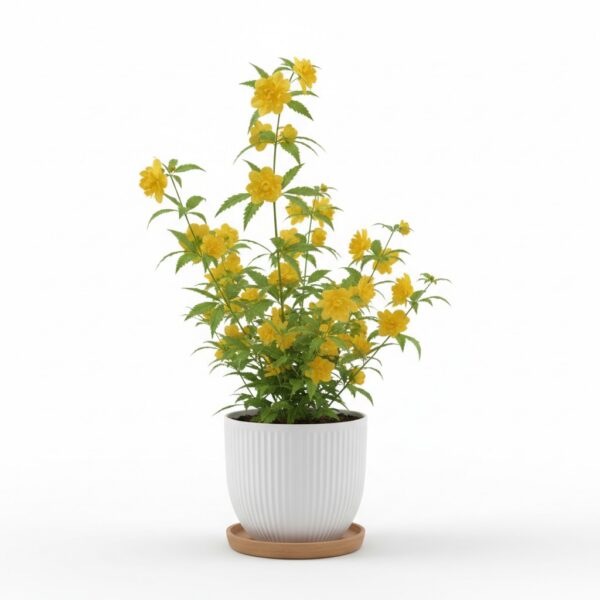
Kerria Japonica
Kerria japonica
Kerria japonica is a deciduous shrub known for its bright yellow, pom-pom-like flowers that bloom in spring. It typically grows to a height of 1-3 meters. The plant features slender, arching green stems that turn yellowish-green in winter. It is primarily an outdoor plant, valued for its early spring blooms and ability to brighten up gardens. While occasionally brought indoors as a cut flower arrangement, it is not suited for long-term indoor cultivation due to its need for dormancy and full sun.

Oriental Lily
Lilium orientalis
Oriental Lilies are known for their large, fragrant, and often brightly colored flowers. They are bulbous perennials that typically grow outdoors in gardens, reaching heights of 2 to 6 feet. The flowers are usually outward-facing or slightly upward-facing and come in shades of pink, white, red, and yellow, often with spots or stripes. While they can be forced to bloom indoors, they are primarily outdoor plants and require specific conditions to thrive indoors long-term. People grow them for their stunning blooms and intense fragrance.
Quick Plant Comparison
| Feature | Kerria Japonica | Oriental Lily |
|---|---|---|
| Light | Full sun to partial shade. Requires at least 6 hours of direct sunlight daily for optimal flowering. | Full sun to partial shade outdoors. Indoors, requires very bright, direct light, ideally from a south-facing window. |
| Watering | Every 7-10 days during the growing season, less frequently in winter. | Every 5-7 days outdoors during the growing season, less frequently indoors depending on light and temperature. |
| Humidity | 30-50% | 40-60% |
| Temperature | 10-24°C | 15-24°C |
| Care Level | Expert | Expert |
| Growth Rate | Moderate To Fast | Moderate |
| Max Height | N/A (Outdoor shrub, not suitable for indoor growing) | 0.6-1.8 meters (2-6 feet) outdoors, potentially shorter indoors (0.3-0.9 meters/1-3 feet) |
| Pet Safety | ❌ Toxic To Pets | ❌ Toxic To Pets |
| Soil | Well-draining soil, such as a mix of loam, sand, and compost. | Well-draining, slightly acidic soil. A mix of potting soil, peat moss, and perlite is suitable. |
| Beginner Friendly | ❌ No | ❌ No |
| Weekly Maintenance | 30 minutes monthly (pruning, weeding, fertilizing) | 15 minutes weekly during the growing season. |
🔬 Botanical Information — Comparing These Plants
Kerria Japonica
| Scientific Name | Kerria japonica |
|---|---|
| Family | Rosaceae |
| Native To | China, Japan, Korea |
| Also Known As | Japanese Kerria, Bachelor's Buttons, Japanese Rose |
| Leaves | The leaves are alternate, simple, and lance-shaped, with serrated edges. They are typically 3-7 cm long and bright green in color. |
| Flowers | Kerria japonica rarely flowers indoors and is not suited for indoor cultivation. Outdoors, it produces bright yellow, pom-pom-like flowers in early spring. The flowers are typically 2-4 cm in diameter. |
Oriental Lily
| Scientific Name | Lilium orientalis |
|---|---|
| Family | Liliaceae |
| Native To | Japan |
| Also Known As | Oriental Lily, Stargazer Lily, Casablanca Lily |
| Leaves | The leaves are lance-shaped, medium green, and arranged alternately along the stem. They are typically smooth and have a slightly waxy texture. |
| Flowers | Oriental Lilies can flower indoors if provided with sufficient light and a cool dormancy period. The flowers are large, often 6-8 inches in diameter, and come in various colors, including pink, white, red, and yellow. They are known for their strong, sweet fragrance. |
📏 Size & Growth — Plant Comparison
Kerria Japonica
Oriental Lily
🌱 Propagation — Comparing Plant Growth
Kerria Japonica
Methods: Stem cuttings, Division, Seed
Difficulty: Easy
Tips: Take stem cuttings in late spring or early summer. Root in moist soil or water. Division can be done in early spring or fall. Seeds can be sown in fall.
Oriental Lily
Methods: Bulb offsets, scaling, seed
Difficulty: Moderate
Tips: Separate bulb offsets from the main bulb and plant them in well-draining soil. Scaling involves removing scales from the bulb and planting them in a moist medium. Seed propagation is possible but slow.
✨ Benefits & Features — Comparing Plant Value
Kerria Japonica
Kerria japonica is unique for its bright yellow, pom-pom-like flowers that bloom in early spring, providing a burst of color after winter. Its green stems also offer visual interest during the dormant season. The double-flowered cultivars are particularly showy.
- ✓ Provides early spring color
- ✓ Attracts pollinators
- ✓ Low maintenance once established
- ✓ Adds winter interest with green stems
- ✓ Can be used for erosion control
- ⚠️ Toxic to pets
Oriental Lily
Oriental Lilies are distinguished by their large, fragrant, and often spotted flowers. Their upward-facing blooms and intense fragrance set them apart from other lily varieties.
- ✓ Adds vibrant color to the garden
- ✓ Provides a strong, pleasant fragrance
- ✓ Attracts pollinators like bees and butterflies
- ✓ Can be used as cut flowers for indoor arrangements
- ✓ Offers a sense of accomplishment for experienced gardeners
- ⚠️ Toxic to pets
📅 Maintenance Schedule — Plant Care Comparison
Kerria Japonica
Oriental Lily
🌞 Light Requirements
Kerria Japonica
Full sun to partial shade. Requires at least 6 hours of direct sunlight daily for optimal flowering.
Low light tolerant: ❌ No
Oriental Lily
Full sun to partial shade outdoors. Indoors, requires very bright, direct light, ideally from a south-facing window.
Low light tolerant: ❌ No
💧 Watering Needs
Kerria Japonica
Water deeply when the top inch of soil feels dry. Avoid overwatering, which can lead to root rot. During the growing season, water more frequently. Reduce watering in the winter during dormancy. Signs of underwatering include wilting leaves; overwatering includes yellowing leaves and soggy soil.
Oriental Lily
Water thoroughly when the top inch of soil feels dry. Avoid overwatering, which can lead to bulb rot. Ensure good drainage. Signs of overwatering include yellowing leaves and a mushy bulb. Underwatering is indicated by wilting leaves and dry soil.
🌡️ Temperature & Humidity
Kerria Japonica
Temperature: 10-24°C
Humidity: 30-50%
Oriental Lily
Temperature: 15-24°C
Humidity: 40-60%
🤔 Which Plant Is Right For You?
Kerria Japonica
Kerria japonicaGardeners looking for a low-maintenance, early-blooming shrub to add color to their landscape.
✅ Choose This Plant If...
- You want a shrub that blooms early in the spring.
- You need a plant that tolerates partial shade.
- You want a low-maintenance shrub for your garden.
- You appreciate bright yellow flowers.
- You want a plant that provides winter interest with its green stems.
❌ Skip This Plant If...
- You are looking for an indoor plant.
- You have pets that might ingest the plant.
- You don't have a garden or outdoor space.
Oriental Lily
Lilium orientalisExperienced gardeners who want to add fragrant and visually striking flowers to their outdoor garden.
✅ Choose This Plant If...
- You want a highly fragrant flower in your garden.
- You appreciate bold and vibrant colors in your landscape.
- You have a sunny garden space where lilies can thrive.
- You are an experienced gardener looking for a rewarding challenge.
- You enjoy cut flowers and want to grow your own.
❌ Skip This Plant If...
- You have pets that might ingest the plant.
- You lack a sunny location for outdoor planting or very bright indoor light.
- You are a beginner gardener.
- You are sensitive to strong fragrances.
🎯 Quick Verdict
⚡ Key Differences Between These Plants
Kerria Japonica has moderate to fast growth, while Oriental Lily grows moderate.
💡 Pro Tips For Comparing These Plants
Kerria Japonica Care Tips
Kerria japonica is an outdoor shrub that requires full sun and well-draining soil. It is not suitable for indoor growing due to its need for dormancy and specific light requirements. Maintaining proper outdoor conditions is crucial for healthy growth and flowering. Indoor attempts will likely fail.
- Prune immediately after flowering to encourage new growth.
- Provide well-draining soil to prevent root rot.
- Fertilize in early spring with a balanced fertilizer.
- Water deeply during dry periods.
- Mulch around the base to retain moisture and suppress weeds.
Oriental Lily Care Tips
Oriental Lilies are primarily outdoor plants that require full sun and well-drained soil. Indoor cultivation is challenging due to high light requirements and the need for a cool dormancy period. They are also toxic to pets, requiring careful placement.
- Ensure well-draining soil to prevent bulb rot.
- Provide support for tall stems to prevent them from bending or breaking.
- Protect from lily leaf beetles by handpicking or using insecticide.
- Provide a cool dormancy period in winter for optimal flowering the following season.
- Deadhead spent flowers to encourage more blooms.
⚠️ Common Problems & Solutions — Plant Care Comparison
Kerria Japonica
Oriental Lily
❓ Frequently Asked Questions — Comparing These Plants
Kerria Japonica
What are the light requirements for Kerria Japonica?
Kerria Japonica prefers partial shade, especially in hotter climates. While it can tolerate full sun, too much intense sunlight can scorch the leaves and fade the flower color. Aim for at least 4 hours of direct sunlight per day, ideally in the morning or late afternoon. In shadier locations, the plant may produce fewer flowers. A location with dappled sunlight throughout the day is ideal. When planting, consider the amount of sunlight the area receives throughout the day and choose a spot that provides adequate light without being overly exposed. Observe your plant and adjust its location if needed to ensure optimal growth and flowering.
How do I care for Kerria Japonica?
Kerria Japonica thrives in partial shade to full sun, requiring at least 4 hours of direct sunlight daily for optimal blooming. Water regularly, especially during dry periods, keeping the soil consistently moist but not waterlogged. Fertilize in early spring with a balanced fertilizer to promote healthy growth and abundant flowering. Prune after flowering to remove dead or crossing branches and maintain the desired shape. This shrub is relatively low-maintenance and adaptable to various soil types, but prefers well-drained soil. Protect from strong winds in exposed locations. Mulch around the base of the plant to retain moisture and suppress weeds. Monitor for pests and diseases, although Kerria Japonica is generally resistant. With proper care, Kerria Japonica will provide years of beauty and enjoyment in the garden.
How do I propagate Kerria Japonica?
Kerria Japonica can be propagated through several methods: division, stem cuttings, and layering. For stem cuttings, take softwood cuttings in late spring or early summer. Dip the cut end in rooting hormone and plant in well-draining soil. Keep the soil moist and provide humidity until roots develop. Division involves separating established clumps of the plant. Carefully dig up the plant and divide the root ball into sections, ensuring each section has healthy roots and shoots. Replant the divisions in prepared soil. Layering involves bending a low-growing branch to the ground and covering it with soil. Once roots develop, sever the branch from the parent plant and transplant it. These methods allow for easy replication of your favorite Kerria Japonica.
Oriental Lily
What are the light requirements for Oriental Lily?
Oriental Lilies require ample sunlight to thrive and produce abundant blooms. Aim for at least 6 hours of direct sunlight per day. Morning sun is generally preferable, as the intense afternoon sun can scorch the leaves, especially in hotter climates.
How do I care for Oriental Lily?
Oriental Lilies thrive with consistent care. Plant bulbs in well-draining, slightly acidic soil. Position in a location that receives at least 6 hours of direct sunlight daily, but provide some afternoon shade in hotter climates. Water deeply when the top inch of soil feels dry, ensuring proper drainage to prevent root rot.
How do I propagate Oriental Lily?
Oriental Lilies can be propagated by bulb division, stem cuttings, or from bulbils (keikis).
Last updated: May 13, 2026 — Plant care data reviewed and verified by our editorial team.