
Kangaroo Vine vs Pumpkin Plant Comparison
Compare these two plants side by side — care needs, key differences, and which is right for your home.

Kangaroo Vine
Cissus antarctica
Cissus antarctica, commonly known as Kangaroo Vine, is a vigorous evergreen climber native to the rainforests of eastern Australia. It features glossy, oval-shaped leaves with serrated edges and tendrils that allow it to climb. While primarily an outdoor plant, it can be grown indoors with proper care. People grow it for its attractive foliage and ability to add a touch of the tropics to their homes. It's often used in hanging baskets or trained to climb trellises.
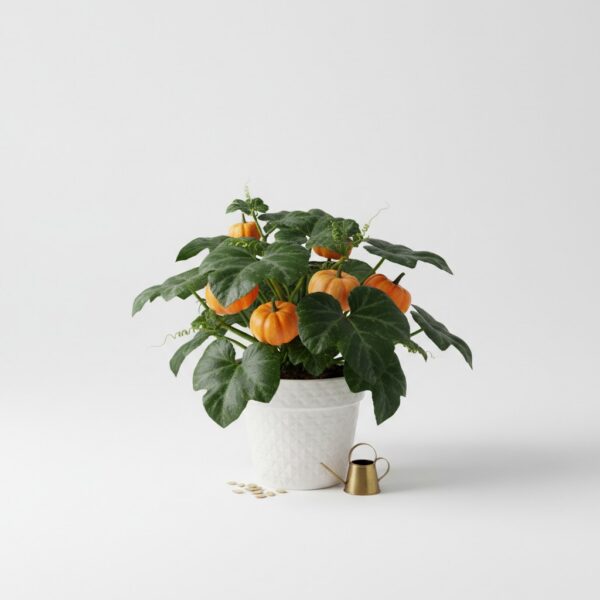
Pumpkin
Cucurbita pepo
Pumpkins are vining annual plants known for their large, round, orange fruit. They are a warm-season crop, requiring ample sunlight and well-drained soil. The plant features large, lobed leaves and produces yellow or orange flowers. While botanically a fruit, pumpkins are often used as vegetables in culinary applications. They are widely cultivated for their edible flesh and seeds, and are a popular symbol of autumn and Halloween. Pumpkins are not naturally suited for indoor growth due to their size and high light requirements.
Quick Plant Comparison
| Feature | Kangaroo Vine | Pumpkin |
|---|---|---|
| Light | Bright indirect light, avoid direct sunlight which can scorch the leaves | Full sun (at least 6-8 hours of direct sunlight daily) |
| Watering | Every 1-2 weeks, depending on environmental conditions | 2-3 times per week, depending on weather and soil drainage |
| Humidity | 40-60% | 40-60% |
| Temperature | 18-24°C | 21-27°C |
| Care Level | Moderate | Expert |
| Growth Rate | Moderate | Fast |
| Max Height | 1-2 meters indoors | Not applicable indoors; outdoors, vines can reach 3-6 meters |
| Pet Safety | ❌ Toxic To Pets | ✅ Safe |
| Soil | Well-draining potting mix | Well-drained, fertile soil rich in organic matter |
| Beginner Friendly | With Caution | ❌ No |
| Weekly Maintenance | 10 minutes weekly | 30-60 minutes weekly during the growing season |
🔬 Botanical Information — Comparing These Plants
Kangaroo Vine
| Scientific Name | Cissus antarctica |
|---|---|
| Family | Vitaceae |
| Native To | Eastern Australia |
| Also Known As | Kangaroo Vine, Water Vine |
| Leaves | The leaves are oval-shaped, glossy, and dark green with serrated edges. They are typically 5-10 cm long. The texture is smooth and slightly leathery. |
| Flowers | Kangaroo Vine rarely flowers indoors. When it does flower outdoors, the flowers are small, inconspicuous, and greenish-white. |
Pumpkin
| Scientific Name | Cucurbita pepo |
|---|---|
| Family | Cucurbitaceae |
| Native To | North America |
| Also Known As | Pumpkin, Vegetable marrow, Courgette, Zucchini, Gourd |
| Leaves | Large, lobed leaves with a rough texture. The leaves are typically green in color and can be quite broad. |
| Flowers | Pumpkins produce large, yellow or orange flowers. These flowers are essential for pollination and fruit development. Flowering occurs outdoors during the summer months. |
📏 Size & Growth — Plant Comparison
Kangaroo Vine
Pumpkin
🌱 Propagation — Comparing Plant Growth
Kangaroo Vine
Methods: Stem cuttings
Difficulty: Easy
Tips: Take stem cuttings with at least one node. Place in water or directly into moist potting mix. Keep warm and humid until roots develop.
Pumpkin
Methods: Seed
Difficulty: Easy
Tips: Sow seeds directly into the ground after the last frost. Ensure the soil is warm and moist. Germination typically occurs within 7-10 days.
✨ Benefits & Features — Comparing Plant Value
Kangaroo Vine
Kangaroo Vine is known for its glossy, attractive foliage and its ability to climb. It is relatively easy to care for and can tolerate some neglect, making it a popular choice for indoor gardeners. Its tendrils allow it to readily climb.
- ✓ Adds a touch of the tropics to your home.
- ✓ Can improve indoor air quality by removing some toxins.
- ✓ Provides a visually appealing climbing element.
- ✓ Relatively easy to propagate.
- ✓ Can tolerate some neglect once established.
- ⚠️ Toxic to pets
Pumpkin
Pumpkins are unique for their large size and vibrant orange color. They are also a culturally significant symbol of autumn and Halloween.
- ✓ Provides edible fruit and seeds
- ✓ Offers a rewarding gardening experience
- ✓ Adds seasonal beauty to the garden
- ✓ Supports local ecosystems by attracting pollinators
- ✓ Can be used for educational purposes, especially for children
- 🐾 Pet Safe
📅 Maintenance Schedule — Plant Care Comparison
Kangaroo Vine
Pumpkin
🌞 Light Requirements
Kangaroo Vine
Bright indirect light, avoid direct sunlight which can scorch the leaves
Low light tolerant: ✅ Yes
Pumpkin
Full sun (at least 6-8 hours of direct sunlight daily)
Low light tolerant: ❌ No
💧 Watering Needs
Kangaroo Vine
Water thoroughly when the top inch of soil feels dry to the touch. Ensure good drainage to prevent root rot. Overwatering can lead to yellowing leaves and root rot, while underwatering can cause the leaves to droop and become crispy.
Pumpkin
Water deeply when the top inch of soil feels dry. Avoid overhead watering to prevent fungal diseases. Overwatering can lead to root rot, indicated by wilting leaves and a foul smell from the soil. Underwatering results in stunted growth and dry, brittle leaves.
🌡️ Temperature & Humidity
Kangaroo Vine
Temperature: 18-24°C
Humidity: 40-60%
Pumpkin
Temperature: 21-27°C
Humidity: 40-60%
🤔 Which Plant Is Right For You?
Kangaroo Vine
Cissus antarcticaSomeone looking for a climbing plant with attractive foliage that can tolerate some neglect.
✅ Choose This Plant If...
- You want a fast-growing vine to add greenery to your space.
- You are looking for a plant that can tolerate some neglect.
- You want a plant that can be trained to climb a trellis or other support.
- You appreciate glossy, attractive foliage.
- You have a bright, indirect light location available.
❌ Skip This Plant If...
- You have pets that may ingest the plant.
- You have limited space, as it can grow quite large.
- You struggle to provide adequate bright, indirect light.
Pumpkin
Cucurbita pepoGardeners with ample outdoor space and a sunny location.
✅ Choose This Plant If...
- You have a large outdoor garden with plenty of sunlight.
- You want to grow your own pumpkins for Halloween or cooking.
- You enjoy the challenge of growing a large and rewarding crop.
- You live in a climate with warm summers and a long growing season.
- You want to experience the satisfaction of harvesting your own food.
❌ Skip This Plant If...
- You have limited space, especially indoors.
- You do not have access to full sunlight.
- You live in a climate with short, cool summers.
- You are looking for a low-maintenance plant.
- You want an indoor plant.
🎯 Quick Verdict
⚡ Key Differences Between These Plants
Kangaroo Vine needs bright indirect light, avoid direct sunlight which can scorch the leaves, while Pumpkin prefers full sun (at least 6-8 hours of direct sunlight daily).
Kangaroo Vine is rated Moderate care level, while Pumpkin is Expert.
Kangaroo Vine has moderate growth, while Pumpkin grows fast.
💡 Pro Tips For Comparing These Plants
Kangaroo Vine Care Tips
Kangaroo Vine can be grown indoors, but requires bright indirect light and well-draining soil. It is toxic to pets. Regular watering and occasional fertilization will keep it healthy. Pruning is necessary to maintain its shape and size. Providing a support structure for climbing is beneficial.
- Provide a support structure for climbing, such as a trellis or moss pole.
- Water thoroughly but allow the soil to dry slightly between waterings.
- Fertilize regularly during the growing season.
- Prune regularly to maintain desired shape and size.
- Monitor for pests and treat promptly.
Pumpkin Care Tips
Pumpkins are not suitable for indoor growing due to their high light and space requirements. They require full sun, well-drained soil, and regular watering. Indoor cultivation is extremely challenging and unlikely to be successful.
- Prepare the soil well with plenty of compost or manure before planting.
- Water deeply and regularly, especially during dry spells.
- Protect young plants from pests and diseases.
- Provide support for the vines if needed.
- Harvest pumpkins when the stems are dry and the skin is hard.
⚠️ Common Problems & Solutions — Plant Care Comparison
Kangaroo Vine
Pumpkin
❓ Frequently Asked Questions — Comparing These Plants
Kangaroo Vine
What are the light requirements for Kangaroo Vine?
Kangaroo Vine thrives in bright, indirect light. Direct sunlight can scorch its leaves, so avoid placing it in a south-facing window without some form of shading. An east- or west-facing window is ideal, providing plenty of light without the harsh intensity. If you notice the leaves becoming pale or leggy, it may not be getting enough light. Move it to a brighter location or supplement with a grow light. Conversely, if the leaves appear burned or brown, it’s likely receiving too much direct sunlight. Rotate the plant regularly to ensure even growth on all sides. Kangaroo Vine can tolerate lower light conditions, but its growth will be slower, and the foliage may not be as lush.
How do I care for Kangaroo Vine?
Caring for Kangaroo Vine is relatively simple. Provide bright, indirect light for optimal growth, although it can tolerate lower light conditions. Water thoroughly when the top inch of soil feels dry, allowing excess water to drain away. Avoid overwatering, which can lead to root rot. Maintain moderate humidity levels; misting the leaves occasionally will be beneficial, especially in dry environments. Fertilize every 4-6 weeks during the growing season (spring and summer) with a balanced liquid fertilizer. Prune regularly to maintain its shape and encourage bushier growth. Provide a support structure like a trellis or moss pole if you want it to climb. Repot every 1-2 years into a slightly larger pot with well-draining potting mix. Keep temperatures between 60-80°F (15-27°C). Protect it from drafts and sudden temperature changes.
How do I propagate Kangaroo Vine?
Kangaroo Vine is easily propagated through stem cuttings or layering. For stem cuttings, take a 4-6 inch cutting from a healthy stem, ensuring it has at least two nodes. Remove the lower leaves and place the cutting in water or directly into moist potting mix. Keep the soil consistently moist and provide bright, indirect light. Roots should develop within a few weeks. For layering, bend a stem down to the soil and cover a node with soil. Keep the soil moist. Once roots develop, sever the new plant from the parent vine. Both methods are effective and allow you to easily expand your Kangaroo Vine collection. Provide climbing support once new growth begins.
Pumpkin
What are the light requirements for Pumpkin?
Pumpkins demand abundant sunlight to fuel their rapid growth and fruit development. They require a minimum of 6-8 hours of direct sunlight daily to thrive. Insufficient light can result in weak, leggy growth, reduced flowering, and smaller, less flavorful pumpkins. Choose a planting location that receives full sun throughout the day. If growing in a partially shaded area, consider using reflective materials to maximize light exposure. Rotating the plants periodically can also help ensure even light distribution. For indoor starts, utilize grow lights to supplement natural sunlight, positioning the lights close to the seedlings.
How do I care for Pumpkin?
Pumpkins thrive in warm weather and require full sunlight, ideally at least 6-8 hours per day. Plant seeds directly into well-draining soil enriched with compost or aged manure. Water deeply and consistently, especially during dry periods, ensuring the soil remains moist but not waterlogged. Fertilize regularly with a balanced fertilizer, switching to a fertilizer higher in phosphorus as the plants begin to flower to encourage fruit production. Provide ample space for the vines to spread, or train them to grow vertically on a trellis. Monitor for pests and diseases, addressing any issues promptly. Harvest pumpkins when the rinds are hard and the stems begin to dry. Proper spacing and air circulation are crucial to prevent fungal diseases.
How do I propagate Pumpkin?
Pumpkins are typically grown from seeds, but propagation through cuttings is possible, though less common.
Last updated: April 30, 2026 — Plant care data reviewed and verified by our editorial team.