
Kale vs Nasturtium Tropaeolum Plant Comparison
Compare these two plants side by side — care needs, key differences, and which is right for your home.

Kale
Brassica oleracea var. sabellica
Kale is a leafy green vegetable belonging to the cabbage family. It's characterized by its curly or frilly leaves, which can range in color from dark green to purple. Kale is primarily grown outdoors as a cool-season crop, thriving in gardens and farms. People grow kale for its nutritional value, as it's packed with vitamins and minerals. It's a versatile vegetable used in salads, smoothies, soups, and as a cooked side dish. While technically possible to grow indoors, it requires very bright light and cool temperatures to thrive, making it challenging for most home environments.
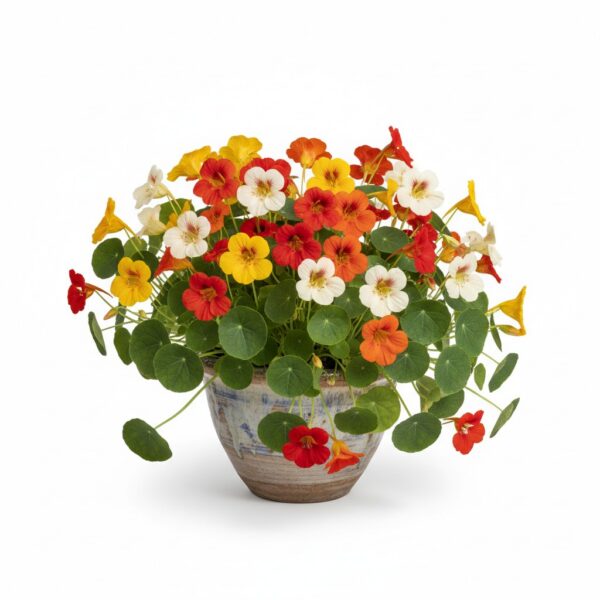
Nasturtium Tropaeolum
Tropaeolum majus
Tropaeolum majus, commonly known as nasturtium, is an annual flowering plant known for its vibrant, edible flowers and peppery-flavored leaves. It is a sprawling plant that can grow as a ground cover or climb with support. The plant features round, shield-shaped leaves and spurred flowers in shades of orange, yellow, and red. While primarily grown outdoors in gardens and containers for its ornamental value and culinary uses, it can be challenging to maintain indoors due to its high light requirements and sprawling growth habit. People grow it for its bright colors, edible parts, and ability to attract pollinators.
Quick Plant Comparison
| Feature | Kale | Nasturtium Tropaeolum |
|---|---|---|
| Light | Full sun (at least 6-8 hours of direct sunlight daily) | Full sun to partial shade. Requires at least 6 hours of direct sunlight daily for optimal flowering. |
| Watering | Every 2-5 days, depending on weather and soil drainage | Every 2-3 days outdoors in warm weather, less frequently in cooler conditions. Indoor watering is difficult to predict, but likely every 5-7 days if attempted. |
| Humidity | 40-60% | 40-60% |
| Temperature | 10-24°C | 15-24°C |
| Care Level | Expert | Expert |
| Growth Rate | Moderate | Fast |
| Max Height | 30-60 cm (outdoors) | 0.3-1 meter (indoors, likely smaller and less vigorous) |
| Pet Safety | ❌ Toxic To Pets | ❌ Toxic To Pets |
| Soil | Well-draining, fertile soil rich in organic matter | Well-draining soil; a mix of potting soil, perlite, and compost is suitable. Avoid overly rich soil, as it can promote foliage growth at the expense of flowers. |
| Beginner Friendly | ❌ No | ❌ No |
| Weekly Maintenance | 30 minutes weekly (weeding, watering, pest control) | 10 minutes weekly outdoors, more if attempting indoor growth. |
🔬 Botanical Information — Comparing These Plants
Kale
| Scientific Name | Brassica oleracea var. sabellica |
|---|---|
| Family | Brassicaceae |
| Native To | Eastern Mediterranean and Asia Minor |
| Also Known As | Kale, Borecole |
| Leaves | Kale leaves vary in shape and texture depending on the variety. They can be curly, frilly, or flat, and range in color from dark green to purple. The leaves are typically large, ranging from 15-30 cm in length, and have a slightly waxy texture. |
| Flowers | Kale will flower if allowed to bolt (go to seed), producing small, yellow flowers similar to other members of the Brassica family. Flowering is more common in the second year of growth or when exposed to prolonged periods of heat. It rarely flowers indoors. |
Nasturtium Tropaeolum
| Scientific Name | Tropaeolum majus |
|---|---|
| Family | Tropaeolaceae |
| Native To | Andes Mountains of South America (Peru, Bolivia) |
| Also Known As | Nasturtium, Garden Nasturtium, Indian Cress, Monk's Cress |
| Leaves | The leaves of nasturtiums are round and shield-shaped, with a diameter of 5-10 cm. They are typically a vibrant green color and have a slightly waxy texture. The leaves are attached to the stem in the center, giving them a unique and distinctive appearance. |
| Flowers | Nasturtiums readily flower outdoors in the right conditions. The flowers are spurred and come in shades of orange, yellow, and red. They have a delicate, peppery fragrance and are often used in salads and as garnishes. Flowering indoors is rare and requires intense supplemental lighting. |
📏 Size & Growth — Plant Comparison
Kale
Nasturtium Tropaeolum
🌱 Propagation — Comparing Plant Growth
Kale
Methods: Seed
Difficulty: Easy
Tips: Start seeds indoors 6-8 weeks before the last frost or direct sow outdoors after the last frost. Ensure proper soil moisture and temperature for germination.
Nasturtium Tropaeolum
Methods: Seed
Difficulty: Easy
Tips: Soak seeds in water for a few hours before planting. Sow directly into the soil or start indoors 4-6 weeks before the last frost. Keep soil moist until germination.
✨ Benefits & Features — Comparing Plant Value
Kale
Kale is known for its ruffled leaves and cold hardiness, allowing it to be grown in cooler climates. It's also a highly nutritious vegetable, making it a popular choice for health-conscious individuals. Its ability to withstand frost allows for late-season harvests.
- ✓ High in vitamins A, C, and K
- ✓ Good source of fiber
- ✓ Rich in antioxidants
- ✓ Supports healthy digestion
- ✓ Adds visual appeal to a vegetable garden
- ⚠️ Toxic to pets
Nasturtium Tropaeolum
Nasturtiums are unique for their edible flowers and leaves, which have a distinctive peppery flavor. They also act as a natural pest repellent, making them a valuable addition to vegetable gardens. Their vibrant colors and ease of growth make them a popular choice for gardeners.
- ✓ Edible flowers and leaves provide a peppery flavor to dishes
- ✓ Attracts pollinators to the garden, supporting local ecosystems
- ✓ Acts as a natural pest repellent, reducing the need for chemical pesticides
- ✓ Adds vibrant color and visual interest to outdoor spaces
- ✓ Provides a fun and engaging gardening experience.
- ⚠️ Toxic to pets
📅 Maintenance Schedule — Plant Care Comparison
Kale
Nasturtium Tropaeolum
🌞 Light Requirements
Kale
Full sun (at least 6-8 hours of direct sunlight daily)
Low light tolerant: ❌ No
Nasturtium Tropaeolum
Full sun to partial shade. Requires at least 6 hours of direct sunlight daily for optimal flowering.
Low light tolerant: ❌ No
💧 Watering Needs
Kale
Water deeply when the top inch of soil feels dry. Avoid overwatering, which can lead to root rot. Check soil moisture regularly, especially during hot weather. Signs of underwatering include wilting leaves, while overwatering can cause yellowing and mushy leaves.
Nasturtium Tropaeolum
Water thoroughly when the top inch of soil feels dry. Avoid overwatering, which can lead to root rot. Yellowing leaves indicate overwatering; wilting leaves indicate underwatering.
🌡️ Temperature & Humidity
Kale
Temperature: 10-24°C
Humidity: 40-60%
Nasturtium Tropaeolum
Temperature: 15-24°C
Humidity: 40-60%
🤔 Which Plant Is Right For You?
Kale
Brassica oleracea var. sabellicaGardeners with outdoor space and a desire for a nutritious leafy green vegetable.
✅ Choose This Plant If...
- You have a sunny outdoor garden space.
- You want a highly nutritious leafy green vegetable.
- You live in a region with cool growing seasons.
- You enjoy cooking with versatile vegetables.
- You are experienced with managing garden pests and diseases.
❌ Skip This Plant If...
- You lack a sunny outdoor space.
- You are looking for an easy-to-grow indoor plant.
- You have pets that are prone to eating plants.
- You live in a very hot climate where kale struggles to grow.
- You dislike the taste of kale.
Nasturtium Tropaeolum
Tropaeolum majusGardeners looking for an edible and ornamental plant to add color and interest to their outdoor spaces.
✅ Choose This Plant If...
- You want edible flowers and leaves for salads and garnishes
- You need a plant to attract pollinators to your garden
- You want a natural pest repellent for your vegetable garden
- You enjoy vibrant colors in your outdoor space
- You are an experienced gardener willing to experiment with growing a sun-loving plant indoors.
❌ Skip This Plant If...
- You have pets that might ingest the plant
- You lack a sunny location to provide adequate light
- You prefer low-maintenance indoor plants.
🎯 Quick Verdict
⚡ Key Differences Between These Plants
Kale has moderate growth, while Nasturtium Tropaeolum grows fast.
💡 Pro Tips For Comparing These Plants
Kale Care Tips
Kale is primarily an outdoor plant that requires full sun and cool temperatures to thrive. Growing it indoors is challenging due to the need for intense light and specific temperature conditions. It's susceptible to pests and diseases, requiring vigilant monitoring and treatment. Indoor growth is often stunted and less productive compared to outdoor cultivation.
- Provide consistent watering, especially during dry periods.
- Fertilize regularly with a balanced fertilizer.
- Monitor for pests and diseases and treat promptly.
- Harvest leaves regularly to encourage continued growth.
- Protect from extreme cold or heat.
Nasturtium Tropaeolum Care Tips
Nasturtiums are easy to grow outdoors in sunny locations with well-draining soil. Indoor cultivation is challenging due to high light requirements and the plant's sprawling growth habit. Providing adequate light and avoiding overwatering are crucial for indoor success, which is rarely achieved.
- Provide at least 6 hours of direct sunlight daily for optimal flowering
- Avoid overwatering to prevent root rot
- Use a low-nitrogen fertilizer to encourage flower production
- Pinch back stems to promote bushier growth
- Collect seeds at the end of the season to replant next year.
⚠️ Common Problems & Solutions — Plant Care Comparison
Kale
Nasturtium Tropaeolum
❓ Frequently Asked Questions — Comparing These Plants
Kale
What are the light requirements for Kale?
Flowering Kale requires ample sunlight to develop its vibrant colors. Aim for at least 6 hours of direct sunlight per day, especially during the fall and winter months when sunlight is less intense. Insufficient light will result in faded colors and leggy growth.
How do I care for Kale?
Flowering Kale thrives with consistent care. Plant in well-draining soil, preferably a slightly acidic to neutral pH (6.0-7.0). Provide at least 6 hours of sunlight daily, more is better, especially in fall and winter. Water regularly, keeping the soil consistently moist but not waterlogged. Fertilize every 2-3 weeks with a balanced liquid fertilizer, especially during active growth and bloom.
How do I propagate Kale?
Flowering Kale is primarily grown from seed, but propagation through stem cuttings is possible, though less common. Division is not typically practiced with Flowering Kale.
Nasturtium Tropaeolum
What are the light requirements for Nasturtium Tropaeolum?
Nasturtium Tropaeolum thrives in full sun, which translates to at least 6 hours of direct sunlight per day. In hotter climates, provide some afternoon shade to prevent scorching of the leaves and flowers. Insufficient light can lead to leggy growth and reduced blooming.
How do I care for Nasturtium Tropaeolum?
Nasturtium Tropaeolum thrives in well-draining soil and prefers full sun to partial shade. Water regularly, allowing the soil to dry slightly between waterings. Avoid overwatering, which can lead to root rot. Fertilize sparingly, as excessive fertilization can promote leaf growth at the expense of flowers.
How do I propagate Nasturtium Tropaeolum?
Nasturtium Tropaeolum is most commonly propagated by seed. Sow seeds directly into the garden in spring after the last frost or start them indoors 4-6 weeks prior. Soak the seeds in water overnight before planting to improve germination.
Last updated: May 10, 2026 — Plant care data reviewed and verified by our editorial team.