
Japanese Primrose vs Persian Shield Plant Comparison
Compare these two plants side by side — care needs, key differences, and which is right for your home.

Japanese Primrose
Primula japonica
Primula japonica, or Japanese Primrose, is a herbaceous perennial known for its vibrant, tiered whorls of flowers that bloom in late spring to early summer. It typically grows to a height of 30-60 cm. The plant features a basal rosette of textured, oblong leaves. It is primarily an outdoor plant, thriving in moist, shaded areas. People grow it for its striking floral display and its ability to naturalize in suitable environments, adding a splash of color to woodland gardens and boggy areas.
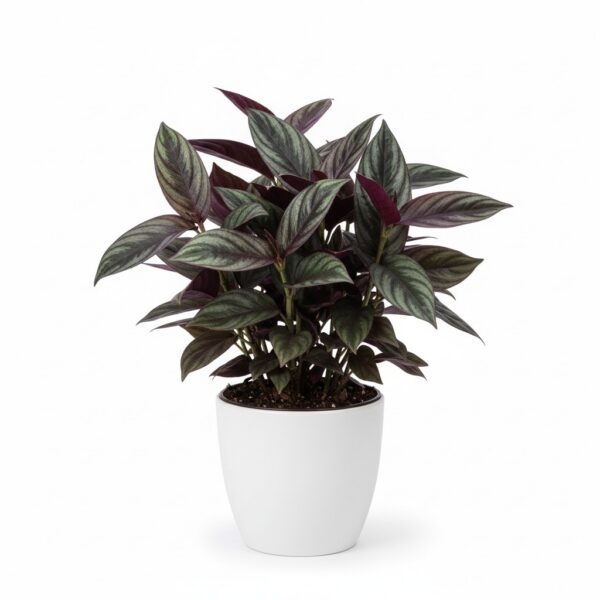
Persian Shield
Strobilanthes dyeriana
Persian Shield is a striking tropical foliage plant prized for its iridescent, metallic sheen on its leaves. The leaves display a vibrant mix of purple, silver, and green, creating a visually stunning display. It is naturally an outdoor plant in tropical climates, grown for its ornamental foliage. While it can be grown indoors, it requires specific conditions to thrive and maintain its vibrant color. It has a somewhat shrubby growth habit and is grown for its foliage rather than flowers.
Quick Plant Comparison
| Feature | Japanese Primrose | Persian Shield |
|---|---|---|
| Light | Partial shade to full shade. Avoid direct sunlight, especially during the hottest part of the day. | Bright, indirect light. Requires several hours of bright light daily to maintain its vibrant coloration. |
| Watering | 2-3 times per week, depending on weather and soil drainage | Every 5-7 days, depending on environmental conditions |
| Humidity | 50-70% | 60-80% |
| Temperature | 10-21°C | 18-27°C |
| Care Level | Expert | Moderate |
| Growth Rate | Moderate | Fast |
| Max Height | 30-60 cm (outdoors, rarely achieves this indoors) | 0.6-1 meter indoors |
| Pet Safety | ❌ Toxic To Pets | ❌ Toxic To Pets |
| Soil | Rich, moist, well-draining soil with plenty of organic matter. A mix of peat moss, compost, and perlite is suitable. | Well-draining potting mix, such as a mix of peat moss, perlite, and vermiculite. |
| Beginner Friendly | ❌ No | With Caution |
| Weekly Maintenance | 15 minutes weekly (outdoor) | 15 minutes weekly |
🔬 Botanical Information — Comparing These Plants
Japanese Primrose
| Scientific Name | Primula japonica |
|---|---|
| Family | Primulaceae |
| Native To | Japan |
| Also Known As | Japanese Primrose, Japanese Cowslip |
| Leaves | Oblong, textured leaves with serrated edges, forming a basal rosette. Typically medium green in color. |
| Flowers | Flowers are produced in tiered whorls on upright stalks, blooming in late spring to early summer. Colors range from pink, red, purple, and white. Rarely flowers indoors. |
Persian Shield
| Scientific Name | Strobilanthes dyeriana |
|---|---|
| Family | Acanthaceae |
| Native To | Myanmar (Burma) |
| Also Known As | Persian Shield, Royal Persian Shield |
| Leaves | The leaves are lance-shaped with serrated edges and a pointed tip. They are typically 10-15 cm long and 5-8 cm wide. The upper surface of the leaves displays a vibrant mix of purple, silver, and green, while the underside is a deep purple. |
| Flowers | Persian Shield rarely flowers indoors. When it does flower, the blooms are small and insignificant, typically pale purple or white. |
📏 Size & Growth — Plant Comparison
Japanese Primrose
Persian Shield
🌱 Propagation — Comparing Plant Growth
Japanese Primrose
Methods: Seed, Division
Difficulty: Moderate
Tips: Sow seeds in early spring or divide established clumps after flowering. For seeds, cold stratification may improve germination rates. Division is best done in early spring or fall.
Persian Shield
Methods: Stem cuttings
Difficulty: Easy
Tips: Take stem cuttings with at least 2-3 nodes. Remove the lower leaves and place the cutting in water or directly into moist potting mix. Keep the cutting in a warm, humid environment until roots develop.
✨ Benefits & Features — Comparing Plant Value
Japanese Primrose
Japanese Primrose is unique for its tiered whorls of flowers, creating a visually striking display. Its ability to naturalize in moist, shaded areas sets it apart from other primroses.
- ✓ Adds vibrant color to shaded gardens.
- ✓ Attracts pollinators like bees and butterflies.
- ✓ Provides a naturalistic look to woodland settings.
- ✓ Can naturalize and create beautiful colonies.
- ✓ Offers a sense of tranquility and beauty.
- ⚠️ Toxic to pets
Persian Shield
The iridescent, metallic sheen on the leaves is what sets this plant apart. The combination of purple, silver, and green creates a unique and eye-catching display. The intensity of the colors can vary depending on the amount of light the plant receives.
- ✓ Adds vibrant color to indoor spaces
- ✓ Unique and eye-catching foliage
- ✓ Relatively easy to propagate
- ✓ Can be used to create a tropical vibe
- ✓ Provides a sense of accomplishment when thriving
- ⚠️ Toxic to pets
📅 Maintenance Schedule — Plant Care Comparison
Japanese Primrose
Persian Shield
🌞 Light Requirements
Japanese Primrose
Partial shade to full shade. Avoid direct sunlight, especially during the hottest part of the day.
Low light tolerant: ❌ No
Persian Shield
Bright, indirect light. Requires several hours of bright light daily to maintain its vibrant coloration.
Low light tolerant: ❌ No
💧 Watering Needs
Japanese Primrose
Keep the soil consistently moist, but not waterlogged. Water deeply when the top inch of soil feels dry. Overwatering can lead to root rot, indicated by yellowing leaves and a musty smell. Underwatering results in wilting and dry, crispy leaves.
Persian Shield
Water thoroughly when the top inch of soil feels dry to the touch. Avoid overwatering, as this can lead to root rot. Allow excess water to drain away. Underwatering will cause the leaves to droop and become dull.
🌡️ Temperature & Humidity
Japanese Primrose
Temperature: 10-21°C
Humidity: 50-70%
Persian Shield
Temperature: 18-27°C
Humidity: 60-80%
🤔 Which Plant Is Right For You?
Japanese Primrose
Primula japonicaGardeners with shaded, moist garden beds who want a vibrant spring display.
✅ Choose This Plant If...
- You have a shaded, moist garden area.
- You want a plant with vibrant, tiered flowers in spring.
- You are experienced with growing moisture-loving plants.
- You want to attract pollinators to your garden.
- You are looking for a plant that can naturalize in the right conditions.
❌ Skip This Plant If...
- You have a dry indoor environment.
- You are a beginner gardener.
- You have pets that might ingest the plant.
Persian Shield
Strobilanthes dyerianaExperienced plant enthusiasts who can provide the necessary light and humidity.
✅ Choose This Plant If...
- You want a plant with unique and eye-catching foliage.
- You can provide bright, indirect light and high humidity.
- You are willing to regularly fertilize the plant.
- You enjoy propagating plants from cuttings.
- You are looking for a plant to add a pop of color to your indoor space.
❌ Skip This Plant If...
- You have pets that might ingest the plant.
- You cannot provide adequate light and humidity.
- You are prone to overwatering plants.
🎯 Quick Verdict
⚡ Key Differences Between These Plants
Japanese Primrose is rated Expert care level, while Persian Shield is Moderate.
Japanese Primrose has moderate growth, while Persian Shield grows fast.
💡 Pro Tips For Comparing These Plants
Japanese Primrose Care Tips
Japanese Primrose is primarily an outdoor plant and is very difficult to maintain indoors. It requires cool temperatures, high humidity, and consistent moisture, which are challenging to replicate in a typical indoor environment. It is best grown outdoors in a shaded, moist garden bed.
- Provide consistent moisture, especially during dry periods.
- Protect from direct sunlight to prevent leaf scorch.
- Fertilize monthly during the growing season with a balanced fertilizer.
- Remove spent flower stalks to encourage continued blooming.
- Mulch around the base of the plant to retain moisture and suppress weeds.
Persian Shield Care Tips
Persian Shield requires bright, indirect light and high humidity to maintain its vibrant color. It is prone to root rot if overwatered. Regular fertilization is needed during the growing season. It is toxic to pets, so keep it out of reach.
- Provide bright, indirect light to maintain vibrant color.
- Maintain high humidity levels (60-80%) using a humidifier or pebble tray.
- Water thoroughly when the top inch of soil feels dry.
- Fertilize regularly during the growing season with a balanced liquid fertilizer.
- Pinch back stems regularly to encourage bushier growth.
⚠️ Common Problems & Solutions — Plant Care Comparison
Japanese Primrose
Persian Shield
❓ Frequently Asked Questions — Comparing These Plants
Japanese Primrose
What are the light requirements for Japanese Primrose?
Japanese Primrose flourishes in partial shade, requiring protection from direct sunlight, especially during the hottest part of the day. Bright, indirect light is ideal. An east-facing window is often a good choice indoors, providing gentle morning sun. Avoid south-facing windows that can scorch the leaves.
How do I care for Japanese Primrose?
Japanese Primrose thrives in consistently moist soil and partial shade. Water regularly, ensuring the soil doesn’t dry out completely, especially during warmer months. Fertilize every 2-3 weeks with a balanced, liquid fertilizer during the blooming season to encourage abundant flowers. Deadhead spent blooms to prolong the flowering period.
How do I propagate Japanese Primrose?
Japanese Primrose can be propagated through division, a simple and effective method. In early spring or after flowering, carefully lift the plant and gently separate the root ball into smaller clumps, ensuring each division has healthy roots and foliage. Replant the divisions in separate pots filled with well-draining potting mix. Keep the soil consistently moist and provide partial shade until the new plants are established.
Persian Shield
What are the light requirements for Persian Shield?
Persian Shield requires bright, indirect light to maintain its vibrant coloration. Direct sunlight can scorch the leaves, while insufficient light can cause the colors to fade and the plant to become leggy. An east-facing window is ideal, providing gentle morning sun. A north- or west-facing window can also work if the light is bright enough.
How do I care for Persian Shield?
Persian Shield thrives in bright, indirect light and requires consistently moist soil. Water thoroughly when the top inch of soil feels dry, ensuring good drainage to prevent root rot. Maintain high humidity, ideally above 50%, through misting, pebble trays, or a humidifier. Fertilize monthly during the growing season (spring and summer) with a balanced liquid fertilizer diluted to half strength.
How do I propagate Persian Shield?
Persian Shield is easily propagated through stem cuttings. Take a 4-6 inch cutting from a healthy stem, removing the lower leaves. Dip the cut end in rooting hormone and plant in a well-draining potting mix. Keep the soil consistently moist and provide high humidity by covering the cutting with a plastic bag or placing it in a propagation dome. Roots should develop within 2-4 weeks.
Last updated: April 27, 2026 — Plant care data reviewed and verified by our editorial team.