
Italian Stone Pine vs Pulmonaria Plant Comparison
Compare these two plants side by side — care needs, key differences, and which is right for your home.

Italian Stone Pine
Pinus pinea
The Italian Stone Pine is a distinctive evergreen tree characterized by its umbrella-shaped canopy. It is a large tree, typically reaching heights of 12-25 meters (40-80 feet). Its needles are long and slender, and it produces large, edible pine nuts. It is primarily grown for its ornamental value, providing shade and a unique aesthetic to landscapes. While occasionally attempted indoors in its early stages, it is fundamentally an outdoor tree and struggles to thrive in a confined indoor environment. People value it for its drought tolerance and striking silhouette.
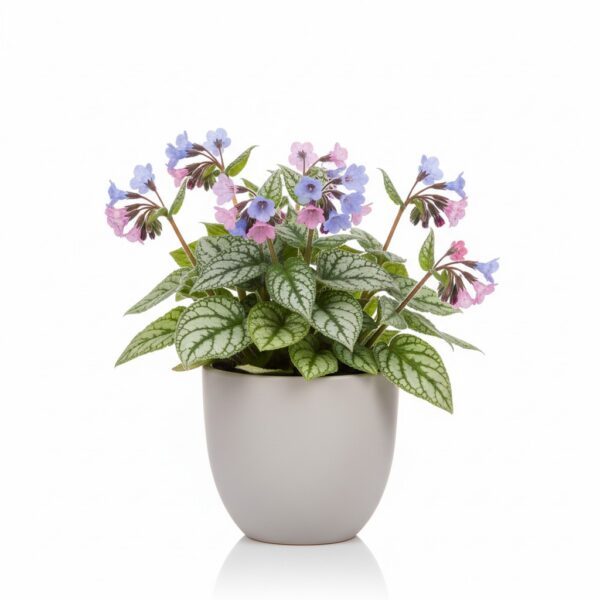
Pulmonaria
Pulmonaria officinalis
Pulmonaria officinalis, commonly known as lungwort, is a herbaceous perennial plant native to Europe. It is characterized by its distinctive spotted leaves, which are typically green with white or silver markings. The plant forms a low-growing clump and produces clusters of small, bell-shaped flowers that change color from pink to blue as they mature. Lungwort is primarily grown outdoors in gardens for its attractive foliage and early spring blooms. It thrives in shady, woodland-like conditions. While it can be attempted indoors, it requires very specific conditions and is generally not well-suited for indoor cultivation.
Quick Plant Comparison
| Feature | Italian Stone Pine | Pulmonaria |
|---|---|---|
| Light | Full sun (at least 6-8 hours of direct sunlight daily) | Partial shade to full shade. Avoid direct sunlight, especially during the hottest part of the day. |
| Watering | Outdoors: Once every 1-2 weeks, depending on rainfall and temperature. Indoors (not recommended): When the top inch of soil is dry. | Every 3-5 days, depending on environmental conditions |
| Humidity | 30-50% | 40-60% |
| Temperature | 10-27°C | 13-18°C |
| Care Level | Expert | Expert |
| Growth Rate | Moderate | Moderate |
| Max Height | Outdoors: 12-25 meters (40-80 feet). Indoors (unlikely to thrive): 1-2 meters (3-6 feet) before decline. | 20-30 cm (indoors unlikely to reach this) |
| Pet Safety | ✅ Safe | ❌ Toxic To Pets |
| Soil | Well-draining sandy or loamy soil | Well-draining, humus-rich soil |
| Beginner Friendly | ❌ No | ❌ No |
| Weekly Maintenance | 30 minutes monthly (for mature trees) | 15 minutes weekly (outdoor) |
🔬 Botanical Information — Comparing These Plants
Italian Stone Pine
| Scientific Name | Pinus pinea |
|---|---|
| Family | Pinaceae |
| Native To | Mediterranean region |
| Also Known As | Italian Stone Pine, Umbrella Pine, Parasol Pine |
| Leaves | Needles are long (10-20 cm or 4-8 inches), slender, and slightly twisted. They are a vibrant green color and grow in bundles of two. |
| Flowers | Does not typically flower indoors. Outdoors, it produces small, inconspicuous male and female cones in the spring. |
Pulmonaria
| Scientific Name | Pulmonaria officinalis |
|---|---|
| Family | Boraginaceae |
| Native To | Europe |
| Also Known As | Lungwort, Common Lungwort, Jerusalem Cowslip, Spotted Dog |
| Leaves | The leaves of Pulmonaria are ovate to lance-shaped, typically 10-25 cm long, and have a rough texture. They are usually green with distinctive white or silver spots, although some varieties have more pronounced variegation. The spots are caused by air pockets within the leaf tissue. |
| Flowers | Pulmonaria produces clusters of small, bell-shaped flowers in early spring. The flowers are typically pink when they first open, then gradually turn blue as they mature. This color change is due to changes in pH levels within the petals. Flowering is unlikely indoors. |
📏 Size & Growth — Plant Comparison
Italian Stone Pine
Pulmonaria
🌱 Propagation — Comparing Plant Growth
Italian Stone Pine
Methods: Seed
Difficulty: Moderate
Tips: Stratify seeds for several weeks before planting. Germination can be slow and variable.
Pulmonaria
Methods: Division, Seed
Difficulty: Moderate
Tips: Divide established clumps in early spring or fall. Sow seeds in a cold frame in autumn or early spring.
✨ Benefits & Features — Comparing Plant Value
Italian Stone Pine
Its distinctive umbrella-shaped canopy sets it apart from other pine trees. The edible pine nuts are also a unique feature.
- ✓ Provides shade in outdoor spaces
- ✓ Adds a unique architectural element to the landscape
- ✓ Edible pine nuts can be harvested
- ✓ Drought-tolerant, reducing water consumption
- ✓ Provides habitat for wildlife
- 🐾 Pet Safe
Pulmonaria
The most unique characteristic of Pulmonaria is its spotted leaves, which provide visual interest even when the plant is not in bloom. The flowers also change color from pink to blue as they mature, adding another layer of appeal. It is also relatively deer-resistant.
- ✓ Attracts pollinators to your garden.
- ✓ Adds visual interest with its unique spotted foliage.
- ✓ Provides early spring color to shady areas.
- ✓ Deer-resistant, protecting your garden from damage.
- ✓ Can be used as a ground cover in woodland gardens.
- ⚠️ Toxic to pets
📅 Maintenance Schedule — Plant Care Comparison
Italian Stone Pine
Pulmonaria
🌞 Light Requirements
Italian Stone Pine
Full sun (at least 6-8 hours of direct sunlight daily)
Low light tolerant: ❌ No
Pulmonaria
Partial shade to full shade. Avoid direct sunlight, especially during the hottest part of the day.
Low light tolerant: ❌ No
💧 Watering Needs
Italian Stone Pine
Water deeply when the topsoil feels dry to the touch. Ensure proper drainage to prevent root rot. Overwatering can lead to yellowing needles and fungal diseases. Underwatering will cause browning and needle drop. Allow the soil to dry slightly between waterings.
Pulmonaria
Keep the soil consistently moist, but not waterlogged. Water when the top inch of soil feels dry to the touch. Overwatering can lead to root rot, while underwatering can cause the leaves to wilt and brown. Ensure good drainage.
🌡️ Temperature & Humidity
Italian Stone Pine
Temperature: 10-27°C
Humidity: 30-50%
Pulmonaria
Temperature: 13-18°C
Humidity: 40-60%
🤔 Which Plant Is Right For You?
Italian Stone Pine
Pinus pineaLandscapes with ample space and full sun exposure.
✅ Choose This Plant If...
- You have a large outdoor space with full sun
- You appreciate the unique umbrella shape of the tree
- You want a drought-tolerant tree for your landscape
- You are interested in harvesting pine nuts
- You live in a Mediterranean climate.
❌ Skip This Plant If...
- You have limited space
- You live in a cold climate with harsh winters
- You want a low-maintenance plant
- You are looking for an indoor plant
- You do not have access to full sun.
Pulmonaria
Pulmonaria officinalisExperienced gardeners looking for a shade-loving plant with unique foliage and early spring blooms in an outdoor garden.
✅ Choose This Plant If...
- You want a shade-loving plant with unique spotted foliage.
- You appreciate early spring blooms that attract pollinators.
- You are looking for a deer-resistant plant for your garden.
- You enjoy plants with interesting color-changing flowers.
- You have a cool, shady spot in your garden that needs some color.
❌ Skip This Plant If...
- You are looking for an easy-to-grow indoor plant.
- You have pets that might ingest the plant.
- You do not have a cool, shady outdoor space.
🎯 Quick Verdict
⚡ Key Differences Between These Plants
Both plants have similar basic care requirements but differ in appearance and specific needs. Compare plants carefully to find the best fit for your space.
💡 Pro Tips For Comparing These Plants
Italian Stone Pine Care Tips
The Italian Stone Pine is an outdoor tree that requires full sun and well-draining soil. It is not well-suited for indoor environments due to its high light requirements and large size. Indoor attempts will likely result in stunted growth and eventual decline. Requires careful watering and fertilization.
- Ensure excellent drainage to prevent root rot
- Provide full sun exposure for optimal growth
- Water deeply but infrequently, allowing the soil to dry slightly between waterings
- Fertilize sparingly with a balanced slow-release fertilizer in spring
- Protect young trees from frost in colder climates
Pulmonaria Care Tips
Pulmonaria is primarily an outdoor plant that prefers cool, shady conditions. Indoor cultivation is challenging due to the need for consistent moisture, high humidity, and cool temperatures. It is prone to fungal diseases and root rot if not properly cared for indoors. Requires very bright indirect light, which is difficult to provide indoors.
- Provide consistent moisture, especially during dry periods.
- Protect from direct sunlight to prevent leaf scorch.
- Amend the soil with compost or leaf mold to improve drainage and fertility.
- Divide plants every few years to prevent overcrowding.
- Monitor for pests and diseases regularly.
⚠️ Common Problems & Solutions — Plant Care Comparison
Italian Stone Pine
Pulmonaria
❓ Frequently Asked Questions — Comparing These Plants
Italian Stone Pine
What are the light requirements for Italian Stone Pine?
Italian Stone Pines thrive in bright, indirect light. Indoors, a south-facing window is ideal, but be sure to filter the light with a sheer curtain to prevent scorching. Insufficient light can lead to leggy growth and yellowing needles. Rotate the plant regularly to ensure even light exposure on all sides. If natural light is limited, supplement with grow lights. Position the grow lights 12-18 inches above the plant for optimal results. During the winter months, when light levels are lower, consider increasing the amount of supplemental light. Observe the plant’s growth habits; if it’s reaching towards the light, it needs more illumination.
How do I care for Italian Stone Pine?
To successfully grow an Italian Stone Pine indoors, provide it with bright, indirect light, ideally near a south-facing window. Water thoroughly when the top inch of soil feels dry, ensuring proper drainage. A well-draining potting mix is crucial to prevent root rot. Maintain moderate humidity levels, especially during dry winter months. Fertilize sparingly during the growing season (spring and summer) with a balanced liquid fertilizer. Prune occasionally to maintain shape and remove any dead or damaged branches. Repot every 2-3 years into a slightly larger pot. Ensure stable temperatures between 60-75°F (15-24°C) and avoid sudden changes. Monitor for pests and address promptly. Proper pot size is essential; choose a pot that is only slightly larger than the root ball to avoid overwatering issues.
How do I propagate Italian Stone Pine?
Italian Stone Pines can be propagated through stem cuttings or air layering, although success rates can be low. For stem cuttings, take a 4-6 inch cutting from new growth in the spring. Remove the lower needles and dip the cut end in rooting hormone. Plant the cutting in a well-draining potting mix and keep it moist in a humid environment, like a propagation box. For air layering, make a small incision on a branch and wrap it with moist sphagnum moss. Cover the moss with plastic wrap and secure it tightly. After several months, roots should form. Cut the branch below the roots and pot it in well-draining soil. Consistency in humidity and temperature is essential for success.
Pulmonaria
What are the light requirements for Pulmonaria?
Pulmonaria thrives in partial to full shade. In regions with hot summers, full shade is essential to prevent leaf scorch. Morning sun is tolerated, but avoid direct afternoon sun. The ideal location receives dappled sunlight throughout the day. Insufficient light can result in fewer blooms and less vibrant foliage.
How do I care for Pulmonaria?
Pulmonaria prefers partial to full shade, especially in warmer climates. Direct sunlight can scorch the leaves. The ideal location is one that receives morning sun and afternoon shade. Plant in well-draining, humus-rich soil that retains moisture. Water regularly, especially during dry periods, keeping the soil consistently moist but not soggy.
How do I propagate Pulmonaria?
Pulmonaria is most easily propagated by division in early spring or fall. Carefully dig up the plant and separate the root ball into smaller clumps, ensuring each clump has healthy roots and foliage. Replant the divisions in well-draining, humus-rich soil. Keep the soil consistently moist until the plants are established.
Last updated: April 25, 2026 — Plant care data reviewed and verified by our editorial team.