
Inkberry vs Lithops Plant Comparison
Compare these two plants side by side — care needs, key differences, and which is right for your home.
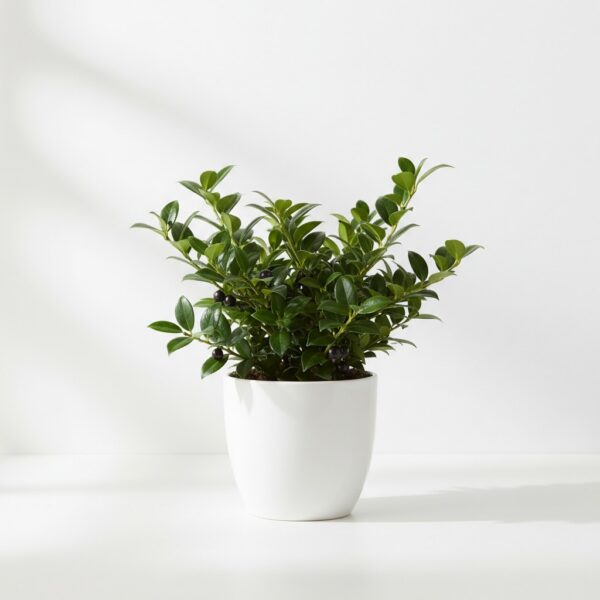
Inkberry
Ilex glabra
Inkberry is an evergreen shrub typically found in moist, acidic soils of coastal plains and sandy woodlands. It features a dense, rounded habit and can reach heights of 6-10 feet in its native environment. The plant is characterized by its dark green, leathery leaves and small, black, berry-like drupes (fruits) that persist through the winter, giving it the name 'Inkberry'. It is primarily an outdoor plant, valued for its year-round foliage, wildlife value (berries provide food for birds), and use in naturalized landscapes and hedges. While it can be grown in containers, it requires specific conditions and is not ideally suited for indoor environments.

Lithops
Lithops spp.
Lithops are fascinating succulents that mimic small pebbles or stones in their native arid environments. They consist of a pair of fused, fleshy leaves with a fissure between them, from which a flower emerges. These plants are naturally outdoor dwellers, thriving in intense sunlight and well-draining soil. People grow them for their unique appearance, compact size, and the surprise of their daisy-like flowers, which typically appear in the fall. Lithops are adapted to survive long periods of drought, making them relatively low-maintenance if their specific needs are met.
Quick Plant Comparison
| Feature | Inkberry | Lithops |
|---|---|---|
| Light | Full sun to partial shade. Requires at least 6 hours of direct sunlight for optimal growth and berry production. | Very high light intensity is crucial. At least 6-8 hours of direct sunlight per day is required for optimal growth and flowering. |
| Watering | Every 7-10 days during the growing season, less frequently in winter. | Every 2-4 weeks during the growing season, less or none during dormancy. |
| Humidity | 30-50% | 20-40% |
| Temperature | 10-27°C | 18-27°C |
| Care Level | Expert | Expert |
| Growth Rate | Moderate | Very Slow |
| Max Height | Difficult to maintain at more than 1-2 meters indoors in a container. | 2-5 cm |
| Pet Safety | ❌ Toxic To Pets | ❌ Toxic To Pets |
| Soil | Well-drained, acidic soil (pH 4.5-6.5). A mix of peat moss, sand, and compost works well. | Extremely well-draining succulent mix. A mix of 1 part potting soil, 2 parts coarse sand, and 1 part perlite or pumice is ideal. |
| Beginner Friendly | ❌ No | ❌ No |
| Weekly Maintenance | 15 minutes weekly outdoors, much more if attempting indoors. | 5 minutes weekly (mostly observation and infrequent watering) |
🔬 Botanical Information — Comparing These Plants
Inkberry
| Scientific Name | Ilex glabra |
|---|---|
| Family | Aquifoliaceae |
| Native To | Eastern North America |
| Also Known As | Inkberry, Gallberry, Appalachian Tea |
| Leaves | The leaves are alternate, simple, and evergreen, typically 1-2 inches long. They are elliptic or oblong in shape with a smooth, leathery texture and a glossy, dark green color. The margins are usually entire or slightly toothed near the tip. |
| Flowers | Inkberry produces small, inconspicuous white flowers in the spring. It is dioecious, meaning that male and female flowers are on separate plants. Female plants produce the black, berry-like drupes (fruits) after pollination. |
Lithops
| Scientific Name | Lithops spp. |
|---|---|
| Family | Aizoaceae |
| Native To | Southern Africa (Namibia, South Africa, Botswana) |
| Also Known As | Living Stones, Pebble Plants, Flowering Stones |
| Leaves | The leaves are typically smooth, rounded, and fleshy, resembling pebbles or stones. They come in a variety of colors and patterns, including shades of gray, brown, green, and reddish-brown. The upper surface of the leaves often has translucent windows or patterns that allow light to penetrate for photosynthesis. |
| Flowers | Lithops can flower indoors, typically in the fall. The flowers are daisy-like, ranging in color from white to yellow to orange. They emerge from the fissure between the leaves and can last for several days. |
📏 Size & Growth — Plant Comparison
Inkberry
Lithops
🌱 Propagation — Comparing Plant Growth
Inkberry
Methods: Stem cuttings, Seed
Difficulty: Moderate
Tips: Take semi-hardwood cuttings in late summer. Dip in rooting hormone and plant in a well-draining medium. Keep moist and provide bottom heat for best results. Seed propagation is possible but slow.
Lithops
Methods: Seed, Division (carefully separate offsets)
Difficulty: Moderate
Tips: Seeds require warm temperatures and high humidity to germinate. Division should only be attempted when the plant naturally splits and forms offsets. Allow the cut surfaces to callous over before planting.
✨ Benefits & Features — Comparing Plant Value
Inkberry
Inkberry is a native evergreen shrub that provides year-round interest and supports wildlife. Its black berries are a distinctive feature, and it is more tolerant of wet soils than many other evergreen shrubs. It is also dioecious, meaning that male and female flowers are on separate plants.
- ✓ Provides year-round greenery.
- ✓ Attracts birds and other wildlife.
- ✓ Relatively low-maintenance once established.
- ✓ Can be used for hedging or screening.
- ✓ Tolerates wet soils.
- ⚠️ Toxic to pets
Lithops
Lithops are masters of camouflage, blending seamlessly with their rocky surroundings to avoid being eaten. They have a unique growth cycle where new leaves emerge from within the old ones, which then shrivel and dry up.
- ✓ Unique and conversation-starting plant.
- ✓ Adds a touch of the desert to your home.
- ✓ Low maintenance once established.
- ✓ Can be a long-lived plant.
- ✓ Offers a sense of accomplishment when successfully grown.
- ⚠️ Toxic to pets
📅 Maintenance Schedule — Plant Care Comparison
Inkberry
Lithops
🌞 Light Requirements
Inkberry
Full sun to partial shade. Requires at least 6 hours of direct sunlight for optimal growth and berry production.
Low light tolerant: ❌ No
Lithops
Very high light intensity is crucial. At least 6-8 hours of direct sunlight per day is required for optimal growth and flowering.
Low light tolerant: ❌ No
💧 Watering Needs
Inkberry
Water deeply when the top inch of soil feels dry. Avoid overwatering, which can lead to root rot. Established plants are relatively drought-tolerant. Signs of underwatering include wilting leaves and dry soil. Overwatering symptoms include yellowing leaves and soggy soil.
Lithops
Water very sparingly. Overwatering is the most common cause of death. Water only when the leaves become visibly wrinkled or shrunken, typically during their active growing season (spring and fall). Stop watering entirely during dormancy (summer and winter) unless the leaves become excessively shriveled. Signs of overwatering include mushy, translucent leaves.
🌡️ Temperature & Humidity
Inkberry
Temperature: 10-27°C
Humidity: 30-50%
Lithops
Temperature: 18-27°C
Humidity: 20-40%
🤔 Which Plant Is Right For You?
Inkberry
Ilex glabraGardeners with outdoor space looking for an evergreen shrub for hedges, borders, or naturalized areas.
✅ Choose This Plant If...
- You have an outdoor garden and want an evergreen shrub for year-round interest.
- You want to attract birds to your garden.
- You need a plant that tolerates wet soils.
- You want a low-maintenance shrub once established.
- You have acidic soil in your garden.
❌ Skip This Plant If...
- You are looking for an easy-to-grow houseplant.
- You have limited outdoor space.
- You have pets that may ingest the plant.
Lithops
Lithops spp.Experienced succulent growers who can provide intense light and understand the plant's dormancy cycle.
✅ Choose This Plant If...
- You are fascinated by unique and unusual plants.
- You can provide very bright, direct sunlight.
- You are experienced with succulent care and understand dormancy periods.
- You are careful with watering and avoid overwatering.
- You appreciate the challenge of growing a somewhat difficult plant.
❌ Skip This Plant If...
- You tend to overwater plants.
- You cannot provide very bright, direct sunlight.
- You are a beginner plant owner.
- You have pets that might ingest the plant.
- You prefer plants that grow quickly and are visually dynamic.
🎯 Quick Verdict
⚡ Key Differences Between These Plants
Inkberry has moderate growth, while Lithops grows very slow.
💡 Pro Tips For Comparing These Plants
Inkberry Care Tips
Inkberry is primarily an outdoor shrub and is challenging to grow indoors. It requires very bright light, acidic soil, and careful watering to thrive. Maintaining proper humidity and preventing pests can also be difficult indoors. It is not recommended as a houseplant unless you have a greenhouse or sunroom.
- Ensure acidic soil by amending with peat moss or sulfur.
- Water deeply but infrequently, allowing the soil to dry slightly between waterings.
- Fertilize in spring with an acid-loving plant fertilizer.
- Prune in late winter or early spring to maintain shape and remove dead wood.
- Monitor for pests and diseases and treat promptly.
Lithops Care Tips
Lithops are challenging to grow indoors due to their high light requirements and sensitivity to overwatering. They need very bright light, extremely well-draining soil, and careful watering. Dormancy periods must be respected. Success requires a deep understanding of their growth cycle.
- Use a terracotta pot to promote drainage.
- Provide excellent ventilation to prevent rot.
- Avoid getting water on the leaves.
- Do not fertilize during dormancy.
- Monitor closely for signs of pests or disease.
⚠️ Common Problems & Solutions — Plant Care Comparison
Inkberry
Lithops
❓ Frequently Asked Questions — Comparing These Plants
Inkberry
What are the light requirements for Inkberry?
Inkberry thrives in bright, indirect light. Direct sunlight can scorch the leaves, so avoid placing it near south-facing windows without some form of shading, such as a sheer curtain. East- or west-facing windows are generally ideal, providing ample light without the harsh intensity. If the plant is not receiving enough light, it may exhibit leggy growth or reduced foliage density. Rotate the plant regularly to ensure even light exposure on all sides. Insufficient light can also affect berry production in female plants. Supplement with artificial grow lights if natural light is limited, especially during winter months.
How do I care for Inkberry?
Inkberry prefers bright, indirect light. Avoid direct sunlight, which can scorch the leaves. Water thoroughly when the top inch of soil feels dry to the touch, ensuring good drainage to prevent root rot. Maintain moderate humidity levels, especially during dry winter months. Use a well-draining, slightly acidic potting mix. Fertilize sparingly during the growing season (spring and summer) with a balanced liquid fertilizer diluted to half strength. Prune regularly to maintain shape and remove any dead or yellowing foliage. Repot every 2-3 years as needed, increasing the pot size only slightly. Aim for stable conditions, avoiding drastic changes in temperature or humidity. Ensure adequate air circulation to prevent fungal diseases. Monitor regularly for pests and address promptly. Provide consistent care for optimal growth.
How do I propagate Inkberry?
Inkberry can be propagated through stem cuttings or air layering. For stem cuttings, take 4-6 inch cuttings from new growth in spring or summer. Remove the lower leaves and dip the cut end in rooting hormone. Plant the cutting in a well-draining potting mix and keep it moist. Cover with a plastic bag to increase humidity. Roots should develop in a few weeks. For air layering, make a small cut on a stem and wrap it with moist sphagnum moss. Cover the moss with plastic wrap and secure it in place. Once roots develop, cut the stem below the moss and plant it in a pot. Ensure to maintain stable humidity and temperature.
Lithops
What are the light requirements for Lithops?
Lithops thrive in bright, indirect sunlight. They need at least 4-6 hours of direct sunlight per day, but intense afternoon sun can scorch their leaves, especially during the summer months. An east-facing window is ideal, providing gentle morning sun. If growing Lithops indoors, supplement natural light with a grow light, especially during the winter months when sunlight is limited.
How do I care for Lithops?
Lithops require very specific care to thrive. Provide them with extremely well-draining soil, such as a mix of pumice, perlite, and coarse sand. Water sparingly, only when the leaves become slightly wrinkled, typically during their active growing season (spring and fall). Avoid watering during dormancy (summer and winter) when the old leaves are being absorbed.
How do I propagate Lithops?
Lithops are typically propagated from seeds, as leaf cuttings and offsets are not viable methods. Stem cuttings are not applicable since Lithops lack a traditional stem. To propagate from seeds, sow them in a well-draining seed starting mix in spring or early summer. Keep the soil consistently moist but not waterlogged. Cover the container with a humidity dome or plastic wrap to maintain moisture.
Last updated: April 30, 2026 — Plant care data reviewed and verified by our editorial team.