
Hemp vs Iceland Poppy Plant Comparison
Compare these two plants side by side — care needs, key differences, and which is right for your home.

Hemp
Cannabis sativa
Hemp (Cannabis sativa) is an annual herbaceous plant characterized by its tall, slender stalks and palmate leaves. It's primarily cultivated for its fiber, seeds, and oil. Unlike its close relative, marijuana, hemp contains very low levels of THC (tetrahydrocannabinol), the psychoactive compound. It's a fast-growing plant, typically grown outdoors in agricultural settings. While technically possible to grow indoors, it requires significant space and specialized equipment to mimic its natural outdoor environment. People grow it for industrial purposes, not typically as an ornamental houseplant.
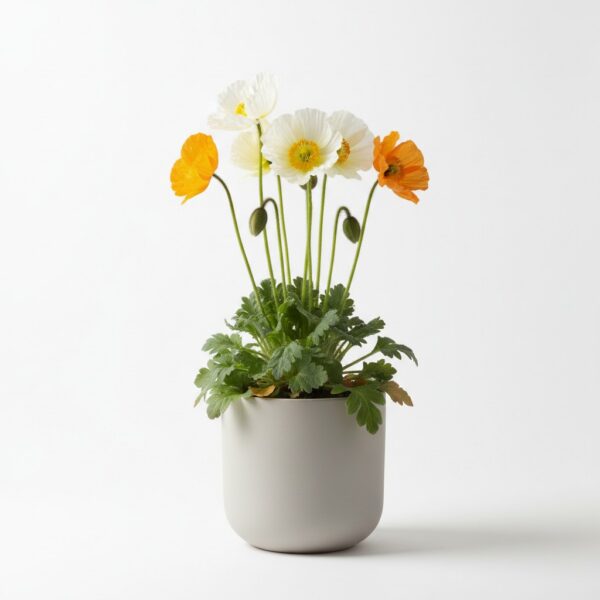
Iceland Poppy
Papaver nudicaule
The Iceland Poppy is a short-lived perennial or biennial often grown as an annual, prized for its delicate, crepe-paper-like flowers in a range of colors including yellow, orange, red, pink, and white. It typically reaches a height of 30-60 cm. While primarily an outdoor plant, it is grown for its vibrant blooms in garden beds, borders, and containers. Its cup-shaped flowers are borne on slender, hairy stems above a rosette of bluish-green, deeply lobed leaves. It is not naturally an indoor plant and struggles to thrive indoors due to high light requirements and specific temperature needs.
Quick Plant Comparison
| Feature | Hemp | Iceland Poppy |
|---|---|---|
| Light | Full sun (at least 6-8 hours of direct sunlight daily) | Full sun (at least 6 hours of direct sunlight daily) |
| Watering | Every 2-3 days outdoors, less frequently if attempted indoors | Every 7-10 days, depending on weather and soil drainage |
| Humidity | 40-60% | 30-50% |
| Temperature | 15-27°C | 10-21°C |
| Care Level | Expert | Expert |
| Growth Rate | Fast | Moderate |
| Max Height | Up to 4 meters outdoors; significantly smaller if grown indoors (1-2 meters) | 30-60 cm outdoors; significantly smaller and weaker indoors (if grown) |
| Pet Safety | ❌ Toxic To Pets | ❌ Toxic To Pets |
| Soil | Well-draining, loamy soil with a pH between 6.0 and 7.5 | Well-draining, moderately fertile soil. A mix of garden soil, sand, and compost is suitable. |
| Beginner Friendly | ❌ No | ❌ No |
| Weekly Maintenance | 1-2 hours weekly (primarily for watering, fertilizing, and pest control) | 15 minutes weekly during the growing season |
🔬 Botanical Information — Comparing These Plants
Hemp
| Scientific Name | Cannabis sativa |
|---|---|
| Family | Cannabaceae |
| Native To | Central Asia |
| Also Known As | Hemp, Industrial Hemp |
| Leaves | The leaves are palmate, meaning they have multiple leaflets radiating from a central point, similar to a hand. The leaflets are serrated and typically green in color. |
| Flowers | Hemp plants are dioecious, meaning they have separate male and female plants. The flowers are small and inconspicuous, typically green or yellowish-green. Flowering occurs in late summer or early fall. |
Iceland Poppy
| Scientific Name | Papaver nudicaule |
|---|---|
| Family | Papaveraceae |
| Native To | Subpolar regions of Europe, Asia, and North America, including Iceland |
| Also Known As | Iceland Poppy, Arctic Poppy |
| Leaves | The leaves are bluish-green, deeply lobed, and form a basal rosette. They are typically 10-20 cm long and have a slightly hairy texture. |
| Flowers | It rarely flowers indoors. Outdoors, it produces cup-shaped flowers in a variety of colors, including yellow, orange, red, pink, and white. The flowers are typically 5-7 cm in diameter and have a delicate, crepe-paper-like texture. |
📏 Size & Growth — Plant Comparison
Hemp
Iceland Poppy
🌱 Propagation — Comparing Plant Growth
Hemp
Methods: Seed
Difficulty: Easy
Tips: Soak seeds in water for 24 hours before planting. Sow seeds directly into the soil in a sunny location.
Iceland Poppy
Methods: Seed
Difficulty: Easy
Tips: Sow seeds directly in the garden in early spring or late fall. Seeds require light to germinate, so do not cover them with too much soil. Keep the soil consistently moist until germination.
✨ Benefits & Features — Comparing Plant Value
Hemp
Hemp's rapid growth and versatile applications make it a unique and valuable crop. Its low THC content distinguishes it from marijuana, making it suitable for industrial uses without psychoactive effects.
- ✓ Sustainable fiber production.
- ✓ Potential for biofuel production.
- ✓ Soil remediation.
- ✓ Carbon sequestration.
- ✓ Versatile raw material for various industries.
- ⚠️ Toxic to pets
Iceland Poppy
The crepe-paper-like texture of the petals and the wide range of vibrant colors make Iceland Poppies unique. They are also relatively deer-resistant, making them a good choice for gardens where deer are a problem. They are also known for their delicate, papery blooms and ability to thrive in cooler climates.
- ✓ Adds vibrant color to the garden
- ✓ Attracts pollinators like bees and butterflies
- ✓ Provides cut flowers for arrangements
- ✓ Deer resistant, protecting other plants
- ✓ Relatively easy to grow from seed outdoors
- ⚠️ Toxic to pets
📅 Maintenance Schedule — Plant Care Comparison
Hemp
Iceland Poppy
🌞 Light Requirements
Hemp
Full sun (at least 6-8 hours of direct sunlight daily)
Low light tolerant: ❌ No
Iceland Poppy
Full sun (at least 6 hours of direct sunlight daily)
Low light tolerant: ❌ No
💧 Watering Needs
Hemp
Water deeply when the top inch of soil is dry. Avoid overwatering, which can lead to root rot. Signs of underwatering include wilting leaves. Signs of overwatering include yellowing leaves and a soggy soil.
Iceland Poppy
Water thoroughly when the top inch of soil feels dry to the touch. Avoid overwatering, as it can lead to root rot. Ensure good drainage. Overwatering signs include yellowing leaves and wilting, while underwatering presents as drooping leaves and dry, crispy edges.
🌡️ Temperature & Humidity
Hemp
Temperature: 15-27°C
Humidity: 40-60%
Iceland Poppy
Temperature: 10-21°C
Humidity: 30-50%
🤔 Which Plant Is Right For You?
Hemp
Cannabis sativaFarmers or researchers interested in cultivating hemp for industrial purposes.
✅ Choose This Plant If...
- You are interested in cultivating hemp for industrial purposes.
- You have ample outdoor space and full sun.
- You are experienced with managing large, fast-growing plants.
- You understand the specific legal regulations regarding hemp cultivation in your area.
- You need a plant for fiber production.
❌ Skip This Plant If...
- You are looking for a low-maintenance houseplant.
- You have limited indoor space.
- You have pets that might ingest the plant.
- You are not familiar with agricultural practices.
- You are concerned about the legal restrictions surrounding Cannabis cultivation.
Iceland Poppy
Papaver nudicauleGardeners in cooler climates seeking vibrant, early-season color in their flower beds.
✅ Choose This Plant If...
- You want vibrant, early-season color in your garden.
- You live in a cooler climate where they thrive.
- You want to attract pollinators to your garden.
- You enjoy cut flowers with a long vase life.
- You want a deer-resistant plant.
❌ Skip This Plant If...
- You live in a hot, humid climate.
- You are looking for a long-lived perennial.
- You have pets that might ingest the plant.
🎯 Quick Verdict
⚡ Key Differences Between These Plants
Hemp needs full sun (at least 6-8 hours of direct sunlight daily), while Iceland Poppy prefers full sun (at least 6 hours of direct sunlight daily).
Hemp has fast growth, while Iceland Poppy grows moderate.
💡 Pro Tips For Comparing These Plants
Hemp Care Tips
Hemp is primarily an outdoor agricultural crop. Growing it indoors is challenging due to its high light requirements and potential size. It requires precise environmental control and is not a typical houseplant. Toxicity to pets is a significant concern.
- Ensure proper soil drainage to prevent root rot.
- Provide adequate sunlight for optimal growth.
- Monitor for pests and diseases regularly.
- Fertilize during the growing season to support rapid development.
- Research and comply with all local regulations regarding hemp cultivation.
Iceland Poppy Care Tips
Iceland Poppies are best grown outdoors. Indoor cultivation is extremely challenging due to their high light requirements and need for cool temperatures. They are prone to fungal diseases if kept too humid. Success indoors is unlikely without supplemental lighting and careful environmental control.
- Sow seeds directly in the garden in early spring or late fall for best results.
- Ensure well-draining soil to prevent root rot.
- Deadhead spent flowers regularly to encourage more blooms.
- Provide full sun for optimal flowering.
- Protect from strong winds, which can damage the delicate stems.
⚠️ Common Problems & Solutions — Plant Care Comparison
Hemp
Iceland Poppy
❓ Frequently Asked Questions — Comparing These Plants
Hemp
What are the light requirements for Hemp?
Hemp thrives in bright, direct sunlight, requiring at least 6-8 hours per day for optimal growth and flowering. A south-facing window is ideal for indoor cultivation. Insufficient light can lead to leggy growth, reduced flowering, and pale foliage. If natural sunlight is limited, supplement with artificial grow lights, such as LED or high-pressure sodium (HPS) lights. Maintain a distance of 12-18 inches between the lights and the plant canopy. During the vegetative stage, provide 18 hours of light and 6 hours of darkness. Switch to a 12/12 light cycle (12 hours of light and 12 hours of darkness) to induce flowering. Consistent light cycles are crucial for successful blooming.
How do I care for Hemp?
Caring for Hemp involves providing the right balance of light, water, nutrients, and environmental conditions. Provide at least 6-8 hours of direct sunlight daily, especially during the flowering stage. Water thoroughly when the top inch of soil feels dry, ensuring good drainage to prevent root rot. Use a well-draining potting mix rich in organic matter. Fertilize regularly with a balanced fertilizer during vegetative growth, then switch to a bloom-boosting fertilizer during flowering. Maintain a humidity level between 40-60%. Prune regularly to encourage bushier growth and remove any dead or yellowing leaves. Monitor for pests and diseases, and treat promptly if necessary. Provide adequate ventilation to prevent mold and mildew. Temperature should be between 65-80°F (18-27°C). Regularly check for nutrient deficiencies.
How do I propagate Hemp?
Hemp can be propagated through stem cuttings, division (for some varieties), and, less commonly, seeds. For stem cuttings, take a 4-6 inch cutting from a healthy plant, removing the lower leaves. Dip the cut end in rooting hormone and plant in a well-draining rooting medium, such as perlite or vermiculite. Keep the medium moist and provide high humidity by covering the cutting with a plastic dome or bag. Place in indirect light. Roots should develop within 2-4 weeks. For division, carefully separate the root ball of a mature plant into smaller sections, ensuring each section has healthy roots and foliage. Replant each section in its own pot. Seed propagation involves germinating seeds in a moist paper towel or directly in the soil. Keep the soil warm and moist until germination occurs.
Iceland Poppy
What are the light requirements for Iceland Poppy?
Iceland Poppies require at least six hours of direct sunlight per day to thrive and produce abundant blooms. Ideally, provide them with morning sun and some afternoon shade, especially in hotter climates. Insufficient light can lead to leggy growth, fewer flowers, and duller colors. When growing indoors, place them near a sunny south-facing window. Rotate the plants regularly to ensure even light exposure on all sides. If natural light is insufficient, supplement with grow lights, positioning them about 6-12 inches above the plants. Light intensity is crucial for vibrant blooms.
How do I care for Iceland Poppy?
Iceland Poppies thrive in full sun and well-drained soil. Water regularly, especially during dry periods, but avoid overwatering to prevent root rot. Fertilize sparingly with a balanced fertilizer, focusing on a formula higher in phosphorus to encourage blooming. Deadhead spent flowers to promote continuous blooming. Provide support for taller varieties to prevent them from flopping over. Protect from strong winds and extreme heat. In warmer climates, provide afternoon shade. Regularly check for pests and diseases. Mulch around the base of the plant to retain moisture and suppress weeds. Ensure good air circulation to prevent fungal diseases. Iceland Poppies are generally short-lived perennials, often grown as annuals.
How do I propagate Iceland Poppy?
Iceland Poppies are primarily propagated by seed. Direct sowing is preferred as they don’t like root disturbance.
Last updated: April 20, 2026 — Plant care data reviewed and verified by our editorial team.