
Gunnera vs Passion Vine Plant Comparison
Compare these two plants side by side — care needs, key differences, and which is right for your home.

Gunnera
Gunnera manicata
Gunnera manicata, commonly known as Giant Rhubarb, is a massive, rhizomatous perennial plant prized for its enormous, textured leaves. Native to South America, it is primarily an outdoor plant, grown for its dramatic architectural presence in gardens and near water features. The leaves can reach impressive sizes, up to 2.5 meters across, creating a bold statement. While admired for its striking appearance, it is not suitable for indoor cultivation due to its size and specific environmental needs. It produces cone-shaped inflorescences of small reddish-green flowers in the summer.
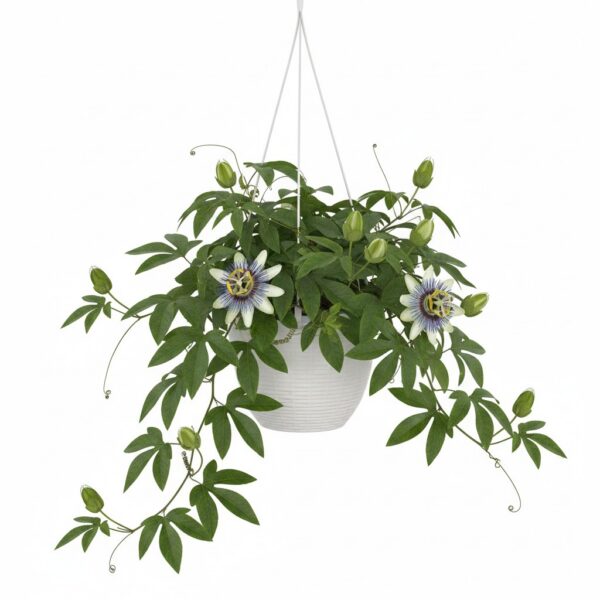
Passion Vine
Passiflora spp.
Passion vines are vigorous, tendril-climbing vines known for their intricate and beautiful flowers. Native to the Americas, they are primarily outdoor plants that thrive in warm climates. The flowers are followed by edible (in some species) fruits. People grow them for their ornamental value, the potential for fruit production, and to attract pollinators like butterflies and hummingbirds. Indoor cultivation is challenging due to high light and humidity needs.
Quick Plant Comparison
| Feature | Gunnera | Passion Vine |
|---|---|---|
| Light | Full sun to partial shade | Full sun to partial shade. Requires at least 6 hours of direct sunlight daily for optimal growth and flowering. |
| Watering | 2-3 times per week, depending on weather conditions | Every 3-7 days, depending on environmental conditions and pot size. |
| Humidity | 60-80% | 50-70% |
| Temperature | 10-25°C | 18-27°C |
| Care Level | Expert | Expert |
| Growth Rate | Fast | Fast |
| Max Height | Not applicable for indoor growing. Outdoors: 2-3 meters | 1-3 meters (indoors, with support) |
| Pet Safety | ❌ Toxic To Pets | ❌ Toxic To Pets |
| Soil | Rich, moisture-retentive soil with good drainage | Well-draining potting mix with added perlite or sand. |
| Beginner Friendly | ❌ No | ❌ No |
| Weekly Maintenance | 30 minutes weekly during the growing season | 30 minutes weekly |
🔬 Botanical Information — Comparing These Plants
Gunnera
| Scientific Name | Gunnera manicata |
|---|---|
| Family | Gunneraceae |
| Native To | Southern Brazil, Colombia |
| Also Known As | Giant Rhubarb, Dinosaur Food |
| Leaves | The leaves of Gunnera manicata are palmate, deeply lobed, and heavily textured with prominent veins. They are typically dark green and can reach up to 2.5 meters in diameter. The leaf stalks are thick and prickly. |
| Flowers | Gunnera manicata produces cone-shaped inflorescences of small reddish-green flowers in the summer. The flowers are not particularly showy but add to the plant's overall architectural interest. It rarely flowers indoors. |
Passion Vine
| Scientific Name | Passiflora spp. |
|---|---|
| Family | Passifloraceae |
| Native To | Americas (primarily tropical and subtropical regions) |
| Also Known As | Passion Flower, Passionfruit Vine, Maypop |
| Leaves | Leaves are typically lobed or palmate, with 3-7 lobes, depending on the species. They are usually green and can vary in size from 5-20 cm in length. |
| Flowers | Passion flowers rarely bloom indoors. Outdoors, the flowers are large (5-10 cm in diameter) and have a distinctive structure with prominent stamens and petals. Colors range from white and pink to purple and red. |
📏 Size & Growth — Plant Comparison
Gunnera
Passion Vine
🌱 Propagation — Comparing Plant Growth
Gunnera
Methods: Division, Seed
Difficulty: Moderate
Tips: Divide rhizomes in early spring or late fall. Sow seeds in spring after a period of cold stratification.
Passion Vine
Methods: Stem cuttings, Seed
Difficulty: Moderate
Tips: Take stem cuttings in spring or summer. Dip the cut end in rooting hormone and plant in moist potting mix. Keep the cutting in a warm, humid environment. Seeds require scarification and stratification for best results.
✨ Benefits & Features — Comparing Plant Value
Gunnera
Gunnera manicata is unique due to its massive size and dramatic foliage, making it a standout architectural plant. Its leaves are among the largest of any herbaceous plant, creating a prehistoric and tropical aesthetic.
- ✓ Adds a dramatic, architectural element to the garden.
- ✓ Provides a focal point and visual interest.
- ✓ Creates a lush, tropical atmosphere.
- ✓ Attracts beneficial insects and pollinators.
- ✓ Can be used to create shade and shelter for other plants.
- ⚠️ Toxic to pets
Passion Vine
The intricate and exotic flowers are the most unique characteristic. The flower structure is complex and symbolic. Some species produce edible fruit.
- ✓ Ornamental value with unique and beautiful flowers.
- ✓ Potential for edible fruit (depending on the species).
- ✓ Attracts pollinators like butterflies and hummingbirds.
- ✓ Can provide shade and privacy when grown outdoors.
- ✓ Offers a sense of accomplishment for experienced gardeners.
- ⚠️ Toxic to pets
📅 Maintenance Schedule — Plant Care Comparison
Gunnera
Passion Vine
🌞 Light Requirements
Gunnera
Full sun to partial shade
Low light tolerant: ❌ No
Passion Vine
Full sun to partial shade. Requires at least 6 hours of direct sunlight daily for optimal growth and flowering.
Low light tolerant: ❌ No
💧 Watering Needs
Gunnera
Requires consistently moist soil. Water deeply and regularly, especially during dry periods. Overwatering can lead to root rot, so ensure good drainage. Underwatering will cause the leaves to wilt and brown around the edges.
Passion Vine
Water deeply when the top inch of soil feels dry. Avoid overwatering, which can lead to root rot. Signs of underwatering include wilting leaves and dry soil. Overwatering signs include yellowing leaves and soggy soil.
🌡️ Temperature & Humidity
Gunnera
Temperature: 10-25°C
Humidity: 60-80%
Passion Vine
Temperature: 18-27°C
Humidity: 50-70%
🤔 Which Plant Is Right For You?
Gunnera
Gunnera manicataGardeners with large properties and a desire for a dramatic, architectural plant.
✅ Choose This Plant If...
- You have a large garden with a pond or stream.
- You want a dramatic, architectural plant to make a statement.
- You live in a region with mild, wet summers.
- You are prepared to provide consistent moisture and protection from harsh weather.
- You enjoy the challenge of growing unique and demanding plants.
❌ Skip This Plant If...
- You have a small garden or limited space.
- You are looking for an easy-to-care-for plant.
- You live in a dry climate with limited water resources.
- You have pets that might ingest the plant.
- You want an indoor plant.
Passion Vine
Passiflora spp.Experienced gardeners who can provide the specific environmental conditions required for this plant to thrive indoors or outdoors in suitable climates.
✅ Choose This Plant If...
- You want a unique and visually stunning plant with intricate flowers.
- You have a greenhouse or sunroom where you can provide ample light and humidity.
- You are an experienced gardener looking for a challenging and rewarding plant to grow.
- You live in a warm climate where you can grow it outdoors and potentially harvest fruit.
- You want to attract pollinators like butterflies and hummingbirds to your garden.
❌ Skip This Plant If...
- You have pets that might ingest the plant.
- You lack a bright, sunny location with high humidity.
- You are a beginner gardener.
- You don't have the time or space to prune and maintain a vigorous vine.
🎯 Quick Verdict
⚡ Key Differences Between These Plants
Both plants have similar basic care requirements but differ in appearance and specific needs. Compare plants carefully to find the best fit for your space.
💡 Pro Tips For Comparing These Plants
Gunnera Care Tips
Gunnera manicata is an outdoor plant that requires expert care due to its large size and specific environmental needs. It is not suitable for indoor cultivation. It needs ample space, consistent moisture, and protection from harsh weather conditions. Challenges include managing its aggressive growth and preventing root rot.
- Provide consistent moisture, especially during dry periods.
- Protect the crown of the plant in winter with a thick layer of mulch.
- Fertilize regularly during the growing season.
- Monitor for pests and diseases and treat promptly.
- Provide shade during the hottest part of the day to prevent leaf scorch.
Passion Vine Care Tips
Passion vines are challenging to grow indoors due to their high light, humidity, and space requirements. They need a strong support structure to climb. Regular pruning is necessary to control their vigorous growth. Providing adequate light and humidity is crucial for flowering and overall health.
- Provide a sturdy trellis or support structure for the vine to climb.
- Ensure excellent drainage to prevent root rot.
- Maintain high humidity levels, especially indoors.
- Prune regularly to control growth and encourage flowering.
- Monitor for pests and treat promptly.
⚠️ Common Problems & Solutions — Plant Care Comparison
Gunnera
Passion Vine
❓ Frequently Asked Questions — Comparing These Plants
Gunnera
What are the light requirements for Gunnera?
Gunnera thrives in bright, indirect light. Direct sunlight can scorch its large leaves, leading to unsightly brown spots and stunted growth. An east-facing window is often ideal, providing gentle morning sun followed by ample shade throughout the day. If grown indoors, supplement with grow lights if natural light is insufficient. Avoid placing Gunnera in a dimly lit area, as this can result in leggy growth and smaller, less vibrant leaves. Rotate the plant regularly to ensure even light exposure on all sides. If growing outdoors, choose a location that receives partial shade, particularly during the hottest part of the day.
How do I care for Gunnera?
Gunnera demands consistent moisture and high humidity to thrive. Position in bright, indirect light, avoiding direct sunlight which can scorch the leaves. Water generously, ensuring the soil remains consistently damp but not waterlogged. A well-draining soil mix rich in organic matter is crucial. Fertilize regularly during the growing season (spring and summer) with a balanced liquid fertilizer diluted to half strength. Prune away dead or damaged leaves to encourage new growth and maintain plant health. Provide adequate space for the plant to grow, as it can reach significant sizes. Consider using a humidifier or pebble tray to increase humidity levels, especially indoors. Protect from frost and extreme temperatures. Regularly inspect for pests and diseases, addressing any issues promptly.
How do I propagate Gunnera?
Gunnera can be propagated through stem cuttings, division, or air layering. For stem cuttings, take a cutting from a healthy stem and root it in water or moist potting mix. For division, carefully separate the rhizome into smaller sections, ensuring each section has roots and leaves. Plant each section in its own pot. Air layering involves wrapping a section of stem with moist sphagnum moss and covering it with plastic wrap until roots develop. Once roots have formed, cut the stem below the roots and plant in its own pot. Maintain high humidity and consistent moisture during the propagation process. Spring and early summer are the best times for propagation. Ensure proper sanitation to prevent fungal infections.
Passion Vine
What are the light requirements for Passion Vine?
Passion Vine thrives in bright, direct sunlight. Aim for at least 6 hours of sunlight per day for optimal flowering and growth. An east- or south-facing window is ideal for indoor plants. If you don’t have access to sufficient natural light, consider supplementing with a grow light. Insufficient light can lead to leggy growth, fewer flowers, and pale leaves. During the summer months, you can move your Passion Vine outdoors to a sunny location, but be sure to acclimate it gradually to prevent sunburn. Rotate the plant regularly to ensure even growth on all sides.
How do I care for Passion Vine?
Caring for Passion Vine involves providing the right balance of light, water, and support. Place your Passion Vine in a location that receives at least 6 hours of direct sunlight per day for optimal flowering. Water thoroughly when the top inch of soil feels dry, ensuring good drainage to prevent root rot. Provide a trellis, fence, or other support structure for the vine to climb and twine. Prune regularly to maintain its shape and encourage bushier growth. Fertilize every 2-4 weeks during the growing season (spring and summer) with a balanced liquid fertilizer. Monitor for pests such as aphids and spider mites, and treat promptly if necessary. Repot every 1-2 years as needed, using a well-draining potting mix. With proper care, your Passion Vine will reward you with stunning blooms and lush foliage.
How do I propagate Passion Vine?
Passion Vine is easily propagated through stem cuttings or layering.
Last updated: April 30, 2026 — Plant care data reviewed and verified by our editorial team.