
Gum Tree vs Iceland Poppy Plant Comparison
Compare these two plants side by side — care needs, key differences, and which is right for your home.

Gum Tree
Eucalyptus spp.
Eucalyptus is a diverse genus of flowering trees and shrubs. Most are native to Australia and include over 700 species. They are known for their rapid growth, aromatic oils, and distinctive bark. Eucalyptus trees are primarily outdoor plants, grown for their shade, windbreak capabilities, and the essential oils extracted from their leaves. While some smaller species can be temporarily grown indoors, they require very bright light and specific conditions to thrive and often struggle to adapt. They are not ideal houseplants.
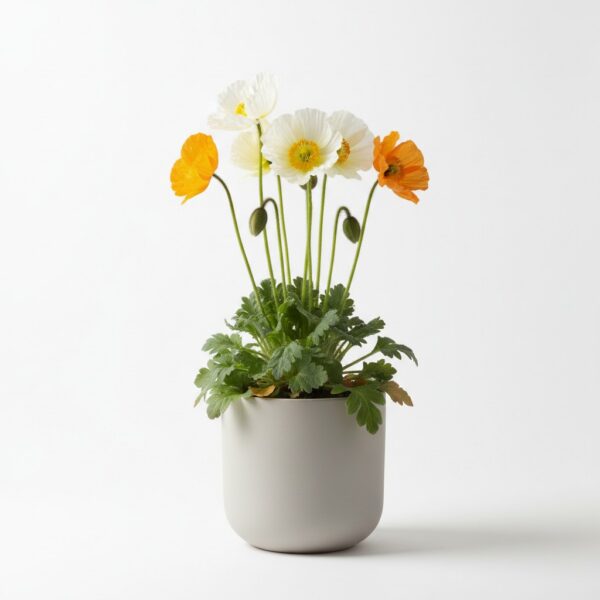
Iceland Poppy
Papaver nudicaule
The Iceland Poppy is a short-lived perennial or biennial often grown as an annual, prized for its delicate, crepe-paper-like flowers in a range of colors including yellow, orange, red, pink, and white. It typically reaches a height of 30-60 cm. While primarily an outdoor plant, it is grown for its vibrant blooms in garden beds, borders, and containers. Its cup-shaped flowers are borne on slender, hairy stems above a rosette of bluish-green, deeply lobed leaves. It is not naturally an indoor plant and struggles to thrive indoors due to high light requirements and specific temperature needs.
Quick Plant Comparison
| Feature | Gum Tree | Iceland Poppy |
|---|---|---|
| Light | Full sun (at least 6-8 hours of direct sunlight daily) | Full sun (at least 6 hours of direct sunlight daily) |
| Watering | Varies widely depending on climate, typically every 1-2 weeks outdoors. Indoor attempts require very careful monitoring. | Every 7-10 days, depending on weather and soil drainage |
| Humidity | 30-50% | 30-50% |
| Temperature | 15-25°C | 10-21°C |
| Care Level | Expert | Expert |
| Growth Rate | Fast | Moderate |
| Max Height | Varies greatly by species, from small shrubs to over 60 meters tall outdoors. Indoors, expect stunted growth, potentially reaching 1-3 meters with difficulty. | 30-60 cm outdoors; significantly smaller and weaker indoors (if grown) |
| Pet Safety | ❌ Toxic To Pets | ❌ Toxic To Pets |
| Soil | Well-draining soil, sandy loam is ideal. Avoid heavy clay soils. | Well-draining, moderately fertile soil. A mix of garden soil, sand, and compost is suitable. |
| Beginner Friendly | ❌ No | ❌ No |
| Weekly Maintenance | 1-2 hours monthly (mostly pruning and watering) | 15 minutes weekly during the growing season |
🔬 Botanical Information — Comparing These Plants
Gum Tree
| Scientific Name | Eucalyptus spp. |
|---|---|
| Family | Myrtaceae |
| Native To | Australia and Tasmania |
| Also Known As | Gum Tree, Eucalyptus |
| Leaves | Eucalyptus leaves are typically lanceolate or ovate in shape, and often have a bluish-green color. They are leathery in texture and contain aromatic oils. Juvenile leaves may be different in shape and color than mature leaves. |
| Flowers | Eucalyptus trees produce flowers, but they rarely flower indoors. The flowers are typically white or cream-colored and have numerous stamens, giving them a fluffy appearance. They are an important source of nectar for pollinators. |
Iceland Poppy
| Scientific Name | Papaver nudicaule |
|---|---|
| Family | Papaveraceae |
| Native To | Subpolar regions of Europe, Asia, and North America, including Iceland |
| Also Known As | Iceland Poppy, Arctic Poppy |
| Leaves | The leaves are bluish-green, deeply lobed, and form a basal rosette. They are typically 10-20 cm long and have a slightly hairy texture. |
| Flowers | It rarely flowers indoors. Outdoors, it produces cup-shaped flowers in a variety of colors, including yellow, orange, red, pink, and white. The flowers are typically 5-7 cm in diameter and have a delicate, crepe-paper-like texture. |
📏 Size & Growth — Plant Comparison
Gum Tree
Iceland Poppy
🌱 Propagation — Comparing Plant Growth
Gum Tree
Methods: Seed, cuttings (difficult)
Difficulty: Difficult
Tips: Seed propagation is more reliable. Cuttings require hormone treatment and high humidity.
Iceland Poppy
Methods: Seed
Difficulty: Easy
Tips: Sow seeds directly in the garden in early spring or late fall. Seeds require light to germinate, so do not cover them with too much soil. Keep the soil consistently moist until germination.
✨ Benefits & Features — Comparing Plant Value
Gum Tree
Eucalyptus trees are known for their rapid growth, aromatic oils, and distinctive bark. Many species shed their bark in strips, creating a colorful display. The leaves contain eucalyptus oil, which has medicinal and cleaning properties.
- ✓ Provides shade and windbreak.
- ✓ Aromatic foliage creates a pleasant scent.
- ✓ Source of eucalyptus oil for medicinal and cleaning purposes.
- ✓ Attracts pollinators and wildlife.
- ✓ Adds a unique and distinctive look to the landscape.
- ⚠️ Toxic to pets
Iceland Poppy
The crepe-paper-like texture of the petals and the wide range of vibrant colors make Iceland Poppies unique. They are also relatively deer-resistant, making them a good choice for gardens where deer are a problem. They are also known for their delicate, papery blooms and ability to thrive in cooler climates.
- ✓ Adds vibrant color to the garden
- ✓ Attracts pollinators like bees and butterflies
- ✓ Provides cut flowers for arrangements
- ✓ Deer resistant, protecting other plants
- ✓ Relatively easy to grow from seed outdoors
- ⚠️ Toxic to pets
📅 Maintenance Schedule — Plant Care Comparison
Gum Tree
Iceland Poppy
🌞 Light Requirements
Gum Tree
Full sun (at least 6-8 hours of direct sunlight daily)
Low light tolerant: ❌ No
Iceland Poppy
Full sun (at least 6 hours of direct sunlight daily)
Low light tolerant: ❌ No
💧 Watering Needs
Gum Tree
Water deeply when the top few inches of soil are dry. Overwatering can lead to root rot, especially in containers. Underwatering will cause leaf drop and stunted growth. Ensure excellent drainage.
Iceland Poppy
Water thoroughly when the top inch of soil feels dry to the touch. Avoid overwatering, as it can lead to root rot. Ensure good drainage. Overwatering signs include yellowing leaves and wilting, while underwatering presents as drooping leaves and dry, crispy edges.
🌡️ Temperature & Humidity
Gum Tree
Temperature: 15-25°C
Humidity: 30-50%
Iceland Poppy
Temperature: 10-21°C
Humidity: 30-50%
🤔 Which Plant Is Right For You?
Gum Tree
Eucalyptus spp.Experienced gardeners in suitable climates who want a fast-growing shade tree or windbreak.
✅ Choose This Plant If...
- You have a large outdoor space with full sun and well-draining soil.
- You live in a climate with mild winters and warm summers.
- You want a fast-growing shade tree or windbreak.
- You are interested in harvesting eucalyptus oil (with proper knowledge).
- You appreciate the unique aroma and appearance of eucalyptus trees.
❌ Skip This Plant If...
- You have limited space or live in an apartment.
- You cannot provide full sun exposure.
- You have pets that may ingest the plant.
- You live in a climate with harsh winters.
- You are a beginner gardener looking for an easy-care houseplant.
Iceland Poppy
Papaver nudicauleGardeners in cooler climates seeking vibrant, early-season color in their flower beds.
✅ Choose This Plant If...
- You want vibrant, early-season color in your garden.
- You live in a cooler climate where they thrive.
- You want to attract pollinators to your garden.
- You enjoy cut flowers with a long vase life.
- You want a deer-resistant plant.
❌ Skip This Plant If...
- You live in a hot, humid climate.
- You are looking for a long-lived perennial.
- You have pets that might ingest the plant.
🎯 Quick Verdict
⚡ Key Differences Between These Plants
Gum Tree needs full sun (at least 6-8 hours of direct sunlight daily), while Iceland Poppy prefers full sun (at least 6 hours of direct sunlight daily).
Gum Tree has fast growth, while Iceland Poppy grows moderate.
💡 Pro Tips For Comparing These Plants
Gum Tree Care Tips
Eucalyptus is challenging to grow indoors due to its high light requirements and rapid growth. It needs full sun, well-draining soil, and careful watering. Maintaining proper humidity and preventing pests can also be difficult. It is best suited as an outdoor plant.
- Ensure excellent drainage to prevent root rot.
- Provide full sun for optimal growth.
- Prune regularly to maintain shape and size.
- Protect from frost in colder climates.
- Monitor for pests and diseases and treat promptly.
Iceland Poppy Care Tips
Iceland Poppies are best grown outdoors. Indoor cultivation is extremely challenging due to their high light requirements and need for cool temperatures. They are prone to fungal diseases if kept too humid. Success indoors is unlikely without supplemental lighting and careful environmental control.
- Sow seeds directly in the garden in early spring or late fall for best results.
- Ensure well-draining soil to prevent root rot.
- Deadhead spent flowers regularly to encourage more blooms.
- Provide full sun for optimal flowering.
- Protect from strong winds, which can damage the delicate stems.
⚠️ Common Problems & Solutions — Plant Care Comparison
Gum Tree
Iceland Poppy
❓ Frequently Asked Questions — Comparing These Plants
Gum Tree
What are the light requirements for Gum Tree?
Gum Trees require bright, direct sunlight to thrive indoors. Aim for at least 6-8 hours of sunlight per day. A south-facing window is ideal, but east or west-facing windows can also work if supplemented with grow lights. Insufficient light can lead to leggy growth and pale leaves. If your Gum Tree is not receiving enough natural light, consider using a full-spectrum LED grow light to provide the necessary intensity. Rotate your plant regularly to ensure all sides receive adequate light exposure. Observe your plant for signs of light stress, such as scorched leaves (too much light) or elongated stems (too little light), and adjust its placement accordingly.
How do I care for Gum Tree?
Gum Trees thrive indoors with proper care. Provide bright, direct light, ideally from a south-facing window. Water thoroughly when the top inch of soil is dry, ensuring good drainage to prevent root rot. Use a well-draining potting mix and a pot that is appropriately sized for the root system. Maintain moderate humidity levels and a stable temperature between 60-75°F (15-24°C). Fertilize monthly during the growing season (spring and summer) with a balanced liquid fertilizer diluted to half strength. Prune regularly to maintain shape and encourage bushier growth. Monitor for pests and address promptly. Repot every 1-2 years as needed. Consistent care is key to a healthy indoor Gum Tree.
How do I propagate Gum Tree?
Gum Trees can be propagated through stem cuttings and air layering. For stem cuttings, take a 4-6 inch cutting from a healthy stem. Remove the lower leaves and dip the cut end in rooting hormone. Plant the cutting in a well-draining potting mix and keep it moist. Cover with a plastic bag to maintain humidity. For air layering, make a small incision on a stem, wrap it with moist sphagnum moss, and cover with plastic wrap. Once roots develop, cut the stem below the moss and plant it in a pot. Both methods require patience and consistent moisture. Rooting can take several weeks to months.
Iceland Poppy
What are the light requirements for Iceland Poppy?
Iceland Poppies require at least six hours of direct sunlight per day to thrive and produce abundant blooms. Ideally, provide them with morning sun and some afternoon shade, especially in hotter climates. Insufficient light can lead to leggy growth, fewer flowers, and duller colors. When growing indoors, place them near a sunny south-facing window. Rotate the plants regularly to ensure even light exposure on all sides. If natural light is insufficient, supplement with grow lights, positioning them about 6-12 inches above the plants. Light intensity is crucial for vibrant blooms.
How do I care for Iceland Poppy?
Iceland Poppies thrive in full sun and well-drained soil. Water regularly, especially during dry periods, but avoid overwatering to prevent root rot. Fertilize sparingly with a balanced fertilizer, focusing on a formula higher in phosphorus to encourage blooming. Deadhead spent flowers to promote continuous blooming. Provide support for taller varieties to prevent them from flopping over. Protect from strong winds and extreme heat. In warmer climates, provide afternoon shade. Regularly check for pests and diseases. Mulch around the base of the plant to retain moisture and suppress weeds. Ensure good air circulation to prevent fungal diseases. Iceland Poppies are generally short-lived perennials, often grown as annuals.
How do I propagate Iceland Poppy?
Iceland Poppies are primarily propagated by seed. Direct sowing is preferred as they don’t like root disturbance.
Last updated: April 22, 2026 — Plant care data reviewed and verified by our editorial team.