
Ground Cherry vs Pansy Orchid Plant Comparison
Compare these two plants side by side — care needs, key differences, and which is right for your home.
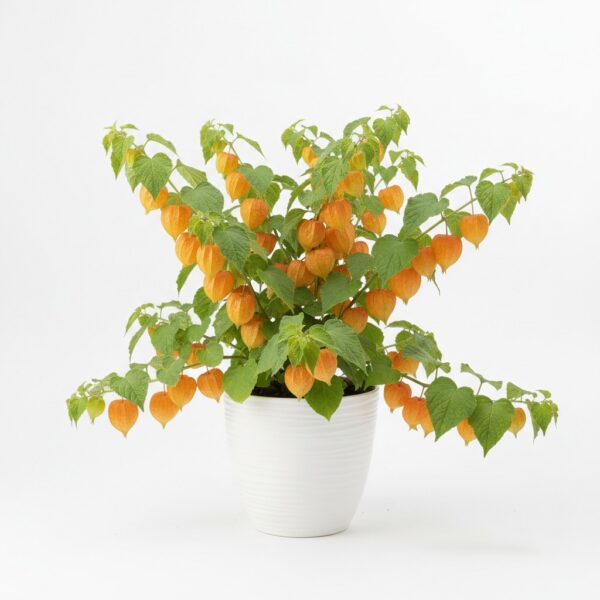
Ground Cherry
Physalis peruviana
Physalis peruviana, commonly known as Cape Gooseberry or Goldenberry, is a sprawling herbaceous plant typically grown as an annual. It reaches about 1-2 meters in height and produces small, globe-shaped fruits enclosed in a papery husk. The plant has heart-shaped leaves and small, bell-shaped yellow flowers. While it can be grown indoors, it requires very bright light and ample space to thrive and produce fruit. It is primarily cultivated for its edible berries, which have a sweet and slightly tart flavor, and are used in jams, desserts, and salads. People grow it for its unique fruit and ornamental value.

Pansy Orchid
Miltoniopsis spp.
Miltoniopsis, commonly called Pansy Orchids, are epiphytic orchids known for their large, showy flowers resembling pansies. They are native to the cloud forests of Central and South America. These orchids feature flattened pseudobulbs, from which long, narrow leaves emerge. The flowers are typically fragrant and come in a variety of colors, including white, pink, red, and yellow, often with contrasting markings. They are popular among orchid enthusiasts for their beauty and relatively easy care compared to some other orchid species. They are often grown in pots or mounted on slabs.
Quick Plant Comparison
| Feature | Ground Cherry | Pansy Orchid |
|---|---|---|
| Light | Full sun (at least 6-8 hours of direct sunlight daily) | Bright, indirect light. Avoid direct sunlight, which can scorch the leaves. |
| Watering | Every 2-5 days, depending on environmental conditions and pot size. Check soil moisture regularly. | Every 5-7 days, depending on humidity and temperature. |
| Humidity | 40-60% | 50-70% |
| Temperature | 18-24°C | 18-24°C |
| Care Level | Expert | Moderate |
| Growth Rate | Fast | Moderate |
| Max Height | 0.5-1 meter indoors (significantly smaller than outdoors) | 30-60 cm |
| Pet Safety | ❌ Toxic To Pets | ✅ Safe |
| Soil | Well-draining loamy soil with a slightly acidic to neutral pH (6.0-7.0) | Well-draining orchid mix, such as bark, perlite, and sphagnum moss. |
| Beginner Friendly | ❌ No | With Caution |
| Weekly Maintenance | 30 minutes weekly | 15 minutes weekly |
🔬 Botanical Information — Comparing These Plants
Ground Cherry
| Scientific Name | Physalis peruviana |
|---|---|
| Family | Solanaceae |
| Native To | South America (likely Peru and Chile) |
| Also Known As | Cape Gooseberry, Goldenberry, Poha Berry, Peruvian Groundcherry |
| Leaves | Heart-shaped leaves with slightly serrated edges. They are typically 6-15 cm long and 4-10 cm wide, with a slightly fuzzy texture and a medium green color. |
| Flowers | It can flower indoors with sufficient light. The flowers are small, bell-shaped, and yellow with purple-brown spots in the throat. They are self-pollinating, but hand-pollination can improve fruit set indoors. |
Pansy Orchid
| Scientific Name | Miltoniopsis spp. |
|---|---|
| Family | Orchidaceae |
| Native To | Colombia, Costa Rica, Ecuador, Panama, Venezuela |
| Also Known As | Pansy Orchid, Miltonia Orchid (often incorrectly) |
| Leaves | The leaves are long, narrow, and strap-like, typically 15-30 cm long and 2-4 cm wide. They are a medium green color and have a smooth, slightly glossy texture. The leaves emerge from the top of the pseudobulbs. |
| Flowers | Miltoniopsis orchids can flower indoors under the right conditions. The flowers are large, showy, and pansy-like, ranging from 5-10 cm in diameter. They come in various colors, including white, pink, red, yellow, and combinations thereof, often with contrasting markings. The flowers are often fragrant. |
📏 Size & Growth — Plant Comparison
Ground Cherry
Pansy Orchid
🌱 Propagation — Comparing Plant Growth
Ground Cherry
Methods: Seed, Stem cuttings
Difficulty: Easy
Tips: For seeds, sow indoors 6-8 weeks before the last expected frost. For stem cuttings, take 4-6 inch cuttings and root them in water or moist soil.
Pansy Orchid
Methods: Division
Difficulty: Moderate
Tips: Divide the plant when repotting, ensuring each division has at least three pseudobulbs. Allow cut surfaces to callous over before potting.
✨ Benefits & Features — Comparing Plant Value
Ground Cherry
The fruit is enclosed in a papery husk, which is derived from the calyx of the flower. The fruit has a distinctive sweet and slightly tart flavor, often described as a combination of pineapple and tomato.
- ✓ Provides fresh, unique fruit.
- ✓ Offers an interesting ornamental display with its papery husks.
- ✓ Can be a rewarding challenge for experienced gardeners.
- ✓ Supports local food production.
- ✓ Adds a touch of the exotic to your indoor garden.
- ⚠️ Toxic to pets
Pansy Orchid
The flowers of Miltoniopsis orchids closely resemble pansies, with flat, open faces and vibrant colors. They are known for their delicate fragrance, which varies depending on the species and cultivar.
- ✓ Aesthetically pleasing flowers enhance room decor.
- ✓ Fragrant blooms provide a pleasant scent.
- ✓ Growing orchids can be a rewarding hobby.
- ✓ Offers a touch of the tropics indoors.
- ✓ Can improve mood and reduce stress.
- 🐾 Pet Safe
📅 Maintenance Schedule — Plant Care Comparison
Ground Cherry
Pansy Orchid
🌞 Light Requirements
Ground Cherry
Full sun (at least 6-8 hours of direct sunlight daily)
Low light tolerant: ❌ No
Pansy Orchid
Bright, indirect light. Avoid direct sunlight, which can scorch the leaves.
Low light tolerant: ❌ No
💧 Watering Needs
Ground Cherry
Water thoroughly when the top inch of soil feels dry to the touch. Avoid overwatering, which can lead to root rot. Ensure good drainage. Signs of underwatering include wilting leaves and dry soil. Overwatering symptoms include yellowing leaves and soggy soil.
Pansy Orchid
Water thoroughly when the potting mix is almost dry, allowing excess water to drain away. Overwatering can lead to root rot. Signs of underwatering include shriveled pseudobulbs and limp leaves. Signs of overwatering include yellowing leaves and a mushy potting mix.
🌡️ Temperature & Humidity
Ground Cherry
Temperature: 18-24°C
Humidity: 40-60%
Pansy Orchid
Temperature: 18-24°C
Humidity: 50-70%
🤔 Which Plant Is Right For You?
Ground Cherry
Physalis peruvianaExperienced gardeners who want to grow a unique fruit indoors with supplemental lighting and careful monitoring.
✅ Choose This Plant If...
- You enjoy a challenge and have experience growing fruiting plants indoors.
- You have access to very bright, direct sunlight or grow lights.
- You are looking for a unique and flavorful fruit to grow at home.
- You are interested in the ornamental value of the plant's papery husks.
- You are willing to dedicate time to hand-pollinating the flowers if needed.
❌ Skip This Plant If...
- You have limited sunlight in your home.
- You are a beginner gardener.
- You have pets that might ingest the plant.
- You don't have time for regular pruning and pest control.
- You expect easy and abundant fruit production indoors.
Pansy Orchid
Miltoniopsis spp.Experienced plant enthusiasts who can provide the specific environmental conditions required for optimal growth and flowering.
✅ Choose This Plant If...
- You appreciate orchids with unique, pansy-like flowers.
- You can provide bright, indirect light and high humidity.
- You enjoy a plant that offers beautiful blooms.
- You are willing to monitor watering carefully to prevent root rot.
- You want a fragrant addition to your indoor plant collection.
❌ Skip This Plant If...
- You struggle to maintain high humidity levels in your home.
- You tend to overwater plants.
- You are looking for a very low-maintenance plant.
- You don't have a bright, indirect light source.
🎯 Quick Verdict
⚡ Key Differences Between These Plants
Ground Cherry is rated Expert care level, while Pansy Orchid is Moderate.
Ground Cherry has fast growth, while Pansy Orchid grows moderate.
💡 Pro Tips For Comparing These Plants
Ground Cherry Care Tips
Ground Cherry is primarily an outdoor plant and requires very specific conditions to thrive indoors. It needs intense sunlight, consistent watering, and proper fertilization to produce fruit. Indoor growing is challenging due to the high light requirements and potential for pest infestations. It's best suited for experienced gardeners.
- Provide at least 6-8 hours of direct sunlight daily, supplementing with grow lights if necessary.
- Water deeply when the top inch of soil is dry, ensuring good drainage.
- Fertilize regularly during the growing season with a balanced liquid fertilizer.
- Hand-pollinate the flowers if you're not seeing fruit production.
- Monitor for pests and diseases regularly, and treat promptly.
Pansy Orchid Care Tips
Pansy Orchids require bright, indirect light, high humidity, and well-draining potting mix. Maintaining consistent moisture without overwatering is crucial. Providing adequate humidity can be challenging in dry indoor environments. Regular fertilization during the growing season promotes flowering.
- Use rainwater or distilled water to avoid mineral buildup.
- Provide good air circulation to prevent fungal diseases.
- Maintain consistent temperatures to encourage flowering.
- Avoid placing near drafts or heating vents.
- Monitor for pests regularly and treat promptly.
⚠️ Common Problems & Solutions — Plant Care Comparison
Ground Cherry
Pansy Orchid
❓ Frequently Asked Questions — Comparing These Plants
Ground Cherry
What are the light requirements for Ground Cherry?
Ground cherries demand ample sunlight to flourish and produce a generous yield of fruit. Aim for at least 6-8 hours of direct sunlight daily. A south-facing location is ideal, providing the most intense light exposure. If growing indoors, supplement with grow lights to ensure adequate illumination. Insufficient light can result in leggy growth, reduced flowering, and smaller, less flavorful fruit. Rotate the plant regularly to ensure even light exposure on all sides. Monitor the plant’s growth and adjust its position as needed to maximize light absorption. Proper light is crucial for the plant’s overall health and productivity.
How do I care for Ground Cherry?
Ground cherries thrive in well-draining soil and require full sun for optimal fruit production. Water deeply but infrequently, allowing the soil to dry slightly between waterings. Fertilize regularly with a balanced fertilizer during the growing season to encourage abundant blooms and fruit. Prune as needed to maintain shape and remove any dead or damaged foliage. Provide support for the plant as it grows, especially when laden with fruit. Monitor for pests and diseases, addressing any issues promptly. Harvest the fruits when they fall from the plant, indicating ripeness. Maintain consistent care to enjoy a bountiful harvest of these delightful fruits. Ensure adequate air circulation to prevent fungal diseases.
How do I propagate Ground Cherry?
Ground cherries can be propagated from seeds or stem cuttings. For seeds, sow them indoors 6-8 weeks before the last frost. For stem cuttings, take 4-6 inch cuttings from healthy stems, remove the lower leaves, and place them in water or well-draining soil until roots develop. Once rooted, transplant into individual pots. Division is less common but possible with established plants; carefully separate the root ball in spring. Ensure each division has healthy roots and foliage. Replant in well-draining soil and water thoroughly. Provide adequate light and moisture to encourage new growth. Proper sanitation is crucial to prevent fungal diseases.
Pansy Orchid
What are the light requirements for Pansy Orchid?
Pansy Orchids need bright, indirect light to thrive. Direct sunlight can cause leaf burn, so avoid placing them in south-facing windows unless shielded by a sheer curtain. East- or west-facing windows are generally ideal, providing ample light without the harshness of direct sun. If natural light is insufficient, supplement with grow lights. Position the plant 6-12 inches away from a fluorescent or LED grow light. Observe the leaves for signs of too much or too little light. Yellowing or scorching indicates too much light, while dark green, weak leaves suggest insufficient light. Rotate the plant regularly to ensure even light exposure on all sides.
How do I care for Pansy Orchid?
Pansy Orchids thrive in bright, indirect light. Avoid direct sunlight, which can scorch their leaves. Water thoroughly when the potting mix is almost dry, allowing excess water to drain away. Use tepid water to avoid shocking the roots. Maintain high humidity levels, ideally between 50-70%, by using a humidifier or placing the plant on a pebble tray filled with water. Fertilize regularly during the growing season (spring and summer) with a balanced orchid fertilizer diluted to half strength, every 2-4 weeks. Reduce watering and fertilization in the fall and winter. Repot every 1-2 years in a well-draining orchid mix. Maintain temperatures between 60-75°F (15-24°C). Ensure good air circulation to prevent fungal diseases. Prune spent flower spikes to encourage new growth. Monitor for pests such as mealybugs and spider mites, and treat promptly with insecticidal soap or neem oil. Provide a slight temperature drop at night (around 10°F or 5°C) to encourage blooming.
How do I propagate Pansy Orchid?
Pansy Orchids can be propagated through division, stem cuttings (less common), and keiki (aerial plantlets) separation. For division, carefully separate the plant into two or more sections, ensuring each section has healthy roots and leaves. Repot each section in fresh orchid mix. For keiki propagation, wait until the keiki has developed roots at least 2-3 inches long. Carefully remove the keiki from the mother plant and pot it in a small container with orchid mix. Maintain high humidity and bright, indirect light. Stem cuttings are not typically successful. Monitor the new plants for signs of growth and adjust care accordingly. Propagation is best done in the spring or early summer. Ensure sterile tools to prevent infection.
Last updated: May 5, 2026 — Plant care data reviewed and verified by our editorial team.