
Ground Cherry vs Old Man's Beard
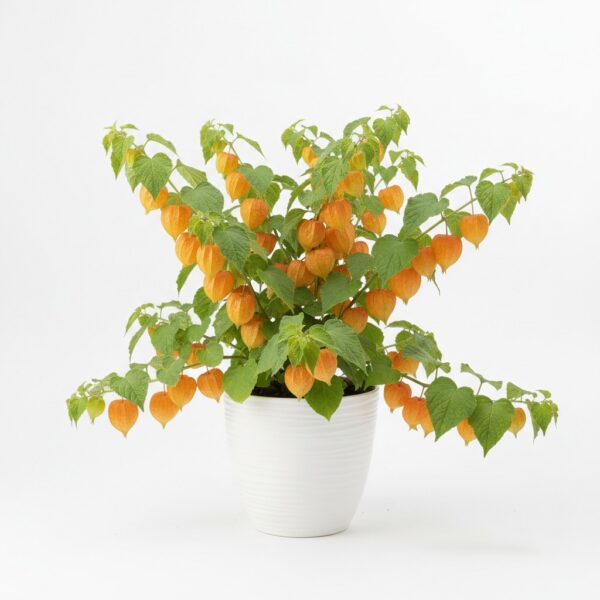
Ground Cherry
Physalis peruviana
Physalis peruviana, commonly known as Cape Gooseberry or Goldenberry, is a sprawling herbaceous plant typically grown as an annual. It reaches about 1-2 meters in height and produces small, globe-shaped fruits enclosed in a papery husk. The plant has heart-shaped leaves and small, bell-shaped yellow flowers. While it can be grown indoors, it requires very bright light and ample space to thrive and produce fruit. It is primarily cultivated for its edible berries, which have a sweet and slightly tart flavor, and are used in jams, desserts, and salads. People grow it for its unique fruit and ornamental value.

Old Man's Beard
Usnea spp.
Old Man's Beard is a lichen, not a plant. It's a symbiotic relationship between a fungus and an alga or cyanobacterium. It appears as stringy, hair-like strands hanging from trees and shrubs. Its color ranges from pale green to grayish-green. It thrives in humid environments with clean air. People collect it for its purported medicinal properties and decorative uses. It is primarily an outdoor organism and cannot be successfully grown indoors.
Quick Comparison
| Feature | Ground Cherry | Old Man's Beard |
|---|---|---|
| Watering | Every 2-5 days, depending on environmental conditions and pot size. Check soil moisture regularly. | Dependent on environmental humidity; mist when dry |
| Humidity | 40-60% | 60-90% |
| Care Level | Expert | Expert |
| Growth Rate | Fast | Slow |
| Pet Safety | ❌ Toxic To Pets | ✅ Safe |
🔬 Botanical Information
Ground Cherry
| Scientific Name | Physalis peruviana |
|---|---|
| Family | Solanaceae |
| Native To | South America (likely Peru and Chile) |
| Also Known As | Cape Gooseberry, Goldenberry, Poha Berry, Peruvian Groundcherry |
Old Man's Beard
| Scientific Name | Usnea spp. |
|---|---|
| Family | Parmeliaceae |
| Native To | Worldwide, various species have different distributions |
| Also Known As | Old Man's Beard, Tree Moss, Beard Lichen |
📏 Size & Growth Comparison
Ground Cherry
Old Man's Beard
🌱 Propagation Comparison
Ground Cherry
Methods: Seed, Stem cuttings
Difficulty: Easy
Tips: For seeds, sow indoors 6-8 weeks before the last expected frost. For stem cuttings, take 4-6 inch cuttings and root them in water or moist soil.
Old Man's Beard
Methods: Fragmentation (pieces breaking off and attaching to new surfaces).
Difficulty: Moderate
Tips: Ensure high humidity and a suitable substrate (tree bark). Success is not guaranteed.
📅 Maintenance Schedule
Ground Cherry
Old Man's Beard
🤔 Which Plant Is Right For You?
Ground Cherry
Physalis peruvianaExperienced gardeners who want to grow a unique fruit indoors with supplemental lighting and careful monitoring.
Old Man's Beard
Usnea spp.Outdoor environments with high humidity and clean air.
🎯 Quick Verdict
⚡ Key Differences At A Glance
Ground Cherry needs full sun (at least 6-8 hours of direct sunlight daily) light, while Old Man's Beard prefers bright, indirect light outdoors. full sun can scorch it in dry conditions. light.
Ground Cherry requires water thoroughly when the top inch of soil feels dry to the touch. avoid overwatering, which can lead to root rot. ensure good drainage. signs of underwatering include wilting leaves and dry soil. overwatering symptoms include yellowing leaves and soggy soil. watering, compared to requires high humidity and moisture. in dry climates, misting may be necessary, but it primarily obtains moisture from the air. for Old Man's Beard.
Ground Cherry has fast growth, while Old Man's Beard grows slow.
💡 Pro Tips For Each Plant
Ground Cherry Care Tips
Ground Cherry is primarily an outdoor plant and requires very specific conditions to thrive indoors. It needs intense sunlight, consistent watering, and proper fertilization to produce fruit. Indoor growing is challenging due to the high light requirements and potential for pest infestations. It's best suited for experienced gardeners.
Old Man's Beard Care Tips
Old Man's Beard is an outdoor lichen that is extremely difficult to cultivate indoors. It requires very high humidity, clean air, and specific lighting conditions. It is not a suitable houseplant and will likely die indoors.