
Gravel Root vs Hardy Kiwi Plant Comparison
Compare these two plants side by side — care needs, key differences, and which is right for your home.

Gravel Root
Eupatorium purpureum
Gravel Root (Eupatorium purpureum) is a tall, herbaceous perennial wildflower native to North America. It typically grows to a height of 4-7 feet. It features sturdy, upright stems and large, lance-shaped leaves arranged in whorls. In late summer to early fall, it produces large, dome-shaped clusters of tiny, purplish-pink flowers. It is primarily an outdoor plant, valued for its late-season blooms and ability to attract pollinators. People grow it in gardens and naturalized areas for its ornamental value and ecological benefits.
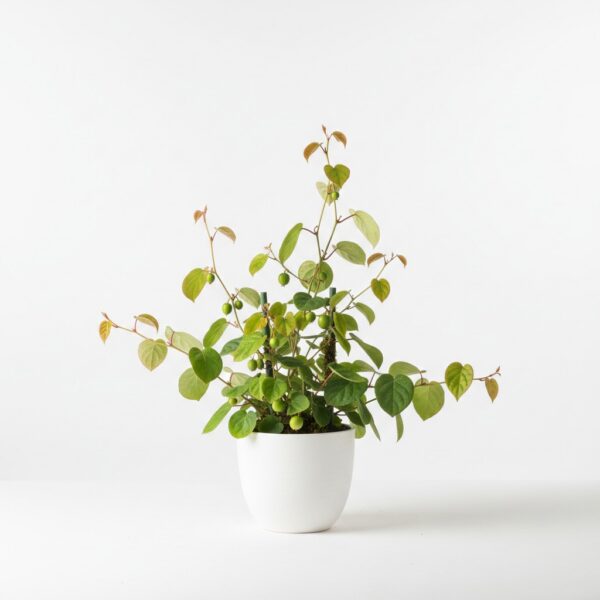
Hardy Kiwi
Actinidia arguta
Hardy kiwi is a vigorous, deciduous, twining vine that can grow up to 40 feet long. It is primarily an outdoor plant, grown for its edible, grape-sized fruits that resemble miniature kiwis. The vine features attractive foliage and can be used to cover arbors, fences, or walls. While it can be grown in containers, it requires significant space and support for its extensive growth. Indoor cultivation is challenging due to its high light and chilling requirements.
Quick Plant Comparison
| Feature | Gravel Root | Hardy Kiwi |
|---|---|---|
| Light | Full sun to partial shade | Full sun (at least 6-8 hours of direct sunlight daily) |
| Watering | Every 7-10 days, depending on weather and soil conditions | 2-3 times per week during the growing season, less frequently during dormancy |
| Humidity | 30-50% | 40-60% |
| Temperature | 15-27°C | 10-24°C |
| Care Level | Expert | Expert |
| Growth Rate | Moderate | Fast |
| Max Height | N/A (primarily an outdoor plant) | Not applicable indoors, typically 12-18 meters outdoors |
| Pet Safety | ❌ Toxic To Pets | ✅ Safe |
| Soil | Well-drained soil, tolerates a range of soil types including clay, loam, and sand | Well-draining, fertile soil with a slightly acidic to neutral pH (6.0-7.0) |
| Beginner Friendly | ❌ No | ❌ No |
| Weekly Maintenance | 10 minutes weekly (weeding, watering) | 30-60 minutes weekly during the growing season, primarily for pruning and training. |
🔬 Botanical Information — Comparing These Plants
Gravel Root
| Scientific Name | Eupatorium purpureum |
|---|---|
| Family | Asteraceae |
| Native To | Eastern and Central North America |
| Also Known As | Gravel Root, Joe-Pye Weed, Queen-of-the-Meadow, Kidney Root |
| Leaves | Large, lance-shaped leaves arranged in whorls along the stems. The leaves are typically dark green and have a slightly rough texture. |
| Flowers | Produces large, dome-shaped clusters of tiny, purplish-pink flowers in late summer to early fall. Rarely flowers indoors. |
Hardy Kiwi
| Scientific Name | Actinidia arguta |
|---|---|
| Family | Actinidiaceae |
| Native To | Native to Japan, Korea, Northern China, and the Russian Far East |
| Also Known As | Hardy Kiwi, Kiwi Berry, Tara Vine, Dessert Kiwi |
| Leaves | The leaves are oval to oblong in shape, typically 3-5 inches long, with serrated edges. They are a vibrant green color and have a slightly leathery texture. |
| Flowers | Hardy kiwi produces small, fragrant, white flowers in late spring or early summer. Flowering is necessary for fruit production, but indoor flowering is unlikely. |
📏 Size & Growth — Plant Comparison
Gravel Root
Hardy Kiwi
🌱 Propagation — Comparing Plant Growth
Gravel Root
Methods: Seed, Division, Root cuttings
Difficulty: Moderate
Tips: Sow seeds in fall or early spring. Divide established clumps in spring or fall. Root cuttings can be taken in late fall or early winter.
Hardy Kiwi
Methods: Stem cuttings, layering, seed
Difficulty: Moderate
Tips: Take semi-hardwood cuttings in summer or hardwood cuttings in winter. Rooting hormone can improve success. Layering is also a reliable method.
✨ Benefits & Features — Comparing Plant Value
Gravel Root
Its tall stature and large flower heads make it a striking addition to the late-season garden. It is also a valuable plant for supporting pollinator populations.
- ✓ Attracts pollinators
- ✓ Provides late-season color
- ✓ Deer resistant
- ✓ Low maintenance once established
- ✓ Supports biodiversity
- ⚠️ Toxic to pets
Hardy Kiwi
Hardy kiwi produces small, smooth-skinned fruits that can be eaten whole, unlike the fuzzy skin of regular kiwis. It is also more cold-hardy than regular kiwi, making it suitable for growing in colder climates.
- ✓ Provides fresh, homegrown fruit.
- ✓ Adds visual interest to the landscape.
- ✓ Can provide shade and privacy when grown on a structure.
- ✓ Fruits are rich in Vitamin C and antioxidants.
- ✓ Offers a rewarding gardening experience.
- 🐾 Pet Safe
📅 Maintenance Schedule — Plant Care Comparison
Gravel Root
Hardy Kiwi
🌞 Light Requirements
Gravel Root
Full sun to partial shade
Low light tolerant: ❌ No
Hardy Kiwi
Full sun (at least 6-8 hours of direct sunlight daily)
Low light tolerant: ❌ No
💧 Watering Needs
Gravel Root
Water deeply when the top inch of soil feels dry. Avoid overwatering, which can lead to root rot. Established plants are relatively drought-tolerant. Signs of underwatering include wilting leaves. Signs of overwatering include yellowing leaves and soggy soil.
Hardy Kiwi
Water deeply and regularly, especially during dry periods. Established plants are relatively drought-tolerant, but consistent moisture promotes better fruit production. Avoid overwatering, which can lead to root rot. Check soil moisture before watering.
🌡️ Temperature & Humidity
Gravel Root
Temperature: 15-27°C
Humidity: 30-50%
Hardy Kiwi
Temperature: 10-24°C
Humidity: 40-60%
🤔 Which Plant Is Right For You?
Gravel Root
Eupatorium purpureumGardeners looking to attract pollinators and add late-season color to their landscape.
✅ Choose This Plant If...
- You want to attract butterflies and other pollinators to your garden.
- You need a tall plant for the back of a border.
- You want a plant that blooms in late summer and fall.
- You want a deer-resistant plant.
- You have a sunny location with well-drained soil.
❌ Skip This Plant If...
- You have pets that might ingest it.
- You don't have a sunny outdoor space.
- You are looking for an indoor plant.
Hardy Kiwi
Actinidia argutaExperienced gardeners with outdoor space who want to grow their own fruit.
✅ Choose This Plant If...
- You have a large outdoor space to accommodate its vigorous growth.
- You want to grow your own delicious and nutritious kiwi berries.
- You are looking for a vine to cover an arbor, fence, or wall.
- You live in a climate with sufficient chilling hours for fruit production.
- You are an experienced gardener willing to provide the necessary care.
❌ Skip This Plant If...
- You have limited space, especially indoors.
- You cannot provide full sun exposure.
- You live in a climate that is too warm for adequate chilling hours.
- You are a beginner gardener.
- You are not prepared for the extensive pruning required.
🎯 Quick Verdict
⚡ Key Differences Between These Plants
Gravel Root needs full sun to partial shade, while Hardy Kiwi prefers full sun (at least 6-8 hours of direct sunlight daily).
Gravel Root has moderate growth, while Hardy Kiwi grows fast.
💡 Pro Tips For Comparing These Plants
Gravel Root Care Tips
Gravel Root is primarily an outdoor plant and is challenging to grow indoors due to its need for full sun and space. It requires well-drained soil and regular watering. Indoor cultivation is not recommended.
- Plant in well-drained soil to prevent root rot.
- Provide full sun for best flowering.
- Deadhead spent flowers to encourage more blooms.
- Divide clumps every few years to maintain vigor.
- Monitor for pests and diseases and treat promptly.
Hardy Kiwi Care Tips
Hardy kiwi is primarily an outdoor plant requiring full sun, ample space, and a support structure. Indoor cultivation is extremely challenging due to the plant's need for a dormant chilling period and intense sunlight. Container growing outdoors is possible but requires frequent pruning and attention to watering and fertilization.
- Provide a strong support structure for the vine to climb.
- Ensure adequate chilling hours for fruit production by selecting a suitable variety for your climate.
- Prune regularly to manage growth and promote fruit production.
- Fertilize regularly during the growing season.
- Protect young plants from frost damage.
⚠️ Common Problems & Solutions — Plant Care Comparison
Gravel Root
Hardy Kiwi
❓ Frequently Asked Questions — Comparing These Plants
Gravel Root
What are the light requirements for Gravel Root?
Gravel Root flourishes in full sun, requiring at least 6 hours of direct sunlight per day. However, it can also tolerate partial shade, especially during the hottest part of the afternoon. In shadier conditions, the plant may produce fewer flowers and become leggy as it stretches towards the light. When planting, choose a location that receives ample sunlight throughout the day.
How do I care for Gravel Root?
Gravel Root thrives in moist, well-draining soil and prefers full sun to partial shade, ideally at least 6 hours of direct sunlight daily. Water regularly, especially during dry periods, keeping the soil consistently moist but not waterlogged. Fertilize in early spring with a balanced fertilizer to promote healthy growth and abundant blooms. Deadhead spent flowers to encourage further flowering and prevent self-seeding if desired.
How do I propagate Gravel Root?
Gravel Root can be propagated through division, stem cuttings, or seeds. For division, carefully dig up the plant in early spring or fall and separate the root ball into smaller clumps, ensuring each clump has healthy roots and shoots. Replant the divisions in well-prepared soil. For stem cuttings, take 4-6 inch cuttings from new growth in late spring or early summer. Remove the lower leaves and dip the cut end in rooting hormone. Plant the cuttings in moist potting mix and keep them humid until rooted. Seed propagation involves sowing seeds in spring or fall and keeping them moist until germination. Seeds may require stratification (cold treatment) for optimal germination.
Hardy Kiwi
What are the light requirements for Hardy Kiwi?
Hardy Kiwi requires at least 6-8 hours of direct sunlight per day for optimal growth and fruit production. While it can tolerate partial shade, insufficient sunlight can lead to reduced fruit yield and weaker vine growth. Choose a planting location that receives full sun, especially during the morning and early afternoon hours. If growing indoors (though not ideal for mature plants), place near a south-facing window. Rotate potted plants regularly to ensure even light exposure. Insufficient light can result in leggy growth and poor fruit development. Young plants benefit from some afternoon shade to prevent leaf scorch, especially in hot climates.
How do I care for Hardy Kiwi?
Hardy Kiwi thrives in well-drained soil and full to partial sunlight. Plant in a location with a sturdy support structure like a trellis or fence, as the vines can become quite heavy. Water regularly, especially during dry periods, ensuring the soil remains consistently moist but not waterlogged. Fertilize in early spring with a balanced fertilizer to promote healthy growth and fruit production. Prune annually in late winter or early spring to remove dead or overcrowded growth and to encourage fruit production on new wood. Protect young plants from frost during their first few winters. Monitor for pests and diseases, and treat promptly if necessary. Provide adequate spacing between plants to allow for proper air circulation. Regular training of the vines onto the support structure is important.
How do I propagate Hardy Kiwi?
Hardy Kiwi can be propagated through stem cuttings or layering. For stem cuttings, take 6-8 inch cuttings from healthy, mature vines in late winter or early spring. Remove the lower leaves and dip the cut end in rooting hormone. Plant the cuttings in a well-draining potting mix and keep them moist. Roots should develop in 4-6 weeks. For layering, bend a low-growing vine to the ground and bury a section of the stem in soil. Secure the stem with a rock or landscape pin. Keep the soil moist. Roots should develop in several weeks. Once rooted, sever the layered stem from the parent plant and transplant it to a new location. Both methods require patience and a controlled environment.
Last updated: April 29, 2026 — Plant care data reviewed and verified by our editorial team.