
Grape Ivy vs Monstera Adansonii Plant Comparison
Compare these two plants side by side — care needs, key differences, and which is right for your home.
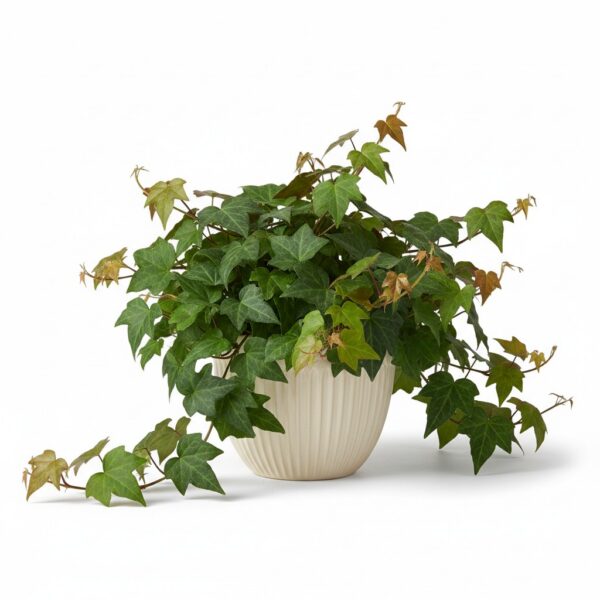
Grape Ivy
Cissus rhombifolia
Cissus rhombifolia, commonly known as Grape Ivy, is a vigorous, evergreen vine often grown for its attractive foliage. It features compound leaves, typically with three diamond-shaped leaflets, giving it a grape-like appearance. While it can be grown indoors, it thrives best in bright, indirect light and high humidity. Outdoors, it can become quite expansive. People grow it for its lush, green foliage and its ability to climb or trail, making it suitable for hanging baskets or as a climbing plant on trellises. It's not a true ivy, but its growth habit and leaf shape give it a similar aesthetic.

Monstera Adansonii
Monstera adansonii
Monstera adansonii is a hemiepiphytic vine characterized by its distinctive fenestrations (holes) in its leaves. It is a popular houseplant due to its unique appearance and relatively easy care. In its natural habitat, it climbs trees using aerial roots. The plant's leaves are ovate to oblong, and the holes develop as the plant matures. It is primarily grown for its foliage, as flowering is rare indoors. People grow it for its aesthetic appeal, adding a touch of the tropics to their homes.
Quick Plant Comparison
| Feature | Grape Ivy | Monstera Adansonii |
|---|---|---|
| Light | Bright, indirect light. Avoid direct sunlight, which can scorch the leaves. | Bright, indirect light. Avoid direct sunlight, which can scorch the leaves. |
| Watering | Every 7-10 days, depending on environmental conditions | Every 7-10 days, depending on environmental conditions |
| Humidity | 50-70% | 60-80% |
| Temperature | 18-24°C | 18-24°C |
| Care Level | Moderate | Easy |
| Growth Rate | Moderate | Moderate |
| Max Height | 1-2 meters indoors | 1-4 meters (indoors, with support) |
| Pet Safety | ❌ Toxic To Pets | ❌ Toxic To Pets |
| Soil | Well-draining potting mix, such as a mix of peat moss, perlite, and vermiculite. | Well-draining potting mix, such as a mix of peat moss, perlite, and vermiculite |
| Beginner Friendly | With Caution | ✅ Yes |
| Weekly Maintenance | 10 minutes weekly | 10 minutes weekly |
🔬 Botanical Information — Comparing These Plants
Grape Ivy
| Scientific Name | Cissus rhombifolia |
|---|---|
| Family | Vitaceae |
| Native To | South America (Venezuela, Bolivia, Peru) |
| Also Known As | Grape Ivy, Venezuela Grape Ivy |
| Leaves | The leaves of Grape Ivy are compound, typically with three diamond-shaped leaflets. The leaflets are glossy green and have slightly serrated edges. They are typically 5-10 cm long. |
| Flowers | Grape Ivy rarely flowers indoors. When it does flower, the blooms are small, inconspicuous, and greenish-white. |
Monstera Adansonii
| Scientific Name | Monstera adansonii |
|---|---|
| Family | Araceae |
| Native To | Central and South America, particularly from Mexico to Brazil |
| Also Known As | Swiss Cheese Vine, Adanson's Monstera, Five Holes Plant |
| Leaves | The leaves are ovate to oblong, typically 10-25 cm long. They are a vibrant green color and develop characteristic holes (fenestrations) as they mature. The texture is smooth and slightly glossy. |
| Flowers | Flowering is rare indoors. When it does flower, it produces a spadix and spathe, similar to other members of the Araceae family, but the flowers are not particularly showy. |
📏 Size & Growth — Plant Comparison
Grape Ivy
Monstera Adansonii
🌱 Propagation — Comparing Plant Growth
Grape Ivy
Methods: Stem cuttings
Difficulty: Easy
Tips: Take stem cuttings with at least two nodes. Place the cuttings in water or directly into moist potting mix. Keep the soil consistently moist until roots develop.
Monstera Adansonii
Methods: Stem cuttings, Air layering
Difficulty: Easy
Tips: Take stem cuttings with at least one node and place them in water or directly into moist potting mix. Keep the cuttings in a warm, humid environment.
✨ Benefits & Features — Comparing Plant Value
Grape Ivy
Grape Ivy is known for its attractive, compound leaves that resemble grape leaves. It's a versatile plant that can be grown in hanging baskets, trained to climb, or used as a ground cover.
- ✓ Adds a touch of greenery to indoor spaces.
- ✓ Can improve indoor air quality (though not a significant air purifier).
- ✓ Provides a calming and relaxing atmosphere.
- ✓ Can be used to create a living wall or vertical garden.
- ✓ Relatively easy to propagate.
- ⚠️ Toxic to pets
Monstera Adansonii
The distinctive holes in the leaves (fenestrations) are its most recognizable feature. The plant's vining growth habit allows for versatile display options, either trailing from a hanging basket or climbing a support.
- ✓ Adds a touch of the tropics to any space.
- ✓ Relatively easy to care for, even for beginners.
- ✓ Unique and visually appealing foliage.
- ✓ Can be trained to climb or trail, offering versatility in display.
- ✓ May help to improve indoor air quality (though not significantly).
- ⚠️ Toxic to pets
📅 Maintenance Schedule — Plant Care Comparison
Grape Ivy
Monstera Adansonii
🌞 Light Requirements
Grape Ivy
Bright, indirect light. Avoid direct sunlight, which can scorch the leaves.
Low light tolerant: ✅ Yes
Monstera Adansonii
Bright, indirect light. Avoid direct sunlight, which can scorch the leaves.
Low light tolerant: ✅ Yes
💧 Watering Needs
Grape Ivy
Water thoroughly when the top inch of soil feels dry. Ensure good drainage to prevent root rot. Overwatering can lead to yellowing leaves and root rot. Underwatering will cause the leaves to droop and become crispy.
Monstera Adansonii
Water thoroughly when the top inch of soil feels dry. Ensure good drainage to prevent root rot. Overwatering can lead to yellowing leaves and root rot, while underwatering can cause the leaves to droop and become crispy.
🌡️ Temperature & Humidity
Grape Ivy
Temperature: 18-24°C
Humidity: 50-70%
Monstera Adansonii
Temperature: 18-24°C
Humidity: 60-80%
🤔 Which Plant Is Right For You?
Grape Ivy
Cissus rhombifoliaSomeone who wants a trailing or climbing plant with attractive foliage and is willing to provide bright, indirect light and moderate humidity.
✅ Choose This Plant If...
- You want a plant that can be trained to climb or trail.
- You appreciate lush, green foliage.
- You can provide bright, indirect light.
- You are willing to provide moderate humidity.
- You enjoy propagating plants from cuttings.
❌ Skip This Plant If...
- You have pets that might ingest the plant.
- You cannot provide bright, indirect light.
- You tend to overwater plants.
Monstera Adansonii
Monstera adansoniiPlant enthusiasts who want a visually striking and relatively low-maintenance plant.
✅ Choose This Plant If...
- You love the unique look of the fenestrated leaves.
- You want a relatively easy-to-care-for vining plant.
- You have a bright, indirect light location.
- You want to add a tropical touch to your home.
- You are willing to provide a climbing support.
❌ Skip This Plant If...
- You have pets that are prone to chewing on plants.
- You struggle to maintain high humidity levels.
- You tend to overwater your plants.
🎯 Quick Verdict
⚡ Key Differences Between These Plants
Grape Ivy is rated Moderate care level, while Monstera Adansonii is Easy.
💡 Pro Tips For Comparing These Plants
Grape Ivy Care Tips
Grape Ivy is relatively easy to care for, but requires bright, indirect light and consistent moisture. It can be prone to pests like spider mites. Regular pruning helps maintain its shape and encourages bushier growth. Provide adequate humidity, especially in dry indoor environments.
- Provide a trellis or support for climbing.
- Mist the leaves regularly to increase humidity.
- Rotate the plant regularly to ensure even growth.
- Check for pests regularly and treat promptly.
- Avoid placing the plant near drafts or heating vents.
Monstera Adansonii Care Tips
Monstera adansonii is relatively easy to care for, thriving in bright, indirect light and well-draining soil. High humidity is beneficial. Regular watering and occasional fertilization will keep it healthy. Provide a support structure for climbing.
- Provide a moss pole or trellis for climbing to encourage larger leaves and a more natural growth habit.
- Mist the leaves regularly to increase humidity, especially in dry environments.
- Wipe the leaves occasionally to remove dust and allow for better light absorption.
- Rotate the plant regularly to ensure even growth on all sides.
- Avoid placing the plant near drafts or heating vents.
⚠️ Common Problems & Solutions — Plant Care Comparison
Grape Ivy
Monstera Adansonii
❓ Frequently Asked Questions — Comparing These Plants
Grape Ivy
What are the light requirements for Grape Ivy?
Grape Ivy prefers bright, indirect light. Direct sunlight can scorch its leaves, especially in the afternoon. An east-facing window is ideal, providing gentle morning light. A north-facing window can also work, although growth may be slower. If you place your Grape Ivy near a south- or west-facing window, be sure to filter the light with a sheer curtain. Insufficient light can lead to leggy growth and pale leaves. Rotate the plant regularly to ensure even light exposure on all sides. Artificial grow lights can supplement natural light, especially during the darker months. The ideal placement is a spot where the plant receives consistent, diffused light throughout the day.
How do I care for Grape Ivy?
Grape Ivy thrives in bright, indirect light, but can tolerate lower light conditions. Water thoroughly when the top inch of soil feels dry to the touch, allowing excess water to drain. Avoid overwatering, as this can lead to root rot. Maintain moderate humidity levels, especially during dry months, by misting the plant or using a humidifier. Fertilize every 4-6 weeks during the growing season (spring and summer) with a balanced liquid fertilizer diluted to half strength. Prune regularly to maintain desired shape and encourage bushier growth. Provide a support structure like a trellis or moss pole if you want it to climb. Repot every 1-2 years in spring, using a well-draining potting mix. Keep temperatures between 60-80°F (15-27°C). Watch out for pests like spider mites and mealybugs, and treat promptly.
How do I propagate Grape Ivy?
Grape Ivy is easily propagated through stem cuttings or layering. For stem cuttings, take a 4-6 inch cutting from a healthy stem, removing the lower leaves. Dip the cut end in rooting hormone and plant it in moist, well-draining potting mix. Keep the cutting in a warm, humid environment, such as under a plastic bag or humidity dome. Roots should develop in a few weeks. For layering, bend a long stem down to the soil and cover a section of it with soil, leaving the tip exposed. Keep the soil moist. Once roots have formed on the buried section, cut it from the mother plant and pot it separately. Both methods are best done in spring or early summer.
Monstera Adansonii
What are the light requirements for Monstera Adansonii?
Monstera Adansonii thrives in bright, indirect light. Direct sunlight can scorch the leaves, leading to unsightly burns. An east-facing window is often ideal, providing gentle morning light. A north-facing window can also work, but the plant may grow more slowly. If using a south or west-facing window, ensure the plant is positioned a few feet away or filtered by a sheer curtain.
How do I care for Monstera Adansonii?
Monstera Adansonii thrives in bright, indirect light; avoid direct sunlight to prevent leaf burn. Water when the top inch of soil feels dry to the touch, allowing excess water to drain freely. Maintain high humidity levels, ideally between 60-80%, through misting, a humidifier, or grouping with other plants. Use a well-draining potting mix, such as a blend of peat moss, perlite, and vermiculite.
How do I propagate Monstera Adansonii?
Monstera Adansonii is easily propagated through stem cuttings, division, or air layering. For stem cuttings, select a healthy stem with at least one node (where a leaf emerges). Cut just below the node and place the cutting in water or directly into moist potting mix. Keep the cutting in a warm, humid environment. Roots should develop within a few weeks.
Last updated: May 1, 2026 — Plant care data reviewed and verified by our editorial team.