
Gopher Plant vs Passionflower Plant Comparison
Compare these two plants side by side — care needs, key differences, and which is right for your home.
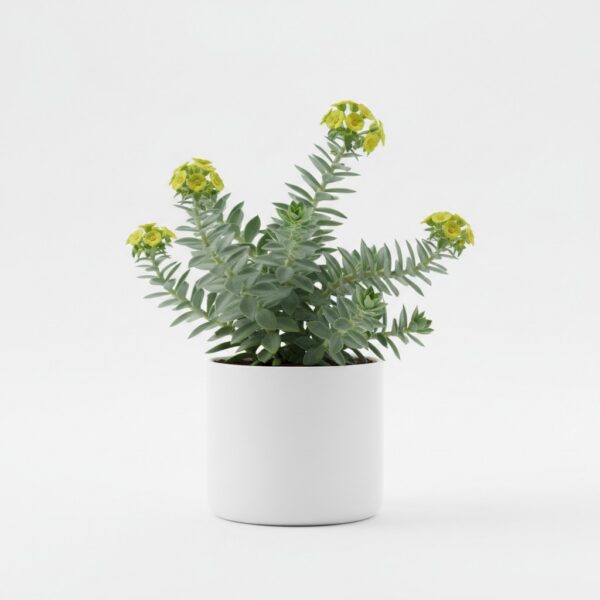
Gopher Plant
Euphorbia rigida
Euphorbia rigida, commonly known as Gopher Plant, is a succulent shrub characterized by its rigid, upright stems and bluish-gray, fleshy leaves. It typically grows to a height of 1-3 feet. The plant produces small, inconspicuous yellow flowers surrounded by showy bracts in spring. It is primarily an outdoor plant, valued for its architectural form and drought tolerance in xeriscaping. While some may attempt to grow it indoors, it requires very bright light and excellent drainage to thrive, making it challenging.

Passionflower
Passiflora incarnata
Passiflora incarnata, commonly known as purple passionflower, is a perennial climbing vine known for its intricate and beautiful flowers. It's primarily an outdoor plant, thriving in sunny locations where it can climb fences, trellises, or other structures. The plant produces edible fruit, though it's more commonly grown for its ornamental value and purported medicinal properties. Indoor cultivation is challenging due to its high light requirements and vining growth habit. People grow it for its unique flowers, potential health benefits, and to attract pollinators.
Quick Plant Comparison
| Feature | Gopher Plant | Passionflower |
|---|---|---|
| Light | Full sun to partial shade outdoors. Indoors, requires very bright, direct sunlight for at least 6 hours daily. | Full sun (at least 6 hours of direct sunlight daily) |
| Watering | Every 2-4 weeks, depending on environmental conditions and pot size. | Every 3-7 days, depending on weather and soil drainage |
| Humidity | 20-40% | 40-60% |
| Temperature | 15-27°C | 18-27°C |
| Care Level | Expert | Expert |
| Growth Rate | Moderate | Fast |
| Max Height | 0.3-0.9 meters (1-3 feet) indoors, potentially larger outdoors. | Outdoors: 1.5-3 meters. Indoors (unlikely to thrive): 0.5-1 meter |
| Pet Safety | ❌ Toxic To Pets | ❌ Toxic To Pets |
| Soil | Well-draining succulent mix (cactus mix) with added perlite or pumice. | Well-draining soil, such as a mix of potting soil, perlite, and compost |
| Beginner Friendly | ❌ No | ❌ No |
| Weekly Maintenance | 5 minutes weekly outdoors; 15 minutes weekly indoors (due to increased monitoring). | 30 minutes weekly (including pruning, watering, and pest control) |
🔬 Botanical Information — Comparing These Plants
Gopher Plant
| Scientific Name | Euphorbia rigida |
|---|---|
| Family | Euphorbiaceae |
| Native To | Mediterranean region (Southern Europe, North Africa, Middle East) |
| Also Known As | Gopher Plant, Silver Spurge, Upright Myrtle Spurge, Silver Milk Bush |
| Leaves | Fleshy, lance-shaped leaves that are bluish-gray in color. They are arranged spirally along the stems and have a waxy coating. |
| Flowers | Produces small, inconspicuous yellow flowers surrounded by showy yellow-green bracts in spring. Flowering is more likely outdoors in full sun. |
Passionflower
| Scientific Name | Passiflora incarnata |
|---|---|
| Family | Passifloraceae |
| Native To | Southeastern United States |
| Also Known As | Purple Passionflower, Maypop, True Passionflower |
| Leaves | The leaves are three-lobed, 10-15 cm long, and have serrated edges. They are a medium green color and have a smooth texture. |
| Flowers | It rarely flowers indoors due to insufficient light. Outdoors, the flowers are 5-10 cm in diameter with white or pink petals and a distinctive purple corona. They are fragrant and attract pollinators. |
📏 Size & Growth — Plant Comparison
Gopher Plant
Passionflower
🌱 Propagation — Comparing Plant Growth
Gopher Plant
Methods: Stem cuttings, Seed
Difficulty: Moderate
Tips: Allow cuttings to callous over for several days before planting in well-draining soil. Use gloves and eye protection when handling cuttings due to the toxic sap.
Passionflower
Methods: Stem cuttings, Seed, Root division
Difficulty: Moderate
Tips: Take stem cuttings in spring or summer. Root them in water or directly in soil. For seeds, scarify them and soak them in warm water before planting. Root division can be done in early spring.
✨ Benefits & Features — Comparing Plant Value
Gopher Plant
Euphorbia rigida is distinguished by its rigid, upright stems and bluish-gray foliage. The plant's drought tolerance and architectural form make it a popular choice for xeriscaping and Mediterranean-style gardens. The milky sap is a defining characteristic of the Euphorbia genus.
- ✓ Drought tolerance reduces water consumption.
- ✓ Unique architectural form adds visual interest to the landscape.
- ✓ Attracts pollinators to the garden.
- ✓ Low maintenance once established.
- ✓ Provides a textural contrast with other plants.
- ⚠️ Toxic to pets
Passionflower
The intricate flower structure with its corona filaments is unlike any other plant. It also produces edible fruit and attracts a variety of pollinators.
- ✓ Attracts pollinators to your garden
- ✓ Provides beautiful and unique flowers
- ✓ Offers potential medicinal benefits
- ✓ Produces edible fruit
- ✓ Adds a touch of the tropics to your outdoor space
- ⚠️ Toxic to pets
📅 Maintenance Schedule — Plant Care Comparison
Gopher Plant
Passionflower
🌞 Light Requirements
Gopher Plant
Full sun to partial shade outdoors. Indoors, requires very bright, direct sunlight for at least 6 hours daily.
Low light tolerant: ❌ No
Passionflower
Full sun (at least 6 hours of direct sunlight daily)
Low light tolerant: ❌ No
💧 Watering Needs
Gopher Plant
Allow soil to dry completely between waterings. Overwatering can lead to root rot. Water thoroughly when the soil is dry to the touch, then allow excess water to drain away. Reduce watering frequency during the dormant winter months. Signs of overwatering include yellowing leaves and stem rot. Underwatering results in shriveled leaves and stunted growth.
Passionflower
Water deeply when the top inch of soil feels dry. Avoid overwatering, which can lead to root rot. In containers, ensure good drainage. Signs of underwatering include wilting leaves and dry soil. Overwatering can cause yellowing leaves and soggy soil.
🌡️ Temperature & Humidity
Gopher Plant
Temperature: 15-27°C
Humidity: 20-40%
Passionflower
Temperature: 18-27°C
Humidity: 40-60%
🤔 Which Plant Is Right For You?
Gopher Plant
Euphorbia rigidaExperienced gardeners in arid climates looking for a drought-tolerant, architectural plant for their outdoor landscape.
✅ Choose This Plant If...
- You live in a Mediterranean or arid climate and need a drought-tolerant plant.
- You want a unique, architectural plant for your outdoor garden.
- You are an experienced gardener familiar with succulent care.
- You are looking for a plant that attracts pollinators.
- You want a low-maintenance plant once established outdoors.
❌ Skip This Plant If...
- You have pets or small children who may ingest the plant.
- You live in a climate with cold, wet winters.
- You are a beginner gardener.
- You cannot provide very bright, direct sunlight indoors.
- You are sensitive to latex or have skin allergies.
Passionflower
Passiflora incarnataExperienced gardeners in warm climates who want a beautiful flowering vine to attract pollinators.
✅ Choose This Plant If...
- You want to attract butterflies and bees to your garden.
- You appreciate unique and intricate flowers.
- You have a sunny outdoor space for a climbing vine.
- You are interested in the potential medicinal properties of the plant.
- You enjoy growing edible fruits, even if the yield is small.
❌ Skip This Plant If...
- You have limited sunlight indoors.
- You have pets that might ingest the plant.
- You don't have a suitable structure for it to climb.
- You are looking for a low-maintenance indoor plant.
🎯 Quick Verdict
⚡ Key Differences Between These Plants
Gopher Plant has moderate growth, while Passionflower grows fast.
💡 Pro Tips For Comparing These Plants
Gopher Plant Care Tips
Euphorbia rigida is primarily an outdoor plant that requires full sun and excellent drainage. Indoor cultivation is challenging due to its high light requirements. It is drought-tolerant but susceptible to root rot if overwatered. The toxic sap poses a risk to pets and humans.
- Ensure excellent drainage to prevent root rot.
- Provide full sun for optimal growth and flowering.
- Wear gloves and eye protection when handling the plant.
- Water deeply but infrequently, allowing the soil to dry completely between waterings.
- Protect from frost in colder climates.
Passionflower Care Tips
Passionflower is primarily an outdoor plant and requires significant sunlight to thrive. Indoor cultivation is challenging due to its high light needs and vining growth habit. It also spreads aggressively via rhizomes, which can quickly outgrow containers. Requires regular pruning and careful monitoring for pests.
- Provide a sturdy support structure for the vine to climb.
- Water deeply but infrequently, allowing the soil to dry out slightly between waterings.
- Fertilize regularly during the growing season to encourage flowering.
- Prune regularly to control its growth and shape.
- Monitor for pests and diseases and treat promptly.
⚠️ Common Problems & Solutions — Plant Care Comparison
Gopher Plant
Passionflower
❓ Frequently Asked Questions — Comparing These Plants
Gopher Plant
What are the light requirements for Gopher Plant?
Gopher Plant requires bright, indirect sunlight to thrive. Insufficient light can lead to etiolation, where the plant becomes leggy and pale. Place your Gopher Plant near a sunny window, preferably facing south or west. If natural light is limited, supplement with a grow light.
How do I care for Gopher Plant?
Gopher Plant thrives in bright, indirect sunlight; provide at least 6 hours of sunlight daily. Water sparingly, allowing the soil to dry out completely between waterings to prevent root rot. Use well-draining succulent soil to ensure proper drainage. A cactus mix amended with perlite or pumice is ideal.
How do I propagate Gopher Plant?
Gopher Plant can be propagated using leaf cuttings, offsets, or stem cuttings. For leaf cuttings, allow the cut end to callus for a few days before placing it on well-draining soil. Water sparingly until roots develop. Offsets, small plants that grow at the base of the parent plant, can be carefully separated and planted in their own pots.
Passionflower
What are the light requirements for Passionflower?
Passionflower demands ample sunlight to flourish and produce abundant blooms. Aim for at least 6 hours of bright, indirect sunlight daily. An east-facing window is ideal, providing morning sun without the harsh afternoon rays. A south-facing window can work, but be sure to filter the light with a sheer curtain to prevent leaf scorch. Insufficient light can result in leggy growth, fewer blooms, and pale leaves. Rotate the plant regularly to ensure even light exposure on all sides. If natural light is limited, supplement with a grow light, positioning it 12-18 inches above the plant.
How do I care for Passionflower?
Passionflower thrives in bright, indirect light, but can tolerate some direct sunlight. Water thoroughly when the top inch of soil feels dry, ensuring good drainage to prevent root rot. Fertilize regularly during the growing season (spring and summer) with a balanced fertilizer, switching to a bloom-boosting formula to encourage flowering. Provide a trellis or support structure for the plant to climb. Maintain a moderate humidity level, especially indoors. Prune regularly to control growth and encourage branching. Repot annually in spring, using a well-draining potting mix. Protect from frost in colder climates. Watch for pests like aphids and spider mites, and treat promptly. Optimal temperatures are between 65-80°F (18-27°C).
How do I propagate Passionflower?
Passionflower can be propagated through stem cuttings. Take a 4-6 inch cutting from a healthy stem, removing the lower leaves. Dip the cut end in rooting hormone and plant it in a well-draining potting mix. Keep the soil consistently moist and provide bright, indirect light. Rooting typically occurs within 4-6 weeks. Division is also possible by separating the root ball of a mature plant during repotting. Keiki propagation is not applicable to Passionflower, as it does not produce aerial plantlets. Keep humidity high during rooting.
Last updated: May 8, 2026 — Plant care data reviewed and verified by our editorial team.