
Gopher Plant vs Lemon Cypress Plant Comparison
Compare these two plants side by side — care needs, key differences, and which is right for your home.
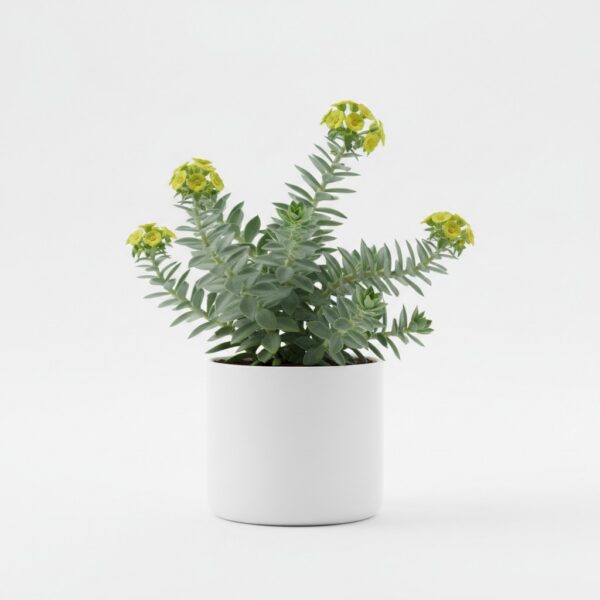
Gopher Plant
Euphorbia rigida
Euphorbia rigida, commonly known as Gopher Plant, is a succulent shrub characterized by its rigid, upright stems and bluish-gray, fleshy leaves. It typically grows to a height of 1-3 feet. The plant produces small, inconspicuous yellow flowers surrounded by showy bracts in spring. It is primarily an outdoor plant, valued for its architectural form and drought tolerance in xeriscaping. While some may attempt to grow it indoors, it requires very bright light and excellent drainage to thrive, making it challenging.

Lemon Cypress
Cupressus macrocarpa 'Goldcrest Wilma'
Lemon Cypress 'Goldcrest Wilma' is a dwarf conifer prized for its vibrant golden-yellow foliage and distinct lemon scent when the needles are crushed. It has an upright, columnar growth habit, making it a popular choice for topiary, containers, and small gardens. While it can be grown indoors, it's primarily an outdoor plant and requires specific conditions to thrive inside. People grow it for its ornamental value, fragrance, and festive appearance, especially during the holidays.
Quick Plant Comparison
| Feature | Gopher Plant | Lemon Cypress |
|---|---|---|
| Light | Full sun to partial shade outdoors. Indoors, requires very bright, direct sunlight for at least 6 hours daily. | Full sun to partial shade outdoors; requires very bright, direct light indoors (at least 6 hours of direct sunlight daily) |
| Watering | Every 2-4 weeks, depending on environmental conditions and pot size. | Every 7-10 days outdoors, possibly more frequently indoors depending on light and humidity |
| Humidity | 20-40% | 30-50% |
| Temperature | 15-27°C | 10-21°C |
| Care Level | Expert | Expert |
| Growth Rate | Moderate | Moderate |
| Max Height | 0.3-0.9 meters (1-3 feet) indoors, potentially larger outdoors. | Indoors: 0.6-1.2 meters (2-4 feet); Outdoors: up to 4.5 meters (15 feet) |
| Pet Safety | ❌ Toxic To Pets | ❌ Toxic To Pets |
| Soil | Well-draining succulent mix (cactus mix) with added perlite or pumice. | Well-draining, slightly acidic potting mix (e.g., a mix of peat moss, perlite, and sand) |
| Beginner Friendly | ❌ No | ❌ No |
| Weekly Maintenance | 5 minutes weekly outdoors; 15 minutes weekly indoors (due to increased monitoring). | 15 minutes weekly |
🔬 Botanical Information — Comparing These Plants
Gopher Plant
| Scientific Name | Euphorbia rigida |
|---|---|
| Family | Euphorbiaceae |
| Native To | Mediterranean region (Southern Europe, North Africa, Middle East) |
| Also Known As | Gopher Plant, Silver Spurge, Upright Myrtle Spurge, Silver Milk Bush |
| Leaves | Fleshy, lance-shaped leaves that are bluish-gray in color. They are arranged spirally along the stems and have a waxy coating. |
| Flowers | Produces small, inconspicuous yellow flowers surrounded by showy yellow-green bracts in spring. Flowering is more likely outdoors in full sun. |
Lemon Cypress
| Scientific Name | Cupressus macrocarpa 'Goldcrest Wilma' |
|---|---|
| Family | Cupressaceae |
| Native To | Cultivar of Monterey Cypress (Cupressus macrocarpa), native to the Monterey Peninsula in California |
| Also Known As | Lemon Cypress, Goldcrest Wilma, Monterey Cypress 'Goldcrest' |
| Leaves | Scale-like needles that are bright golden-yellow in color. The foliage is dense and aromatic, releasing a strong lemon scent when crushed. |
| Flowers | Rarely flowers indoors. Outdoors, it produces small, inconspicuous cones. |
📏 Size & Growth — Plant Comparison
Gopher Plant
Lemon Cypress
🌱 Propagation — Comparing Plant Growth
Gopher Plant
Methods: Stem cuttings, Seed
Difficulty: Moderate
Tips: Allow cuttings to callous over for several days before planting in well-draining soil. Use gloves and eye protection when handling cuttings due to the toxic sap.
Lemon Cypress
Methods: Stem cuttings
Difficulty: Moderate
Tips: Take semi-hardwood cuttings in late summer. Dip in rooting hormone and plant in well-draining soil. Maintain high humidity and warmth.
✨ Benefits & Features — Comparing Plant Value
Gopher Plant
Euphorbia rigida is distinguished by its rigid, upright stems and bluish-gray foliage. The plant's drought tolerance and architectural form make it a popular choice for xeriscaping and Mediterranean-style gardens. The milky sap is a defining characteristic of the Euphorbia genus.
- ✓ Drought tolerance reduces water consumption.
- ✓ Unique architectural form adds visual interest to the landscape.
- ✓ Attracts pollinators to the garden.
- ✓ Low maintenance once established.
- ✓ Provides a textural contrast with other plants.
- ⚠️ Toxic to pets
Lemon Cypress
Its most distinctive feature is the strong lemon scent emitted when the foliage is touched or crushed. The bright golden-yellow color of the needles also sets it apart from other conifers.
- ✓ Aromatic foliage provides a pleasant lemon scent.
- ✓ Adds a touch of elegance and sophistication to any space.
- ✓ Can be shaped into various forms, adding a unique design element.
- ✓ Provides a festive atmosphere during the holidays.
- ✓ Relatively drought-tolerant once established outdoors.
- ⚠️ Toxic to pets
📅 Maintenance Schedule — Plant Care Comparison
Gopher Plant
Lemon Cypress
🌞 Light Requirements
Gopher Plant
Full sun to partial shade outdoors. Indoors, requires very bright, direct sunlight for at least 6 hours daily.
Low light tolerant: ❌ No
Lemon Cypress
Full sun to partial shade outdoors; requires very bright, direct light indoors (at least 6 hours of direct sunlight daily)
Low light tolerant: ❌ No
💧 Watering Needs
Gopher Plant
Allow soil to dry completely between waterings. Overwatering can lead to root rot. Water thoroughly when the soil is dry to the touch, then allow excess water to drain away. Reduce watering frequency during the dormant winter months. Signs of overwatering include yellowing leaves and stem rot. Underwatering results in shriveled leaves and stunted growth.
Lemon Cypress
Water thoroughly when the top inch of soil feels dry. Ensure good drainage to prevent root rot. Overwatering leads to yellowing and root rot; underwatering causes browning and needle drop.
🌡️ Temperature & Humidity
Gopher Plant
Temperature: 15-27°C
Humidity: 20-40%
Lemon Cypress
Temperature: 10-21°C
Humidity: 30-50%
🤔 Which Plant Is Right For You?
Gopher Plant
Euphorbia rigidaExperienced gardeners in arid climates looking for a drought-tolerant, architectural plant for their outdoor landscape.
✅ Choose This Plant If...
- You live in a Mediterranean or arid climate and need a drought-tolerant plant.
- You want a unique, architectural plant for your outdoor garden.
- You are an experienced gardener familiar with succulent care.
- You are looking for a plant that attracts pollinators.
- You want a low-maintenance plant once established outdoors.
❌ Skip This Plant If...
- You have pets or small children who may ingest the plant.
- You live in a climate with cold, wet winters.
- You are a beginner gardener.
- You cannot provide very bright, direct sunlight indoors.
- You are sensitive to latex or have skin allergies.
Lemon Cypress
Cupressus macrocarpa 'Goldcrest Wilma'Experienced plant enthusiasts who can provide the specific light and temperature requirements for indoor growth, or those looking for an outdoor ornamental conifer.
✅ Choose This Plant If...
- You love the lemon scent and golden foliage.
- You have a very sunny location indoors or are planting outdoors.
- You enjoy shaping plants into topiaries.
- You want a festive plant for the holidays.
- You are an experienced gardener looking for a unique challenge.
❌ Skip This Plant If...
- You have pets that might ingest the plant.
- You cannot provide very bright, direct sunlight.
- You are a beginner gardener looking for an easy-care plant.
🎯 Quick Verdict
⚡ Key Differences Between These Plants
Gopher Plant has moderate growth, while Lemon Cypress grows moderate.
💡 Pro Tips For Comparing These Plants
Gopher Plant Care Tips
Euphorbia rigida is primarily an outdoor plant that requires full sun and excellent drainage. Indoor cultivation is challenging due to its high light requirements. It is drought-tolerant but susceptible to root rot if overwatered. The toxic sap poses a risk to pets and humans.
- Ensure excellent drainage to prevent root rot.
- Provide full sun for optimal growth and flowering.
- Wear gloves and eye protection when handling the plant.
- Water deeply but infrequently, allowing the soil to dry completely between waterings.
- Protect from frost in colder climates.
Lemon Cypress Care Tips
Lemon Cypress is primarily an outdoor plant that requires very bright light and well-draining soil. Indoor cultivation is challenging due to the need for intense light and cool temperatures. Consistent watering and humidity are also crucial. It is toxic to pets.
- Provide at least 6 hours of direct sunlight daily if grown indoors.
- Ensure excellent drainage to prevent root rot.
- Mist regularly to increase humidity, especially indoors.
- Fertilize regularly during the growing season with a balanced fertilizer.
- Protect from frost in colder climates.
⚠️ Common Problems & Solutions — Plant Care Comparison
Gopher Plant
Lemon Cypress
❓ Frequently Asked Questions — Comparing These Plants
Gopher Plant
What are the light requirements for Gopher Plant?
Gopher Plant requires bright, indirect sunlight to thrive. Insufficient light can lead to etiolation, where the plant becomes leggy and pale. Place your Gopher Plant near a sunny window, preferably facing south or west. If natural light is limited, supplement with a grow light.
How do I care for Gopher Plant?
Gopher Plant thrives in bright, indirect sunlight; provide at least 6 hours of sunlight daily. Water sparingly, allowing the soil to dry out completely between waterings to prevent root rot. Use well-draining succulent soil to ensure proper drainage. A cactus mix amended with perlite or pumice is ideal.
How do I propagate Gopher Plant?
Gopher Plant can be propagated using leaf cuttings, offsets, or stem cuttings. For leaf cuttings, allow the cut end to callus for a few days before placing it on well-draining soil. Water sparingly until roots develop. Offsets, small plants that grow at the base of the parent plant, can be carefully separated and planted in their own pots.
Lemon Cypress
What are the light requirements for Lemon Cypress?
Lemon Cypress requires bright, indirect light to thrive indoors. Insufficient light can cause the foliage to become pale and leggy. Place your Lemon Cypress near a sunny east- or west-facing window, where it can receive several hours of bright light each day. Avoid direct sunlight, which can scorch the delicate needles. If natural light is limited, supplement with a grow light. Rotate the plant regularly to ensure even light exposure on all sides. A south-facing window can work if filtered with a sheer curtain.
How do I care for Lemon Cypress?
Lemon Cypress thrives in bright, indirect light, requiring at least 6 hours daily. Water thoroughly when the top inch of soil feels dry, ensuring proper drainage to prevent root rot. Maintain moderate humidity levels, especially during dry indoor conditions, by misting regularly or using a humidifier. Fertilize monthly during the growing season (spring and summer) with a balanced liquid fertilizer. Repot every 1-2 years in spring, using a well-draining potting mix. Prune lightly to maintain shape and remove any dead or yellowing foliage. Ensure proper air circulation to prevent fungal diseases. Rotate the plant regularly for even growth. Maintain a stable temperature between 60-75°F (15-24°C).
How do I propagate Lemon Cypress?
Lemon Cypress can be propagated through stem cuttings or air layering. For stem cuttings, take a 4-6 inch cutting from new growth in spring. Remove the lower leaves and dip the cut end in rooting hormone. Plant the cutting in a well-draining potting mix and keep it moist in a humid environment. Rooting may take several weeks. For air layering, make a shallow cut on a stem and wrap it with moist sphagnum moss. Cover the moss with plastic wrap and secure it with tape. Keep the moss moist. Once roots develop, cut the stem below the rooted area and plant it in a pot. Rooting hormone can improve success rates for both methods. Maintaining consistent humidity is key.
Last updated: May 9, 2026 — Plant care data reviewed and verified by our editorial team.