
Goat's Beard vs Patchouli Plant Comparison
Compare these two plants side by side — care needs, key differences, and which is right for your home.
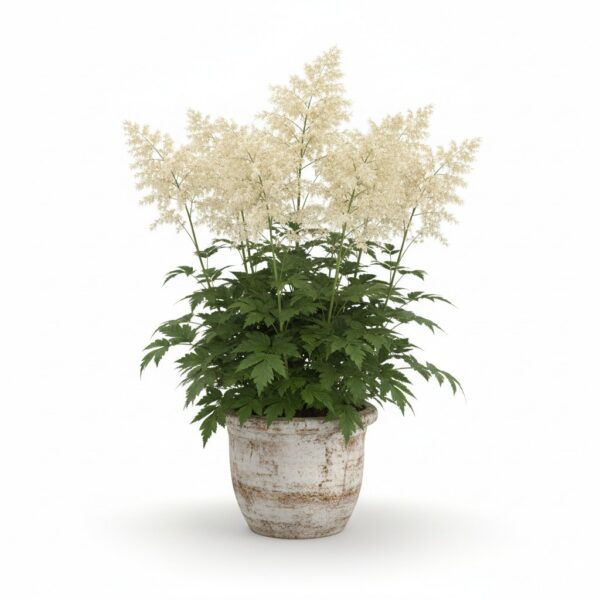
Goat's Beard
Aruncus dioicus
Goat's Beard is a herbaceous perennial known for its impressive size and feathery plumes of creamy-white flowers. It typically grows to a height of 3-6 feet and forms a bushy clump. The plant features deeply divided, fern-like leaves that provide an attractive backdrop to the blooms. It is primarily an outdoor plant, thriving in woodland settings and moist meadows. People grow it for its ornamental value, adding height and texture to gardens, and for attracting pollinators.

Patchouli
Pogostemon cablin
Patchouli is a bushy, herbaceous perennial plant growing to about 0.75 meters (2.5 feet) in height. It features sturdy, square stems and large, fragrant, velvety leaves. While it can be grown indoors, it thrives best in warm, humid outdoor environments. It is primarily cultivated for its essential oil, which is extracted from the dried leaves and used in perfumes, incense, and traditional medicine. People grow it for its distinctive earthy, musky aroma and its perceived therapeutic properties.
Quick Plant Comparison
| Feature | Goat's Beard | Patchouli |
|---|---|---|
| Light | Full sun to partial shade. Requires at least 4 hours of direct sunlight for optimal flowering. | Partial shade to full sun (at least 6 hours of direct sunlight outdoors) |
| Watering | 2-3 times per week, depending on weather and soil drainage. | Every 5-7 days indoors, depending on light and humidity; more frequently outdoors during hot weather |
| Humidity | 40-60% | 60-80% |
| Temperature | 15-25°C | 20-27°C |
| Care Level | Expert | Expert |
| Growth Rate | Moderate | Moderate |
| Max Height | N/A (Outdoor plant) | 0.3-0.6 meters indoors; up to 1 meter outdoors |
| Pet Safety | ✅ Safe | ❌ Toxic To Pets |
| Soil | Rich, well-drained soil with plenty of organic matter. A mix of garden soil, compost, and peat moss is ideal. | Well-draining, fertile soil rich in organic matter. A mix of potting soil, perlite, and compost is suitable. |
| Beginner Friendly | ❌ No | ❌ No |
| Weekly Maintenance | 30 minutes weekly | 30 minutes weekly |
🔬 Botanical Information — Comparing These Plants
Goat's Beard
| Scientific Name | Aruncus dioicus |
|---|---|
| Family | Rosaceae |
| Native To | Native to temperate regions of the Northern Hemisphere, including North America, Europe, and Asia. |
| Also Known As | Goat's Beard, Bride's Feathers |
| Leaves | The leaves are deeply divided and fern-like, creating a delicate and airy texture. They are typically medium to dark green in color and can grow up to 12 inches long. The foliage provides an attractive backdrop to the flowers. |
| Flowers | Goat's Beard produces large, feathery plumes of creamy-white flowers in early to mid-summer. The flowers are composed of numerous tiny florets and create a showy display. Male plants tend to have showier flowers than female plants. |
Patchouli
| Scientific Name | Pogostemon cablin |
|---|---|
| Family | Lamiaceae |
| Native To | Southeast Asia (Philippines, Indonesia, Malaysia) |
| Also Known As | Patchouli, Patchouly |
| Leaves | The leaves are large, ovate to elliptical, and deeply veined, with slightly serrated edges. They are typically a rich green color and have a velvety texture due to the presence of fine hairs. The leaves are highly aromatic, releasing their characteristic scent when crushed. |
| Flowers | Patchouli can flower indoors under ideal conditions, but it is rare. The flowers are small, white or pale pink, and clustered in spikes at the ends of the stems. Flowering typically occurs in the fall. |
📏 Size & Growth — Plant Comparison
Goat's Beard
Patchouli
🌱 Propagation — Comparing Plant Growth
Goat's Beard
Methods: Division, Seed
Difficulty: Moderate
Tips: Divide clumps in early spring or fall. Sow seeds in a cold frame in the fall or early spring. Ensure good drainage and consistent moisture.
Patchouli
Methods: Stem cuttings, Seed
Difficulty: Easy
Tips: Take stem cuttings in spring or summer. Dip the cut end in rooting hormone and plant in moist potting mix. Keep the cutting warm and humid until roots develop.
✨ Benefits & Features — Comparing Plant Value
Goat's Beard
Goat's Beard is unique for its impressive size and feathery plumes of creamy-white flowers. Its dioecious nature, with separate male and female plants, adds to its distinctiveness. The plant's ability to attract pollinators and its deer resistance make it a valuable addition to gardens.
- ✓ Attracts pollinators
- ✓ Adds vertical interest to the garden
- ✓ Deer resistant
- ✓ Provides habitat for beneficial insects
- ✓ Creates a natural, wild aesthetic
- 🐾 Pet Safe
Patchouli
Patchouli is known for its distinctive earthy, musky fragrance, which is due to the presence of patchoulol, a sesquiterpene alcohol. The scent becomes more pronounced as the leaves dry. It is a key ingredient in many perfumes and incense.
- ✓ Provides a source of patchouli essential oil.
- ✓ Offers a unique and grounding fragrance to your garden or home.
- ✓ Can be used in aromatherapy for its calming properties.
- ✓ Adds a touch of exotic beauty to your plant collection.
- ✓ May have insect-repelling properties.
- ⚠️ Toxic to pets
📅 Maintenance Schedule — Plant Care Comparison
Goat's Beard
Patchouli
🌞 Light Requirements
Goat's Beard
Full sun to partial shade. Requires at least 4 hours of direct sunlight for optimal flowering.
Low light tolerant: ❌ No
Patchouli
Partial shade to full sun (at least 6 hours of direct sunlight outdoors)
Low light tolerant: ❌ No
💧 Watering Needs
Goat's Beard
Water deeply and regularly, especially during dry periods. The soil should be consistently moist but not waterlogged. Overwatering can lead to root rot, indicated by yellowing leaves and a foul odor. Underwatering results in wilting and browning leaf edges.
Patchouli
Water thoroughly when the top inch of soil feels dry to the touch. Avoid overwatering, which can lead to root rot. Signs of overwatering include yellowing leaves and a musty smell. Underwatering is indicated by wilting and crispy leaf edges.
🌡️ Temperature & Humidity
Goat's Beard
Temperature: 15-25°C
Humidity: 40-60%
Patchouli
Temperature: 20-27°C
Humidity: 60-80%
🤔 Which Plant Is Right For You?
Goat's Beard
Aruncus dioicusGardeners looking to add height and texture to their woodland gardens or naturalized areas.
✅ Choose This Plant If...
- You want a tall, dramatic plant for a woodland garden
- You need a plant that attracts pollinators
- You have a consistently moist area in your garden
- You want a deer-resistant option
- You appreciate the feathery texture of the flowers.
❌ Skip This Plant If...
- You have limited space
- You want an indoor plant
- Your garden is very dry.
Patchouli
Pogostemon cablinExperienced gardeners in warm climates who want to grow patchouli for its essential oil or fragrance.
✅ Choose This Plant If...
- You want to grow your own source of patchouli essential oil.
- You live in a warm, humid climate suitable for outdoor cultivation.
- You enjoy the distinctive earthy, musky fragrance of patchouli.
- You are an experienced gardener looking for a challenging plant to grow.
- You want to use patchouli in homemade perfumes or incense.
❌ Skip This Plant If...
- You have pets that may ingest the plant.
- You live in a cold climate with limited sunlight.
- You are a beginner gardener.
- You cannot provide high humidity levels.
- You dislike the strong scent of patchouli.
🎯 Quick Verdict
⚡ Key Differences Between These Plants
Both plants have similar basic care requirements but differ in appearance and specific needs. Compare plants carefully to find the best fit for your space.
💡 Pro Tips For Comparing These Plants
Goat's Beard Care Tips
Goat's Beard is primarily an outdoor plant and is not well-suited for indoor cultivation. It requires ample space, consistent moisture, and specific light conditions that are difficult to replicate indoors. Attempting to grow it indoors will likely result in a stressed and unhealthy plant.
- Provide consistent moisture, especially during dry periods.
- Amend the soil with plenty of organic matter.
- Choose a location with partial shade in hotter climates.
- Divide clumps every few years to maintain vigor.
- Monitor for pests and diseases and treat promptly.
Patchouli Care Tips
Patchouli is challenging to grow indoors due to its high humidity and light requirements. It needs bright, indirect light, consistent moisture, and high humidity. It is prone to pests and diseases if not properly cared for. Best suited for outdoor gardens in warm climates.
- Provide consistent moisture but avoid overwatering.
- Maintain high humidity levels by misting regularly or using a humidifier.
- Fertilize regularly during the growing season to promote healthy growth.
- Protect from frost and cold temperatures.
- Prune regularly to maintain shape and encourage bushier growth.
⚠️ Common Problems & Solutions — Plant Care Comparison
Goat's Beard
Patchouli
❓ Frequently Asked Questions — Comparing These Plants
Goat's Beard
What are the light requirements for Goat's Beard?
Goat’s Beard prefers partial to full shade, thriving in locations that receive dappled sunlight or morning sun followed by afternoon shade. Direct sunlight, especially during the hottest part of the day, can scorch the leaves. Ideal placement is under the canopy of trees or on the north side of a building. If growing in a sunnier location, ensure the soil remains consistently moist to compensate for increased evaporation. Insufficient light will result in fewer blooms and leggy growth. Observe the plant for signs of stress, such as pale or yellowing leaves, and adjust its location accordingly. Avoid exposed areas with harsh afternoon sun.
How do I care for Goat's Beard?
Goat’s Beard thrives in partial to full shade, requiring at least 4 hours of indirect sunlight daily. Water deeply and regularly, especially during dry spells, ensuring the soil remains consistently moist but not waterlogged. Well-draining soil enriched with organic matter is essential. Fertilize in early spring with a balanced, slow-release fertilizer to promote healthy growth and abundant blooms. Prune spent flower plumes after blooming to maintain a tidy appearance and encourage reblooming. Mulch around the base of the plant to retain moisture and suppress weeds. Monitor for pests and diseases, addressing any issues promptly. Provide adequate air circulation to prevent fungal problems. Division every few years helps maintain vigor and prevents overcrowding.
How do I propagate Goat's Beard?
Goat’s Beard can be propagated through division, stem cuttings, and seeds. Division is best done in spring or fall. Carefully dig up the plant and separate the root ball into smaller clumps, ensuring each clump has healthy roots and foliage. Replant the divisions in well-draining soil. For stem cuttings, take 4-6 inch cuttings from new growth in spring. Remove the lower leaves and dip the cut end in rooting hormone. Plant the cuttings in moist, well-draining soil. Keep the cuttings humid by covering them with a plastic bag or humidity dome. Seeds can be sown in spring or fall. Sow the seeds on the surface of the soil and lightly cover them with vermiculite. Keep the soil moist until germination occurs.
Patchouli
What are the light requirements for Patchouli?
Patchouli needs bright, indirect light to thrive. Avoid direct sunlight, which can scorch the leaves. An east-facing window is ideal, providing gentle morning sun. A north-facing window can also work, but you may need to supplement with artificial light. If you’re using grow lights, position them about 12-18 inches above the plant. Insufficient light can lead to leggy growth and reduced fragrance. Rotate the plant regularly to ensure even light exposure on all sides. Watch for signs of light stress, such as pale leaves or stunted growth, and adjust the plant’s location accordingly.
How do I care for Patchouli?
Patchouli thrives in warm, humid environments with bright, indirect light. Water when the top inch of soil feels dry, ensuring good drainage to prevent root rot. Maintain humidity levels around 50-70% through misting, using a humidifier, or placing the plant on a pebble tray. Fertilize every 2-4 weeks during the growing season (spring and summer) with a balanced liquid fertilizer diluted to half strength. Prune regularly to encourage bushier growth and remove any dead or yellowing leaves. Repot every 1-2 years into a slightly larger pot with well-draining potting mix. Protect from drafts and sudden temperature changes. Monitor for pests like spider mites and aphids, treating promptly if detected. Provide adequate air circulation to prevent fungal diseases.
How do I propagate Patchouli?
Patchouli can be easily propagated through stem cuttings. Take a 4-6 inch cutting from a healthy stem, removing the lower leaves. Dip the cut end in rooting hormone and plant it in a well-draining potting mix. Keep the soil moist and provide bright, indirect light. Rooting typically occurs within 2-4 weeks. Division can be done during repotting by carefully separating the root ball. Keiki propagation is rare in Patchouli. To promote rooting, keep the humidity high by covering the cutting with a plastic bag or dome. Once rooted, gradually acclimate the new plant to normal humidity levels.
Last updated: April 24, 2026 — Plant care data reviewed and verified by our editorial team.