
Goat's Beard vs Marsh Marigold Plant Comparison
Compare these two plants side by side — care needs, key differences, and which is right for your home.
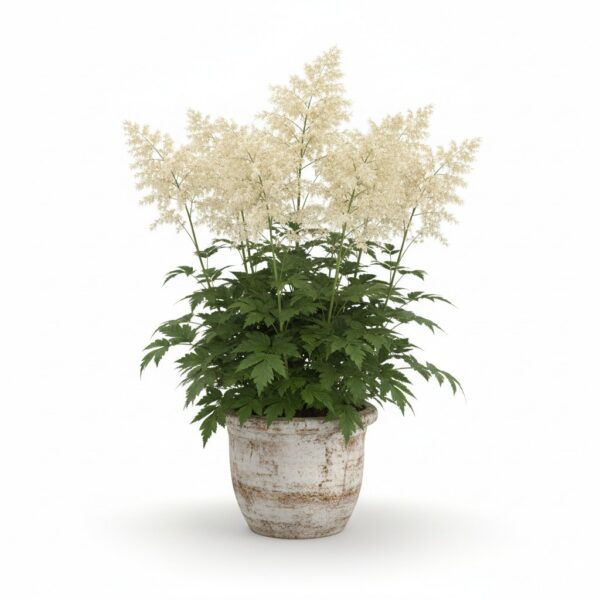
Goat's Beard
Aruncus dioicus
Goat's Beard is a herbaceous perennial known for its impressive size and feathery plumes of creamy-white flowers. It typically grows to a height of 3-6 feet and forms a bushy clump. The plant features deeply divided, fern-like leaves that provide an attractive backdrop to the blooms. It is primarily an outdoor plant, thriving in woodland settings and moist meadows. People grow it for its ornamental value, adding height and texture to gardens, and for attracting pollinators.

Marsh Marigold
Caltha palustris
Marsh Marigold is a perennial herbaceous plant typically found in marshy areas, wet meadows, and along stream banks. It features kidney-shaped to rounded, glossy green leaves and bright yellow, buttercup-like flowers that bloom in spring. It grows to about 1-2 feet tall. While it can be grown in a container, it is primarily an outdoor plant that thrives in consistently moist to wet conditions. People grow it for its early spring blooms that add a splash of color to wetland gardens or water features.
Quick Plant Comparison
| Feature | Goat's Beard | Marsh Marigold |
|---|---|---|
| Light | Full sun to partial shade. Requires at least 4 hours of direct sunlight for optimal flowering. | Full sun to partial shade |
| Watering | 2-3 times per week, depending on weather and soil drainage. | Daily to every other day, depending on weather and soil drainage |
| Humidity | 40-60% | 50-90% |
| Temperature | 15-25°C | 10-21°C |
| Care Level | Expert | Expert |
| Growth Rate | Moderate | Moderate |
| Max Height | N/A (Outdoor plant) | 30-60 cm (1-2 feet) |
| Pet Safety | ✅ Safe | ❌ Toxic To Pets |
| Soil | Rich, well-drained soil with plenty of organic matter. A mix of garden soil, compost, and peat moss is ideal. | Rich, heavy, moisture-retentive soil |
| Beginner Friendly | ❌ No | ❌ No |
| Weekly Maintenance | 30 minutes weekly | 30 minutes weekly |
🔬 Botanical Information — Comparing These Plants
Goat's Beard
| Scientific Name | Aruncus dioicus |
|---|---|
| Family | Rosaceae |
| Native To | Native to temperate regions of the Northern Hemisphere, including North America, Europe, and Asia. |
| Also Known As | Goat's Beard, Bride's Feathers |
| Leaves | The leaves are deeply divided and fern-like, creating a delicate and airy texture. They are typically medium to dark green in color and can grow up to 12 inches long. The foliage provides an attractive backdrop to the flowers. |
| Flowers | Goat's Beard produces large, feathery plumes of creamy-white flowers in early to mid-summer. The flowers are composed of numerous tiny florets and create a showy display. Male plants tend to have showier flowers than female plants. |
Marsh Marigold
| Scientific Name | Caltha palustris |
|---|---|
| Family | Ranunculaceae |
| Native To | Temperate regions of the Northern Hemisphere |
| Also Known As | Marsh Marigold, Kingcup, Mayflower |
| Leaves | Leaves are kidney-shaped to rounded, 5-15 cm wide, with a glossy, dark green color. The leaf margins are slightly scalloped or toothed. The leaves are basal and also grow along the stems. |
| Flowers | Flowers are bright yellow, buttercup-like, and about 2-5 cm in diameter. They have 5-9 petal-like sepals and numerous stamens. Flowering occurs in early spring. |
📏 Size & Growth — Plant Comparison
Goat's Beard
Marsh Marigold
🌱 Propagation — Comparing Plant Growth
Goat's Beard
Methods: Division, Seed
Difficulty: Moderate
Tips: Divide clumps in early spring or fall. Sow seeds in a cold frame in the fall or early spring. Ensure good drainage and consistent moisture.
Marsh Marigold
Methods: Division, Seed
Difficulty: Moderate
Tips: Divide rhizomes in early spring or fall. Sow seeds in a cold frame in the fall for germination the following spring.
✨ Benefits & Features — Comparing Plant Value
Goat's Beard
Goat's Beard is unique for its impressive size and feathery plumes of creamy-white flowers. Its dioecious nature, with separate male and female plants, adds to its distinctiveness. The plant's ability to attract pollinators and its deer resistance make it a valuable addition to gardens.
- ✓ Attracts pollinators
- ✓ Adds vertical interest to the garden
- ✓ Deer resistant
- ✓ Provides habitat for beneficial insects
- ✓ Creates a natural, wild aesthetic
- 🐾 Pet Safe
Marsh Marigold
Marsh Marigold is one of the first plants to bloom in the spring, providing a valuable source of nectar for early pollinators. Its bright yellow flowers and glossy green leaves add a splash of color to otherwise drab wetland areas. It is also a native plant in many regions, making it a good choice for supporting local ecosystems.
- ✓ Provides early spring color.
- ✓ Attracts pollinators to the garden.
- ✓ Adds visual interest to wet areas.
- ✓ Can be used in naturalized plantings.
- ✓ Supports biodiversity in wetland habitats.
- ⚠️ Toxic to pets
📅 Maintenance Schedule — Plant Care Comparison
Goat's Beard
Marsh Marigold
🌞 Light Requirements
Goat's Beard
Full sun to partial shade. Requires at least 4 hours of direct sunlight for optimal flowering.
Low light tolerant: ❌ No
Marsh Marigold
Full sun to partial shade
Low light tolerant: ❌ No
💧 Watering Needs
Goat's Beard
Water deeply and regularly, especially during dry periods. The soil should be consistently moist but not waterlogged. Overwatering can lead to root rot, indicated by yellowing leaves and a foul odor. Underwatering results in wilting and browning leaf edges.
Marsh Marigold
Requires consistently moist to wet soil. Overwatering is not a concern as long as the soil is well-draining. Underwatering will cause the leaves to wilt and the plant to decline.
🌡️ Temperature & Humidity
Goat's Beard
Temperature: 15-25°C
Humidity: 40-60%
Marsh Marigold
Temperature: 10-21°C
Humidity: 50-90%
🤔 Which Plant Is Right For You?
Goat's Beard
Aruncus dioicusGardeners looking to add height and texture to their woodland gardens or naturalized areas.
✅ Choose This Plant If...
- You want a tall, dramatic plant for a woodland garden
- You need a plant that attracts pollinators
- You have a consistently moist area in your garden
- You want a deer-resistant option
- You appreciate the feathery texture of the flowers.
❌ Skip This Plant If...
- You have limited space
- You want an indoor plant
- Your garden is very dry.
Marsh Marigold
Caltha palustrisExperienced gardeners with a pond or bog garden looking for early spring color.
✅ Choose This Plant If...
- You have a bog garden or water feature where it can thrive.
- You want early spring blooms in a wet area.
- You are an experienced gardener looking for a unique plant.
- You want to attract pollinators to your garden.
- You are prepared to provide consistently moist to wet conditions.
❌ Skip This Plant If...
- You have pets that might ingest the plant.
- You don't have a suitable outdoor environment with consistently moist soil.
- You are looking for an easy-to-grow indoor plant.
🎯 Quick Verdict
⚡ Key Differences Between These Plants
Both plants have similar basic care requirements but differ in appearance and specific needs. Compare plants carefully to find the best fit for your space.
💡 Pro Tips For Comparing These Plants
Goat's Beard Care Tips
Goat's Beard is primarily an outdoor plant and is not well-suited for indoor cultivation. It requires ample space, consistent moisture, and specific light conditions that are difficult to replicate indoors. Attempting to grow it indoors will likely result in a stressed and unhealthy plant.
- Provide consistent moisture, especially during dry periods.
- Amend the soil with plenty of organic matter.
- Choose a location with partial shade in hotter climates.
- Divide clumps every few years to maintain vigor.
- Monitor for pests and diseases and treat promptly.
Marsh Marigold Care Tips
Marsh Marigold is primarily an outdoor plant that requires consistently moist to wet conditions. It is challenging to grow indoors due to its high humidity and light requirements. It needs a very bright location and constant moisture, making it difficult to maintain in a typical indoor environment.
- Ensure consistently moist to wet soil; never let it dry out.
- Provide full sun in cooler climates and partial shade in warmer climates.
- Fertilize monthly during the growing season with a balanced liquid fertilizer.
- Divide rhizomes every few years to prevent overcrowding.
- Monitor for pests and diseases and treat promptly.
⚠️ Common Problems & Solutions — Plant Care Comparison
Goat's Beard
Marsh Marigold
❓ Frequently Asked Questions — Comparing These Plants
Goat's Beard
What are the light requirements for Goat's Beard?
Goat’s Beard prefers partial to full shade, thriving in locations that receive dappled sunlight or morning sun followed by afternoon shade. Direct sunlight, especially during the hottest part of the day, can scorch the leaves. Ideal placement is under the canopy of trees or on the north side of a building. If growing in a sunnier location, ensure the soil remains consistently moist to compensate for increased evaporation. Insufficient light will result in fewer blooms and leggy growth. Observe the plant for signs of stress, such as pale or yellowing leaves, and adjust its location accordingly. Avoid exposed areas with harsh afternoon sun.
How do I care for Goat's Beard?
Goat’s Beard thrives in partial to full shade, requiring at least 4 hours of indirect sunlight daily. Water deeply and regularly, especially during dry spells, ensuring the soil remains consistently moist but not waterlogged. Well-draining soil enriched with organic matter is essential. Fertilize in early spring with a balanced, slow-release fertilizer to promote healthy growth and abundant blooms. Prune spent flower plumes after blooming to maintain a tidy appearance and encourage reblooming. Mulch around the base of the plant to retain moisture and suppress weeds. Monitor for pests and diseases, addressing any issues promptly. Provide adequate air circulation to prevent fungal problems. Division every few years helps maintain vigor and prevents overcrowding.
How do I propagate Goat's Beard?
Goat’s Beard can be propagated through division, stem cuttings, and seeds. Division is best done in spring or fall. Carefully dig up the plant and separate the root ball into smaller clumps, ensuring each clump has healthy roots and foliage. Replant the divisions in well-draining soil. For stem cuttings, take 4-6 inch cuttings from new growth in spring. Remove the lower leaves and dip the cut end in rooting hormone. Plant the cuttings in moist, well-draining soil. Keep the cuttings humid by covering them with a plastic bag or humidity dome. Seeds can be sown in spring or fall. Sow the seeds on the surface of the soil and lightly cover them with vermiculite. Keep the soil moist until germination occurs.
Marsh Marigold
What are the light requirements for Marsh Marigold?
Marsh Marigold prefers full sun to partial shade. In cooler climates, it can tolerate full sun, but in warmer regions, it benefits from some afternoon shade to prevent scorching. Insufficient light can result in fewer flowers and leggy growth. When planting, consider the location’s exposure to sunlight throughout the day and choose a spot that provides the right balance. If grown indoors in a container, place the plant near a bright window that receives several hours of direct sunlight. Rotate the plant regularly to ensure even growth. Monitor the plant for signs of stress, such as yellowing or browning leaves, which may indicate too much or too little light.
How do I care for Marsh Marigold?
Marsh Marigold thrives in consistently moist to wet conditions. Plant in a location that receives full sun to partial shade, ideally with morning sun and afternoon shade. The soil should be rich, heavy, and water-retentive. Water regularly to keep the soil consistently moist, especially during dry periods. Fertilize in early spring with a balanced, slow-release fertilizer to promote healthy growth and abundant blooms. Deadhead spent flowers to encourage further blooming. Divide established clumps every few years to prevent overcrowding and rejuvenate the plants. Protect from extreme heat and drought, as these conditions can stress the plant. Mulch around the base of the plant to help retain moisture and suppress weeds. Monitor for pests and diseases, and treat promptly if necessary. Prune back foliage in late fall after it has died back.
How do I propagate Marsh Marigold?
Marsh Marigold is easily propagated by division in early spring or fall. Carefully dig up an established clump and gently separate the roots into smaller sections, ensuring each section has healthy roots and foliage. Replant the divisions in a prepared bed with moist, rich soil. Water thoroughly after planting. Alternatively, you can propagate by seed, although this method is slower. Collect seeds from mature seedpods and sow them in a cold frame in the fall. Keep the soil moist and provide protection from harsh weather. Seedlings will emerge in the spring. Stem cuttings are not a reliable propagation method for Marsh Marigold. Keiki propagation is not applicable as Marsh Marigolds do not produce keikis.
Last updated: May 5, 2026 — Plant care data reviewed and verified by our editorial team.