
Globe Artichoke vs Pineapple Sage Plant Comparison
Compare these two plants side by side — care needs, key differences, and which is right for your home.
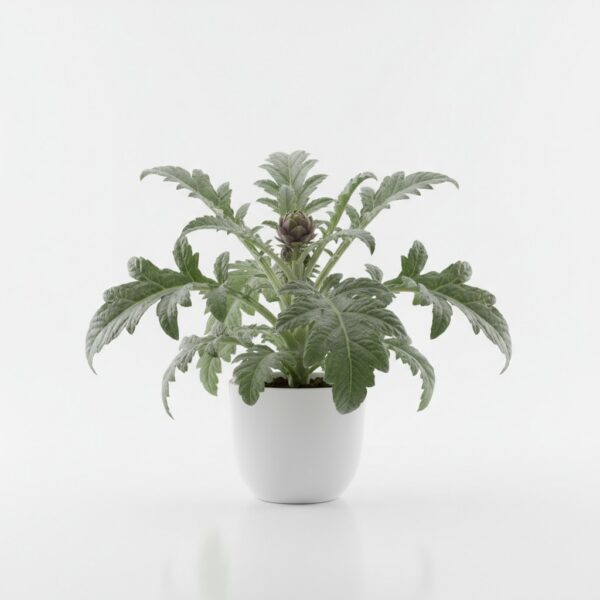
Globe Artichoke
Cynara scolymus
The globe artichoke is a perennial thistle growing to 1.4–2 meters tall, with arching, deeply lobed, silvery-green leaves 50–82 cm long. It is cultivated as a food. The edible portion of the plant consists of the flower buds before the flowers come into bloom. The 'choke' is the immature flower parts. Artichokes are grown for their edible flower buds, which are a culinary delicacy. It is primarily an outdoor plant, requiring significant space and specific climate conditions to thrive. Indoor cultivation is extremely challenging.

Pineapple Sage
Salvia elegans
Pineapple Sage is a perennial shrub known for its fragrant leaves that emit a distinct pineapple scent when crushed. It typically grows to a height of 3-5 feet outdoors. It features vibrant green, ovate leaves and produces bright red, tubular flowers in the late summer and fall. While primarily an outdoor plant, it is grown for its aromatic foliage and edible flowers, which add a unique flavor to culinary dishes and attract pollinators like hummingbirds and butterflies. It is not naturally an indoor plant and requires specific conditions to thrive indoors.
Quick Plant Comparison
| Feature | Globe Artichoke | Pineapple Sage |
|---|---|---|
| Light | Full sun (at least 6-8 hours of direct sunlight daily) | Full sun to partial shade outdoors. Indoors, requires very bright, direct light for at least 6 hours daily. |
| Watering | 2-3 times per week, depending on weather and soil drainage | Every 7-10 days outdoors, potentially less frequently indoors depending on light and humidity. |
| Humidity | 40-60% | 40-60% |
| Temperature | 15-24°C | 18-27°C |
| Care Level | Expert | Expert |
| Growth Rate | Moderate | Fast |
| Max Height | Outdoor: 1.4-2 meters. Indoor (highly unlikely): 0.5-1 meter (if somehow managed) | 0.6-1.2 meters (2-4 feet) indoors, significantly larger outdoors. |
| Pet Safety | ❌ Toxic To Pets | ❌ Toxic To Pets |
| Soil | Well-draining, fertile soil rich in organic matter. A slightly acidic to neutral pH (6.0-7.0) is ideal. | Well-draining soil, such as a mix of potting soil, perlite, and sand. |
| Beginner Friendly | ❌ No | ❌ No |
| Weekly Maintenance | 1-2 hours weekly during the growing season | 15 minutes weekly |
🔬 Botanical Information — Comparing These Plants
Globe Artichoke
| Scientific Name | Cynara scolymus |
|---|---|
| Family | Asteraceae |
| Native To | Mediterranean region |
| Also Known As | Artichoke, French artichoke, Green artichoke |
| Leaves | The leaves are large, deeply lobed, and silvery-green in color. They can grow up to 82 cm long and have a slightly prickly texture. |
| Flowers | Artichokes rarely flower indoors. Outdoors, if the buds are not harvested, they will open into beautiful, thistle-like purple flowers. |
Pineapple Sage
| Scientific Name | Salvia elegans |
|---|---|
| Family | Lamiaceae |
| Native To | Mexico and Guatemala |
| Also Known As | Pineapple Sage, Scarlet Pineapple Sage |
| Leaves | The leaves are ovate, bright green, and slightly fuzzy. They are typically 5-10 cm long and have a distinct pineapple scent when crushed. The texture is slightly rough. |
| Flowers | It rarely flowers indoors. Outdoors, it produces bright red, tubular flowers in late summer and fall. The flowers are arranged in terminal spikes and are attractive to hummingbirds. |
📏 Size & Growth — Plant Comparison
Globe Artichoke
Pineapple Sage
🌱 Propagation — Comparing Plant Growth
Globe Artichoke
Methods: Seed, division of offsets (suckers)
Difficulty: Moderate
Tips: For seed propagation, start seeds indoors 8-10 weeks before the last frost. For division, separate offsets from the parent plant in early spring or late fall. Ensure each offset has roots.
Pineapple Sage
Methods: Stem cuttings, Seed
Difficulty: Easy
Tips: Take stem cuttings in spring or summer. Remove lower leaves, dip in rooting hormone, and plant in moist potting mix. Keep humid and warm until roots develop.
✨ Benefits & Features — Comparing Plant Value
Globe Artichoke
The globe artichoke is a perennial thistle cultivated for its edible flower buds. It is a striking plant with large, silvery-green foliage, making it an attractive addition to any garden. Its unique flavor and culinary versatility make it a prized vegetable.
- ✓ Provides fresh, homegrown artichokes.
- ✓ Attracts pollinators to the garden.
- ✓ Adds visual interest with its large, silvery-green foliage.
- ✓ Can be a rewarding and challenging gardening project.
- ✓ Offers a unique culinary experience.
- ⚠️ Toxic to pets
Pineapple Sage
The most unique characteristic is the strong pineapple scent emitted from the leaves when crushed. This, combined with its bright red flowers, makes it a standout herb in any garden. The edible flowers and leaves also add to its appeal.
- ✓ Attracts pollinators like hummingbirds and butterflies.
- ✓ Provides aromatic foliage for sensory gardens.
- ✓ Offers edible flowers and leaves for culinary use.
- ✓ Adds vibrant color to the garden with its red blooms.
- ✓ Can be used to make fragrant teas and potpourri.
- ⚠️ Toxic to pets
📅 Maintenance Schedule — Plant Care Comparison
Globe Artichoke
Pineapple Sage
🌞 Light Requirements
Globe Artichoke
Full sun (at least 6-8 hours of direct sunlight daily)
Low light tolerant: ❌ No
Pineapple Sage
Full sun to partial shade outdoors. Indoors, requires very bright, direct light for at least 6 hours daily.
Low light tolerant: ❌ No
💧 Watering Needs
Globe Artichoke
Water deeply when the top inch of soil feels dry. Avoid overwatering, which can lead to root rot. Ensure good drainage. Signs of overwatering include yellowing leaves and a soggy soil. Underwatering is indicated by wilting and dry, crispy leaves.
Pineapple Sage
Water thoroughly when the top inch of soil feels dry. Avoid overwatering, which can lead to root rot. Allow the soil to drain completely after watering. Signs of underwatering include wilting leaves, while overwatering can cause yellowing leaves and a musty smell.
🌡️ Temperature & Humidity
Globe Artichoke
Temperature: 15-24°C
Humidity: 40-60%
Pineapple Sage
Temperature: 18-27°C
Humidity: 40-60%
🤔 Which Plant Is Right For You?
Globe Artichoke
Cynara scolymusExperienced gardeners in regions with mild winters who want to grow their own artichokes.
✅ Choose This Plant If...
- You have a sunny outdoor garden and want to grow your own artichokes.
- You enjoy the challenge of growing unique and rewarding plants.
- You live in a region with mild winters suitable for artichoke cultivation.
- You are looking for a plant that attracts pollinators to your garden.
- You appreciate the culinary value of fresh, homegrown artichokes.
❌ Skip This Plant If...
- You have limited space, especially indoors.
- You live in a region with harsh winters.
- You have pets that might ingest the plant.
- You are a beginner gardener.
- You don't have access to full sun.
Pineapple Sage
Salvia elegansExperienced gardeners who want an aromatic and visually appealing plant for their outdoor garden or greenhouse.
✅ Choose This Plant If...
- You want a fragrant herb for your garden that attracts pollinators.
- You enjoy using edible flowers and leaves in culinary creations.
- You have a sunny outdoor space or greenhouse.
- You are an experienced gardener looking for a rewarding plant.
- You want a plant with a unique pineapple scent.
❌ Skip This Plant If...
- You have pets that might ingest the plant.
- You lack a very sunny location, especially indoors.
- You are a beginner gardener looking for a low-maintenance plant.
🎯 Quick Verdict
⚡ Key Differences Between These Plants
Globe Artichoke has moderate growth, while Pineapple Sage grows fast.
💡 Pro Tips For Comparing These Plants
Globe Artichoke Care Tips
Globe artichokes are challenging to grow indoors due to their high light requirements, large size, and need for specific temperature conditions. They are best suited for outdoor gardens. Indoor cultivation requires intense supplemental lighting, a very large container, and careful monitoring of watering and humidity.
- Provide full sun for optimal growth and bud production.
- Water deeply but infrequently, allowing the soil to dry slightly between waterings.
- Fertilize regularly during the growing season with a balanced fertilizer.
- Protect from frost in colder climates by mulching heavily.
- Harvest buds when they are tight and firm, before the petals begin to open.
Pineapple Sage Care Tips
Pineapple Sage is primarily an outdoor plant that requires full sun and well-draining soil. Growing it indoors is challenging due to its high light requirements. It needs consistent moisture but is susceptible to root rot if overwatered. Regular pruning is necessary to maintain shape and encourage bushier growth.
- Provide at least 6 hours of direct sunlight daily for optimal growth and flowering.
- Water deeply but infrequently, allowing the soil to dry slightly between waterings.
- Prune regularly to maintain shape and encourage bushier growth.
- Fertilize every 4-6 weeks during the growing season with a balanced liquid fertilizer.
- Protect from frost in colder climates by bringing indoors or providing adequate covering.
⚠️ Common Problems & Solutions — Plant Care Comparison
Globe Artichoke
Pineapple Sage
❓ Frequently Asked Questions — Comparing These Plants
Globe Artichoke
What are the light requirements for Globe Artichoke?
Globe Artichokes thrive in full sun. They need at least 6-8 hours of direct sunlight each day to produce healthy foliage and flower buds. Insufficient light can lead to leggy growth, reduced bud production, and pale leaves. When grown indoors, place your artichoke plant near a south-facing window where it can receive the most sunlight.
How do I care for Globe Artichoke?
Globe Artichokes require full sun, ideally at least 6-8 hours per day. Plant in well-draining soil that is rich in organic matter. Water deeply and regularly, especially during dry periods, but avoid waterlogging. Fertilize monthly during the growing season with a balanced fertilizer, increasing phosphorus levels to encourage blooming.
How do I propagate Globe Artichoke?
Globe Artichokes can be propagated through division, stem cuttings, or from seed. Division is the most common method. In early spring or fall, carefully dig up an established plant and divide the root ball into sections, ensuring each section has healthy roots and shoots. Plant the divisions in well-draining soil.
Pineapple Sage
What are the light requirements for Pineapple Sage?
Pineapple Sage needs a significant amount of sunlight to thrive and produce its characteristic vibrant red flowers. Ideally, it should receive at least 6 hours of direct sunlight each day. When grown indoors, place it near a south-facing window where it can soak up the most sunlight. If you don’t have a sufficiently sunny window, consider supplementing with grow lights.
How do I care for Pineapple Sage?
Pineapple Sage thrives in well-draining soil and requires full sun (at least 6 hours per day). Water thoroughly when the top inch of soil feels dry, but avoid overwatering. Fertilize monthly during the growing season (spring and summer) with a balanced fertilizer, switching to a bloom-boosting formula as flowering approaches. Prune regularly to maintain shape and encourage bushier growth, removing any dead or yellowing leaves.
How do I propagate Pineapple Sage?
Pineapple Sage can be easily propagated through stem cuttings. Take a 4-6 inch cutting from a healthy stem, removing the lower leaves. Dip the cut end in rooting hormone and plant it in a pot filled with well-draining potting mix. Keep the soil moist and provide bright, indirect light. Roots should develop in 2-4 weeks.
Last updated: May 14, 2026 — Plant care data reviewed and verified by our editorial team.