
Ginkgo vs Leadwort Plant Comparison
Compare these two plants side by side — care needs, key differences, and which is right for your home.
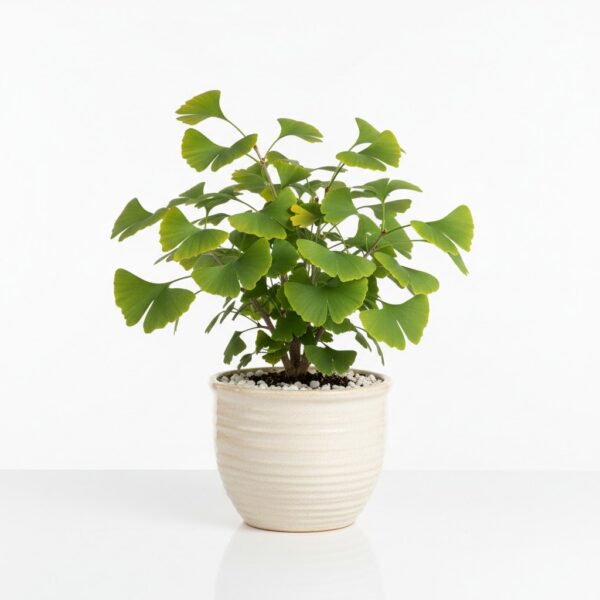
Ginkgo
Ginkgo biloba
Ginkgo biloba, the Maidenhair Tree, is a unique species of tree with no close living relatives. It's characterized by its fan-shaped leaves that turn a vibrant golden yellow in the fall. Ginkgos are dioecious, meaning there are separate male and female trees. Female trees produce seeds with a fleshy outer layer that has a very unpleasant odor when ripe. Ginkgos are incredibly hardy and long-lived, often planted as ornamental trees in parks and gardens. They are deciduous and lose their leaves in the winter. Ginkgos are not suitable for indoor growing due to their size and high light requirements.

Leadwort
Ceratostigma plumbaginoides
Ceratostigma plumbaginoides, commonly known as Leadwort, is a low-growing, rhizomatous perennial typically grown as a ground cover. It reaches about 10-12 inches in height and spreads via underground stems. The plant is valued for its vibrant blue flowers that appear in late summer and autumn, contrasting beautifully with its foliage, which turns bronze-red in the fall. While primarily an outdoor plant, some gardeners attempt to grow it indoors for its late-season color. However, it requires very bright light and a cool environment to thrive indoors.
Quick Plant Comparison
| Feature | Ginkgo | Leadwort |
|---|---|---|
| Light | Full sun (at least 6 hours of direct sunlight per day) | Full sun to partial shade outdoors. Requires very bright, direct light indoors. |
| Watering | Once or twice a week during the growing season, less frequently in winter. | Every 7-10 days during the growing season, less frequently in winter. |
| Humidity | 30-50% | 30-50% |
| Temperature | 10-25°C | 15-24°C |
| Care Level | Expert | Expert |
| Growth Rate | Moderate To Fast | Moderate To Fast, Aggressive Spreader Via Rhizomes |
| Max Height | Not applicable for indoor growing. Outdoors: 20-35 meters (66-115 feet) | Indoors, typically 6-10 inches. |
| Pet Safety | ❌ Toxic To Pets | ❌ Toxic To Pets |
| Soil | Well-draining soil, such as a mix of loam, sand, and compost. | Well-draining soil, such as a mix of potting soil, perlite, and sand. |
| Beginner Friendly | ❌ No | ❌ No |
| Weekly Maintenance | 15 minutes weekly (mostly watering and occasional pruning) | 15 minutes weekly |
🔬 Botanical Information — Comparing These Plants
Ginkgo
| Scientific Name | Ginkgo biloba |
|---|---|
| Family | Ginkgoaceae |
| Native To | China |
| Also Known As | Maidenhair Tree |
| Leaves | The leaves of Ginkgo biloba are fan-shaped, typically 5-10 cm (2-4 inches) wide, with veins radiating from the base. They are a light green color in spring and summer, turning a vibrant golden yellow in the fall before dropping. |
| Flowers | Ginkgo biloba is dioecious, meaning male and female flowers are on separate trees. The flowers are inconspicuous and not typically noticeable. They are wind-pollinated. |
Leadwort
| Scientific Name | Ceratostigma plumbaginoides |
|---|---|
| Family | Plumbaginaceae |
| Native To | Western China |
| Also Known As | Leadwort, Plumbago, Dwarf Plumbago, Hardy Plumbago |
| Leaves | The leaves are oval to lance-shaped, approximately 1-3 inches long, and have a slightly wavy margin. They are a glossy green color during the growing season, turning bronze-red in the fall. |
| Flowers | Outdoors, it produces clusters of vibrant blue, phlox-like flowers in late summer and autumn. Indoors, flowering is rare and often limited due to insufficient light and humidity. |
📏 Size & Growth — Plant Comparison
Ginkgo
Leadwort
🌱 Propagation — Comparing Plant Growth
Ginkgo
Methods: Seed, Cuttings, Grafting
Difficulty: Moderate To Difficult
Tips: Seed propagation requires stratification. Cuttings are best taken from semi-hardwood in summer. Grafting is often used to propagate specific cultivars.
Leadwort
Methods: Division, Stem cuttings, Seed
Difficulty: Easy
Tips: Divide rhizomes in spring or fall. Take stem cuttings in summer and root in water or moist soil. Seeds can be sown in spring after a period of cold stratification.
✨ Benefits & Features — Comparing Plant Value
Ginkgo
Ginkgo biloba is a living fossil, being the only surviving species in its plant division. Its fan-shaped leaves are unlike any other tree, and its golden fall color is spectacular. The tree is also known for its resilience and tolerance of urban pollution.
- ✓ Provides shade in the summer
- ✓ Adds beauty to the landscape with its unique foliage and golden fall color
- ✓ Tolerates urban pollution
- ✓ Long lifespan
- ✓ Relatively low-maintenance once established
- ⚠️ Toxic to pets
Leadwort
The vibrant blue flowers that appear in late summer and autumn are a unique characteristic, as are the bronze-red fall foliage. Its rhizomatous growth habit allows it to spread quickly and form a dense ground cover.
- ✓ Provides late-season color in the garden
- ✓ Attracts pollinators
- ✓ Offers interesting fall foliage
- ✓ Can be used as a ground cover
- ✓ Relatively low maintenance once established outdoors.
- ⚠️ Toxic to pets
📅 Maintenance Schedule — Plant Care Comparison
Ginkgo
Leadwort
🌞 Light Requirements
Ginkgo
Full sun (at least 6 hours of direct sunlight per day)
Low light tolerant: ❌ No
Leadwort
Full sun to partial shade outdoors. Requires very bright, direct light indoors.
Low light tolerant: ❌ No
💧 Watering Needs
Ginkgo
Water deeply when the top few inches of soil are dry, especially during the growing season. Established trees are drought-tolerant but benefit from occasional watering during prolonged dry spells. Overwatering can lead to root rot, so ensure good drainage.
Leadwort
Water thoroughly when the top inch of soil feels dry. Avoid overwatering, which can lead to root rot. In winter, reduce watering frequency. Signs of overwatering include yellowing leaves and soggy soil. Underwatering is indicated by wilting and dry leaf edges.
🌡️ Temperature & Humidity
Ginkgo
Temperature: 10-25°C
Humidity: 30-50%
Leadwort
Temperature: 15-24°C
Humidity: 30-50%
🤔 Which Plant Is Right For You?
Ginkgo
Ginkgo bilobaGardeners with large outdoor spaces who appreciate unique trees with beautiful fall color.
✅ Choose This Plant If...
- You have a large outdoor space and want a unique shade tree with beautiful fall color.
- You live in an urban environment and need a pollution-tolerant tree.
- You appreciate the historical significance of a 'living fossil'.
- You are looking for a low-maintenance tree once it is established.
- You want a tree that will provide shade for many years to come.
❌ Skip This Plant If...
- You have a small garden or limited space.
- You are looking for an indoor plant.
- You are sensitive to strong odors (female trees produce foul-smelling fruit).
Leadwort
Ceratostigma plumbaginoidesExperienced gardeners looking for a late-season ground cover outdoors, or those willing to provide very specific conditions for indoor growth.
✅ Choose This Plant If...
- You want a ground cover with late-season interest
- You appreciate vibrant blue flowers
- You enjoy fall foliage color
- You are an experienced gardener willing to provide specific conditions
- You want a plant that attracts pollinators outdoors.
❌ Skip This Plant If...
- You have pets that might ingest it
- You lack a very bright, sunny location indoors
- You are a beginner gardener
- You dislike aggressive spreaders.
🎯 Quick Verdict
⚡ Key Differences Between These Plants
Ginkgo has moderate to fast growth, while Leadwort grows moderate to fast, aggressive spreader via rhizomes.
💡 Pro Tips For Comparing These Plants
Ginkgo Care Tips
Ginkgo biloba is not suitable for indoor growing. It requires full sun, ample space, and specific temperature fluctuations to thrive. It's a large outdoor tree that is relatively low-maintenance once established, but requires careful consideration of location due to its potential size and the unpleasant odor of the fruit from female trees.
- Choose a male tree to avoid the unpleasant odor of the fruit from female trees.
- Ensure well-draining soil to prevent root rot.
- Water deeply but infrequently, allowing the soil to dry out between waterings.
- Protect young trees from strong winds.
- Fertilize in early spring with a balanced fertilizer.
Leadwort Care Tips
Leadwort is primarily an outdoor plant and requires expert care to thrive indoors. It needs very bright light, well-draining soil, and careful watering. Its aggressive rhizomatous growth habit can make it challenging to contain in a pot. Expect limited flowering indoors.
- Provide excellent drainage to prevent root rot
- Ensure adequate sunlight for optimal flowering
- Divide rhizomes every few years to control spread
- Protect from harsh winter winds in colder climates
- Monitor for pests and diseases regularly.
⚠️ Common Problems & Solutions — Plant Care Comparison
Ginkgo
Leadwort
❓ Frequently Asked Questions — Comparing These Plants
Ginkgo
What are the light requirements for Ginkgo?
Ginkgo trees thrive in bright, indirect light. Too little light can lead to leggy growth and pale leaves, while direct sun can cause scorching. An east-facing window is ideal, providing gentle morning sun. A south- or west-facing window can also work, but filter the light with a sheer curtain to prevent leaf damage. If natural light is insufficient, supplement with a grow light. Rotate your Ginkgo regularly to ensure all sides receive adequate light, promoting even growth and preventing it from leaning towards the light source. Monitor the leaves for signs of overexposure (scorching) or underexposure (paleness).
How do I care for Ginkgo?
Indoor Ginkgo trees require bright, indirect light; direct sunlight can scorch their leaves. Water thoroughly when the top inch of soil feels dry, ensuring good drainage to prevent root rot. Use a well-draining potting mix. Fertilize sparingly during the growing season (spring and summer) with a balanced liquid fertilizer diluted to half strength. Maintain moderate humidity levels. Prune lightly to shape the tree and remove any dead or damaged branches. Repot every few years as needed, choosing a pot only slightly larger than the previous one. Protect from extreme temperature fluctuations and drafts. Regularly check for pests and address promptly. Provide consistent care to ensure healthy growth and vibrant foliage. Rotate the plant regularly to ensure even growth on all sides.
How do I propagate Ginkgo?
Ginkgo can be propagated through stem cuttings or air layering. For stem cuttings, take a 4-6 inch cutting from new growth in the spring. Remove the lower leaves and dip the cut end in rooting hormone. Plant the cutting in a well-draining potting mix and keep it moist. Cover with a plastic bag to maintain humidity. Rooting can take several weeks. For air layering, make a shallow cut on a stem and wrap it with moist sphagnum moss. Cover the moss with plastic wrap and secure it with tape. Keep the moss moist. Once roots develop, cut the stem below the roots and plant it in a pot. Both methods require patience and consistent care. Ensure adequate humidity and warmth for successful propagation.
Leadwort
What are the light requirements for Leadwort?
Leadwort requires at least six hours of direct sunlight per day for optimal blooming. In hotter climates, some afternoon shade can be beneficial to prevent scorching of the leaves. Insufficient light can result in fewer flowers and leggy growth. When grown indoors, place Leadwort near a south-facing window where it can receive ample sunlight. Rotate the plant regularly to ensure even light exposure on all sides. If natural light is insufficient, supplement with grow lights to provide the necessary intensity and duration. A lack of light can also affect the intensity of the blue flower color, resulting in paler blooms.
How do I care for Leadwort?
Leadwort thrives in well-draining soil and prefers full sun to partial shade. Water regularly, especially during dry periods, but avoid overwatering, which can lead to root rot. Fertilize in spring with a balanced fertilizer to promote healthy growth and abundant blooms. Prune lightly in late winter or early spring to remove any dead or damaged wood and to maintain the desired shape. Deadheading spent flowers can encourage further blooming. Leadwort is generally hardy but may benefit from a layer of mulch in colder climates to protect the roots during winter. Ensure good air circulation to prevent fungal diseases. Monitor for pests such as aphids or spider mites and treat promptly if necessary. Provide support for taller varieties to prevent them from sprawling.
How do I propagate Leadwort?
Leadwort can be propagated through several methods, including division, stem cuttings, and root cuttings. For division, carefully dig up the plant in early spring or late fall and divide the root ball into smaller sections, ensuring each section has healthy roots and shoots. Replant the divisions in well-draining soil. For stem cuttings, take 4-6 inch cuttings from new growth in spring or summer. Remove the lower leaves and dip the cut end in rooting hormone. Plant the cuttings in a well-draining potting mix and keep them moist until roots develop. Root cuttings can be taken in late winter or early spring. Use healthy, pencil-thick roots, cutting them into 2-3 inch sections and planting horizontally in a rooting mix.
Last updated: April 22, 2026 — Plant care data reviewed and verified by our editorial team.